Key Takeaway
Apple’s move into generative AI is not just a consumer tech update; it is a structural mandate for a global hardware refresh cycle. For Indian investors, this creates a massive, multi-year tailwind for ER&D service providers tasked with bridging the gap between legacy silicon and AI-native software.
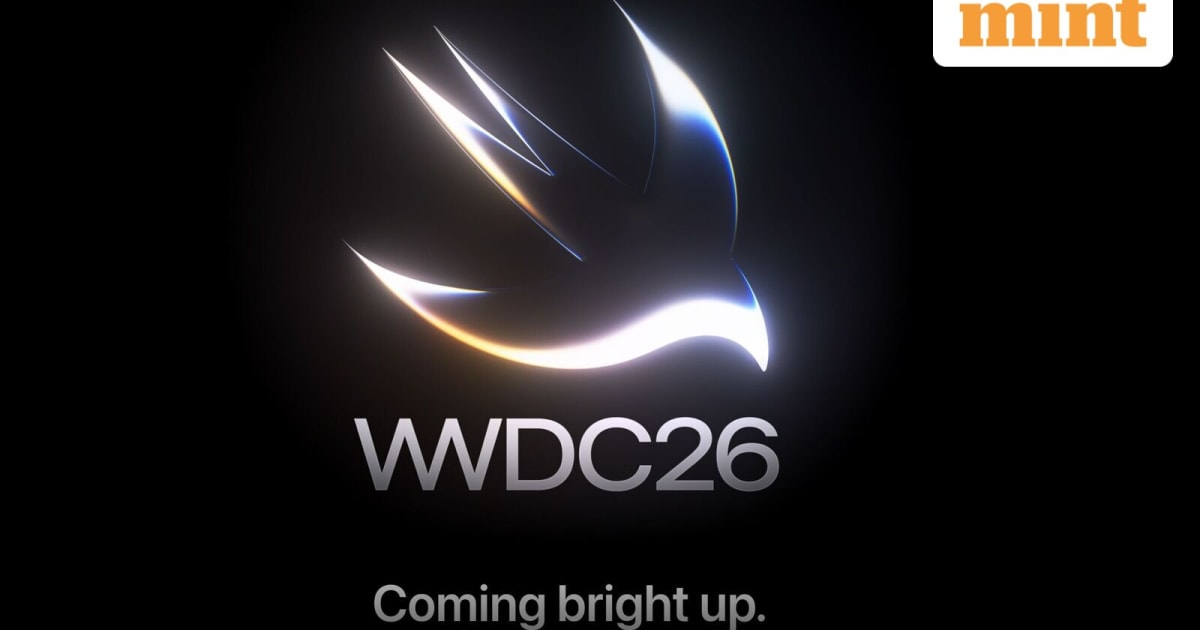
Apple’s strategic domain registration and impending WWDC AI announcements signal a pivot that will force a global hardware upgrade cycle. We analyze how this shift directly benefits Indian Engineering, Research, and Development (ER&D) giants and why this sector is poised for a valuation re-rating.
The Silicon Valley Signal: Why Apple’s AI Pivot Matters to Mumbai
When Apple secures a domain, the market listens. But the recent registration of assets tied to 'Generative AI' ahead of WWDC is not merely a branding exercise—it is a clear signal that the world’s most valuable company is ready to deploy its massive ecosystem into the AI-native era. For the Indian IT sector, specifically the high-margin Engineering, Research, and Development (ER&D) segment, this is the 'iPhone moment' for the services industry.
Historically, when Apple shifts its hardware architecture—such as the transition to Apple Silicon in 2020—the ripple effect creates a three-to-five-year tailwind for specialized service providers. This time, the complexity is higher. Integrating Large Language Models (LLMs) onto edge devices requires a complete redesign of firmware, thermal management, and neural processing unit (NPU) optimization. Indian firms are the primary architects of this transition.
How will Apple’s AI integration drive Indian IT stock performance?
The correlation between global tech hardware spending and Indian ER&D revenue is historically robust. During the 2022 cloud-migration boom, the Nifty IT index outperformed the broader market by nearly 12% as companies scrambled to modernize infrastructure. Apple’s push into GenAI forces a similar pivot: consumers and enterprises will be compelled to upgrade devices to support on-device AI, creating a sustained demand for software-hardware integration services.
Indian ER&D firms currently command a unique position in this value chain. Unlike traditional 'body-shopping' IT services, these firms manage the R&D labs for global semiconductor giants and consumer electronics manufacturers. As Apple and its competitors race to shrink LLMs to fit on mobile chipsets, the demand for embedded software, AI-driven testing, and hardware-software co-design will skyrocket.
Deep Dive: Stock-by-Stock Impact
The following firms are best positioned to capture the influx of R&D outsourcing budgets:
- Tata Elxsi (NSE: TATAELXSI): With a strong footprint in automotive and media electronics, their ability to integrate AI into edge devices makes them a primary beneficiary. P/E ratio remains high, reflecting the market's expectation of premium growth.
- L&T Technology Services (NSE: LTTS): As a pure-play ER&D firm, LTTS is heavily involved in semiconductor design and embedded systems. Their 'AI-in-a-box' solutions for manufacturing will see increased enterprise adoption as Apple’s ecosystem sets the standard.
- Cyient (NSE: CYIENT): Their expertise in aerospace and medical technology provides a defensive moat, while their recent push into digital engineering allows them to pivot quickly toward AI-integrated product lifecycles.
- Happiest Minds (NSE: HAPPSTMNDS): A smaller cap player with a high degree of specialization in digital transformation and generative AI consulting, offering higher beta exposure to this theme.
- Persistent Systems (NSE: PERSISTENT): Their deep expertise in product engineering services (PES) makes them a preferred partner for global tech firms looking to accelerate software-defined product development.
Expert Perspective: The Bull vs. Bear Debate
The Bull Case: Proponents argue that the hardware refresh cycle is inevitable. Just as 5G mandated a smartphone replacement cycle, on-device AI will render current handsets obsolete, forcing a multi-year capex cycle that feeds directly into the order books of Indian ER&D firms. The 'Moat' here is the scarcity of talent capable of optimizing LLMs for edge computing.
The Bear Case: Skeptics, however, point to the 'monetization lag.' Generative AI is expensive. If consumer demand for AI-integrated phones fails to materialize, Apple and its peers may slash R&D budgets, leaving firms with high fixed costs and underutilized engineering talent. Furthermore, competition from Google and Microsoft’s internal AI development teams could reduce the reliance on third-party engineering partners.
Actionable Investor Playbook
Investors should view this as a 24-to-36-month thematic play. The immediate catalyst is the upcoming WWDC, where Apple is expected to detail its AI strategy.
- Accumulation Strategy: Focus on firms with a high mix of semiconductor and embedded systems exposure. Use market volatility to build positions in TATAELXSI and LTTS at support levels corresponding to their 200-day moving averages.
- Time Horizon: This is not a 'quick flip.' The integration of AI into the global supply chain is a multi-year cycle. Expect volatility in the first two quarters of implementation.
- Monitoring: Watch for quarterly commentary from these firms regarding 'deal pipeline growth' specifically in the 'AI-embedded' segment. If this metric exceeds 15% year-over-year, the thesis is intact.
Risk Matrix: Navigating Uncertainty
| Risk Factor | Probability | Impact |
|---|---|---|
| R&D Budget Cuts | Medium | High |
| Talent Attrition | High | Medium |
| Macroeconomic Slowdown | Low | High |
| Geopolitical Supply Chain Shifts | Medium | High |
What to Watch Next
The next major data point is the WWDC keynote. Post-event, pay close attention to the analyst call transcripts of Indian ER&D firms. If management highlights 'GenAI-led engineering' as a primary revenue driver, it confirms the sector is moving from experimental R&D to full-scale deployment. Additionally, keep an eye on semiconductor capex figures from global players like TSMC and NVIDIA; as goes the silicon, so goes the Indian ER&D order book.
See Tata Elxsi's AI Score
Our algorithmic screener scores Tata Elxsi on fundamentals, momentum, and risk — free to try, no card needed.
Try the AI Screener →Have questions about this story?
Ask Welth, our finance-focused AI research assistant, for a deeper breakdown — free trial included.
Chat with Welth AI →Disclaimer: This content is generated by WelthWest Research Desk based on publicly available reports and is for informational purposes only. It does not constitute financial advice, investment recommendations, or an offer to buy or sell securities. Always consult a qualified financial advisor before making investment decisions.
