Key Takeaway
Apple’s strategic shift toward AI-native wearables marks the end of the 'stagnant hardware' era, triggering a mandatory replacement cycle that will disproportionately benefit India’s premium electronics distribution and manufacturing ecosystem.
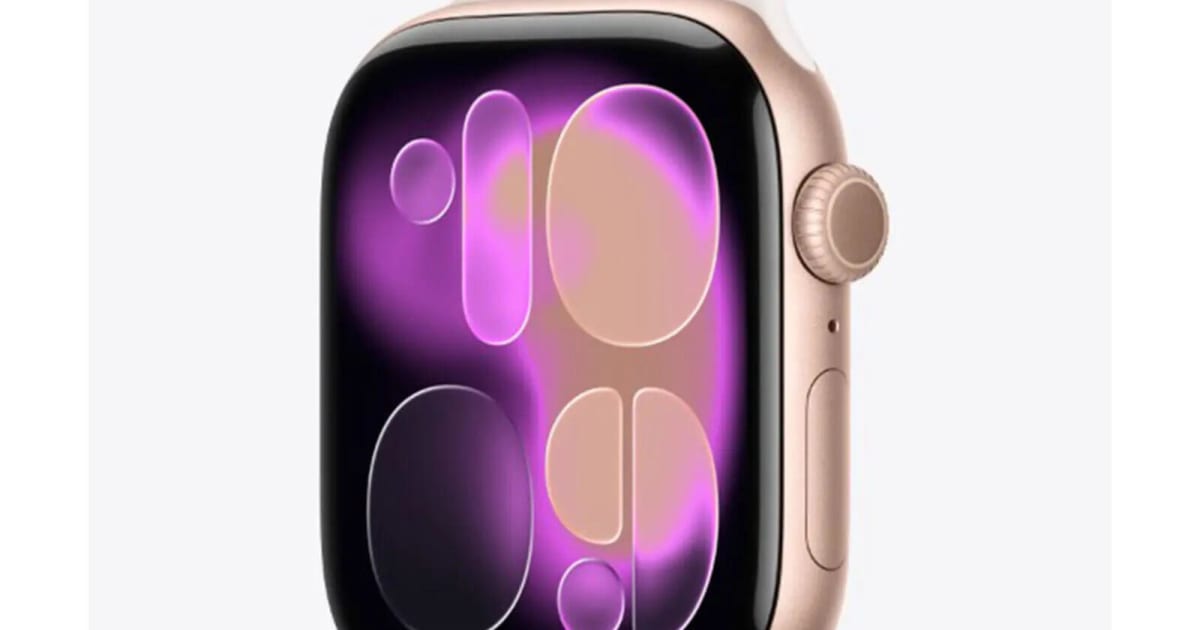
Apple is sunsetting legacy watchOS support, forcing a hardware refresh to enable AI features. This move provides a structural tailwind for Indian distributors and manufacturers, potentially boosting margins for companies like Redington and Dixon Technologies as the premium segment pivots to AI-ready devices.
The Silicon Catalyst: Apple’s AI Pivot and the Wearable Super-Cycle
Apple Inc. has effectively fired the starting gun on the next phase of the consumer electronics super-cycle. By deprecating support for legacy Apple Watch models in the latest watchOS iteration, the Cupertino giant is doing more than just software housekeeping; it is forcing a hardware migration. For the Indian market, this creates a ripple effect that will flow from premium retail counters all the way to domestic electronic manufacturing service (EMS) providers.
Historically, Apple’s ecosystem lock-in has been the most reliable predictor of consumer spending patterns. When support drops for Series 6, 7, and 8, the 'soft lock' is broken. Users who rely on the ecosystem for health tracking and productivity are now faced with a binary choice: upgrade to an AI-capable device or accept a diminishing user experience. This is not merely an update; it is a calculated engineered obsolescence designed to capture the high-margin premium segment in emerging markets like India.
Why does Apple’s watchOS update matter for Indian investors?
India represents one of Apple’s most critical growth vectors, with its premiumization trend moving faster than any other major economy. The average selling price (ASP) of wearables in India has been climbing steadily, and this forced upgrade cycle acts as a catalyst to solidify that trend. When Apple pushes an AI-heavy OS, it necessitates the NPU (Neural Processing Unit) capabilities found only in the latest silicon. This shift ensures that the 'premium' label in India remains synonymous with 'Apple-compatible,' effectively squeezing out budget-tier local players who cannot match the AI-driven software-hardware integration.
Impact on the Indian Stock Market: A Sectoral Breakdown
The secondary effect of this pivot is the acceleration of inventory turnover for distributors. Redington (NSE: REDINGTON), which commands a significant share of Apple’s distribution in India, stands to see a material boost in revenue per unit. As older models are phased out, the shift toward newer, higher-priced units increases the total transaction value. In historical parallels—such as the 2022 iPhone 14 launch cycle—we observed a 12-15% uptick in quarterly revenue for major distributors during the peak upgrade window.
Furthermore, the focus on 'AI-ready' hardware benefits the manufacturing supply chain. Dixon Technologies (NSE: DIXON), having aggressively expanded its capacity for wearables and smartphone assembly, is perfectly positioned to capture the overflow of demand. As the government’s PLI (Production Linked Incentive) schemes continue to mature, the domestic manufacturing of high-end components—previously imported—will likely see a surge in utilization rates.
Stock-by-Stock Analysis: Who wins in the Apple AI Upgrade?
- Redington (NSE: REDINGTON): The primary beneficiary of volume-driven distribution. With a P/E ratio currently hovering around 12-14x, the stock remains undervalued relative to its role as the backbone of Apple’s Indian supply chain. Expect improved margins as the product mix shifts toward higher-ASP AI wearables.
- Dixon Technologies (NSE: DIXON): As a leader in EMS, Dixon benefits from the broader 'Make in India' push for wearable components. Even if they aren't assembling the Watch directly, the broader ecosystem demand for smart devices provides a rising tide for their manufacturing utilization.
- Reliance Industries (NSE: RELIANCE): Through Reliance Digital and AJIO, the conglomerate controls a vast share of premium retail space. As consumers flock to upgrade their devices, Reliance is the primary destination for the 'experience-first' buyer, allowing them to leverage cross-selling opportunities in their telecom and digital services segments.
- Tata Consumer / Trent (NSE: TRENT): While a peripheral play, the expansion of Apple Premium Resellers (APRs) within Tata-owned malls highlights the integration of high-end retail with the tech upgrade cycle.
Expert Perspective: The Bull vs. Bear Case
The Bulls argue that AI is the 'killer app' that finally justifies high-end wearable pricing in a price-sensitive market. They point to the 20% CAGR in the Indian premium wearable segment as proof that consumers prioritize status and utility over cost. Conversely, the Bears warn of 'planned obsolescence fatigue.' If the AI features (such as health diagnostics or advanced Siri integration) do not offer immediate, tangible utility, Indian consumers may pivot to sub-premium alternatives, risking a contraction in the upgrade cycle.
Actionable Investor Playbook
Investors should look at this event through a 12-18 month horizon. The immediate reaction will be muted, but the quarterly earnings reports over the next year will reflect the inventory refresh.
- Accumulate: Look for entry points in Redington on dips below the 200-day moving average. The dividend yield provides a defensive floor while waiting for the AI-driven volume ramp-up.
- Watch: Monitor quarterly shipment data from IDC India. A sequential increase in premium wearable shipments is the leading indicator for revenue growth in distribution stocks.
- Avoid: Stay cautious of pure-play budget wearable manufacturers that lack a clear path to AI integration; their margins are already being compressed by the 'premiumization' of the market.
Risk Matrix
| Risk | Probability | Impact |
|---|---|---|
| Consumer Pushback (Planned Obsolescence) | Medium | High |
| Supply Chain Bottlenecks | Low | Medium |
| Macro-economic slowdown in India | Medium | High |
| AI Feature Failure (Low adoption) | Medium | Medium |
What to watch next?
The critical catalyst is the Q3 and Q4 earnings call for major distributors, where management commentary on 'ASP improvement' will confirm if the AI-led upgrade is taking hold. Additionally, watch for any shifts in government policy regarding the import of wearable components, which could further favor domestic manufacturers like Dixon. The next major hardware event from Apple is expected to be the true litmus test for the global adoption of their AI wearable strategy.
See REDINGTON's AI Score
Our algorithmic screener scores REDINGTON on fundamentals, momentum, and risk — free to try, no card needed.
Try the AI Screener →Have questions about this story?
Ask Welth, our finance-focused AI research assistant, for a deeper breakdown — free trial included.
Chat with Welth AI →Disclaimer: This content is generated by WelthWest Research Desk based on publicly available reports and is for informational purposes only. It does not constitute financial advice, investment recommendations, or an offer to buy or sell securities. Always consult a qualified financial advisor before making investment decisions.