Key Takeaway
Asian Paints’ double-digit volume growth confirms a resilient middle-class consumption cycle. Investors should view this as a macro-bellwether for the broader Indian home improvement and real estate narrative.
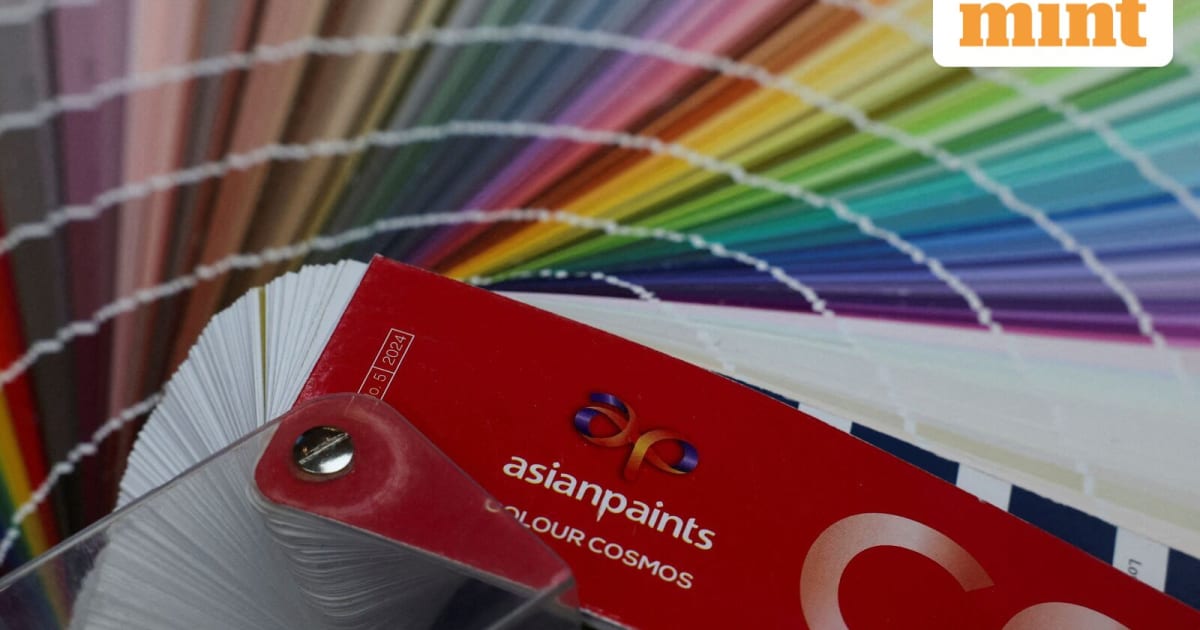
Asian Paints’ Q4 FY26 performance has shattered bearish expectations with a 12.4% volume surge and a 69% net profit jump. We analyze the implications for the Indian building materials sector and what this means for your portfolio.
The Anatomy of a Paint Giant's Recovery
In the landscape of the Indian FMCG and building materials sector, few metrics carry as much weight as Asian Paints' volume growth. The recently concluded Q4 FY26 results, featuring a robust 12.4% volume expansion, serve as a critical diagnostic tool for the Indian economy. When the country’s largest paint manufacturer reports such figures, it is not merely a corporate milestone; it is a signal that the discretionary spending cycle in the real estate and home renovation space remains structurally sound.
With a net profit surge of 69% YoY, reaching ₹1,185.5 crore, the company has effectively navigated the twin challenges of input cost volatility and competitive intensity. This performance underscores a shift in consumer behavior: the 'premiumization' trend is no longer limited to urban centers but has permeated Tier-2 and Tier-3 markets, providing a long-tail growth runway for major players.
Why does Asian Paints' volume growth matter for the broader Indian market?
Historically, the paint industry acts as a lead indicator for real estate. Similar to the market behavior observed in 2022, where paint volume growth preceded a 15% rally in the Nifty Realty index, the current 12.4% jump suggests that the housing cycle has not yet hit its peak. The correlation is simple: paint is the final stage of the home construction cycle. A surge here implies that homes bought or constructed 18-24 months ago are now reaching the finishing phase.
Furthermore, this data point is a litmus test for the 'FMCG-adjacent' space. Unlike soaps or detergents, paint is a high-ticket discretionary purchase. Its growth confirms that the Indian consumer is willing to dip into savings or leverage credit to upgrade their living environment, a positive sign for the broader NSE consumption basket.
Stock-by-Stock Breakdown: Who wins and who gets left behind?
- Asian Paints (ASIANPAINT): The gold standard. With a current P/E hovering significantly above its peers, the market demands perfection. This quarter justifies the premium valuation by proving that the company can protect margins even while aggressively capturing market share.
- Berger Paints (BERGERPAINT): As the primary challenger, Berger is the secondary beneficiary. If Asian Paints is growing at 12.4%, Berger is likely capturing the price-sensitive segment of the market. Watch for their upcoming margin reports to see if they matched this volume efficiency.
- Kansai Nerolac (KANSAINER): Heavily exposed to the industrial/automotive paint segment. While decorative paint is booming, their recovery depends on the underlying strength of the Indian auto sector.
- Pidilite Industries (PIDILITIND): A structural partner to the paint industry. As 'Fevicol' demand correlates directly with furniture and interior work, Pidilite is a high-conviction proxy for the same real estate tailwinds seen in the paint sector.
Expert Perspective: The Bull vs. Bear Divide
The Bull Case: Bulls argue that we are in the early stages of a multi-year housing boom. With urban migration and the 'renovation cycle' shortening (down from 10 years to 6 years), the demand for decorative coatings is structural, not cyclical. The 69% profit jump is proof that operational efficiencies are finally catching up to revenue growth.
The Bear Case: Skeptics point to the 'Crude Oil Trap.' Paint manufacturers are essentially chemical companies in disguise. If crude oil prices spike due to geopolitical instability, gross margins will compress rapidly. Bears argue that the current valuation of these stocks already prices in a 'best-case' scenario, leaving little room for error if volume growth reverts to mean levels in Q1 FY27.
Actionable Investor Playbook
For the long-term investor, the strategy should focus on quality and market share dominance. If you are looking to enter, wait for a consolidation phase after the post-result rally. Accumulate on dips toward the 200-day moving average. For those already holding, the risk-reward remains favorable provided the volume growth sustains above the 10% mark.
Risk Matrix: What could derail the momentum?
| Risk Factor | Impact | Probability |
|---|---|---|
| Crude Oil Volatility | High | Medium |
| Real Estate Slowdown | High | Low |
| Input Cost Inflation | Medium | Medium |
What to watch next?
Investors should closely monitor the upcoming RBI monetary policy committee meetings. A potential rate cut would be the ultimate catalyst for the real estate and home improvement sectors, further fueling the demand for paints. Additionally, keep an eye on the Q1 FY27 volume guidance from the management of these firms, as it will provide the next directional cue for the stock prices.
See ASIANPAINT's AI Score
Our algorithmic screener scores ASIANPAINT on fundamentals, momentum, and risk — free to try, no card needed.
Try the AI Screener →Have questions about this story?
Ask Welth, our finance-focused AI research assistant, for a deeper breakdown — free trial included.
Chat with Welth AI →Disclaimer: This content is generated by WelthWest Research Desk based on publicly available reports and is for informational purposes only. It does not constitute financial advice, investment recommendations, or an offer to buy or sell securities. Always consult a qualified financial advisor before making investment decisions.