Key Takeaway
The BIS has officially classified stablecoins as systemic foreign exchange risks, signaling a global crackdown that threatens the liquidity of Indian crypto-fiat gateways. Investors should pivot toward regulated financial infrastructure as regulatory scrutiny intensifies.
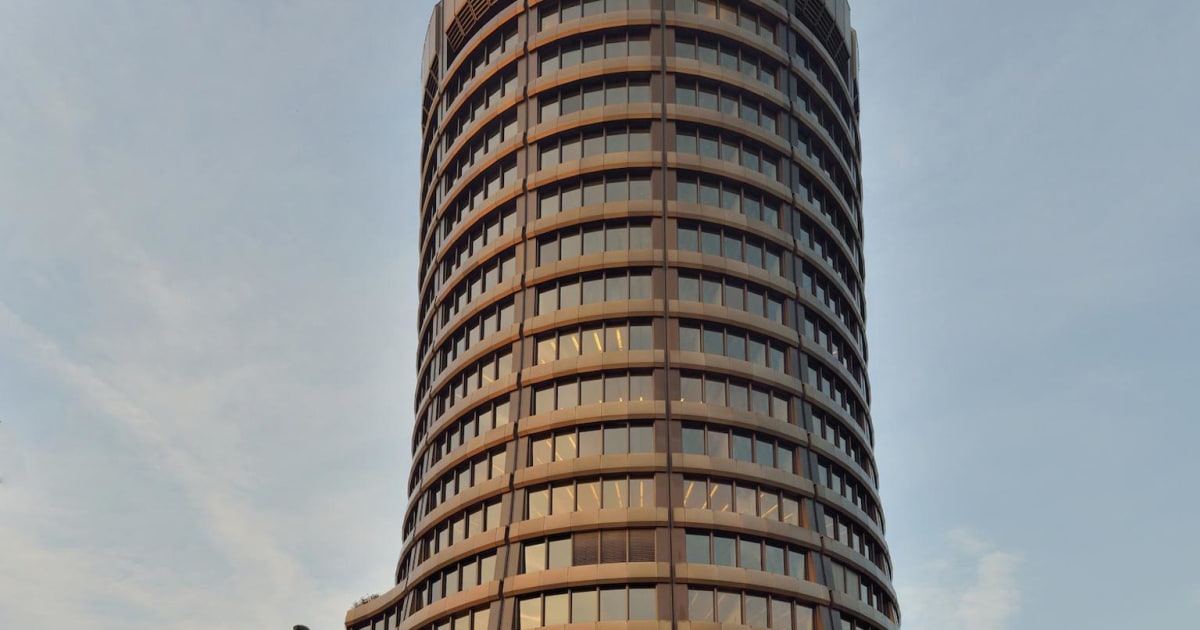
The Bank for International Settlements (BIS) has sounded the alarm on stablecoins, moving them from 'digital assets' to 'systemic FX threats.' This pivot forces a re-evaluation of the entire Indian VDA ecosystem, potentially sidelining crypto-reliant fintechs and favoring traditional banking incumbents.
The BIS Shift: Why Stablecoins Are Now a Systemic FX Threat
The global financial architecture is undergoing a tectonic shift. In a recent analytical pivot, the Bank for International Settlements (BIS) has effectively stripped stablecoins of their 'money-like' status, recategorizing them as systemic risks to foreign exchange (FX) stability. For the Indian investor, this is not merely a theoretical debate in Basel; it is a direct precursor to a tighter regulatory perimeter imposed by the Reserve Bank of India (RBI).
Stablecoins, which were marketed as a bridge between fiat and blockchain, are now being viewed by central bankers as unregulated ETFs that lack the transparency and capital buffers of traditional money market funds. When stablecoins decouple or face liquidity crunches, they create ripple effects that threaten domestic currency pegs—an outcome the RBI has long feared regarding the 'rupee-to-crypto' pipeline.
How will the BIS warning affect Indian VDA platforms and retail investors?
The immediate implication for India is the potential for a 'choke-point' strategy. By classifying stablecoins as FX risks, the BIS provides global regulators with the justification to restrict crypto-to-fiat gateways. Historically, when the RBI signaled similar concerns in 2022, we witnessed a sharp contraction in trading volumes on domestic platforms, leading to a 30-40% decline in the valuation of companies pivoting toward digital asset custody.
If the RBI adopts these BIS guidelines, we should expect a mandatory 'Proof of Reserve' audit cycle that many smaller, under-capitalized crypto exchanges may fail to survive. This creates a flight to quality, where liquidity will likely consolidate into traditional banking institutions that are already building CBDC (Central Bank Digital Currency) infrastructure.
Deep Market Impact: Connecting the Dots to the Indian Stock Market
The Indian stock market's exposure to this crypto-regulatory shift is nuanced. While few listed companies rely solely on crypto trading, the 'spillover effect' impacts fintechs that have integrated VDA services into their platforms to capture the millennial demographic. We are looking at a potential contraction in P/E ratios for platforms that derive a significant percentage of their growth from crypto-related transaction fees.
Stock-by-Stock Breakdown
- 5Paisa Capital (5PAISA): As a digital-first broker, 5Paisa has explored various digital asset integrations. Increased regulatory scrutiny on stablecoins forces a pivot back to core equity/derivative products, potentially slowing their 'super-app' narrative. Current P/E multiples remain sensitive to any news regarding VDA bans.
- Angel One (ANGELONE): With a massive retail base, Angel One’s exposure to the crypto-curious segment is high. Stricter KYC and capital control norms could lead to a short-term churn in their 'digital-asset-active' user base, impacting quarterly revenue guidance.
- BSE Ltd (BSE): As an exchange operator, BSE is shielded from direct crypto losses but faces potential regulatory spillover into the tokenization of assets. If the BIS stance leads to a global crackdown, BSE’s path toward regulated, blockchain-based settlement layers becomes significantly more complex.
- Central Bank of India (CENTBANK) & SBI: These institutions are the primary beneficiaries. As the RBI promotes the e-Rupee (CBDC), these banks are the infrastructure backbone. Investors should watch for increased government spending on CBDC-integrated retail payment systems as a direct hedge against stablecoin volatility.
Expert Perspective: The Bull vs. Bear Case
The Bear Argument: The BIS warning is the death knell for decentralized finance (DeFi) in India. If stablecoins are treated as FX, the cost of compliance will become prohibitive, effectively forcing crypto exchanges to shut down or operate in a permanent state of regulatory limbo.
The Bull Argument: Regulation is the final hurdle for mass adoption. By bringing stablecoins under the BIS framework, the industry matures. It forces crypto issuers to hold high-quality liquid assets (HQLA), making them safer for institutional investors and paving the way for eventual RBI-sanctioned digital asset markets.
Actionable Investor Playbook
Investors must adopt a defensive posture regarding crypto-adjacent fintech stocks.
- Reduce Exposure: Trim holdings in mid-cap fintechs that have aggressively marketed crypto-trading features.
- Watch Institutional Infrastructure: Look for opportunities in traditional banks (like SBI or HDFC) that are leading the CBDC pilot programs. They are the 'picks and shovels' of the future digital rupee economy.
- Monitor Regulatory Arbitrage: Pay close attention to RBI circulars regarding 'cross-border remittances.' Any tightening here will be the first sign that the BIS stablecoin warning is being codified into Indian law.
Risk Matrix
| Risk Factor | Probability | Impact |
|---|---|---|
| RBI imposes strict crypto-fiat ban | High | High |
| Liquidity crunch in domestic crypto exchanges | Medium | High |
| Increased cost of capital for digital-first brokers | Medium | Medium |
What to Watch Next
The next Monetary Policy Committee (MPC) meeting is the primary catalyst. Watch for any mention of 'Stablecoin' or 'VDA' in the Governor's post-policy press conference. Additionally, monitor the quarterly earnings of listed fintech players—specifically, look for shifts in 'Other Income' lines, which often hide transaction fees from crypto-related services. If these numbers begin to shrink, the market is already pricing in the BIS-led regulatory crackdown.
See 5Paisa Capital's AI Score
Our algorithmic screener scores 5Paisa Capital on fundamentals, momentum, and risk — free to try, no card needed.
Try the AI Screener →Have questions about this story?
Ask Welth, our finance-focused AI research assistant, for a deeper breakdown — free trial included.
Chat with Welth AI →Disclaimer: This content is generated by WelthWest Research Desk based on publicly available reports and is for informational purposes only. It does not constitute financial advice, investment recommendations, or an offer to buy or sell securities. Always consult a qualified financial advisor before making investment decisions.