Key Takeaway
Global crypto sentiment, while not directly integrated with Indian markets, acts as a crucial barometer for risk appetite. A sustained downturn in Bitcoin could trigger broader risk-off sentiment, potentially impacting FII flows into Indian equities and creating headwinds for tech companies exploring blockchain.
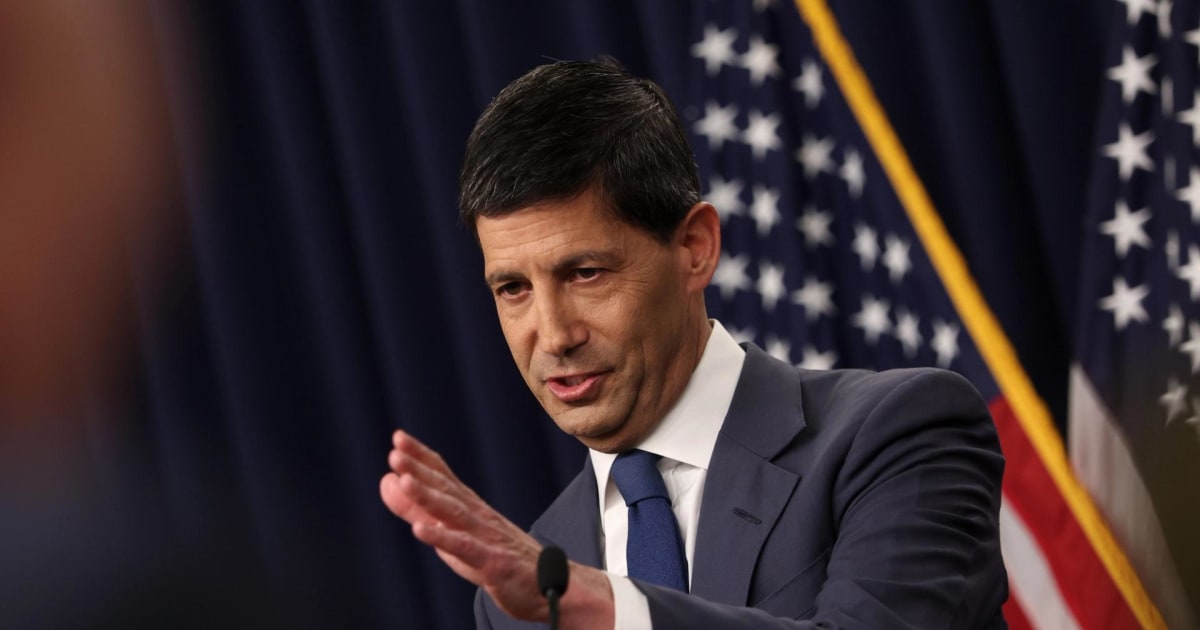
Global cryptocurrency markets are on edge, with Bitcoin experiencing price declines ahead of a pivotal economic speech. This article explores how these international crypto jitters, despite India's limited direct market integration, could indirectly influence investor sentiment, FII allocations, and specific Indian tech stocks, offering a crucial playbook for navigating potential volatility.
Bitcoin's Global Dip: A Canary in the Coal Mine for Indian Equities?
The cryptocurrency world is holding its breath. Global digital asset markets have turned decidedly cautious, with Bitcoin (BTC) shedding overnight gains and experiencing notable price declines. This pre-emptive pullback stems from anticipation surrounding a key economic speech, widely expected to shape monetary policy outlooks and, by extension, the appetite for riskier assets. While India's direct cryptocurrency market integration remains nascent due to ongoing regulatory ambiguities, the ripple effects of global crypto sentiment are far from negligible for the discerning Indian investor. This isn't merely about digital coins; it's a critical indicator of broader market psychology, with potential implications for foreign institutional investor (FII) flows and the burgeoning blockchain ambitions of Indian tech giants.
Historically, significant shifts in global risk sentiment, often heralded by movements in high-beta assets like cryptocurrencies, have a demonstrable, albeit indirect, correlation with emerging market inflows. In 2022, during a period of aggressive global monetary tightening and a corresponding crypto winter, FIIs withdrew a staggering $29 billion from Indian equities, contributing to a Nifty 50 correction of over 15% from its peak. While crypto wasn't the sole driver, its decline mirrored a broader flight to safety. Today, as Bitcoin dips below the critical psychological threshold of $60,000, having declined nearly 8% in the last 24 hours, the market capitalization of the entire crypto sector has shrunk by over $150 billion, prompting a re-evaluation of risk across asset classes globally.
How Will Global Crypto Volatility Affect Indian Stock Market Sentiment?
The direct impact of Bitcoin's price fluctuations on the Indian stock market is admittedly low, given the absence of regulated crypto ETFs or direct institutional exposure pathways. However, the indirect influence is multifaceted and deserves close scrutiny. Firstly, crypto's role as a bellwether for global risk appetite cannot be overstated. When major cryptocurrencies experience significant downturns, it often signals a broader 'risk-off' environment, where investors globally become more conservative, reallocating capital from speculative or growth assets to safer havens. This shift in global sentiment can directly influence FII flows into emerging markets like India. FIIs, who constitute a significant portion of daily trading volumes on the NSE and BSE, are highly sensitive to global liquidity and risk perception. A sustained bearish sentiment in crypto could lead to reduced FII inflows or even outflows from Indian equities, particularly from sectors perceived as riskier or growth-oriented.
Secondly, the narrative around blockchain technology within the Indian tech sector could face headwinds. While Indian companies are not directly holding large crypto treasuries, many are actively exploring blockchain applications for enterprise solutions, supply chain management, and digital identity. A prolonged crypto downturn, often associated with negative headlines and regulatory scrutiny, can dampen enthusiasm, slow adoption, and potentially impact the valuations of companies heavily invested in or promoting blockchain-related services. This could affect investor perception, even if the underlying technology's value proposition remains strong.
Consider the broader economic backdrop: India's robust GDP growth projections and strong domestic consumption narrative provide a buffer. However, any external shock that curtails FII participation could temper market rallies. For instance, in Q1 2024, FIIs poured nearly $10 billion into Indian equities, contributing significantly to the Nifty's upward trajectory. A global risk-off move, even if partially spurred by crypto's struggles, could reverse this trend, leading to consolidation or even a minor correction across benchmark indices.
Which Indian Stocks Are Most Exposed to Indirect Crypto Impact?
While no Indian listed company directly holds Bitcoin on its balance sheet or offers direct crypto investment products, several firms exhibit indirect exposure through their FII ownership, their focus on emerging technologies, or their overall market sensitivity to global risk appetite. Here are 4-6 specific NSE/BSE stocks that could be affected:
- Infosys Ltd. (NSE: INFY): As a global IT services giant, Infosys is heavily reliant on international contracts and FII investment. A general risk-off sentiment globally, partly signaled by crypto's decline, could impact its valuation multiples (current P/E ~25x) as growth stocks often bear the brunt of such shifts. Furthermore, Infosys has invested in blockchain solutions for clients, and a dampened enthusiasm for the broader crypto ecosystem could subtly affect sentiment around these initiatives. Sector peers like Tata Consultancy Services Ltd. (NSE: TCS) and Wipro Ltd. (NSE: WIPRO) face similar, albeit varying, degrees of sensitivity.
- Persistent Systems Ltd. (NSE: PERSISTENT): A mid-cap IT firm with a strong focus on digital transformation and emerging technologies, Persistent Systems has been vocal about its blockchain capabilities and partnerships. While not directly linked to crypto prices, a broader negative sentiment around the 'digital assets' space could cool investor enthusiasm for companies perceived to be at the forefront of this technology. Its relatively higher P/E (~40x) makes it more susceptible to sentiment shifts.
- Larsen & Toubro Infotech Ltd. (NSE: LTIM): LTIMindtree, another prominent IT services player, has been actively exploring blockchain for enterprise solutions, particularly in areas like supply chain and finance. Should global risk aversion intensify, FIIs might reduce exposure to higher-growth, higher-beta IT names, affecting LTIM's valuation.
- Bajaj Finance Ltd. (NSE: BAJFINANCE): As a leading NBFC with significant FII ownership and a valuation sensitive to broader market sentiment (P/E ~35x), Bajaj Finance could experience a slowdown in FII inflows if global risk appetite diminishes. While entirely unrelated to crypto operations, its status as a high-quality, high-growth financial stock makes it a bellwether for FII confidence in Indian consumption and growth stories. A general market downturn spurred by risk-off moves could affect its lending growth and asset quality perception.
- Reliance Industries Ltd. (NSE: RELIANCE): While a diversified conglomerate, Reliance's ambitious digital ventures, including Jio Platforms and its investments in emerging technologies, mean it's not entirely immune. Moreover, its sheer size and weight in indices mean it's a significant component of FII portfolios. Any broad FII pullback or re-evaluation of emerging market exposure could see profit-taking in large-cap bellwethers like Reliance, even if the core business remains robust.
Expert Perspective: Bulls vs. Bears on Crypto's Indian Market Influence
The debate over crypto's indirect influence on Indian equities is rich with contrasting viewpoints. Bulls argue that the Indian market's resilience, driven by strong domestic liquidity and a robust economic outlook, makes it largely immune to crypto's gyrations. They point to India's relatively insulated financial system, where direct crypto exposure for regulated entities is minimal. "The Indian growth story is fundamentally domestic," asserts a Mumbai-based fund manager. "While FII flows are important, local institutional and retail participation has consistently provided a strong counter-balance. Crypto is a niche asset class globally; its volatility is unlikely to derail a multi-trillion-dollar economy like India's." They might also highlight that any FII outflows due to global risk-off sentiment could be quickly absorbed by domestic investors seeking value, especially if valuations become attractive.
Conversely, bears contend that ignoring crypto as a sentiment indicator is myopic. They emphasize the increasingly interconnected nature of global financial markets. "While direct integration is low, the signaling effect is high," argues a global macro strategist. "A significant crypto downturn reflects a broader tightening of global liquidity and a general de-risking trend. FIIs don't differentiate between asset classes when making overarching risk allocation decisions. If global investors are pulling back from 'speculative' assets, India, despite its fundamentals, will inevitably see some impact on flows, especially into growth and tech sectors." They might also point to the psychological impact: persistent negative headlines around crypto can contribute to a general sense of unease, making investors more hesitant to deploy capital into emerging markets perceived as higher risk.
A contrarian view suggests that a crypto downturn could, paradoxically, benefit traditional financial markets in the long run. Capital that was previously locked in speculative digital assets might flow back into established equity markets, including India, once the dust settles. However, this scenario typically requires a period of stabilization and confidence rebuilding, which could take several quarters.
Actionable Investor Playbook: Navigating Crypto-Induced Jitters in India
For the astute Indian investor, understanding these dynamics translates into a clear strategy. This is not a moment for panic but for calculated adjustments and opportunistic positioning.
- Watch FII Flow Data Closely: Track daily FII net investment figures published by the NSE and BSE. A sustained trend of significant FII outflows (e.g., >$500 million per week for several consecutive weeks) could signal broader risk aversion impacting Indian equities.
- Re-evaluate High-Beta Tech Stocks: Companies like Infosys (NSE: INFY), Persistent Systems (NSE: PERSISTENT), and LTIMindtree (NSE: LTIM) might experience temporary valuation compression if global growth stock sentiment sours. Consider trimming positions in those with stretched valuations (e.g., P/E >40x with slowing growth) or establishing watchlists for potential entry points on significant dips (e.g., 10-15% corrections from recent highs).
- Focus on Defensive and Value Sectors: In a risk-off environment, sectors like FMCG (e.g., Hindustan Unilever Ltd. - NSE: HINDUNILVR), Pharmaceuticals (e.g., Sun Pharmaceutical Industries Ltd. - NSE: SUNPHARMA), and select public sector undertakings (PSUs) with strong order books tend to offer relative stability. These sectors often have lower FII ownership and are less sensitive to global sentiment swings.
- Consider SIPs in Quality Large Caps: For long-term investors, any market correction fueled by external factors presents an opportunity to accumulate quality large-cap stocks (e.g., Reliance Industries Ltd. - NSE: RELIANCE, HDFC Bank Ltd. - NSE: HDFCBANK) through Systematic Investment Plans (SIPs). This averages out the cost and capitalizes on future recoveries.
- Monitor Global Macro Indicators: Keep an eye on the US Dollar Index (DXY), US Treasury yields, and global commodity prices. These are more direct indicators of global liquidity and risk appetite than crypto alone, but their combined movement with crypto can provide a holistic picture.
The time horizon for these actions depends on the duration of global risk aversion. If the crypto downturn is sharp but short-lived (e.g., 1-2 weeks), the impact on Indian markets might be minimal and quickly reversible. However, a prolonged 'crypto winter' (e.g., 1-3 months or more) could lead to more sustained FII deleveraging and a deeper consolidation in Indian equities.
Risk Matrix: Assessing the Spillover Risk to Indian Markets
Understanding the potential risks is paramount for informed decision-making. Here’s a breakdown of specific risks associated with global crypto volatility impacting Indian markets:
- Risk 1: Broader Global Risk-Off Contagion (Probability: Medium to High): If the crypto decline is symptomatic of a larger global economic slowdown or a hawkish shift in major central bank policies, it could trigger a widespread flight from riskier assets. This would directly impact FII flows into India, potentially causing significant, albeit temporary, market corrections.
- Risk 2: Negative Sentiment Spillover to Indian Tech/Blockchain (Probability: Medium): A prolonged period of negative headlines and regulatory uncertainty surrounding global crypto could dampen investor enthusiasm for Indian companies actively exploring blockchain technology. This might not affect fundamentals but could lead to valuation compression for specific tech stocks perceived as being at the forefront of this emerging space.
- Risk 3: Regulatory Uncertainty in India (Probability: High, Long-term): While not directly tied to current crypto price movements, the ongoing ambiguity regarding crypto regulation in India (e.g., potential ban, taxation framework, CBDC development) remains a significant long-term risk and opportunity. Any definitive, restrictive regulatory action could further isolate the Indian market from global crypto trends, but also prevent institutional participation. Conversely, a clear, progressive framework could unlock significant domestic capital.
- Risk 4: Liquidity Crunch in Global Markets (Probability: Low to Medium): In an extreme scenario, a severe, prolonged crypto crash could lead to broader liquidity issues in global financial markets, forcing some institutional players to liquidate other asset holdings, including emerging market equities, to cover losses. This is a tail risk but warrants monitoring.
What to Watch Next: Key Catalysts for Indian Market Direction
The immediate direction of the Indian market, in the context of global crypto jitters, will be shaped by several upcoming catalysts:
- The Warsh Speech and US Fed Commentary (Immediate): The content and tone of the anticipated economic speech (likely from a key central bank figure like former Fed Governor Kevin Warsh, or current Fed officials) will be crucial. Any hawkish signals regarding interest rates or quantitative tightening could exacerbate global risk-off sentiment, further impacting crypto and FII flows.
- Indian Q1 FY25 Corporate Earnings (Next 4-6 Weeks): Robust earnings from Indian corporates, particularly bellwethers in banking, IT, and consumption, could provide a strong domestic counter-narrative, absorbing FII outflows and instilling confidence in local investors. Focus on growth guidance and order book commentaries.
- Inflation Data (Global & Domestic – Ongoing): Persistent high global inflation could force central banks to maintain a hawkish stance, prolonging the risk-off environment. Domestically, India's CPI and WPI data will influence RBI policy, which in turn affects liquidity and market sentiment.
- Regulatory Developments on Crypto in India (Ongoing, Unscheduled): Any official statements, white papers, or legislative proposals from the Indian government or RBI regarding cryptocurrency will be a significant long-term catalyst, determining the future landscape for digital assets within the country and potentially influencing related tech sectors.
- Global Geopolitical Events (Unscheduled): Unforeseen geopolitical tensions (e.g., Middle East conflicts, US-China relations) always have the potential to trigger broad risk aversion, making crypto's movements secondary to larger global concerns.
The current crypto market caution serves as a valuable early warning system. While the direct financial ties to India are limited, its role as a global sentiment indicator for risk appetite is undeniable. Indian investors must remain vigilant, focusing on fundamentals, FII flow dynamics, and the broader global macro picture to navigate these indirect but impactful ripples.
Run a free AI Stock Screen
Our algorithmic screener scores any NSE/BSE stock on fundamentals, momentum, and risk — free to try, no card needed.
Try the AI Screener →Have questions about this story?
Ask Welth, our finance-focused AI research assistant, for a deeper breakdown — free trial included.
Chat with Welth AI →Disclaimer: This content is generated by WelthWest Research Desk based on publicly available reports and is for informational purposes only. It does not constitute financial advice, investment recommendations, or an offer to buy or sell securities. Always consult a qualified financial advisor before making investment decisions.
