Key Takeaway
The breakdown in Bitcoin isn't just a crypto event; it is a leading indicator of waning global risk appetite that signals an impending liquidity squeeze for India’s high-beta retail favorites.
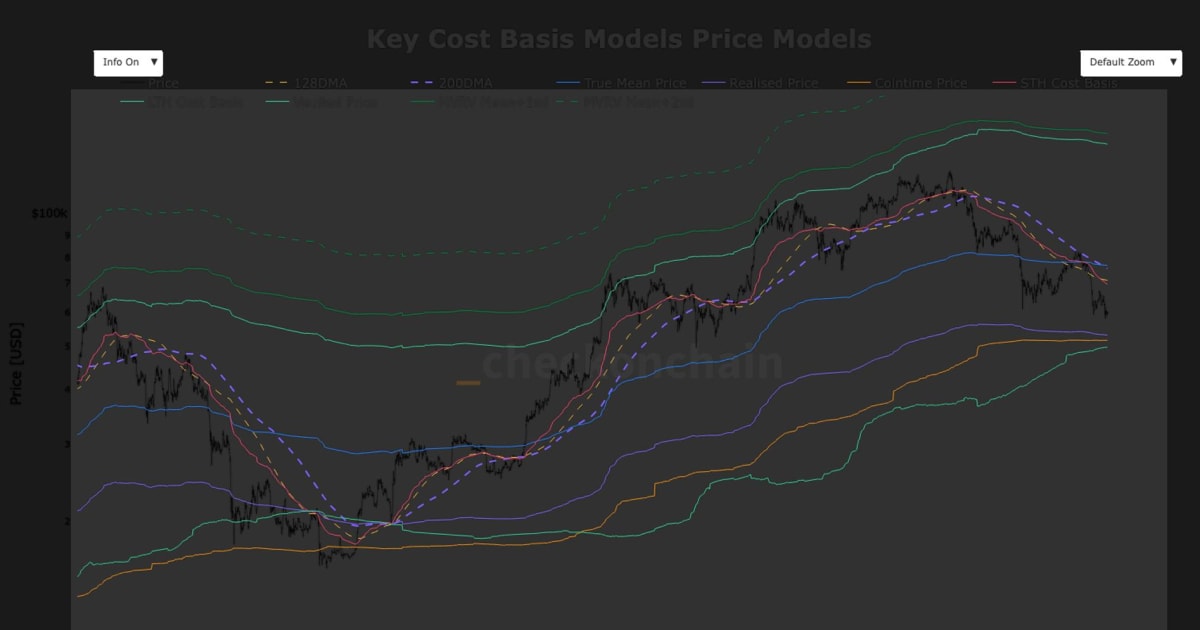
Bitcoin’s recent technical breakdown is triggering a flight to safety that threatens to expose the fragility of India’s retail-heavy, high-beta stock segments. We analyze the direct correlation between crypto volatility and the potential for margin-call-driven sell-offs in the NSE small-cap space.
The Great De-Risking: Why Bitcoin’s Technical Breakdown Matters for India
For the past three years, the correlation between Bitcoin and high-beta global equities has tightened significantly. As Bitcoin slides into a 'technical no man’s land'—where major support levels are absent—the implications for the Indian capital markets are profound. When speculative capital flees the crypto ecosystem, it rarely stays on the sidelines; it retreats from all risk-on assets, and India’s retail-heavy small-cap segment is currently the most exposed flank.
How does Bitcoin volatility impact the Indian stock market?
The transmission mechanism is simple: liquidity. During periods of euphoria, retail investors borrow against crypto holdings or utilize high-leverage trading platforms to chase gains in Indian small-caps. When crypto prices collapse, margin calls trigger forced liquidations. Historically, during the 2022 crypto winter, we observed a 15-20% drawdown in the Nifty Smallcap 100 index within weeks of sustained Bitcoin declines. This isn't just about sentiment; it is about the structural necessity for traders to cover losses in one asset class by selling the most liquid assets in their portfolio—often their high-growth Indian equity holdings.
The Sectoral Contagion: From Fintech to High-Beta Tech
While the broader Nifty 50 may remain shielded by institutional inflows, the retail-dominated segments—specifically fintech, digital advertising, and cloud-based platforms—face a dual threat. These companies, often trading at elevated P/E ratios, depend on a constant influx of 'risk-on' capital to justify their valuations. As the cost of capital rises and speculative interest cools, the valuation multiples of these firms are likely to undergo a mean reversion.
Stock-by-Stock Breakdown: Who is in the Firing Line?
- Affle India (AFFLE): Trading at a forward P/E of ~45x, Affle relies on the digital advertising spend of high-growth, venture-backed startups. A cooling in the global risk appetite directly reduces the marketing budgets of these liquidity-dependent firms, hitting Affle’s top-line growth.
- Tanla Platforms (TANLA): As a leader in CPaaS (Communications Platform as a Service), Tanla’s enterprise client base is sensitive to macroeconomic headwinds. If retail fintech platforms—their major customers—face liquidity crunches due to crypto-linked margin calls, Tanla’s revenue churn will accelerate.
- Zensar Technologies (ZENSARTECH): While a mid-cap IT play, Zensar’s exposure to discretionary digital transformation projects makes it a high-beta proxy for global tech spending. If Bitcoin volatility triggers a broader tech-sector sell-off, Zensar is likely to see significant price compression.
- PB Fintech (POLICYBZR): As a retail-focused fintech giant with a market cap of over ₹50,000 Cr, PolicyBazaar is the ultimate bellwether for Indian retail sentiment. Any liquidity crunch in the retail segment leads to lower customer acquisition velocity, directly impacting their path to sustained profitability.
The Expert Perspective: Bulls vs. Bears
The Bull Case: Proponents argue that India’s domestic institutional investor (DII) flows are now large enough to decouple from global crypto sentiment. They suggest that the current correction is a healthy rotation into value-oriented sectors like banking and FMCG, which will eventually provide a floor for the market.
The Bear Case: Bears point to the 'margin call trap.' They argue that the sheer volume of retail participation in F&O (Futures and Options) markets, combined with crypto exposure, creates a 'hidden leverage' problem. If Bitcoin stays below its 200-day moving average, the forced selling of high-growth stocks will become self-fulfilling, leading to a liquidity vacuum.
Actionable Investor Playbook: Navigating the Volatility
Investors should adopt a 'Barbell Strategy' to navigate this period of uncertainty:
- Defensive Reallocation: Shift 20-30% of your portfolio into gold ETFs or high-dividend-yielding stocks in the FMCG sector. These assets have historically shown a negative correlation to crypto volatility.
- Reduce Beta: Trim positions in stocks where the P/E exceeds 50x and revenue growth is slowing. Now is the time to prioritize companies with strong cash flow and low debt-to-equity ratios.
- Monitor Liquidity: Watch the NSE Advance-Decline ratio closely. If the number of declining stocks consistently outpaces advancers during recovery days, it indicates that institutional 'smart money' is exiting the market.
Risk Matrix
| Risk Factor | Probability | Impact |
|---|---|---|
| Systemic Margin Calls | Moderate | High |
| Regulatory Crackdown | High | Moderate |
| Currency Depreciation (USD/INR) | Low | High |
What to Watch Next: Catalysts for the Coming Month
The market will be watching the upcoming RBI monetary policy committee meeting for signals on liquidity management. Additionally, watch the Q3 earnings reports for the aforementioned fintech players; any mention of 'customer acquisition cost' (CAC) pressure will be a red flag. Finally, keep an eye on US Treasury yields—a breakout above 4.5% would likely be the final nail in the coffin for speculative risk-on assets, forcing a sharp flight to safety globally.
See Zensar Technologies's AI Score
Our algorithmic screener scores Zensar Technologies on fundamentals, momentum, and risk — free to try, no card needed.
Try the AI Screener →Have questions about this story?
Ask Welth, our finance-focused AI research assistant, for a deeper breakdown — free trial included.
Chat with Welth AI →Disclaimer: This content is generated by WelthWest Research Desk based on publicly available reports and is for informational purposes only. It does not constitute financial advice, investment recommendations, or an offer to buy or sell securities. Always consult a qualified financial advisor before making investment decisions.