Key Takeaway
Sustained demand for Bitcoin and Ethereum ETFs in global markets signals a significant capital reallocation trend, potentially drawing funds away from traditional Indian asset classes and boosting domestic crypto-linked entities. Investors must understand the evolving landscape and associated risks.
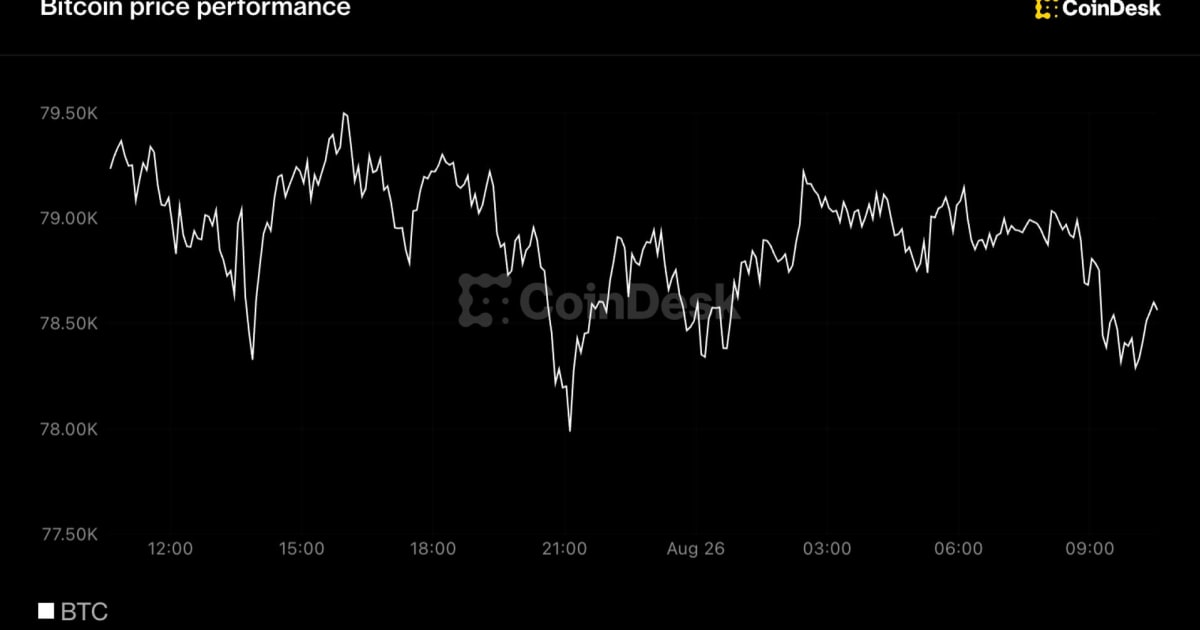
The enduring investor appetite for Bitcoin and Ethereum ETFs post-approval is creating ripple effects that are beginning to touch the Indian financial ecosystem. While direct integration remains nascent, capital flows and growing institutional acceptance are key indicators for Indian investors and businesses in fintech and digital assets. This analysis delves into the market impact, affected stocks, and strategic considerations for navigating this dynamic sector.
Bitcoin ETF Surge: A New Era for Digital Assets and Its Echo in India
The recent approvals of Bitcoin and Ethereum Exchange Traded Funds (ETFs) in major global financial hubs have ignited a sustained wave of investor interest, pushing the market capitalization of these digital assets to new heights. This isn't merely a speculative blip; the consistent demand post-launch suggests a fundamental shift in how institutional and sophisticated retail investors are approaching cryptocurrencies. For India, a market characterized by its unique regulatory landscape and burgeoning digital economy, this global trend presents a nuanced yet significant set of implications. While direct access to these ETFs remains limited for most Indian retail investors, the underlying sentiment and capital flows are undeniable factors that warrant close examination by domestic market participants.
What's Driving the Crypto ETF Phenomenon and Why It Matters Now
The core event is the robust and persistent demand for newly launched Bitcoin and Ethereum ETFs. These financial instruments offer a regulated, familiar pathway for investors to gain exposure to cryptocurrencies without the complexities of direct custody or the perceived risks of unregulated exchanges. This accessibility has unlocked significant capital, leading to substantial price appreciation for both Bitcoin and Ethereum. The significance for India lies in several interconnected factors. Firstly, it signifies a growing institutional acceptance of digital assets as a legitimate asset class, a trend that, while perhaps slower to manifest domestically due to regulatory caution, is a powerful global signal. Secondly, this influx of capital into crypto ETFs globally could, by extension, divert investment flows that might otherwise have been allocated to traditional asset classes, including those prevalent in India. The timing is critical as India's own fintech sector matures and explores the potential of blockchain technology and digital assets, making understanding these global shifts imperative for strategic planning and investment decisions.
Deep Market Impact Analysis: Capital Flows and the Indian Stock Market
The sustained demand for crypto ETFs, particularly in the US, is creating a palpable shift in global investment portfolios. While India has its own distinct regulatory framework for cryptocurrencies, characterized by a cautious approach from the Reserve Bank of India (RBI) and the government, the global momentum cannot be entirely ignored. The primary impact on the Indian stock market is indirect but potentially significant. As global capital finds a more regulated and accessible route into digital assets via ETFs, there's a theoretical risk of capital diversion from other, more traditional investment avenues. Consider the asset management industry: a growing portion of global assets under management (AUM) is now being influenced by the crypto narrative. If Indian investors, particularly high-net-worth individuals and institutions, begin to seek similar exposure, they might reallocate funds from domestic equity mutual funds, fixed deposits, or even real estate. This could translate into subtle but measurable pressure on the AUM of traditional Indian asset managers who do not offer crypto-related products or services. Furthermore, the burgeoning Indian fintech sector, which is increasingly integrating blockchain solutions and exploring digital asset opportunities, stands to benefit from this global validation of the underlying technology. Companies focused on blockchain development, digital payment gateways, and crypto-integrated financial services could see increased investor interest and potential for capital infusion, mirroring the global trend of investment in the crypto ecosystem.
Historically, significant global capital movements have always found their way to influence even localized markets. For instance, during periods of intense global liquidity or major shifts in investor sentiment towards emerging markets, we have seen the Nifty 50 and BSE Sensex react accordingly. While direct historical parallels for crypto ETF impacts on Indian equities are limited due to the novelty of these instruments, we can draw parallels from the broader tech boom and bust cycles. During the dot-com bubble, speculative capital flowed heavily into internet-related companies globally, and Indian IT stocks also experienced a surge, followed by a correction. The current crypto ETF phenomenon, while more regulated, shares the characteristic of attracting significant, often global, capital into a specific asset class. The impact on Indian markets will likely be felt more acutely in the fintech and technology sectors, as these are the most direct conduits for digital asset integration.
How Will Regulatory Uncertainty in India Shape Crypto's Influence on Local Equities?
The most significant overhang for the Indian market remains the evolving regulatory stance on cryptocurrencies. Unlike the US, which has moved towards regulated ETF products, India's approach has been more measured, with periods of bans and subsequent taxation frameworks. This uncertainty creates a bifurcated market: global institutions are embracing regulated crypto products, while Indian investors face a more complex and potentially riskier domestic landscape. This dichotomy means that while global capital flows into crypto ETFs might indirectly influence broader market sentiment, the direct impact on listed Indian companies will be heavily dependent on future policy decisions. If India were to adopt a more crypto-friendly regulatory framework, perhaps allowing for domestic crypto ETFs or clearer guidelines for crypto-related businesses, the impact would be far more pronounced, potentially leading to a direct surge in related Indian stocks. Conversely, continued ambiguity or stricter regulations could limit the extent to which global crypto trends translate into domestic equity market movements, confining the impact primarily to companies with established international operations or those actively lobbying for regulatory clarity.
Stock-by-Stock Breakdown: Identifying the Winners and Losers in the Indian Market
The global crypto ETF surge creates a clear set of potential winners and losers within the Indian stock market, even if indirectly. The impact is primarily felt through business models that are either directly involved in the crypto ecosystem or are significantly disrupted by its growth.
- WazirX (Indirectly Affected): As one of India's prominent cryptocurrency exchanges, WazirX's fortunes are intrinsically linked to the overall health and adoption of digital assets. While not directly offering ETFs, sustained global interest in Bitcoin and Ethereum, even if accessed through foreign ETFs, could indirectly stimulate more interest in the Indian crypto market, potentially increasing trading volumes and user acquisition on platforms like WazirX. However, regulatory hurdles and competition remain significant challenges. Its parent company, Binance, has also faced its own set of regulatory challenges globally, adding another layer of complexity.
- ZebPay (Indirectly Affected): Similar to WazirX, ZebPay, another established Indian crypto exchange, would benefit from increased global crypto adoption and awareness. A bullish sentiment driven by ETFs can trickle down, encouraging more Indian users to explore cryptocurrency investments, thereby boosting transaction volumes and revenue for exchanges. The company's ability to navigate Indian regulations and offer a user-friendly experience will be critical for capitalizing on any surge in interest.
- Companies Exploring Blockchain Applications (e.g., Infosys, TCS, Wipro): Large Indian IT services companies are increasingly embedding blockchain technology into their service offerings for global clients. A booming crypto market, fueled by ETFs, signifies greater adoption of blockchain technology across various industries. This translates into higher demand for blockchain development, consulting, and implementation services from Indian IT giants. For instance, if a global financial institution uses blockchain for tokenized assets or supply chain management, it creates opportunities for companies like Infosys (NSE: INFY), Tata Consultancy Services (NSE: TCS), and Wipro (NSE: WIPRO) to leverage their expertise and secure lucrative contracts. Their P/E ratios, currently reflecting their established IT services business, could see an upward re-rating if blockchain services become a significant revenue driver.
- Fintech Companies Offering Crypto Services (e.g., Paytm, Policybazaar - indirectly): While not directly crypto-focused, companies like Paytm (NSE: PAYTM) and Policybazaar (NSE: POLICYBZR) operate in the broader digital financial services space. If the crypto market continues to mature and becomes more integrated into mainstream finance, these platforms could explore partnerships or develop their own offerings related to digital assets, such as crypto payment integration or crypto-backed financial products. Their existing user base and digital infrastructure provide a strong foundation for such expansion. A successful pivot or integration could significantly boost their revenue streams and market valuations, which have been volatile for both in recent times.
- Traditional Asset Managers (e.g., HDFC AMC, ICICI Prudential AMC): These companies represent the 'losers' in a scenario where capital demonstrably flows away from traditional mutual funds towards crypto ETFs. If a significant portion of investment capital, especially from sophisticated investors, starts favoring crypto exposure, it could lead to a slowdown in AUM growth for traditional asset managers. Their P/E ratios, which are typically based on AUM and management fees, could come under pressure. For example, HDFC Asset Management Company (NSE: HDFCAMC) and ICICI Prudential Asset Management Company (NSE: ICICIPRULI) might need to consider offering alternative investment funds (AIFs) or other products that provide indirect exposure to digital assets to remain competitive.
- Speculative Retail Investments in Other Volatile Assets: The allure of high returns in the crypto market, amplified by ETF accessibility, might also draw retail investors away from other speculative bets in the Indian market, such as certain penny stocks or highly volatile small-cap companies. This could lead to a cooling-off period or reduced trading volumes in those specific segments of the Indian equity market.
Expert Perspective: Bulls vs. Bears on the Indian Crypto Equity Landscape
The prevailing sentiment among many market watchers is cautiously bullish, driven by the global validation of crypto assets. Bulls argue that the ETF approvals are a watershed moment, akin to the introduction of the first ETF for gold, signaling mainstream acceptance and a long-term growth trajectory for digital assets. They believe that increased institutional participation will lead to greater market stability and innovation, benefiting companies involved in the underlying technology and services. For India, bulls foresee a future where regulatory clarity unlocks significant opportunities for fintech firms and blockchain developers, leading to substantial gains in related stocks. They point to the rapid adoption of digital payments and the growing tech-savvy population as strong indicators of India's potential in the digital asset space.
However, bears remain wary, citing the inherent volatility of cryptocurrencies, the significant regulatory uncertainty in India, and the potential for speculative bubbles. They argue that the current bullishness might be driven by short-term FOMO (Fear Of Missing Out) rather than fundamental value. Bears highlight the risks of investor protection, the potential for illicit activities, and the impact of macroeconomic factors on riskier asset classes. They caution that any significant global economic downturn or a sudden shift in regulatory sentiment could lead to a sharp correction in crypto markets, with corresponding negative impacts on Indian companies exposed to the sector. Furthermore, they emphasize that while ETFs offer a regulated wrapper, the underlying asset remains highly volatile, and Indian investors might be better served by focusing on more stable, domestically regulated investment avenues.
How Will RBI's Stance on Digital Assets Impact Indian Fintech Stocks?
The Reserve Bank of India's (RBI) approach to digital assets is a critical determinant of their impact on Indian fintech stocks. While the RBI has expressed concerns about financial stability and the potential for money laundering, it has also acknowledged the underlying blockchain technology's potential. If the RBI were to adopt a more progressive stance, perhaps by allowing regulated stablecoins or clearer frameworks for crypto derivatives, it would significantly boost the prospects of Indian fintech companies. For instance, a company like Paytm, which has a massive user base, could integrate crypto services if given regulatory approval, potentially seeing its revenue surge. Conversely, continued hawkishness from the RBI or a more restrictive regulatory environment could stifle innovation and limit the growth of Indian fintech firms looking to capitalize on the digital asset revolution. The current taxation framework, while a step towards regulation, still leaves many questions unanswered, creating an environment of cautious optimism at best for many players.
Actionable Investor Playbook: Navigating the Crypto-Influenced Indian Market
For investors in the Indian market, navigating the evolving landscape requires a strategic approach that balances opportunity with risk. The sustained demand for crypto ETFs globally suggests a long-term trend towards digital asset integration, but direct investment in India remains complex.
- Buy: Consider companies with a strong focus on blockchain technology and digital transformation services. Indian IT majors like Infosys (NSE: INFY) and TCS (NSE: TCS) are well-positioned to benefit from increased enterprise adoption of blockchain. Look for fintech companies that are actively exploring or have a clear roadmap for integrating digital asset services, subject to regulatory clarity.
- Sell/Avoid: Traditional asset managers who show no inclination to adapt their product offerings to include alternative or digital asset exposure might face slower AUM growth. Similarly, extreme caution is advised for highly speculative retail investments in unproven penny stocks or volatile small-cap companies, as capital might shift towards the more 'validated' crypto narrative.
- Watch: Keep a close eye on crypto exchanges like WazirX and ZebPay. While their direct stock market listing might be absent, their performance and any news related to their operations or regulatory compliance are key indicators of domestic crypto market health. Also, monitor the regulatory pronouncements from the RBI and the Indian government regarding cryptocurrencies and digital assets.
- Entry Points: For IT and fintech stocks, consider dollar-cost averaging (DCA) into fundamentally strong companies that are expanding their blockchain and digital asset services. Avoid chasing parabolic moves; instead, focus on long-term accumulation during market dips.
- Time Horizons: This is a medium-to-long-term play. The full impact of crypto ETFs on the Indian market will unfold over several years, contingent on regulatory developments and broader economic conditions. Investors should adopt a horizon of at least 3-5 years to potentially realize significant gains from companies strategically positioned in this evolving sector.
Risk Matrix: Key Threats to Digital Asset Integration in India
Navigating the digital asset space in India is fraught with specific risks that investors must acknowledge:
- Regulatory Uncertainty (High Probability, High Impact): The lack of a clear, long-term regulatory framework for cryptocurrencies in India remains the most significant risk. Sudden policy shifts, outright bans, or overly restrictive measures could severely curtail the growth of domestic crypto businesses and dampen investor sentiment.
- Market Volatility (High Probability, Medium Impact): Cryptocurrencies are inherently volatile assets. Even with regulated ETFs, the underlying price swings can be extreme. This volatility can lead to substantial investor losses if not managed with appropriate risk mitigation strategies, impacting the financial health of any associated Indian businesses or investment funds.
- Cybersecurity Threats and Scams (Medium Probability, High Impact): The digital asset space is a prime target for cybercriminals. Hacks of exchanges, phishing scams, and fraudulent initial coin offerings (ICOs) can lead to significant financial losses for investors and damage the reputation of the entire ecosystem, potentially deterring institutional adoption.
- Global Macroeconomic Headwinds (Medium Probability, Medium Impact): A global recession, rising interest rates, or geopolitical instability can trigger a flight to safety, leading investors to divest from riskier assets like cryptocurrencies. Such a downturn could disproportionately affect emerging markets and nascent digital asset sectors.
What to Watch Next: Upcoming Catalysts for Indian Crypto Equities
The trajectory of crypto-influenced Indian equities will be shaped by several key upcoming events and data releases:
- RBI Monetary Policy Announcements: Future pronouncements from the RBI regarding digital currencies, stablecoins, or blockchain technology will be crucial. Any indication of a more progressive or restrictive stance will have immediate implications for fintech and digital asset-related companies.
- Indian Government's Stance on Crypto Regulation: Any legislative updates, committee reports, or policy discussions surrounding cryptocurrency regulation in India will be closely monitored. Clarity on taxation, licensing, and operational guidelines will be pivotal.
- Performance of Global Crypto ETFs: Continued strong inflows and stable performance of Bitcoin and Ethereum ETFs in global markets will reinforce positive sentiment and potentially encourage more Indian investors and institutions to seek similar exposures, either directly or indirectly.
- Quarterly Earnings of Indian IT and Fintech Companies: Investors should pay close attention to the revenue growth and commentary from companies like Infosys, TCS, and Paytm regarding their blockchain initiatives, digital asset service explorations, and overall exposure to the digital economy. Specific mentions of blockchain-related revenue streams or strategic partnerships will be key indicators.
- Developments in India's Central Bank Digital Currency (CBDC) – the e-Rupee: While distinct from decentralized cryptocurrencies, the progress and adoption of India's own CBDC could influence the broader digital currency landscape and the regulatory approach towards private digital assets.
See WazirX (indirectly, as a major Indian exchange)'s AI Score
Our algorithmic screener scores WazirX (indirectly, as a major Indian exchange) on fundamentals, momentum, and risk — free to try, no card needed.
Try the AI Screener →Have questions about this story?
Ask Welth, our finance-focused AI research assistant, for a deeper breakdown — free trial included.
Chat with Welth AI →Disclaimer: This content is generated by WelthWest Research Desk based on publicly available reports and is for informational purposes only. It does not constitute financial advice, investment recommendations, or an offer to buy or sell securities. Always consult a qualified financial advisor before making investment decisions.
