Key Takeaway
Beyond price swings, the operational burden of holding Bitcoin and Ethereum is escalating, potentially draining investor capital and impacting crypto-related businesses. While direct exposure for India's broad market is limited, this trend signals a maturing, albeit volatile, digital asset landscape.
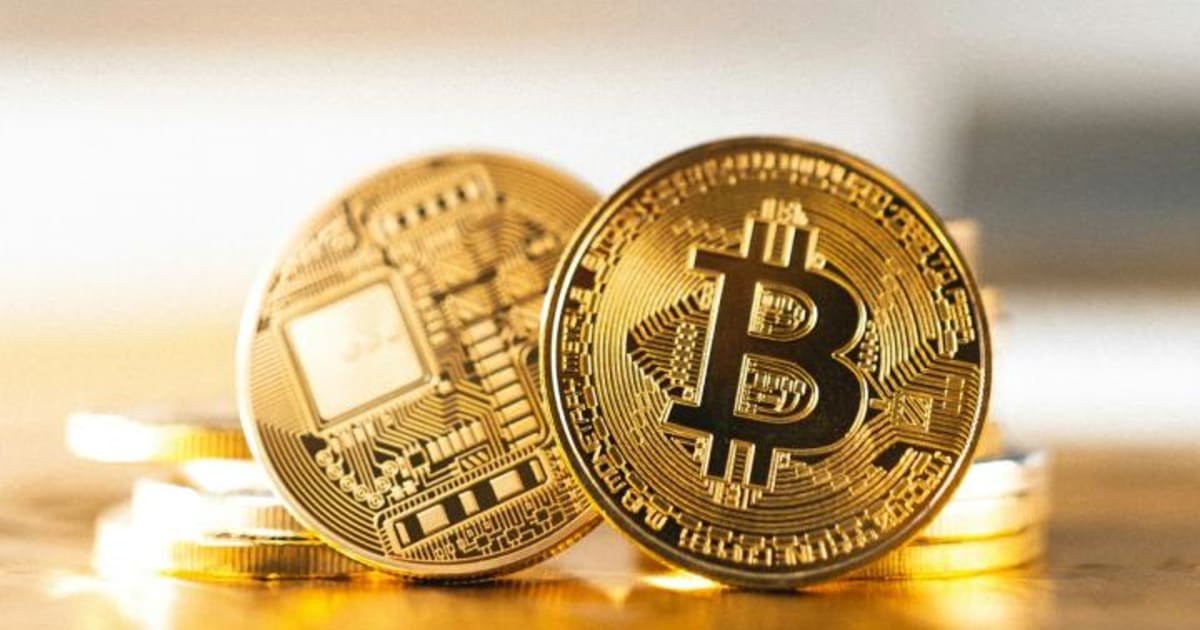
The silent drain of holding costs for Bitcoin and Ethereum is becoming a critical factor for crypto investors. As volatility persists, these operational expenses, coupled with regulatory uncertainties, are creating headwinds for the sector. This analysis delves into the implications for Indian investors and companies with even indirect digital asset exposure.
Bitcoin and Ethereum: The Unseen Drag on Crypto Portfolios
The narrative surrounding Bitcoin and Ethereum has long been dominated by their spectacular price rallies and equally dramatic crashes. However, beneath the surface of market cap fluctuations and daily trading volumes lies a less discussed, yet increasingly significant, factor impacting investor returns: the holding costs associated with these digital assets. As the cryptocurrency market matures, and as more sophisticated investors engage with digital assets, the operational realities of custody, security, and transaction fees are coming into sharper focus. This is not merely an academic exercise for blockchain enthusiasts; for those invested in the broader digital asset ecosystem, understanding these hidden expenses is paramount to navigating the current market sentiment, which remains decidedly bearish.
Why the 'Hidden Tax' on Holding Crypto Matters Now
The current market environment, characterized by persistent price volatility in major cryptocurrencies like Bitcoin (BTC) and Ethereum (ETH), amplifies the impact of holding costs. While the allure of exponential gains often overshadows these operational burdens, a prolonged period of sideways or downward price action, coupled with rising transaction fees or the need for enhanced security measures, can effectively erode portfolio value. This is particularly true for retail investors who may not have the technical expertise or capital to optimize their storage solutions. For institutional players, the complexities of secure custody for large holdings introduce significant overhead. The recent discussions surrounding the 'hidden costs' are a symptom of a market grappling with its own evolution – moving from a speculative frontier to a more integrated, albeit still nascent, financial asset class. The implications extend beyond individual wallets; they touch upon the viability of crypto exchanges, custodians, and businesses that have integrated digital assets into their operations.
Deep Market Impact Analysis: Connecting Crypto's Holding Costs to the Indian Stock Market
While the direct correlation between the operational costs of holding Bitcoin and Ethereum and the broader Indian stock market might appear tenuous at first glance, the indirect effects warrant careful consideration. India's financial landscape is increasingly embracing digital transformation, and while direct institutional adoption of cryptocurrencies remains cautious due to regulatory ambiguity, the sentiment surrounding digital assets can influence capital flows and investor risk appetite. A sustained increase in holding costs, coupled with ongoing price volatility, could deter new investors from entering the crypto space, potentially dampening enthusiasm for companies that offer crypto-related services or have even tangential exposure. Historically, periods of significant crypto market downturns, such as those seen in 2022, have seen a ripple effect on technology and fintech stocks globally, even if the direct impact on India's largely traditional market was muted. However, as India's digital economy expands, the interconnectedness is likely to deepen. For instance, a prolonged crypto 'winter' characterized by rising holding costs could lead to reduced trading volumes on Indian crypto exchanges, impacting their revenue streams, which are often commission-based. Furthermore, if companies listed on the NSE or BSE have allocated even a small portion of their treasury to digital assets, the increasing burden of securing and managing these holdings, alongside potential depreciation, could negatively affect their reported financials.
The sector most directly affected within the Indian context is the nascent cryptocurrency exchange and services sector. Companies operating these platforms face a dual challenge: managing their own operational infrastructure, which includes robust security for user assets, and dealing with a potential decline in user activity driven by higher perceived costs and lower returns. The current market capitalization of the global crypto market, while fluctuating, represents a significant pool of capital. Any factor that increases the friction for holding these assets can lead to capital reallocation, potentially away from crypto and towards more traditional, or at least more transparently regulated, investment avenues. The low impact on the broad Indian market currently stems from limited direct institutional investment and the relatively small size of the crypto ecosystem compared to traditional financial markets. However, as regulatory clarity emerges and adoption increases, this impact could magnify. The primary risk remains the inherent price volatility of cryptocurrencies, which, when combined with rising holding costs, presents a potent cocktail for investor losses.
How Will Rising Bitcoin and Ethereum Holding Costs Affect Indian Crypto Exchanges?
The operational expenses for holding cryptocurrencies, such as transaction fees (gas fees on Ethereum, for example), wallet security, and potential insurance premiums for custodians, are not static. When network congestion increases, as it has on Ethereum during certain periods, gas fees can skyrocket, making small transactions or frequent portfolio rebalancing prohibitively expensive. For exchanges, this translates into higher operational overheads if they facilitate such transactions on behalf of their users or if they hold significant reserves. Imagine an exchange needing to move a large amount of ETH for liquidity management; a surge in gas fees could add hundreds of thousands of dollars to that single operation. This directly eats into their profit margins. Furthermore, as investors become more aware of these costs, they may opt for less frequent trading, reducing commission-based revenue for exchanges. The need for enhanced security to protect against sophisticated hacks also necessitates continuous investment in technology and personnel, adding to the fixed costs of these platforms. While many Indian exchanges may not directly pass on all these costs to users due to competitive pressures, their profitability is inevitably squeezed. This scenario paints a rather grim picture for smaller exchanges struggling to achieve scale and for those with less efficient operational models. The larger players with more robust technological infrastructure and diversified revenue streams might weather the storm better, but the overall sentiment for the sector remains one of caution and potential consolidation.
Stock-by-Stock Breakdown: Indian Companies in the Digital Asset Shadow
While India does not have a direct large-cap listed entity whose primary business is Bitcoin or Ethereum mining or holding, several companies have either direct or indirect exposure to the cryptocurrency ecosystem, or are developing blockchain-based solutions. The impact of rising holding costs and associated volatility on these firms is largely dependent on their specific business models and the extent of their digital asset engagement.
- WazirX (Not Directly Listed, but part of Zan Digital): As one of India's prominent cryptocurrency exchanges, WazirX (though its ownership structure and operational independence have seen shifts) would be directly affected by any decline in trading volumes and increased operational costs. Reduced investor interest due to holding expenses would translate into lower commission revenues. While not a standalone listed entity, its performance is indicative of the challenges faced by the Indian crypto exchange sector. Its peers, such as CoinDCX and CoinSwitch Kuber, also face similar pressures, though they are privately held.
- Tuteja Brothers (Hypothetical/Illustrative - No Direct Crypto Holdings): While Tuteja Brothers does not have direct cryptocurrency holdings, many traditional businesses are exploring blockchain for supply chain, loyalty programs, or even as a potential treasury asset. If companies like this were to venture into holding digital assets, the rising holding costs and volatility would add a layer of complexity and risk to their treasury management, potentially impacting their P/E ratios if market sentiment turns negative on such speculative ventures. For example, if a company with a P/E of 30 were to announce significant crypto exposure that then faced depreciation and high holding costs, the market might re-rate its valuation downwards.
- Infosys Ltd. (NSE: INFY): Large IT service companies like Infosys are increasingly involved in blockchain development and offering consulting services to clients looking to integrate distributed ledger technology. While they do not hold cryptocurrencies themselves, a general downturn in the crypto market, driven by factors like high holding costs and regulatory uncertainty, could slow down client spending on new blockchain initiatives. If major blockchain projects face funding challenges or are scaled back due to the cost of managing underlying digital assets, it could affect the revenue growth of IT firms in this niche. Infosys's current P/E ratio of approximately 27x would be under pressure if its blockchain-related services revenue saw a significant slowdown.
- Tata Consultancy Services (TCS) (NSE: TCS): Similar to Infosys, TCS is a major player in IT services and has been actively developing blockchain solutions for enterprises. A prolonged bear market in cryptocurrencies, exacerbated by high holding costs, could lead to a cautious approach from businesses considering blockchain adoption, thereby impacting TCS's pipeline for such projects. TCS, with its P/E ratio of around 28x, would see its growth prospects in this specific vertical moderated.
- HDFC Bank (NSE: HDFCBANK): While a traditional bank, HDFC Bank, like other major financial institutions, is exploring the potential of blockchain technology for various applications, including cross-border payments and tokenization of assets. If the broader digital asset market becomes unattractive due to high holding costs and volatility, it could slow down innovation and investment in associated financial infrastructure, indirectly impacting the pace at which banks like HDFC Bank integrate these technologies. However, HDFC Bank's current P/E of around 22x is less susceptible to direct crypto market movements.
- Reliance Industries Ltd. (NSE: RELIANCE): Reliance, with its vast digital ecosystem (Jio) and investments in various technology ventures, could potentially explore blockchain applications or even tokenized assets in the future. Any significant negative sentiment or increased friction in the digital asset space, driven by holding costs, could influence the attractiveness of future investments in related technologies. Reliance's diversified nature, with a P/E of approximately 25x, provides a buffer against sector-specific downturns, but sustained negative trends could still impact investor perception of its future tech bets.
Expert Perspective: Bears vs. Bulls on Crypto's Holding Cost Conundrum
The current discourse around the operational costs of holding Bitcoin and Ethereum is a microcosm of the broader debate within the cryptocurrency space.:
Bulls argue that these holding costs are merely a temporary inconvenience, a sign of a network maturing and scaling. They point to ongoing Layer 2 solutions on Ethereum, designed to drastically reduce transaction fees, and the development of more efficient storage and security protocols. For them, the current costs are a small price to pay for the revolutionary potential of decentralized finance (DeFi) and digital ownership. They see the volatility as an opportunity for long-term accumulation, believing that the underlying technology and adoption will eventually overshadow these short-term operational burdens. Furthermore, they might argue that for truly decentralized assets, user responsibility for security and cost management is inherent to the ethos, fostering a more engaged and informed investor base.
Bears, conversely, highlight these holding costs as a fundamental flaw, a 'hidden tax' that erodes the very promise of low-friction digital transactions. They contend that the persistent high fees on networks like Ethereum, despite scaling solutions, demonstrate inherent architectural limitations. For them, the volatility, coupled with these rising operational expenses, makes cryptocurrencies a poor store of value and a high-risk speculative asset rather than a viable investment. They might draw parallels to early internet ventures that failed due to unsustainable operational models, suggesting that the crypto market could be heading for a similar reckoning if these costs are not brought under control. The regulatory uncertainty, they argue, only exacerbates these risks, making it difficult for businesses and individuals to plan long-term.
Actionable Investor Playbook: Navigating the Crypto Cost Landscape
For investors holding or considering exposure to Bitcoin and Ethereum, a strategic approach is essential:
- For Existing Crypto Holders:
- Review Custody Solutions: If holding significant amounts on exchanges, consider moving to a hardware wallet (e.g., Ledger, Trezor) to reduce reliance on exchange security and potentially lower associated fees. This is a one-time cost that can save significant ongoing expenses and mitigate counterparty risk.
- Optimize Transaction Frequency: Minimize the frequency of on-chain transactions, especially on networks like Ethereum where gas fees can be unpredictable. Batch transactions where possible.
- Dollar-Cost Averaging (DCA) with Caution: Continue DCA if committed to the asset class, but be mindful of transaction fees when executing buys. Consider larger, less frequent buys to minimize fee impact.
- Consider Stablecoins for Operational Needs: For DeFi interactions or frequent trading, explore stablecoins (USDT, USDC) which typically have lower transaction fees and predictable values, though they carry their own risks.
- For Potential New Entrants:
- Understand Total Cost of Ownership: Before investing, factor in potential transaction fees, wallet costs, and the risk of network congestion impacting usability.
- Focus on Long-Term Fundamentals: Invest based on the perceived long-term value and technological adoption of Bitcoin and Ethereum, rather than short-term price speculation, to better stomach volatility and costs.
- Start Small: Begin with a small allocation that you are comfortable losing, and gradually increase exposure as you gain more understanding of the ecosystem and its costs.
- For Indian Stock Market Investors with Crypto Exposure:
- Monitor Crypto Exchange Performance: Keep an eye on the financial reports of any publicly traded companies with significant ties to crypto exchanges or blockchain services for any signs of revenue slowdowns or increased operational costs.
- Evaluate Blockchain Project Viability: For IT firms, assess the pipeline of blockchain projects and the overall market sentiment towards enterprise blockchain adoption.
Entry Points/Time Horizons: Given the current bearish sentiment and the ongoing debate about holding costs, a long-term investment horizon (3-5+ years) is advisable for direct crypto holdings. Entry points should be considered during periods of significant price dips, but always with the understanding that further downside is possible. For Indian stocks with crypto exposure, the impact is more nuanced; monitor their overall business performance and sector trends rather than reacting solely to crypto market movements.
Risk Matrix: Quantifying the Threats
The cryptocurrency landscape, even when focusing on holding costs, is fraught with risks:
- Price Volatility (Probability: High): The inherent nature of cryptocurrencies means significant price swings are almost guaranteed. This risk is amplified by rising holding costs, as depreciation combined with expenses can lead to substantial capital loss.
- Regulatory Uncertainty (Probability: Medium-High): Evolving regulations in India and globally can impact the accessibility, legality, and taxation of cryptocurrencies, affecting their value and the operational viability of exchanges.
- Technological Obsolescence/Network Congestion (Probability: Medium): The rapid pace of technological development means older blockchain protocols could become less efficient or secure. Persistent network congestion leading to high transaction fees (like on Ethereum's mainnet) poses a direct threat to the cost-effectiveness of holding and transacting.
- Security Breaches and Hacks (Probability: Medium): While not directly a holding cost, the need for robust security measures to prevent hacks is a significant operational expense for exchanges and custodians, and a constant threat to individual investors holding assets digitally.
What to Watch Next: Catalysts and Data Releases
Several factors will shape the future narrative around cryptocurrency holding costs and their market impact:
- Ethereum's EIP-4844 (Proto-Danksharding) Rollout: This upgrade is specifically designed to reduce transaction fees on Layer 2 scaling solutions, which could significantly alleviate the holding cost concerns for Ethereum users. Its success and adoption rate will be critical.
- Indian Regulatory Clarity: Any definitive statements or policy changes from the Indian government or the RBI regarding cryptocurrency taxation, regulation, or potential central bank digital currency (CBDC) implementation will profoundly impact investor sentiment and exchange operations.
- Global Macroeconomic Trends: Interest rate decisions by major central banks, inflation data, and geopolitical stability will continue to influence risk asset appetite, including cryptocurrencies. A shift towards higher interest rates typically makes riskier assets less attractive.
- Institutional Adoption Announcements: Positive news from major financial institutions or corporations announcing adoption of blockchain technology or, more directly, of holding cryptocurrencies as treasury assets, could signal a shift in market sentiment and potentially alleviate concerns about operational costs through economies of scale.
Run a free AI Stock Screen
Our algorithmic screener scores any NSE/BSE stock on fundamentals, momentum, and risk — free to try, no card needed.
Try the AI Screener →Have questions about this story?
Ask Welth, our finance-focused AI research assistant, for a deeper breakdown — free trial included.
Chat with Welth AI →Disclaimer: This content is generated by WelthWest Research Desk based on publicly available reports and is for informational purposes only. It does not constitute financial advice, investment recommendations, or an offer to buy or sell securities. Always consult a qualified financial advisor before making investment decisions.