Key Takeaway
The unprecedented surge in Bitcoin and Ethereum inflows is redrawing the global capital landscape, presenting a potent risk of capital reallocation away from traditional assets and directly impacting Indian equity markets. Investors must urgently reassess their portfolios as speculative capital gravitates towards digital assets, potentially altering Foreign Institutional Investor (FII) flows and creating volatility in specific Indian sectors.
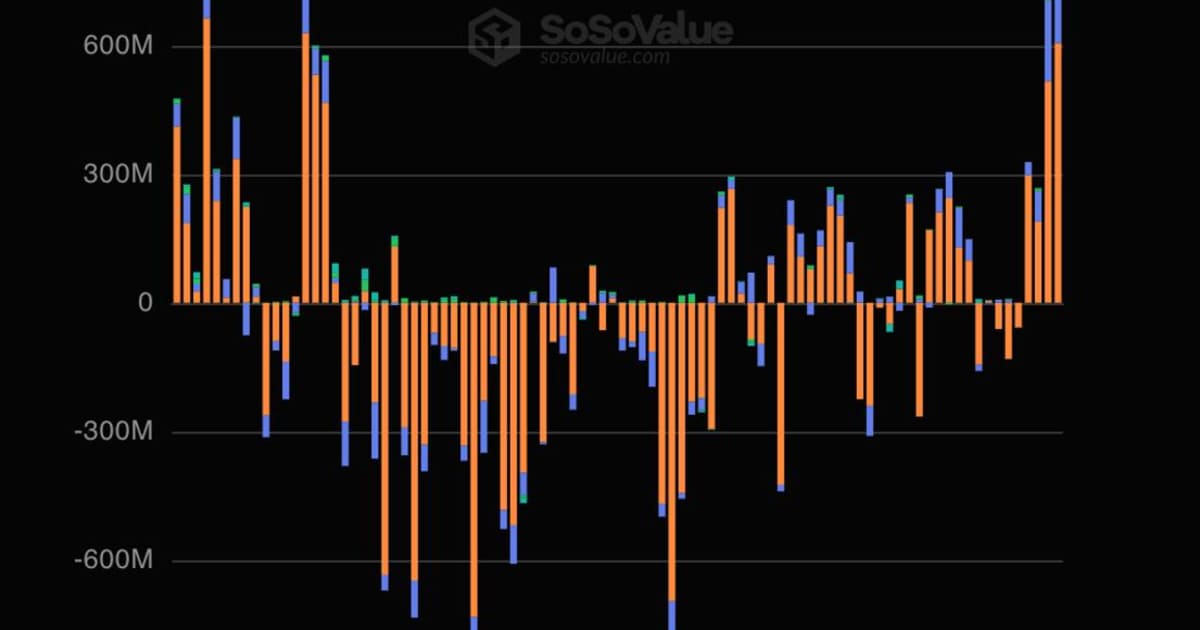
Bitcoin and Ethereum are experiencing massive capital inflows, signaling a robust resurgence in cryptocurrency investor appetite. This phenomenon is not confined to the digital asset space; it's poised to significantly influence global financial markets, including Indian equities. Our in-depth analysis reveals the potential impact on FII flows, sector performance, and specific Indian stocks that investors need to monitor closely.
Bitcoin & Ethereum Surge: A New Era of Crypto Capital Dominance and Its Ripple Effect on Indian Equities
The cryptocurrency markets are witnessing a dramatic resurgence, with Bitcoin (BTC) and Ethereum (ETH) spearheading a significant inflow of capital. Recent data indicates that these flagship digital assets have attracted an astonishing $800 million in inflows, a figure that not only underscores a renewed investor confidence but also signals a potent shift in global risk appetite. This isn't merely a speculative bubble; it represents a fundamental reallocation of capital that has profound implications for traditional financial markets, particularly for emerging economies like India, which are highly sensitive to global capital flows.
Why This Crypto Surge Matters NOW: A Global Capital Reassessment
The sheer volume and velocity of these recent inflows into Bitcoin and Ethereum are unprecedented in recent memory. This surge goes beyond mere price appreciation; it reflects a growing conviction among a diverse investor base – from retail traders to institutional players – that digital assets are maturing as an asset class. The narrative is shifting from a niche, speculative play to a recognized store of value and a potential hedge against inflation and currency devaluation. This renewed enthusiasm is occurring against a backdrop of persistent global economic uncertainty, including lingering inflation concerns and geopolitical tensions. In such an environment, investors are actively seeking assets that offer high growth potential and diversification benefits. Cryptocurrencies, with their decentralized nature and uncorrelated price movements historically, are increasingly fitting this bill. The substantial inflows are a clear indicator of a broader 'risk-on' sentiment permeating financial markets, prompting a critical re-evaluation of asset allocation strategies worldwide.
The Deep Market Impact: How Crypto Inflows Reshape Indian Equity Dynamics
The reverberations of this crypto boom are far from contained. A primary concern for the Indian market is the potential impact on Foreign Institutional Investor (FII) flows. When speculative capital finds a highly attractive and potentially higher-return destination like cryptocurrencies, there's a natural tendency for it to move away from traditional markets perceived as less dynamic or offering lower risk-adjusted returns. Historically, periods of significant capital rotation into alternative assets have often coincided with periods of FII outflows from emerging markets. For instance, during the 2021 crypto bull run, which saw Bitcoin and Ethereum reach all-time highs, India's equity markets experienced considerable volatility, partly attributed to shifts in global liquidity and investor sentiment. While direct correlation is complex, the underlying principle remains: a concentrated influx of capital into one asset class often implies a drain from others.
The Indian stock market, with its significant reliance on FII participation, could experience a palpable effect. A sustained outflow of foreign capital can lead to increased volatility, pressure on the rupee, and a dampening of overall market sentiment. Sectors that typically attract speculative capital or compete for investor attention with high-growth narratives might face greater headwinds. This includes technology stocks, certain consumer discretionary segments, and even some mid-cap and small-cap companies that have historically benefited from broad-based market exuberance.
Furthermore, the allure of high returns in the crypto space can draw capital away from more traditional 'safe-haven' assets. While India's market has its unique drivers, global trends in asset allocation can still influence domestic investor behavior. If investors perceive cryptocurrencies as a more compelling alternative to gold or even fixed-income instruments in certain risk profiles, it could indirectly affect demand for these traditional assets, potentially leading to capital reallocation within domestic portfolios.
Winners and Losers in the Crypto-Driven Capital Shift
The direct beneficiaries of this crypto surge are, predictably, the cryptocurrency exchanges and related infrastructure providers. Companies involved in crypto mining, asset management, and blockchain technology development are poised for significant growth. Globally, we've seen major crypto exchanges report record trading volumes and user growth during such periods. For India, this translates to increased activity on domestic platforms, although most operate in a regulatory grey area.
Conversely, sectors that compete for the same speculative capital or are perceived as less dynamic in comparison to the explosive growth potential of digital assets might find themselves in a more challenging position. This could include traditional financial services firms that are slow to adapt, or sectors that haven't demonstrated significant innovation or growth recently. The key determinant is the competition for investor dollars, and right now, the crypto narrative is exceptionally strong.
How Will RBI Rate Decisions Affect Crypto-Related Investments in India?
The Reserve Bank of India's (RBI) monetary policy decisions play a crucial role in the broader investment climate. While the RBI doesn't directly regulate cryptocurrencies, its stance on interest rates influences the cost of capital and the attractiveness of various asset classes. If the RBI were to maintain a hawkish stance or delay rate cuts, it would generally make borrowing more expensive and traditional fixed-income instruments more appealing, potentially drawing some capital away from highly speculative assets like cryptocurrencies. Conversely, any indication of a dovish policy or imminent rate cuts would typically boost risk appetite across all markets, potentially amplifying the positive sentiment already driving crypto inflows and benefiting Indian equities. The interplay between global crypto trends and domestic monetary policy creates a complex environment for investors to navigate.
Connecting the Dots: Indian Stocks Under the Crypto Microscope
While India lacks direct listed cryptocurrency exchanges akin to Coinbase or Binance, several Indian companies and platforms are indirectly exposed to the burgeoning digital asset ecosystem. The impact on these entities is contingent on the overall growth and adoption of cryptocurrencies within India and globally, as well as their specific business models.
- WazirX (Indirect):** As one of India's prominent crypto exchanges, WazirX's fortunes are directly tied to the trading volumes and user acquisition within the Indian crypto market. While not directly listed on NSE/BSE, its parent company, Binance, has significant global operations. Increased inflows into Bitcoin and Ethereum globally translate to higher user interest and potential trading activity on platforms like WazirX, boosting their revenue streams from transaction fees. The company's valuation and future prospects are heavily influenced by the overall health and regulatory environment of the crypto market.
- CoinDCX (Indirect):** Similar to WazirX, CoinDCX is a leading Indian cryptocurrency exchange. Its revenue model is primarily based on trading fees and other ancillary services. A surge in crypto prices and trading volumes, fueled by substantial inflows, directly translates to higher transaction volumes and, consequently, increased revenue for CoinDCX. The company's ability to attract and retain users during these bull runs is crucial for its long-term growth and potential future public listing.
- HODL (Indirect):** While the ticker 'HODL' might not correspond to a specific large-cap Indian company, it represents the broader sentiment and investment in cryptocurrencies. In the Indian context, companies that offer blockchain-related services, cryptocurrency consulting, or are involved in developing decentralized applications (dApps) would fall under this indirect category. For instance, companies that provide IT services to international crypto firms or are exploring blockchain solutions for supply chain management or digital identity could see an uptick in demand for their services as the crypto ecosystem expands.
- Reliance Industries (Potential Indirect):** While not a direct crypto play, Reliance Industries, through its investments in Jio Platforms and its broader digital ecosystem, could potentially integrate blockchain technology or offer crypto-related services in the future. As the company explores new avenues for growth, a thriving global crypto market could present strategic partnership or acquisition opportunities, indirectly linking its vast digital infrastructure to the crypto economy. For example, if Jio were to explore decentralized identity solutions or NFT marketplaces, its potential would be amplified by a strong crypto market.
- TCS/Infosys (Potential Indirect):** India's IT giants, Tata Consultancy Services (TCS) and Infosys, are crucial players in global technology services. As the demand for blockchain development, smart contract auditing, and decentralized application creation surges, these companies are well-positioned to capitalize. While their direct revenue from crypto services might be a small percentage of their total, a sustained boom could lead to increased project pipelines and partnerships with global crypto firms, enhancing their overall revenue growth and market positioning. Their expertise in enterprise blockchain solutions is a significant asset.
Expert Perspective: Bulls vs. Bears on the Crypto Surge Impact
Bullish Case: Proponents argue that the current inflows represent a structural shift, not a cyclical one. They point to increasing institutional adoption, the development of robust regulatory frameworks in some jurisdictions, and the growing utility of blockchain technology beyond speculation. For India, this could mean increased interest in digital rupee initiatives and a potential for regulated crypto exchanges to flourish, attracting domestic and foreign investment. Bulls believe that the capital flowing into crypto is additive, expanding the overall investment pie rather than merely cannibalizing traditional assets. They see the rise of crypto as a catalyst for innovation across financial services, potentially benefiting tech-savvy Indian companies.
Bearish Case: Skeptics emphasize the inherent volatility of cryptocurrencies and the significant risk of sharp corrections. They highlight the persistent regulatory uncertainty in many major economies, including potential crackdowns or unfavorable legislation, which could trigger market downturns. Bears also argue that the current inflows are primarily driven by speculative fervor, akin to past bubbles, and that this capital will inevitably retreat to safer havens during periods of economic stress. They fear that a significant crypto crash could have contagion effects, impacting investor confidence in riskier assets globally, including Indian equities, and leading to substantial FII outflows.
An Actionable Investor Playbook for the Crypto Capital Shift
Navigating this evolving landscape requires a strategic and informed approach. Investors should consider the following:
- Diversification is Paramount: Ensure portfolios are not overly concentrated in any single asset class. For Indian investors, this means balancing exposure to equities, debt, and potentially a small, risk-managed allocation to digital assets if comfortable with the risk.
- Monitor FII Flows Closely: Track weekly FII data for any significant shifts. A sustained outflow trend could be an early warning sign for the broader Indian equity market.
- Identify Indirect Exposure: For those hesitant to invest directly in crypto, identify Indian companies with indirect exposure. This could include IT service providers developing blockchain solutions or companies exploring digital asset integration. For example, look for companies with strong balance sheets and a history of adapting to technological shifts.
- Sectoral Vigilance: Be mindful of sectors that might face headwinds due to capital reallocation. Technology and consumer discretionary stocks, particularly those with high valuations and speculative appeal, might be more vulnerable to outflows if risk sentiment turns negative.
- Entry Points for IT Majors: For IT giants like TCS and Infosys, periods of broader market correction, potentially exacerbated by crypto volatility, could present attractive entry points for long-term investors, given their strong fundamentals and global demand for their services. Aim for dips, perhaps in the 5-10% range from recent highs, as opportunities.
- Time Horizon: The impact of crypto inflows on Indian markets is likely to be a medium-term trend (6-18 months). Short-term volatility is expected, but sustained capital shifts will have longer-lasting effects.
The Risk Matrix: Navigating the Volatile Crypto Terrain
The cryptocurrency market, while offering high potential rewards, is fraught with significant risks:
- Regulatory Uncertainty (High Probability, High Impact): Governments worldwide are still grappling with how to regulate cryptocurrencies. Unexpectedly stringent regulations or outright bans in major economies could trigger sharp price corrections and impact global liquidity.
- Market Volatility (Very High Probability, High Impact): Cryptocurrencies are notoriously volatile. The current surge could be followed by a swift and significant downturn, leading to substantial losses for investors. A 20-30% correction within weeks is not uncommon.
- Technological Risks (Medium Probability, Medium Impact): Risks such as smart contract exploits, exchange hacks, and network vulnerabilities can lead to loss of funds and erode investor confidence.
- Macroeconomic Shocks (Medium Probability, High Impact): A global recession, significant geopolitical escalation, or a severe financial crisis could lead to a broad risk-off sentiment, causing investors to flee speculative assets like cryptocurrencies en masse.
What to Watch Next: Catalysts Shaping the Crypto-Indian Equity Narrative
Several upcoming events and data releases will be crucial in shaping the narrative and impact:
- Global Inflation Data: Key inflation reports from the US and Europe (e.g., CPI, PCE) will influence central bank policies, impacting global liquidity and risk appetite.
- US Federal Reserve Policy Decisions: FOMC meeting minutes and interest rate announcements will be closely watched for signals on monetary policy direction.
- Cryptocurrency Regulatory Developments: Any significant policy announcements or legislative actions regarding cryptocurrencies in major jurisdictions (US, EU, Asia) could be a major catalyst.
- Indian Economic Data: India's GDP growth figures, inflation rates, and the RBI's monetary policy statements will provide domestic context for market sentiment and FII flows.
- Earnings Season for Indian IT Companies: Upcoming earnings reports for TCS, Infosys, Wipro, and others will reveal their performance and outlook, including any commentary on blockchain-related project pipelines.
The confluence of a booming cryptocurrency market and the intricate dynamics of the Indian equity landscape presents both opportunities and challenges. Investors who remain informed, agile, and strategically diversified will be best positioned to navigate this evolving financial frontier.
See WazirX (Indirect)'s AI Score
Our algorithmic screener scores WazirX (Indirect) on fundamentals, momentum, and risk — free to try, no card needed.
Try the AI Screener →Have questions about this story?
Ask Welth, our finance-focused AI research assistant, for a deeper breakdown — free trial included.
Chat with Welth AI →Disclaimer: This content is generated by WelthWest Research Desk based on publicly available reports and is for informational purposes only. It does not constitute financial advice, investment recommendations, or an offer to buy or sell securities. Always consult a qualified financial advisor before making investment decisions.