Key Takeaway
IREN's stock plunge due to AI transition costs signals a global capital expenditure crunch for crypto miners. Indian investors must reassess exposure to high-compute infrastructure plays, as profitability dynamics shift and dilution risks escalate.
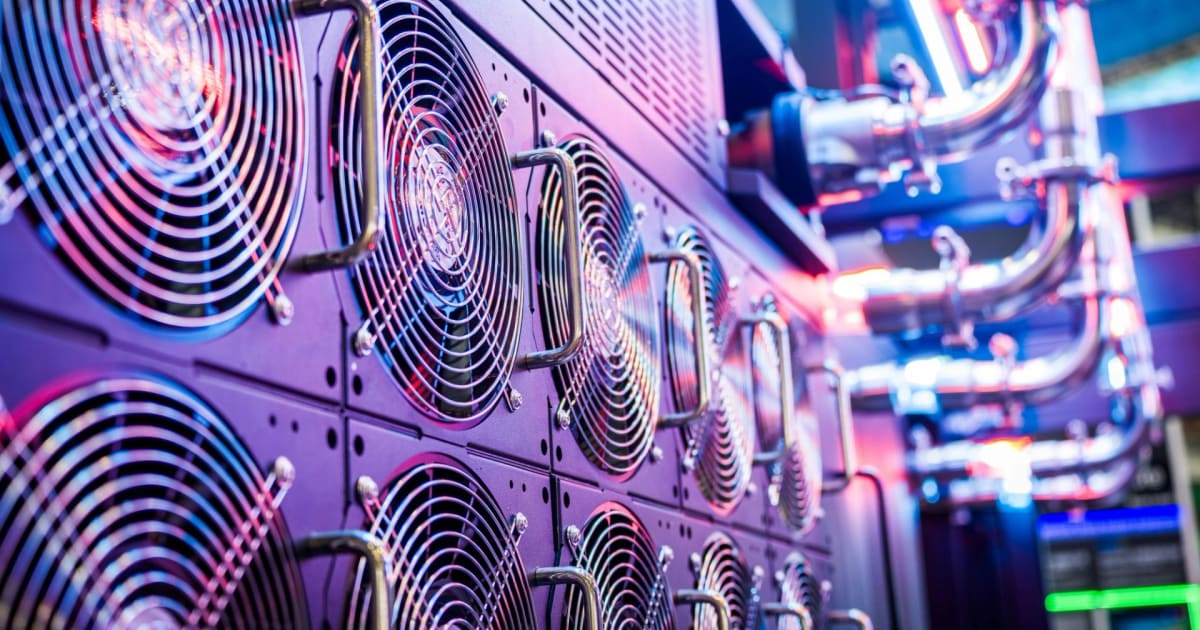
The recent stock decline of Bitcoin miner IREN, driven by expensive AI infrastructure investments, is more than an isolated event. It's a stark warning for the global crypto mining sector and, crucially, for Indian entities eyeing similar high-compute diversifications. This WelthWest analysis dives deep into the financial implications and provides an actionable playbook for Indian investors navigating this evolving landscape.
Bitcoin Miners' AI Ambitions: IREN's Costly Pivot Signals Global Shift & Indian Market Ripple Effects
The digital asset landscape is a perpetual churn of innovation and disruption, but beneath the surface of soaring crypto prices, a fundamental shift is underway, presenting both opportunity and significant risk. The recent stock performance of IREN (Iris Energy), a prominent US-based Bitcoin mining firm, serves as a potent harbinger of this change. Its shares have experienced a notable decline, not due to a drop in Bitcoin’s value, but rather from the substantial capital expenditure associated with its strategic pivot into artificial intelligence (AI) infrastructure. This development is far from an isolated incident; it underscores a burgeoning trend among crypto miners globally to diversify revenue streams by leveraging their high-compute capabilities for AI workloads. For Indian investors, this trend carries profound implications, necessitating a re-evaluation of portfolios with direct or indirect exposure to crypto mining, data centers, and high-performance computing (HPC) infrastructure.
The 'why now' is critical. As Bitcoin's halving events compress mining rewards, and energy costs remain volatile, the pure-play crypto mining model faces increasing pressure on its margins. Diversifying into AI, with its insatiable demand for computational power, appears to be a logical evolution. However, IREN's experience highlights the brutal financial reality: the transition is capital-intensive, fraught with execution risks, and can significantly impact near-term profitability and investor sentiment. This WelthWest deep dive will dissect the market impact, connect the dots to specific Indian equities, and equip investors with an actionable playbook to navigate this evolving investment frontier.
What are the Financial Implications of Crypto Miners Pivoting to AI for Indian Stocks?
The IREN scenario paints a clear picture: the pursuit of AI revenue, while strategically sound long-term, demands substantial upfront investment. This capital outlay often translates into increased debt, potential equity dilution, and a near-term drag on earnings per share (EPS). For companies with existing high debt-to-equity ratios, or those with tight cash flows, such a pivot could prove perilous. The market's immediate reaction to IREN’s news, manifesting in an 8% stock drop, reflects this apprehension. Investors are questioning the immediate return on investment for these costly transitions.
Historically, ambitious capital-intensive pivots in emerging tech sectors have often led to periods of underperformance for the transitioning companies, even if the long-term vision eventually materializes. Recall the dot-com bust of the early 2000s, where many companies burned through capital in pursuit of internet dominance, with only a select few emerging victorious. While not a direct parallel, the principle of capital deployment risk remains resonant. The key takeaway for the Indian market is to identify entities that might mirror this trajectory. Any Indian company with significant data center operations, cloud infrastructure, or even those exploring blockchain-based AI solutions, could face similar investor scrutiny regarding their capital allocation and profitability outlook during such transitions.
The broader sentiment towards high-CAPEX AI plays, especially from companies not traditionally within the core AI sector, is likely to turn bearish. This doesn't imply a rejection of AI, but rather a more discerning approach to its integration and funding. Companies that can demonstrate a clear, cost-effective path to AI integration, or those with robust balance sheets to absorb the investment, will be favored. Others, particularly those with smaller market caps and limited access to cheap capital, face significant headwinds.
Which Indian Stocks Are Most Exposed to the Crypto-to-AI Transition Risks?
While India does not have direct publicly traded pure-play Bitcoin miners in the same vein as IREN, the ripple effects are felt across sectors that provide infrastructure or services to high-compute industries, or those exploring similar diversification strategies. Identifying these companies requires a nuanced understanding of their operational footprints and strategic ambitions.
- Tata Communications Ltd. (TCOM.NS): As a leading global digital ecosystem enabler, Tata Communications operates extensive data centers and provides managed hosting and cloud services. While not directly a crypto miner, any significant shift by its global clients towards AI infrastructure demands could necessitate substantial upgrades to its own capabilities, potentially impacting its capital expenditure cycle. The company's current market capitalization stands at approximately INR 50,000 crores, with a P/E ratio reflecting its growth potential. An aggressive pivot into specialized AI infrastructure without clear customer commitments could pressure margins, given the competitive landscape in data center services.
- Persistent Systems Ltd. (PERSISTENT.NS): A global software and services company, Persistent Systems has been actively involved in blockchain and digital transformation initiatives. If they were to venture directly into providing high-performance computing infrastructure for AI or crypto clients, the capital demands could be substantial. While their core business is services, a strategic shift towards asset-heavy operations would be a significant change and could be viewed cautiously by investors. The stock's current valuation, often trading at a premium due to its strong services pipeline, could face headwinds if capital allocation shifts dramatically.
- Larsen & Toubro Infotech Ltd. (LTI.NS) / Mindtree Ltd. (MINDTREE.NS) (now LTIMindtree): These IT services giants (now merged) have extensive digital transformation practices, including for clients in fintech and emerging tech. While their business model is asset-light, a surge in demand for specialized AI infrastructure consulting or implementation could lead them to invest in niche capabilities or even partnerships requiring capital outlays. The risk here is indirect, primarily through client demand and the potential need to scale internal infrastructure to support advanced AI projects, which could impact their traditionally strong service margins.
- Sterlite Technologies Ltd. (STLTECH.NS): A global leader in optical fiber and digital technology solutions, Sterlite Tech is crucial for enabling high-speed data transfer, a fundamental requirement for both crypto mining and AI operations. While it benefits from the underlying demand for data infrastructure, a slowdown in CAPEX from its key clients (telecom, data centers) due to their own AI transition costs could indirectly affect Sterlite’s order book and revenue growth. The company's performance is closely tied to infrastructure rollout, making it sensitive to broader industry capital expenditure trends.
- AdaniConneX (Private Entity, but parent Adani Enterprises (ADANIENT.NS) has exposure): AdaniConneX, a joint venture between Adani Enterprises and EdgeConneX, is building a network of hyperscale data centers in India. As these data centers are designed to cater to high-compute demands, any significant allocation towards specialized AI hardware (e.g., NVIDIA H100s) or crypto mining infrastructure could entail massive capital outlays. While not publicly traded directly, Adani Enterprises' overall capital allocation strategy and investor sentiment could be influenced by such large-scale, capital-intensive projects, especially if immediate profitability metrics are challenged.
The common thread among these companies is their potential exposure to the capital-intensive nature of advanced computing infrastructure. Investors must scrutinize their balance sheets, cash flow statements, and strategic announcements for any indication of significant capital commitments towards AI or high-performance computing that could mirror IREN's experience.
Expert Perspectives: Bulls vs. Bears on AI Diversification
“The transition costs are undeniable, but the long-term revenue potential from AI workloads for companies with existing compute infrastructure is immense. Those who successfully pivot will capture a significant share of a rapidly expanding market, making current stock dips a buying opportunity for patient investors.” – Bullish Analyst
The Bulls argue: The current dip in IREN's stock, and potential future dips in similar companies, represent a classic 'buy the rumor, sell the news' or 'short-term pain for long-term gain' scenario. They highlight the exponential growth trajectory of AI, predicting that the demand for specialized compute will far outstrip supply. Companies with established data center infrastructure and access to reliable, low-cost power (a legacy of crypto mining) are uniquely positioned to become AI infrastructure providers. The high barriers to entry in building such infrastructure mean that early movers, despite initial costs, will command premium pricing for AI services in the future. They would point to the massive growth of cloud providers like AWS and Azure, arguing that these companies are building the 'picks and shovels' for the AI gold rush.
“The cost of entry into serious AI infrastructure is astronomical, and the competition from established tech giants is fierce. Many crypto miners lack the expertise and capital to compete effectively, risking significant capital impairment and dilution without guaranteed returns. This is a speculative bet, not a sure thing.” – Bearish Analyst
The Bears counter: The capital expenditure required for state-of-the-art AI infrastructure, particularly for advanced GPUs like NVIDIA's H100s, is astronomical. A single H100 can cost upwards of $30,000-$40,000. Scaling this to a data center level demands billions. Many crypto miners, while having power infrastructure, lack the sophisticated cooling, networking, and software expertise required for optimal AI workload management. Moreover, they face formidable competition from hyperscalers (Google, Amazon, Microsoft) and dedicated AI infrastructure providers who have deeper pockets, existing client bases, and more advanced technical capabilities. The risk of stranded assets or underutilized expensive hardware is high, potentially leading to prolonged periods of negative cash flow and further equity dilution to fund operations. They would also highlight the rapid pace of technological obsolescence in AI hardware, making long-term ROI uncertain.
Actionable Investor Playbook: Navigating the AI-Crypto Convergence
For Indian investors, the IREN situation demands a tactical re-evaluation of portfolios. Here's how to approach the evolving landscape:
- SELL/AVOID: Companies with high debt-to-equity ratios that announce aggressive, capital-intensive AI pivots without clear funding mechanisms or established client contracts. These are high-risk propositions that could face significant dilution or even solvency challenges. Be wary of smaller, less established players in the data center or digital infrastructure space making grand AI pronouncements.
- WATCH: Large-cap IT services companies and established data center providers (like Tata Communications) that are strategically integrating AI capabilities. Monitor their capital expenditure plans, client wins in the AI space, and profitability metrics. Look for organic growth in AI services rather than asset-heavy infrastructure shifts. Entry points might emerge during broader market corrections or if initial AI investments weigh on short-term earnings. Consider a long-term horizon (3-5 years) for these plays.
- BUY (with caution): Companies that are pure-play enablers of AI infrastructure, but are asset-light or have proven revenue models. This could include specialized software providers for AI workload orchestration, or chip designers (though direct Indian plays are limited). For asset-heavy plays, look for established companies with strong balance sheets, diversified revenue streams, and a clear, incremental strategy for AI integration, rather than a 'big bang' pivot. Focus on companies with a P/E below industry average but strong growth prospects in AI-adjacent sectors.
- TIME HORIZON: For speculative AI infrastructure plays by former crypto miners or new entrants, the horizon is highly uncertain and typically very long (5+ years) with high risk. For established Indian companies cautiously entering the space, a 2-3 year horizon for initial returns might be reasonable, with full benefits potentially realized over 5 years.
Risk Matrix: Assessing the Downsides of AI Transition
The transition to AI infrastructure by crypto miners and similar entities is fraught with several identifiable risks:
- Capital Impairment & Dilution Risk (High Probability, Medium Impact): The massive upfront investment in specialized AI hardware (GPUs, cooling systems) can quickly become outdated or underutilized if demand doesn't materialize as expected, or if technological advancements render current investments obsolete. This can lead to significant write-downs and necessitate further equity raises, diluting existing shareholders. For instance, a company investing INR 1,000 crores in AI hardware could see its value halved if market conditions shift or superior tech emerges within 2-3 years.
- Operational & Execution Risk (Medium Probability, High Impact): Managing sophisticated AI data centers requires different expertise than crypto mining. Challenges in power management, cooling, network latency, and talent acquisition for AI engineers can lead to operational inefficiencies, downtime, and failure to attract premium AI clients. A major operational misstep could severely impact revenue generation and reputation.
- Competition from Hyperscalers (High Probability, High Impact): Google Cloud, AWS, and Microsoft Azure already offer robust AI infrastructure services, backed by immense capital, established client bases, and cutting-edge R&D. New entrants, especially those from the crypto mining sector, will find it incredibly difficult to compete on scale, pricing, or innovation, leading to compressed margins and limited market share.
- Regulatory & Energy Price Volatility (Medium Probability, Medium Impact): While less direct for AI, the legacy of crypto mining means these companies are often located in regions with specific energy profiles. Changes in local energy policies, carbon taxes, or fluctuating energy prices can significantly impact the operational costs of running power-intensive AI data centers, eroding profitability.
What to Watch Next: Catalysts and Data Points
Investors should closely monitor the following to gauge the trajectory of this trend:
- Q3/Q4 2024 Earnings Reports of Global Crypto Miners: Pay close attention to IREN and its peers (e.g., Marathon Digital, Riot Platforms) for updates on AI infrastructure deployment, utilization rates, and, critically, the revenue generated from AI workloads versus the associated costs. Any positive surprises in AI revenue could shift sentiment.
- NVIDIA's Earnings & Guidance: As the primary supplier of high-end AI GPUs, NVIDIA's (NVDA) earnings calls and forward guidance will offer insights into overall AI infrastructure demand, pricing trends, and potential supply chain bottlenecks. Strong demand for H100s/B200s could signal robust AI sector growth, but also higher CAPEX for buyers.
- Indian Government's AI Policy & Data Center Incentives: India's evolving stance on AI, data localization, and incentives for data center development (e.g., under the India AI mission or Digital India initiatives) could significantly influence the viability and profitability of AI infrastructure plays within the country.
- New AI-Specific Cloud Offerings from Hyperscalers: Any aggressive pricing or new service launches from AWS, Azure, or Google Cloud specifically targeting AI workloads could further intensify competition, making it harder for smaller players to carve out a niche.
- Indian IT Services Companies' CAPEX & M&A Activity: Watch for any significant capital expenditure announcements or acquisition activity by Indian IT majors related to specialized AI infrastructure or expertise. This would signal their strategic commitment and potential for asset-heavy pivots.
The IREN story is a microcosm of a larger, global narrative unfolding in the digital economy. For Indian investors, understanding these shifts and their potential impact on local equities is paramount to protecting and growing capital in an increasingly complex and interconnected market.
Run a free AI Stock Screen
Our algorithmic screener scores any NSE/BSE stock on fundamentals, momentum, and risk — free to try, no card needed.
Try the AI Screener →Have questions about this story?
Ask Welth, our finance-focused AI research assistant, for a deeper breakdown — free trial included.
Chat with Welth AI →Disclaimer: This content is generated by WelthWest Research Desk based on publicly available reports and is for informational purposes only. It does not constitute financial advice, investment recommendations, or an offer to buy or sell securities. Always consult a qualified financial advisor before making investment decisions.
