Key Takeaway
Rising US Fed rate hike probabilities are strengthening the dollar, pulling capital from speculative assets like Bitcoin. This global shift signals a risk-off environment, potentially dampening FII flows into Indian equities and impacting tech valuations, requiring investors to reassess exposure to growth-sensitive sectors.
Bitcoin has seen a notable correction as US Federal Reserve rate hike probabilities surge to 60%. This shift in global monetary policy sentiment is strengthening the dollar and making traditional assets more attractive, diverting speculative capital from cryptocurrencies. WelthWest Research Desk delves into how this global phenomenon could indirectly impact Indian markets, influencing foreign institutional investment and broader risk appetite, with specific implications for India's burgeoning tech and fintech sectors.
Bitcoin Correction Deepens: US Fed's Hawkish Stance Reshapes Global Risk Landscape
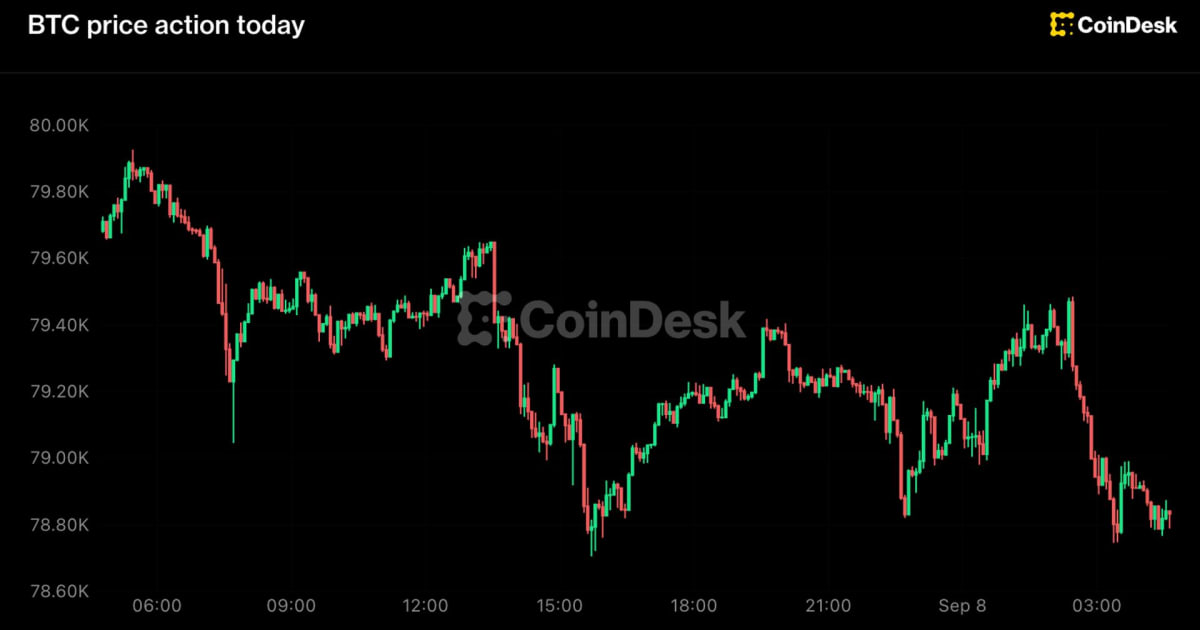
The cryptocurrency market, led by Bitcoin, recently experienced a significant price correction, with the flagship digital asset dipping below the psychologically important $79,000 mark. This downturn is not an isolated event but a direct consequence of escalating probabilities of a US Federal Reserve rate hike, now hovering near 60%. At WelthWest Research Desk, our analysis indicates this isn't merely a crypto market blip; it's a profound shift in global risk sentiment with tangible, albeit indirect, implications for the Indian stock market and specific sectors.
The rationale is clear: when the US central bank signals a more hawkish monetary policy, the US dollar typically strengthens. A stronger dollar, coupled with higher yields on US Treasury bonds, makes traditional, lower-risk assets more appealing to institutional investors worldwide. This phenomenon draws capital away from speculative, higher-risk assets like cryptocurrencies, which thrived during periods of abundant liquidity and low interest rates. For investors, understanding this dynamic is crucial, as it dictates the flow of global capital and sets the tone for risk appetite across various asset classes.
How Will Rising US Interest Rates Affect Indian Stock Market FII Flows?
The connection between US monetary policy and Indian equities might seem indirect, but it's deeply rooted in the behavior of Foreign Institutional Investors (FIIs). FIIs are significant drivers of Indian market liquidity and sentiment. When global risk-off sentiment prevails, driven by US rate hikes, FIIs often reallocate capital from emerging markets, including India, to safer havens in developed economies. This isn't just a theoretical concern; historical data provides a stark reminder.
During the Taper Tantrum of 2013 and subsequent Fed tightening cycles in 2018 and 2022, India witnessed substantial FII outflows. For instance, in 2022, when the Fed aggressively hiked rates, FIIs pulled over $28 billion from Indian equities, contributing to a period of heightened volatility for the Nifty 50. While the direct impact of Bitcoin's price on Indian equities is minimal, the underlying cause – a hawkish Fed – creates a ripple effect. Investors with exposure to both traditional financial markets and cryptocurrencies often operate with a unified risk budget. A significant drawdown in their crypto portfolios due to Fed actions can lead to a broader deleveraging, affecting their allocation to other risk assets, including Indian stocks.
Furthermore, a risk-off environment tends to disproportionately affect growth stocks and sectors that thrive on speculative capital. India's burgeoning technology and startup ecosystem, while primarily domestically funded, does attract a segment of global venture capital and private equity that is sensitive to broader risk appetite. A sustained period of higher global interest rates could make funding more expensive and valuations harder to justify for these companies, even if they aren't directly listed on Indian exchanges yet.
Deep Market Impact Analysis: Unpacking the Sectoral Fallout in India
While the Indian market doesn't have direct, large-cap listed companies with primary exposure to Bitcoin, the indirect impact is crucial. The sentiment shift affects several key areas:
- FII Flows into Indian Equities: A stronger dollar and higher US yields reduce the attractiveness of emerging market equities. This can lead to decreased FII buying or even outflows, particularly from growth-oriented segments of the Nifty 50 and Sensex. Sectors like IT, which are highly sensitive to global liquidity and investor sentiment, could face headwinds.
- Indian Tech & Fintech Valuations: India's vibrant startup ecosystem, particularly in fintech and technology, relies on global capital for growth. While many are unlisted, a global risk-off environment makes fundraising more challenging and impacts valuation multiples for future IPOs or private funding rounds. Companies like One 97 Communications (PAYTM), Zomato (ZOMATO), and FSN E-Commerce Ventures (NYKAA), which are seen as 'new-age' growth stocks, could experience downward pressure on their P/E multiples if the broader market's risk appetite diminishes. Their current valuations, often justified by future growth prospects, become harder to sustain in a high-interest rate regime.
- Crypto-Linked Technology Companies: Although unlisted, major Indian crypto exchanges like CoinDCX and WazirX represent a significant segment of the Indian fintech landscape. A sustained crypto market downturn directly impacts their revenue streams (primarily trading fees) and profitability. While not directly tradable, their health is indicative of a broader trend affecting underlying technology infrastructure providers or companies that partner with them. For example, payment gateway providers or cloud service companies that cater to these crypto platforms could see an indirect impact.
Which Indian Stocks Are Most Vulnerable to Bitcoin's Correction and Fed's Hawkishness?
While no major Indian listed company has Bitcoin as a primary treasury asset like some US counterparts, the indirect effects are potent. Here are some stocks and sectors to watch closely:
- One 97 Communications Ltd. (PAYTM): As a leading fintech player, PAYTM's valuation is highly sensitive to growth expectations and investor sentiment towards technology stocks. A global risk-off environment, fueled by Fed hikes, could compress its P/S (Price-to-Sales) multiple, which currently stands significantly above traditional financial services companies. Increased cost of capital globally also impacts its ability to raise future funds for expansion.
- Zomato Ltd. (ZOMATO): Similarly, Zomato, a prominent food delivery platform, is valued on its long-term growth potential and market share expansion. A tightening liquidity environment could make investors more discerning about profitability and cash burn, potentially affecting its stock performance. Its current market capitalization of approximately ₹1.4 trillion is largely predicated on future growth, which becomes harder to achieve in a capital-constrained world.
- FSN E-Commerce Ventures Ltd. (NYKAA): This beauty and fashion e-commerce giant, while profitable, is still viewed as a growth stock. A broad market shift away from high-growth, high-valuation stocks due to rising interest rates could lead to a re-rating. Investors might demand higher discounts for future cash flows, impacting its share price.
- Info Edge (India) Ltd. (NAUKRI): While Info Edge has a diverse portfolio including Naukri.com, 99acres.com, and significant stakes in Zomato and Policybazaar, its venture capital-like exposure to various internet companies makes it susceptible to changes in global risk appetite towards tech. A downturn in startup valuations could indirectly impact its investment portfolio.
- Tata Consultancy Services (TCS) / Infosys (INFY): As bellwethers of the Indian IT sector, these companies are highly dependent on global economic growth and corporate spending. A stronger dollar is generally favorable for their dollar-denominated revenues, but a global economic slowdown triggered by aggressive rate hikes could dampen client spending on IT services, impacting their order book and revenue growth outlook. Historically, periods of global economic uncertainty have led to cautious spending by major clients, affecting the IT sector's growth trajectory.
Expert Perspective: Bulls vs. Bears on the Crypto-Fed Nexus
The current market dynamics present a fascinating divergence of expert opinions:
Bearish Argument: Proponents of a continued bearish outlook emphasize the historical correlation between rising interest rates and the underperformance of speculative assets. They argue that the Fed's primary mandate is inflation control, and until inflation is demonstrably tamed, the hawkish stance will persist. This implies sustained dollar strength and continued pressure on assets like Bitcoin. Furthermore, they point to the nascent regulatory environment for cryptocurrencies, which could create additional headwinds in a risk-averse climate. For Indian markets, this translates to cautious FII flows, particularly into growth-oriented sectors, and a preference for defensive plays.
Bullish/Contrarian Argument: A more optimistic view suggests that much of the Fed's hawkishness is already priced into the market. They argue that Bitcoin, after significant corrections, might be nearing a bottom, especially given its long-term adoption trends and technological innovation. Some believe that Bitcoin's role as a decentralized asset could eventually offer a hedge against traditional financial system vulnerabilities, making it attractive even in a high-interest rate environment for a segment of investors. For India, this perspective posits that domestic consumption and structural growth stories will eventually outweigh global FII sentiment, leading to a decoupling, especially in sectors less reliant on foreign capital. They might also highlight the resilience of the Indian economy and its strong domestic flows as a buffer against FII outflows.
Actionable Investor Playbook: Navigating the Volatility
In this evolving landscape, investors need a nuanced approach. Our WelthWest playbook outlines concrete steps:
- Reassess Growth Stock Exposure: Review your portfolio's allocation to high-growth, high-valuation Indian tech stocks (e.g., PAYTM, ZOMATO, NYKAA). Consider trimming positions or hedging if they constitute a disproportionately large part of your portfolio and you anticipate sustained pressure on valuations. Focus on companies with clear paths to profitability and strong unit economics.
- Favor Value & Quality: Shift towards fundamentally strong companies with stable earnings, low debt, and attractive valuations. Sectors like established banking (e.g., HDFC Bank, ICICI Bank), pharmaceuticals (e.g., Sun Pharma), and select manufacturing companies might offer better downside protection.
- Monitor FII Activity: Keep a close watch on daily FII flow data. Sustained outflows are a strong indicator of prevailing risk-off sentiment and could signal further market weakness. Entry points for growth stocks might emerge after significant corrections, but patience is key.
- Consider Defensive Sectors: Utilities and consumer staples often perform better during periods of economic uncertainty. While not high-growth, they offer stability.
- Staggered Investing: For those bullish on the long-term prospects of crypto or Indian tech, use a staggered investment approach (SIP or averaging down) rather than lump-sum investments, to mitigate volatility risks and take advantage of potential dips.
Risk Matrix: Assessing Future Headwinds
The path ahead is fraught with several identifiable risks:
- Persistent Inflation & Aggressive Fed Hikes (Probability: High): If US inflation remains stubbornly high, the Fed might be forced to hike rates more aggressively than currently anticipated. This would intensify dollar strength, further depress speculative asset prices, and lead to deeper FII outflows from emerging markets, including India.
- Global Recession Fears (Probability: Medium): An overly aggressive Fed could tip the US and potentially the global economy into recession. This would severely impact corporate earnings worldwide, leading to a broad-based market downturn that Indian equities would not be immune to.
- Regulatory Crackdown on Crypto (Probability: Medium): Increased scrutiny and potential stringent regulations on cryptocurrencies globally could add another layer of uncertainty, further dampening investor confidence and price stability. This could impact ancillary tech service providers in India.
- Geopolitical Escalation (Probability: Medium): Unforeseen geopolitical events can always disrupt market sentiment, leading to a flight to safety and exacerbating risk-off conditions, regardless of monetary policy.
What to Watch Next: Key Catalysts on the Horizon
Investors should closely monitor several upcoming data releases and events:
- US Federal Reserve Meetings: The minutes from the latest FOMC meeting and upcoming statements from Fed officials will provide crucial insights into their forward guidance on interest rates. The market will dissect every word for clues on the pace and magnitude of future hikes.
- US Inflation Data (CPI, PPI): Monthly Consumer Price Index (CPI) and Producer Price Index (PPI) reports are paramount. A significant decline in these figures could signal a potential softening of the Fed's hawkish stance, while persistent elevation would confirm it.
- US Employment Data: Strong jobs reports could give the Fed more leeway to continue tightening, while signs of weakness might prompt a more cautious approach.
- Indian Macro Data: Keep an eye on India's own inflation, GDP growth, and industrial production data. Strong domestic fundamentals can partially cushion the impact of global headwinds.
- Quarterly Earnings of Indian Tech Companies: The upcoming earnings season for Indian tech and new-age companies will reveal how they are coping with rising costs and evolving consumer behavior in a potentially tighter liquidity environment. Look for management commentary on funding, profitability, and growth outlook.
The interplay between global monetary policy and emerging market dynamics is complex. While Bitcoin's price correction is a direct symptom of the Fed's hawkish pivot, its ripple effects are felt across the global financial ecosystem, including the Indian stock market. Astute investors will remain vigilant, adapting their strategies to navigate this evolving risk landscape with precision.
See CoinDCX (unlisted, but representative of the sector)'s AI Score
Our algorithmic screener scores CoinDCX (unlisted, but representative of the sector) on fundamentals, momentum, and risk — free to try, no card needed.
Try the AI Screener →Have questions about this story?
Ask Welth, our finance-focused AI research assistant, for a deeper breakdown — free trial included.
Chat with Welth AI →Disclaimer: This content is generated by WelthWest Research Desk based on publicly available reports and is for informational purposes only. It does not constitute financial advice, investment recommendations, or an offer to buy or sell securities. Always consult a qualified financial advisor before making investment decisions.