Key Takeaway
The US Senate's Clarity Act vote, a seemingly domestic regulatory move, has triggered a global re-evaluation of crypto risk, causing Bitcoin to slide. Indian investors must now brace for a potentially more constrained global crypto ecosystem, impacting domestic sentiment and tech stocks with blockchain exposure.
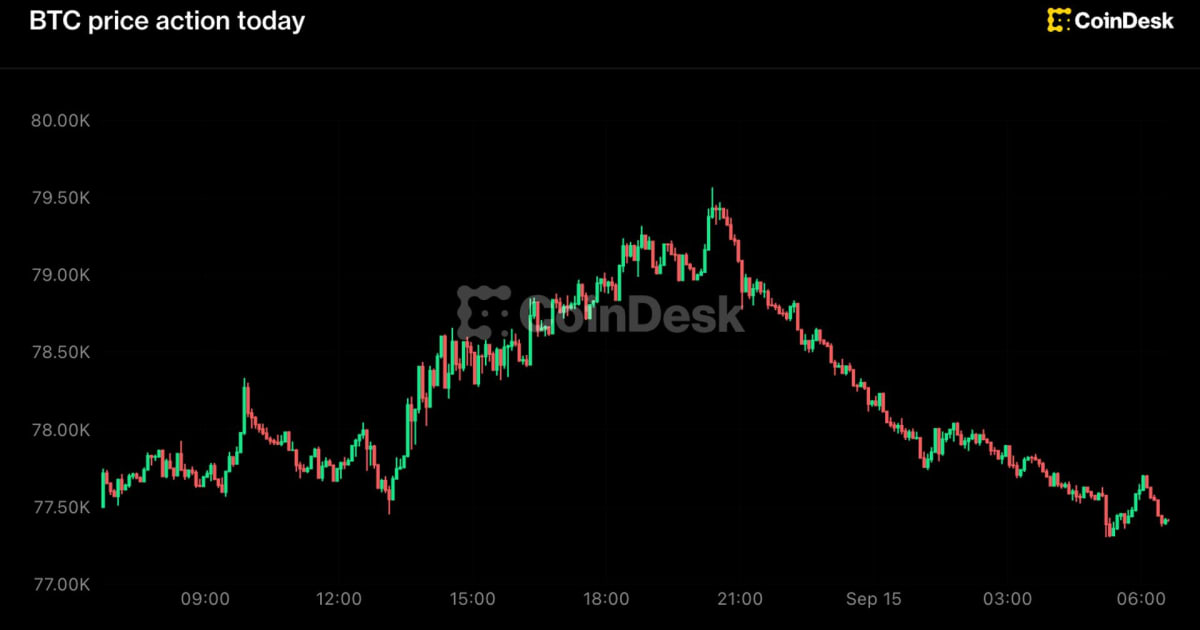
Bitcoin's recent price slide, triggered by the US Senate's vote on the Clarity Act, underscores a pivotal moment for the global cryptocurrency market. This move signals an impending era of heightened regulation from a major economic power, creating significant uncertainty that reverberates all the way to India. Our deep dive explores the profound implications for Indian investors, specific NSE/BSE stocks, and outlines an actionable playbook to navigate this evolving landscape.
Bitcoin Tumbles as Clarity Act Vote Unveils New Regulatory Epoch: What it Means for Indian Investors
The cryptocurrency market is once again at a critical juncture. Bitcoin, the bellwether of digital assets, recently experienced a notable price slide, shedding value in the immediate aftermath of the US Senate's vote on the Clarity Act. This legislative development, though originating in Washington D.C., is far from a localized event. It represents a potent signal of an impending, more structured regulatory environment for cryptocurrencies, a shift that carries profound implications for global capital flows, investor sentiment, and, crucially, the burgeoning Indian digital asset ecosystem.
For too long, the crypto market has operated in a regulatory gray area, fostering both innovation and significant volatility. The Clarity Act, if it progresses into law, aims to provide much-needed legal definitions and frameworks for digital assets within the US. While the immediate impact is a price correction driven by uncertainty, the long-term ramifications could reshape how cryptocurrencies are traded, held, and integrated into traditional finance worldwide. Indian investors, often quick adopters of new technologies, find themselves at the cross-section of this global regulatory wave, needing to understand how US legislative actions can ripple through their portfolios.
What is the Clarity Act and Why Does it Matter Now?
The Clarity Act, in essence, seeks to clarify which federal agencies have jurisdiction over various types of digital assets, distinguishing between securities and commodities. The vote itself, regardless of its final outcome, signals a serious intent from a major global economy to bring order to the crypto space. This isn't just about the US; it sets a precedent. Other nations, including India, often look to US regulatory frameworks as a benchmark. The immediate price slide in Bitcoin, from near its recent highs, reflects market participants pricing in increased compliance costs, potential limitations on product offerings, and a general cooling of the 'wild west' narrative that once defined crypto. This matters now because after years of discussions, concrete legislative action is finally taking shape, moving from abstract debate to tangible policy discussions that directly impact market structure and investor protections globally.
Historically, significant regulatory moves by major economies have always triggered market re-evaluations. Consider the European Union's MiFID II regulations for financial instruments; while not crypto-specific, they fundamentally altered how financial products were traded and reported, leading to initial market apprehension followed by adaptation. The Clarity Act is poised to do something similar for digital assets, forcing a maturation of the industry that will inevitably affect liquidity and the risk appetite of institutional investors, whose participation is crucial for crypto's long-term stability and growth.
Deep Market Impact Analysis: Connecting the Dots to the Indian Stock Market
The US regulatory shift, spearheaded by the Clarity Act, creates a domino effect that extends far beyond American borders, directly influencing the Indian financial landscape. While India has its own evolving stance on crypto regulation, global uncertainty translates into reduced risk appetite universally. Indian investors, both retail and institutional, are highly sensitive to global cues, especially from a market as dominant as the US.
The immediate sentiment is bearish. A more regulated environment, particularly one that might classify more tokens as securities, could lead to delistings, stricter KYC/AML requirements, and potentially higher operational costs for exchanges. This directly impacts the profitability and operational models of cryptocurrency exchanges, both global giants operating in India and domestic players. The global market capitalization of cryptocurrencies, which recently hovered around the $2.5 trillion mark, could see further contraction if this regulatory wave leads to a significant outflow of institutional capital.
Historically, periods of global financial regulatory tightening have often seen a flight to quality. For instance, during the 2008 financial crisis, despite its origins in the US, Indian markets experienced significant foreign institutional investor (FII) outflows, leading to a Nifty 50 correction of over 50%. While the Clarity Act is not a crisis, it introduces a new layer of systemic risk for an asset class that has largely thrived in regulatory ambiguity. This could prompt Indian FIIs to reallocate capital from riskier assets, including crypto-exposed ventures, towards more traditional, regulated sectors.
For the Indian stock market, the impact is multifaceted. Companies with direct or indirect exposure to blockchain technology, digital payments, or significant crypto holdings on their balance sheets are particularly vulnerable. The tech sector, which has often embraced innovation, could face headwinds if restrictive regulations stifle the growth of blockchain applications. Furthermore, the burgeoning fintech sector in India, which often explores synergies with blockchain, might see a slowdown in certain experimental ventures.
How Will US Crypto Regulations Affect Indian Tech & Fintech Stocks?
The implications for Indian tech and fintech stocks are not immediately obvious but are deeply intertwined with global crypto trends. Many Indian IT services companies, for example, have been actively pursuing blockchain-related projects for international clients. Should global regulatory burdens increase, the demand for such services could soften. Similarly, Indian fintech firms exploring tokenization or decentralized finance (DeFi) solutions might face increased scrutiny or a need to re-evaluate their business models.
Consider the potential for reduced venture capital funding for crypto-native startups globally. Indian startups in the Web3 space often rely on global funding. A tightening regulatory environment could make VCs more cautious, impacting the growth trajectory of these nascent companies and, by extension, the broader innovation ecosystem in India. This is a crucial, often overlooked, aspect of global regulatory shifts.
Stock-by-Stock Breakdown: Indian Equities in the Crosshairs
While no Indian company is a pure-play cryptocurrency firm listed on the NSE/BSE, several have significant indirect exposure or derive revenue from activities closely linked to the digital economy, making them susceptible to the global crypto sentiment shift. Investors need to scrutinize these connections:
- Infosys Ltd. (NSE: INFY): As a global IT services giant, Infosys has been at the forefront of adopting emerging technologies, including blockchain. Their 'Blockchain as a Service' offerings and partnerships with global financial institutions mean that increased regulatory friction in the US could lead to slower client adoption or reduced project scope for their blockchain-related engagements. While blockchain revenue is a fraction of their total, a general slowdown in enterprise blockchain adoption due to regulatory uncertainty could temper growth expectations in this emerging segment. For Q3 FY24, Infosys reported a consolidated net profit of Rs 6,106 crore, but future growth in niche tech areas like blockchain could be impacted.
- Tata Consultancy Services Ltd. (NSE: TCS): Similar to Infosys, TCS has invested heavily in blockchain research and development, providing solutions for supply chain, finance, and healthcare sectors globally. A more restrictive regulatory environment could impact their pipeline of new blockchain projects, particularly those involving tokenized assets or cross-border digital transactions. TCS's robust P/E ratio, often reflecting its growth potential in new tech, could see some pressure if these growth avenues become more challenging.
- One 97 Communications Ltd. (NSE: PAYTM): While Paytm's primary business is digital payments, it has explored various fintech innovations and has been part of broader discussions around digital currencies in India. Although direct crypto exposure is limited due to Indian regulations, a global shift towards stricter oversight in digital assets could indirectly influence the regulatory environment for digital payments and potentially limit future expansion into related areas, impacting its long-term growth narrative. Paytm's recent efforts to regain regulatory confidence make it particularly sensitive to any broader regulatory headwinds in the digital finance space.
- Persistent Systems Ltd. (NSE: PERSISTENT): This mid-cap IT firm focuses on digital engineering and has a notable presence in the banking, financial services, and insurance (BFSI) sector, often working on innovative solutions. Their involvement in new-age tech, including some blockchain applications for enterprise clients, could face headwinds if global financial institutions become more cautious about deploying blockchain solutions under increased regulatory scrutiny. Persistent has shown strong revenue growth, but a slowdown in innovative tech spending could be a concern.
- Larsen & Toubro Infotech Ltd. (NSE: LTIM): LTIMindtree, formed from the merger of L&T Infotech and Mindtree, also caters significantly to the BFSI sector. Their digital transformation services often include exploring distributed ledger technologies for efficiency and security. A globally bearish sentiment on crypto regulation could lead to a more conservative approach from their BFSI clients regarding new blockchain initiatives, potentially affecting their project pipeline in this niche.
Expert Perspective: Bulls vs. Bears on Crypto Regulation
The debate surrounding increased crypto regulation is sharply divided, with both bulls and bears presenting compelling arguments. Understanding these perspectives is crucial for a balanced investment strategy.
The Bearish Argument: Bears view the Clarity Act and similar global legislative efforts as the beginning of the end for crypto's 'unfettered' growth. They argue that increased regulation will lead to higher compliance costs, stifling innovation and making it harder for new projects to emerge. This, they contend, will reduce liquidity as institutional investors shy away from assets deemed too complex or risky under new rules. Furthermore, bears believe that if more digital assets are classified as securities, they will be subjected to stringent reporting requirements, limiting their accessibility and appeal. They point to the immediate price slide in Bitcoin as evidence of market apprehension, suggesting that this is merely the first tremor in a larger regulatory earthquake that will compress crypto valuations significantly, potentially seeing Bitcoin retest lower support levels around $50,000 or even $40,000 in the coming months if restrictive policies are enacted globally.
The Bullish Argument: Conversely, bulls argue that regulation, while painful in the short term, is ultimately a necessary and positive step for crypto's long-term maturation and mainstream adoption. They believe that clear regulatory frameworks will provide the certainty institutions need to enter the market with confidence, unlocking trillions of dollars in capital that have remained on the sidelines due to legal ambiguities. Bulls contend that 'responsible' regulation will weed out bad actors, improve market integrity, and build trust, making crypto a more legitimate and stable asset class. They see the current price slide as a temporary 'shake-out' that will ultimately pave the way for a more robust and sustainable bull run, potentially pushing Bitcoin towards new all-time highs above $100,000 once clarity emerges. They emphasize that regulatory clarity is distinct from regulatory crackdown, and the former is what the market fundamentally needs for sustained growth.
A contrarian view suggests that while the US is moving towards regulation, other jurisdictions might adopt more liberal stances, creating regulatory arbitrage opportunities that could benefit certain segments of the crypto market. However, the sheer size and influence of the US market make its regulatory decisions globally impactful, even if not universally replicated.
Actionable Investor Playbook: Navigating the Regulatory Currents
Given the evolving regulatory landscape, Indian investors need a nuanced and adaptive strategy. This isn't a time for panic, but for calculated adjustments and careful observation.
- De-risk and Re-evaluate Crypto Exposure: For direct crypto holdings, consider reducing exposure to highly volatile, less established altcoins. Focus on Bitcoin (BTC) and Ethereum (ETH), which are more likely to be classified as commodities or non-security assets and have greater institutional backing. Re-evaluate your risk tolerance; if your portfolio allocation to crypto exceeds 5-10%, consider trimming it to manage downside risk.
- Watch Indian Tech & Fintech Stocks for Entry Points: For the Indian stock market, monitor the aforementioned IT services and fintech stocks (e.g., INFY, TCS, PAYTM). A knee-jerk reaction from FIIs or institutional investors could lead to temporary dips, presenting potential entry points for long-term investors who believe in the underlying strength of these companies and their ability to adapt to new regulatory environments. Look for P/E ratios that dip below their 5-year averages as an indicator of potential undervaluation due to temporary sentiment.
- Focus on 'Pick and Shovel' Plays: Instead of direct crypto, consider companies providing essential services to the digital asset ecosystem that might thrive even under regulation. This could include cybersecurity firms (e.g., Cyient Ltd. (NSE: CYIENT), which offers digital engineering services that increasingly include security for blockchain applications) or companies involved in cloud infrastructure that power crypto exchanges and blockchain networks.
- Consider Gold and Other Safe Havens: In times of increased uncertainty across asset classes, traditional safe havens like gold can provide a hedge. Indian investors have historically favored gold as a store of value, and its performance during periods of market volatility often provides stability to a diversified portfolio.
- Long-Term Horizon for Blockchain Adoption: Maintain a long-term perspective on the underlying blockchain technology. While crypto assets face regulatory hurdles, the fundamental utility of blockchain for enterprise solutions, supply chain management, and digital identity remains strong. Companies actively developing and implementing these solutions, irrespective of token prices, are worth watching for the long haul.
Entry Points & Time Horizons: For crypto assets like Bitcoin, a retest of the $60,000 or even $55,000 support levels could be considered a tactical entry point for those with a high-risk appetite and a 2-3 year time horizon. For Indian tech stocks, any significant correction (e.g., 5-10% from recent highs) driven by global crypto sentiment could offer attractive entry points for investors with a 3-5 year outlook, betting on their resilience and adaptability.
Risk Matrix: Assessing the Road Ahead
The path forward is fraught with specific risks that investors must carefully assess:
- Restrictive Regulatory Framework (High Probability): The most immediate risk is that the Clarity Act and subsequent global regulations prove to be overly restrictive, leading to reduced liquidity, higher operational costs for crypto businesses, and a stifling of innovation. This could result in further price compression for digital assets and a slowdown in blockchain adoption by traditional finance. Probability: High (60-70% over the next 12-18 months).
- Fragmented Global Regulation (Medium Probability): If major jurisdictions adopt vastly different regulatory approaches, it could lead to 'regulatory arbitrage' but also increased complexity for global businesses and investors. This fragmentation could hinder the seamless flow of capital and create compliance nightmares, ultimately slowing the market's maturation. Probability: Medium (40-50% over the next 24 months).
- Black Swan Event from Unregulated Players (Low-Medium Probability): Despite increased regulation, the existence of unregulated or loosely regulated entities globally poses a risk. A major hack, insolvency, or fraudulent activity from such an entity could trigger another wave of FUD (Fear, Uncertainty, Doubt) and market sell-offs, impacting the entire ecosystem. Probability: Low-Medium (20-30% over the next 12 months).
- Technological Obsolescence/Competition (Low Probability): While less immediate, the rapid pace of technological innovation means that existing blockchain technologies could face competition from newer, more efficient, or more secure alternatives. This risk is inherent in any technology-driven sector but is amplified in the fast-evolving crypto space. Probability: Low (10-15% over the next 3-5 years).
What to Watch Next: Catalysts and Key Dates
The story of crypto regulation is far from over. Investors must closely monitor several upcoming catalysts and data releases:
- US Legislative Progress: Track the Clarity Act's journey through Congress. Key dates for committee hearings, floor votes, and potential amendments will be critical. The final language of any enacted law will define the operational landscape.
- SEC & CFTC Guidance: Beyond legislation, regulatory bodies like the SEC (Securities and Exchange Commission) and CFTC (Commodity Futures Trading Commission) will issue detailed guidance and enforcement actions. These will provide crucial clarity on how existing laws are applied to digital assets. Pay attention to any new lawsuits or settlements involving crypto firms.
- Indian Government's Stance: India's own legislative framework for cryptocurrencies is still evolving. Any announcements from the RBI (Reserve Bank of India) or the Ministry of Finance regarding digital asset taxation, trading, or central bank digital currency (CBDC) will significantly impact the domestic market.
- Global Regulatory Summits: International bodies like the G7, G20, and FSB (Financial Stability Board) are actively discussing global crypto regulation. Outcomes from these summits can signal coordinated international efforts, further shaping the global landscape.
- Earnings Reports of Tech/Fintech Firms: Q4 FY24 and Q1 FY25 earnings calls for Indian IT services and fintech companies will offer insights into how they are adapting to the global tech and regulatory environment. Listen for management commentary on blockchain project pipelines and international client sentiment.
- Institutional Capital Flows: Monitor reports on institutional investment into crypto funds and products. A significant increase or decrease in these flows will be a strong indicator of changing sentiment and confidence in the regulated crypto space.
The Bitcoin price slide in the wake of the Clarity Act vote is not merely a blip; it's a profound signal that the crypto market is entering a new, more regulated chapter. For Indian investors, understanding these global shifts and their localized impact is paramount to navigating the evolving digital finance frontier successfully.
Run a free AI Stock Screen
Our algorithmic screener scores any NSE/BSE stock on fundamentals, momentum, and risk — free to try, no card needed.
Try the AI Screener →Have questions about this story?
Ask Welth, our finance-focused AI research assistant, for a deeper breakdown — free trial included.
Chat with Welth AI →Disclaimer: This content is generated by WelthWest Research Desk based on publicly available reports and is for informational purposes only. It does not constitute financial advice, investment recommendations, or an offer to buy or sell securities. Always consult a qualified financial advisor before making investment decisions.