Key Takeaway
The current Bitcoin surge is primarily benefiting crypto market makers through trading volume, not directional price bets. While direct Indian stock market links are tenuous, this trend signals growing crypto ecosystem sophistication and influences broader speculative asset sentiment.
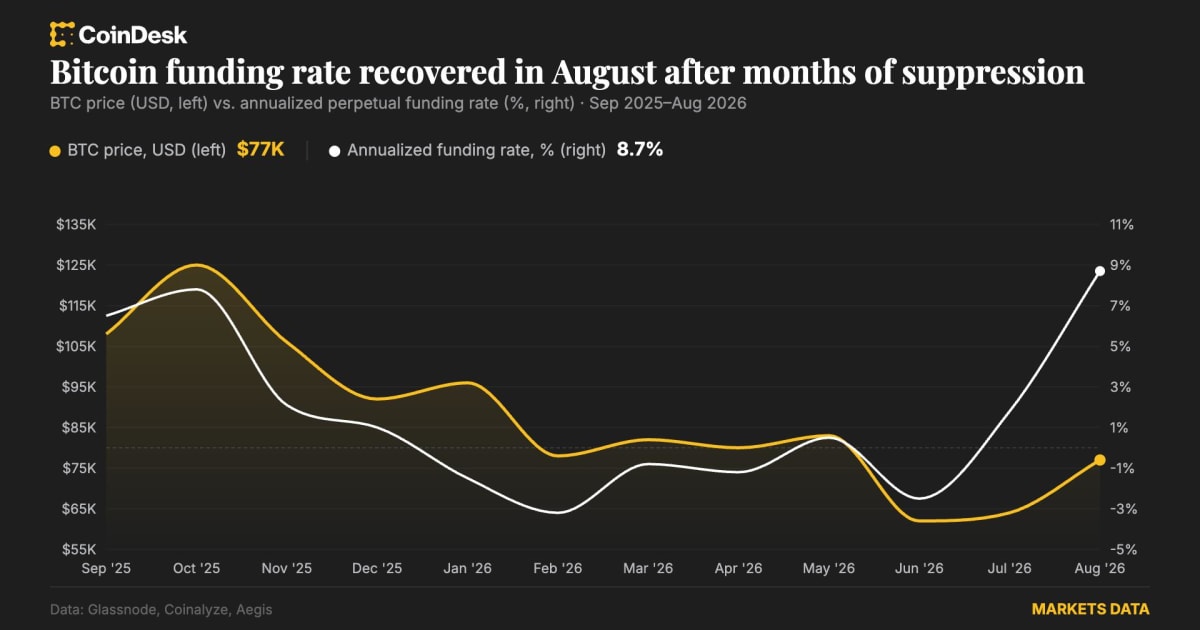
As Bitcoin's price climbs, the real winners are often the sophisticated entities facilitating trades, not just passive investors. This deep dive explores the mechanics of crypto market making, its indirect implications for Indian fintech platforms like WazirX and CoinDCX, and the subtle shifts in risk appetite that could affect domestic equity markets.
Bitcoin's Surge: A Boon for Market Makers, Not Directional Speculators
The recent ascent of Bitcoin past significant psychological and technical barriers has sparked widespread investor interest, drawing parallels to previous bull runs. However, beneath the headline-grabbing price appreciation lies a more nuanced economic engine driving profitability within the cryptocurrency ecosystem. This analysis reveals that the primary beneficiaries of the current Bitcoin rally are not necessarily those who simply bet on its price direction, but rather the sophisticated entities known as crypto market makers. These players profit from the bid-ask spread and the sheer volume of transactions, a dynamic that is increasingly relevant for understanding the broader financial landscape, including its subtle connections to India's burgeoning fintech and investment sectors.
Understanding this distinction is crucial for investors seeking to navigate the volatile cryptocurrency space and its peripheral impacts. While direct exposure of Indian stock markets to Bitcoin's price swings remains limited, the increased activity and profitability within crypto can serve as a bellwether for speculative appetite and the growing financialization of digital assets. This evolving environment necessitates a closer examination of how these global trends might eventually filter into domestic investment strategies and platforms.
Why This Bitcoin Rally Matters to Indian Investors Now
The current Bitcoin rally, characterized by significant trading volumes and renewed investor enthusiasm, presents a unique opportunity to dissect the mechanics of digital asset markets. Unlike traditional securities, cryptocurrencies often exhibit unique liquidity dynamics. Market makers, in this context, are essential for ensuring that there are always buyers and sellers available, providing the necessary liquidity for others to trade. Their profitability stems from the difference between the price at which they are willing to buy (bid) and the price at which they are willing to sell (ask), a spread that widens with increased trading activity.
This surge in activity is particularly noteworthy because it highlights the maturation of the crypto market infrastructure. Exchanges and liquidity providers are experiencing a significant uptick in revenue, driven by transaction fees and the increased demand for market-making services. This growth isn't merely about price speculation; it's about the fundamental plumbing of the crypto market operating at higher capacity. For India, this signifies a growing global financial innovation that, while not directly impacting the NSE or BSE in the short term, contributes to a broader trend of digital asset adoption and financialization. The ripple effects can be seen in the increasing interest from Indian fintech companies exploring blockchain technology and digital asset integration.
Deep Market Impact Analysis: The Indirect Links to Indian Stock Markets
The immediate impact of the Bitcoin rally on Indian equity markets is, by design, limited. The Securities and Exchange Board of India (SEBI) has maintained a cautious stance on direct cryptocurrency investments, and the regulatory framework for Indian exchanges and investor participation is still evolving. However, the indirect consequences are more significant than they might appear at first glance. Increased profitability and operational scale within the global crypto market can foster a greater risk appetite among a segment of investors. This heightened appetite for speculative assets, even if not directly Bitcoin-related, can subtly influence sentiment towards other high-growth, high-risk sectors within the Indian stock market, such as small-cap technology stocks or emerging market opportunities.
Historically, periods of significant global liquidity injections or high asset price appreciation in one sector have often led to capital rotation into other perceived growth areas. For instance, during the global tech boom of 2020-2021, when speculative froth was high, many Indian tech stocks listed on NSE and BSE saw unprecedented gains, often outpacing their fundamental valuations. While the current crypto rally is distinct, it contributes to a similar global narrative of seeking higher returns in less traditional asset classes. This can create a psychological backdrop where investors are more receptive to riskier propositions in the Indian market, potentially leading to increased valuations for companies perceived as innovative or disruptive, even if their direct crypto exposure is minimal.
How Will Increased Crypto Trading Volume Affect Indian Fintech Platforms?
The burgeoning trading volumes in cryptocurrencies globally have a direct, albeit indirect, bearing on Indian fintech companies that operate within or adjacent to the digital asset space. Platforms like WazirX, CoinDCX, and ZebPay, while subject to India's specific regulatory landscape, are intrinsically linked to the global crypto market's health and activity. When global trading volumes surge, these platforms stand to benefit from increased user acquisition, higher transaction fees, and greater overall platform utilization.
Consider the revenue models of these entities. They typically generate income through trading commissions, listing fees, and sometimes through staking or other value-added services. A sustained rally in major cryptocurrencies like Bitcoin naturally translates into more traders entering the market, executing more transactions, and thus generating higher fee revenues for the exchanges. While these Indian platforms may not be directly involved in market making themselves, their success is correlated with the overall vibrancy of the crypto market, which is currently being boosted by market maker activity. This increased activity can lead to higher valuations for these privately held or indirectly listed entities, influencing investor sentiment towards the broader fintech sector on Indian exchanges.
Stock-by-Stock Breakdown: Identifying Potential Indian Market Movers
While no direct Indian-listed stock is a pure-play crypto market maker, several companies and sectors are indirectly influenced by the growing financialization and trading activity within the cryptocurrency space. The impact is primarily through sentiment, technology adoption, and the potential for future regulatory shifts that could integrate digital assets more formally into the Indian financial system.
- WazirX (Indirectly Affected): As one of India's prominent cryptocurrency exchanges, WazirX's fortunes are directly tied to the volume and value of cryptocurrency traded within its platform. An extended Bitcoin rally and increased global trading activity will likely translate into higher user sign-ups and transaction volumes, boosting its revenue potential. While not listed on NSE/BSE, its operational success is a proxy for the health of the Indian crypto exchange market. Its performance often sets a benchmark for investor interest in this nascent sector.
- CoinDCX (Indirectly Affected): Similar to WazirX, CoinDCX, another major Indian crypto exchange, stands to gain from heightened market activity. Its comprehensive suite of trading and investment products, including features catering to both novice and experienced traders, positions it to capitalize on increased demand. The growth trajectory of CoinDCX mirrors the broader acceptance and engagement with digital assets in India. Its valuation metrics, when it eventually seeks public funding, will be closely watched by the market.
- ZebPay (Indirectly Affected): ZebPay, a veteran in the Indian crypto space, also benefits from increased trading volume and investor interest. Its long-standing presence and established user base can be leveraged during periods of market expansion. The company's ability to adapt to evolving regulatory requirements and introduce new services will be critical for sustained growth, making it a key indicator of the Indian crypto market's resilience.
- Reliance Industries (RIL) (Potential Future Exposure): While RIL is a diversified conglomerate, its ventures into digital platforms and blockchain technology could position it to benefit from the broader adoption of digital assets and decentralized finance in the future. Its investment arm, Jio Platforms, is constantly exploring new technological frontiers, and a mature crypto market could offer new avenues for innovation and revenue generation, albeit in the long term.
- HDFC Bank / ICICI Bank (Indirect Sentiment Play): Major Indian banks, while not directly involved in crypto trading, are sensitive to shifts in overall investor risk appetite. A sustained period of high returns in speculative assets like Bitcoin can sometimes lead to increased investment in traditional equity markets, especially in growth-oriented sectors. These banks, as major financial intermediaries, benefit from increased overall financial market activity and capital flows. Their P/E ratios and net interest margins can see marginal positive correlation with heightened investor engagement in the broader financial ecosystem.
- Tech Mahindra / Infosys (Blockchain Adoption Play): IT services companies with strong blockchain and emerging technology practices, such as Tech Mahindra and Infosys, could see increased demand for their services as more companies, including those in the traditional finance sector, explore blockchain integration for efficiency and innovation. This could lead to higher order books and revenue growth for their digital transformation segments.
Expert Perspective: Bulls vs. Bears on the Crypto Market Maker Phenomenon
The current dynamic where market makers profit from volume rather than directional bets is viewed differently by market participants. Bulls see this as a sign of a maturing market, where sophisticated infrastructure is developing to support increased liquidity and trading efficiency. They argue that this robust market-making activity is a prerequisite for broader institutional adoption and the development of more complex financial products built on blockchain technology. For them, the profitability of market makers is a validation of the underlying technological innovation and the growing demand for digital assets.
Conversely, bears might view this as a potential red flag. They could argue that the reliance on volume and bid-ask spreads for profitability means that market makers are incentivized to encourage more trading, regardless of whether it's beneficial for the end investor. This can lead to increased volatility and a focus on short-term trading rather than long-term value appreciation. Bears might also point to the fact that market makers, by their nature, take on significant risk and their profitability can evaporate quickly if trading volumes decline or market volatility spikes unfavorably. They might also draw parallels to past market bubbles where intermediaries profited handsomely before the inevitable crash, suggesting that this current model could be unsustainable in the long run.
Actionable Investor Playbook: Navigating the Crypto-Influenced Market
For the Indian investor, the current crypto market dynamics offer several strategic considerations:
- Monitor Crypto Exchange Performance (Indirectly): While direct investment in Indian crypto exchanges is not an option on NSE/BSE, keep a close watch on news and funding rounds for platforms like WazirX and CoinDCX. Their growth trajectory provides valuable insights into retail engagement with digital assets in India.
- Focus on Fintech and IT Services with Blockchain Exposure: Consider investing in Indian IT majors like Infosys (INFY) and Tech Mahindra (TECHM). Their expertise in blockchain and digital transformation positions them to benefit from the broader trend of technological adoption, including in the financial services sector. Look for entry points on dips, aiming for a target price that reflects a 15-20% upside over 12-18 months, assuming sustained IT sector growth.
- Evaluate Diversified Conglomerates: Companies like Reliance Industries (RELIANCE), with their forward-looking investment strategies in digital infrastructure, might offer indirect exposure to the evolving digital asset landscape. Their long-term growth prospects are less volatile and tied to broader economic trends. A P/E ratio around 25-30 for RIL could be considered a reasonable entry point for long-term holding.
- Be Cautious with Direct Crypto Exposure: Until regulatory clarity solidifies in India, direct investment in cryptocurrencies carries significant risk. If you choose to invest, allocate only a small, speculative portion of your portfolio (e.g., 1-3%) and be prepared for extreme volatility. Understand that market makers' profits don't necessarily translate to gains for individual speculative buyers.
- Watch for Sentiment Shifts: Increased activity in speculative assets globally can sometimes lead to irrational exuberance in domestic markets. Be vigilant for signs of overvaluation in small-cap and mid-cap stocks on the NSE and BSE. A P/E expansion beyond historical averages without corresponding earnings growth could signal a market bubble.
Risk Matrix: Navigating the Uncertainties
The profitability of crypto market makers and the broader crypto ecosystem is subject to several inherent risks:
- Regulatory Uncertainty (High Probability): The lack of a uniform global regulatory framework for cryptocurrencies, and India's evolving stance, remains the most significant risk. Sudden policy changes can drastically impact trading volumes, exchange operations, and the overall viability of crypto-related businesses.
- Market Volatility and Liquidity Crises (Medium Probability): While market makers profit from volume, extreme price swings or sudden liquidity droughts can lead to substantial losses for them. A sharp downturn in Bitcoin's price could see trading volumes plummet, eroding market maker profitability and potentially causing contagion effects.
- Technological Risks and Security Breaches (Medium Probability): The crypto ecosystem relies heavily on technology. Hacks on exchanges, smart contract vulnerabilities, or network failures can lead to significant financial losses for users and damage trust in the entire ecosystem, impacting market maker activity.
- Competition and Margin Compression (Low Probability in Short Term, Medium in Long Term): As the crypto market matures, increased competition among market makers and exchanges can lead to shrinking bid-ask spreads and lower fee revenues, impacting profitability over the long term.
What to Watch Next: Upcoming Catalysts and Data Releases
Several upcoming events and data releases will be crucial for understanding the continued evolution of this trend and its potential impact on Indian markets:
- Indian Regulatory Updates: Any announcements or policy shifts from the Indian government or RBI regarding cryptocurrency taxation, regulation, or potential central bank digital currency (CBDC) developments will be paramount.
- Global Inflation Data & Central Bank Policy: Macroeconomic indicators like CPI and interest rate decisions from major central banks (e.g., US Federal Reserve, ECB) will influence global liquidity and risk appetite, indirectly affecting speculative asset markets like crypto and, by extension, Indian equities.
- Quarterly Earnings for Indian IT and Fintech Companies: The financial results of companies like Infosys (INFY), Tech Mahindra (TECHM), and any publicly available performance metrics from Indian crypto platforms will provide concrete data on the impact of increased digital asset activity.
- Bitcoin Halving Cycles and Major Crypto Network Upgrades: While not directly tied to Indian stocks, significant events in the Bitcoin lifecycle, such as upcoming halvings or major protocol upgrades, can influence global crypto market sentiment and trading volumes, creating ripples that might eventually reach India.
The interplay between sophisticated market-making strategies in the crypto space and the broader global financial sentiment presents a complex, yet increasingly relevant, narrative for Indian investors. By understanding these dynamics, one can better position for both the opportunities and the inherent risks in the evolving financial landscape.
See WazirX (indirectly, as a platform)'s AI Score
Our algorithmic screener scores WazirX (indirectly, as a platform) on fundamentals, momentum, and risk — free to try, no card needed.
Try the AI Screener →Have questions about this story?
Ask Welth, our finance-focused AI research assistant, for a deeper breakdown — free trial included.
Chat with Welth AI →Disclaimer: This content is generated by WelthWest Research Desk based on publicly available reports and is for informational purposes only. It does not constitute financial advice, investment recommendations, or an offer to buy or sell securities. Always consult a qualified financial advisor before making investment decisions.
