Key Takeaway
Bitcoin's sustained high-range consolidation at $82,000-$85,000 signals maturing investor confidence and potential for broader market stability. Indian investors should monitor global crypto exchange activity and blockchain technology advancements, as sentiment shifts could indirectly influence domestic tech and financial stocks, creating nuanced investment opportunities.
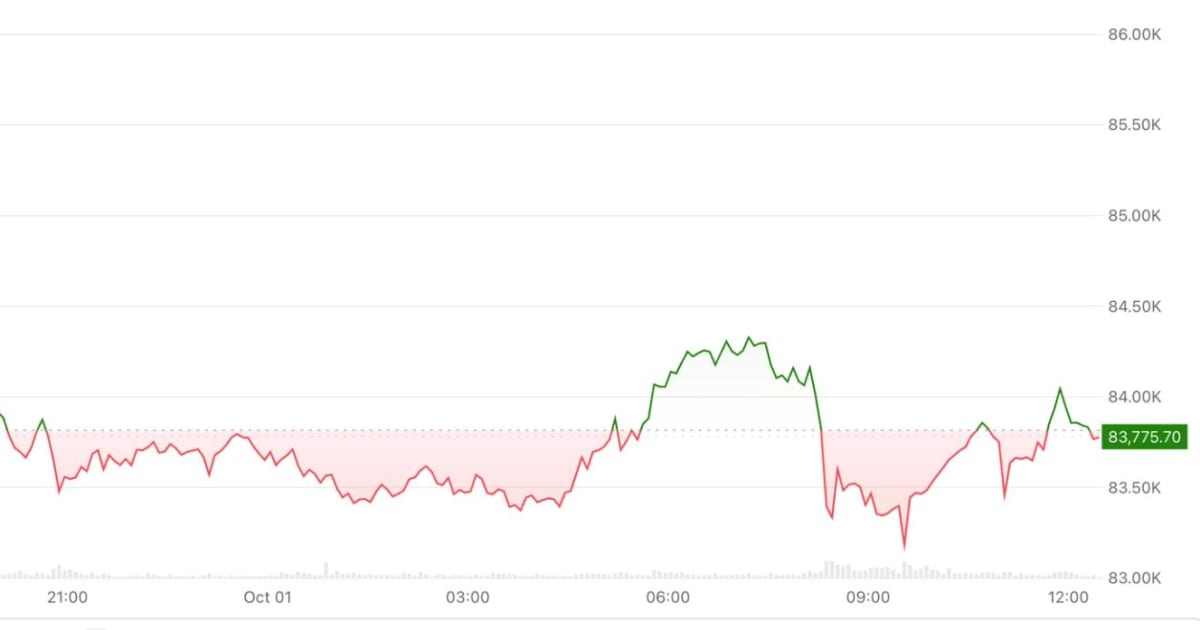
Bitcoin has entered a new quarter consolidating firmly within the $82,000-$85,000 range. This sustained high-price stability is more than just a digital asset milestone; it's a critical indicator of evolving investor sentiment and market maturity. While direct ties to Indian equities appear limited, the ripple effects on sentiment, capital flows, and regulatory discourse around digital assets in India are significant and warrant close examination for discerning investors.
Bitcoin's $82K-$85K Consolidation: A New Era for Digital Assets and Its Indirect Indian Market Echoes
The cryptocurrency world has ushered in a new quarter with Bitcoin (BTC) demonstrating remarkable resilience, consolidating firmly within the $82,000-$85,000 price band. This isn't merely a statistical footnote; it represents a pivotal moment in Bitcoin's journey, signaling a potential shift from volatile speculative asset to a more stable, albeit still dynamic, store of value. For the astute investor, particularly those navigating the Indian equity landscape, this high-range stabilization of the world's largest cryptocurrency carries profound, albeit indirect, implications that demand a deeper dive.
Historically, Bitcoin's price action has been a bellwether for broader crypto market sentiment. Its ability to maintain such elevated levels, resisting significant pullbacks despite reaching new all-time highs recently, suggests a robust underlying demand and a growing institutional embrace. This stability is crucial because it fosters confidence, potentially attracting a new wave of capital from both retail and institutional players globally. While India's direct participation in the crypto market faces regulatory hurdles, the indirect influence on investor sentiment, technology adoption, and even capital repatriation or outflow dynamics cannot be overlooked. The 'why now' is simple: sustained high-level consolidation after a major bull run often precedes either a significant breakout or a sustained period of sideways trading, both of which offer distinct opportunities and risks.
How Does Bitcoin's Stability Resonate with Indian Stock Investors?
The immediate connection between Bitcoin's price and the Nifty 50 might seem tenuous, given India's cautious stance on cryptocurrencies. However, a deeper analysis reveals several indirect channels through which Bitcoin's consolidation can influence Indian equities. Firstly, global investor sentiment towards risk assets is often interconnected. A stable and appreciating Bitcoin can signal a 'risk-on' environment, potentially encouraging foreign institutional investors (FIIs) to allocate more capital to emerging markets like India, especially in growth-oriented sectors. Conversely, a sharp correction in Bitcoin could trigger a broader flight to safety, impacting FII flows into Indian equities.
Secondly, the burgeoning interest in blockchain technology, the underlying innovation behind Bitcoin, directly impacts Indian IT service providers and tech companies. As global enterprises increasingly integrate blockchain solutions into their operations – from supply chain management to digital identity – Indian IT giants, renowned for their digital transformation capabilities, stand to benefit from increased project pipelines and consulting opportunities. Consider the rise of Web3 initiatives; Indian tech firms are actively positioning themselves to capture a share of this evolving market. The sustained high valuation of Bitcoin, often seen as the flagship of the blockchain revolution, lends credibility and urgency to these technological shifts.
Historically, during the 2021 crypto bull run, when Bitcoin first breached significant psychological barriers, we observed a noticeable uptick in investor interest in Indian tech stocks perceived to have a digital or future-tech focus, even if their direct crypto exposure was minimal. While not a direct causation, the correlation in sentiment was evident. For instance, companies heavily invested in cloud computing or AI, seen as foundational technologies for Web3, often saw enhanced valuations. The current consolidation, therefore, could reignite similar thematic plays, albeit with a more mature and discerning investor base.
Specific Indian Stocks to Watch Amidst Bitcoin's Stability
While no Indian company offers direct, pure-play Bitcoin exposure on the NSE or BSE, several listed entities are indirectly positioned to benefit from or be influenced by the broader digital asset and blockchain narrative. Investors seeking to capitalize on this trend, or hedge against its risks, should consider the following:
- Tata Consultancy Services (TCS) (NSE: TCS): As a global IT services powerhouse, TCS is at the forefront of digital transformation. The company has been actively involved in blockchain consulting and implementation for enterprise clients worldwide. With a market capitalization exceeding ₹14 lakh crore and a P/E ratio around 30x, TCS's robust balance sheet and diversified service offerings make it a strong candidate to benefit from increased enterprise adoption of blockchain technologies, spurred by the growing legitimacy of digital assets. Their ventures into areas like blockchain-based supply chain solutions and digital identity platforms position them favorably.
- Infosys (NSE: INFY): Another IT bellwether, Infosys, has also invested significantly in its blockchain capabilities, offering services ranging from advisory to platform development. Their strong focus on financial services clients means they are well-positioned to assist traditional banks and institutions exploring blockchain for remittances, trade finance, and other applications. Infosys, with a market cap over ₹6 lakh crore and a P/E of ~25x, could see an uptick in demand for these specialized services as global interest in the underlying technology of crypto grows.
- Tech Mahindra (NSE: TECHM): Tech Mahindra has been particularly aggressive in its Web3 and metaverse initiatives, including launching its own 'Metaverse as a Service.' While not directly crypto, their strategic pivots into these nascent digital economies are directly influenced by the broader digital asset ecosystem's growth. As more businesses explore decentralized technologies, Tech Mahindra's early mover advantage could translate into new revenue streams. Their P/E ratio of ~28x reflects investor optimism in their digital plays.
- Persistent Systems (NSE: PERSISTENT): This mid-cap IT firm has a strong focus on product engineering and digital transformation, often working with leading technology companies globally. Their expertise in emerging technologies, including blockchain and AI, makes them a dark horse. As global software companies integrate blockchain features, Persistent Systems could see increased demand for their specialized engineering services. Their robust growth trajectory (revenue up 20%+ YoY in recent quarters) suggests agility in adapting to new tech trends.
- Larsen & Toubro Infotech (LTI) / Mindtree (LTIMindtree) (NSE: LTIM): The merged entity is a significant player in the IT services space, with a strong focus on banking, financial services, and insurance (BFSI) clients. As global financial institutions explore tokenization of assets and other blockchain applications, LTIMindtree's deep domain expertise in this sector positions them to capture opportunities in implementing these next-generation financial technologies.
Expert Perspectives: Bulls vs. Bears on Bitcoin's Consolidation
The current consolidation sparks divergent views among market experts. Bitcoin bulls interpret the $82,000-$85,000 range as a strong demand zone, indicating a maturation of the asset class. They argue that the influx of institutional capital through spot Bitcoin ETFs in the US has created a new, robust floor for the price, absorbing selling pressure that would have previously led to deeper corrections. "This isn't just retail FOMO anymore; it's smart money establishing long-term positions," asserts a prominent crypto hedge fund manager. They point to decreasing volatility metrics at these high levels, suggesting a shift towards a more stable, albeit growth-oriented, asset. For Indian markets, bulls would argue that this stability enhances the appeal of digital-first tech stocks as the underlying technology gains mainstream adoption.
Conversely, Bitcoin bears view the consolidation with caution, interpreting it as a potential distribution phase before a significant correction. They highlight that while institutional interest is present, the macro environment, including potential interest rate hikes by central banks globally, could still exert downward pressure on risk assets. "The price has run up significantly; a healthy correction is overdue, and this consolidation might just be a pause before the fall," warns a seasoned Wall Street analyst. They also point to the 'halving event' as a potential 'sell the news' catalyst, where miners might offload holdings post-event. For Indian equities, bears would caution against over-allocating to tech stocks based solely on crypto sentiment, emphasizing fundamental valuations and potential global economic headwinds.
Actionable Investor Playbook: Navigating the Crypto-Influenced Landscape
For Indian investors, a nuanced approach is critical. Direct crypto investment remains fraught with regulatory uncertainty, but indirect exposure and strategic positioning within the equity market are viable.
- Watch & Learn (Short-Term, 0-3 months): Monitor global crypto exchange volumes and news from major financial institutions regarding blockchain adoption. Keep an eye on the Bitcoin dominance index. For Indian equities, observe the performance of the aforementioned IT service providers. Look for any specific announcements from these companies regarding new blockchain projects or partnerships.
- Strategic Allocation (Medium-Term, 3-12 months): Consider a tactical allocation to high-quality Indian IT services companies with demonstrated blockchain capabilities. Focus on those with strong global client bases and diversified revenue streams. Entry points could be during minor market corrections, aiming to accumulate fundamentally strong stocks like TCS or Infosys at attractive valuations. For instance, if TCS corrects by 5-7% from its current levels, it could present a compelling entry for long-term investors.
- Long-Term Vision (12+ months): For investors with a high-risk appetite and a long-term view, consider smaller, agile Indian tech firms that are explicitly focused on Web3, AI, or specific blockchain applications, if and when they become publicly listed or if current listed entities pivot more aggressively. This requires deeper due diligence into their revenue models and technological prowess. This is a 'watch list' category, awaiting clearer regulatory signals in India.
- Avoid: Speculative investments in unproven blockchain projects or companies with minimal revenue and high crypto correlation. Given the regulatory ambiguity in India, direct exposure to highly volatile crypto assets through unregulated channels carries significant risk.
Risk Matrix: Assessing Potential Headwinds
While Bitcoin's consolidation suggests stability, several risks could disrupt this equilibrium, impacting indirect Indian market plays:
- Sudden Bitcoin Price Correction (Probability: Medium-High): Despite the current stability, the crypto market remains inherently volatile. A sharp 20-30% correction in Bitcoin, triggered by a major regulatory crackdown globally, a security exploit, or a significant liquidation event, could trigger a broader 'risk-off' sentiment. This would likely impact FII flows into Indian equities and dampen investor enthusiasm for tech stocks, even those with indirect blockchain exposure. The last time Bitcoin saw a significant ~25% correction in Q2 2022, the Nifty IT index corrected by approximately 10-12% in the subsequent month, largely due to broader tech market sentiment. Investors should be prepared for potential short-term volatility in correlated Indian tech stocks.
- Indian Regulatory Uncertainty (Probability: High): The lack of a clear, comprehensive regulatory framework for cryptocurrencies in India remains a significant overhang. Any adverse regulatory pronouncement – such as an outright ban or extremely restrictive taxation – could severely impact local participation, capital flows, and the sentiment around digital assets. This would indirectly cool interest in Indian companies perceived to be operating in or serving the crypto/blockchain space. The Reserve Bank of India (RBI) and the government's stance continues to evolve, making this a critical risk factor.
- Global Economic Slowdown/Interest Rate Hikes (Probability: Medium): A significant global economic downturn or sustained high interest rates by major central banks (like the US Federal Reserve) could lead to a broader deleveraging in financial markets. Risk assets, including cryptocurrencies and growth-oriented tech stocks, typically underperform in such environments. This macroeconomic headwind could overshadow positive crypto-specific developments, pushing investors towards safer havens and impacting Indian equity valuations across the board.
- Technological Obsolescence/Competition (Probability: Low-Medium): While Bitcoin's network effect is formidable, the rapid pace of innovation in the blockchain space means newer, more efficient, or specialized protocols could emerge. While less likely to directly impact Bitcoin's store-of-value narrative, it could divert developer talent and enterprise adoption towards alternative chains, potentially diluting the overall 'blockchain boom' narrative. This might affect the long-term growth prospects of some tech companies heavily reliant on specific blockchain ecosystems.
What to Watch Next: Catalysts and Data Points
Several key events and data releases will shape the narrative around Bitcoin's consolidation and its indirect impact on Indian markets:
- US Spot Bitcoin ETF Flows (Weekly Data): Continue to monitor the net inflows/outflows into US spot Bitcoin ETFs. Sustained positive inflows will reinforce the institutional demand narrative, supporting Bitcoin's price floor. Significant outflows could signal a shift in sentiment.
- Global Regulatory Developments (Ongoing): Keep an eye on announcements from major economies (EU, UK, US) regarding crypto regulation. Clearer frameworks elsewhere could pressure India to articulate its own stance.
- Indian Government/RBI Statements (Ad-hoc): Any official communication from the Indian government or the RBI regarding digital assets will be paramount. This includes potential discussions around a central bank digital currency (CBDC) or a comprehensive crypto bill.
- Q1 & Q2 FY25 Earnings of Indian IT Companies (April-July): Pay close attention to the management commentary from TCS, Infosys, Tech Mahindra, and Persistent Systems regarding their pipeline for digital transformation projects, specifically mentioning blockchain or Web3 engagements. Look for growth in their digital services segments.
- Macroeconomic Indicators (Monthly/Quarterly): Global inflation data, interest rate decisions from the Fed and ECB, and GDP growth figures will influence overall market risk appetite, which in turn affects crypto and tech stock performance.
- Next Bitcoin Halving Event (Historical impact, but 'sell the news' potential): While the immediate impact of the halving is often priced in, the post-halving period can sometimes see increased volatility as miners adjust.
Bitcoin's current consolidation is more than just a price point; it's a testament to the evolving maturity of digital assets. For Indian investors, while direct exposure remains complex, understanding its ripple effects on sentiment, technology adoption, and capital flows provides a unique lens through which to identify opportunities and manage risks in the domestic equity market. The future of finance is increasingly digital, and even from a distance, India's markets will undoubtedly feel its influence.
Run a free AI Stock Screen
Our algorithmic screener scores any NSE/BSE stock on fundamentals, momentum, and risk — free to try, no card needed.
Try the AI Screener →Have questions about this story?
Ask Welth, our finance-focused AI research assistant, for a deeper breakdown — free trial included.
Chat with Welth AI →Disclaimer: This content is generated by WelthWest Research Desk based on publicly available reports and is for informational purposes only. It does not constitute financial advice, investment recommendations, or an offer to buy or sell securities. Always consult a qualified financial advisor before making investment decisions.