Key Takeaway
The disintegration of the 'digital gold' narrative signals a liquidity rotation away from speculative assets. Investors should pivot toward defensive sectors as crypto-linked Indian financial platforms face mounting valuation pressure.
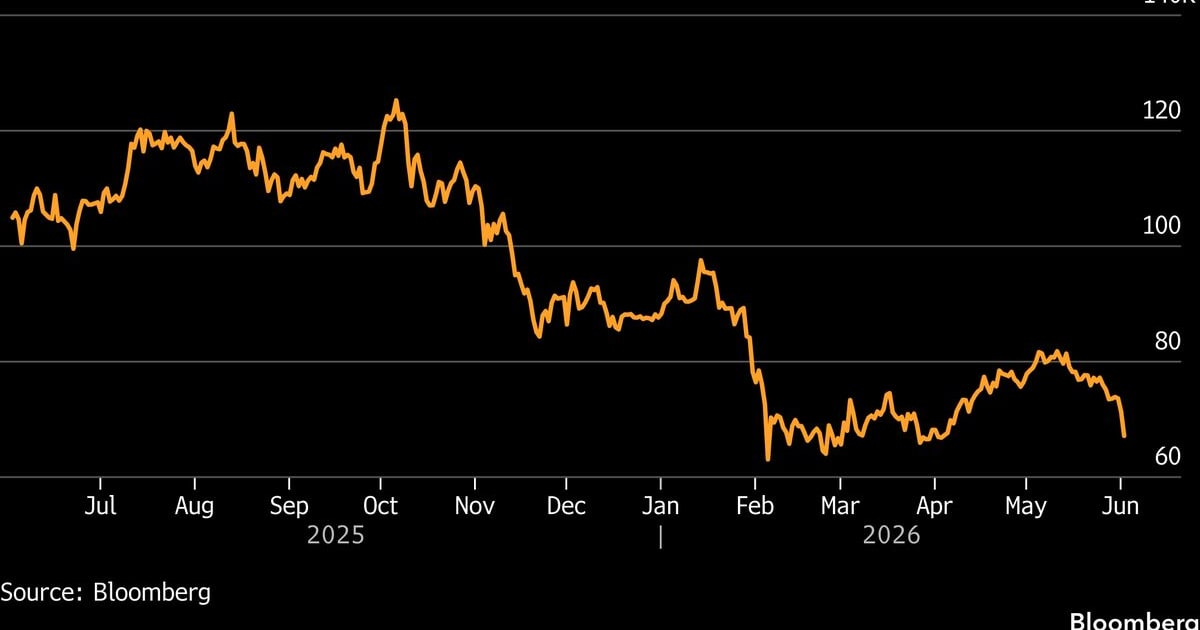
Bitcoin's recent price volatility has shattered its reputation as a reliable hedge against global inflation. This article explores the ripple effects on the Indian equity market, analyzing which stocks are most vulnerable and where capital is likely to flow next.
The End of the 'Digital Gold' Era: Why Bitcoin’s Plunge Matters
For years, the investment thesis for Bitcoin was clear: it was the modern hedge against the debasement of fiat currency. However, the recent 36% drawdown in crypto markets has fundamentally decoupled Bitcoin from the inflation-hedging narrative. As global central banks tighten liquidity, the speculative froth is evaporating, leaving investors to question the role of digital assets in a high-interest-rate environment.
For the Indian investor, this isn't merely a crypto-native event. It is a bellwether for risk appetite. When speculative assets collapse, retail liquidity—the lifeblood of the recent Indian bull run—tends to rotate back into traditional safe havens. We are witnessing a structural shift where the 'risk-on' sentiment that defined 2021-2023 is being replaced by a defensive posture.
How Does the Crypto Liquidity Crunch Impact Indian Fintech Stocks?
The Indian financial landscape has seen a proliferation of platforms that, while not exclusively crypto-focused, have benefitted immensely from the retail trading frenzy. Platforms that aggressively marketed digital asset trading as a gateway to wealth generation are now facing a 'double-whammy': lower transaction volumes and higher customer acquisition costs as retail interest wanes.
Historically, when speculative interest in Nifty-50 mid-caps wanes, we see a contraction in the P/E multiples of high-beta financial services firms. In 2022, during the previous crypto winter, we observed a 15-20% drawdown in stocks heavily reliant on retail trading volumes. This time, the cooling effect could be more pronounced given the regulatory scrutiny currently enveloping the fintech sector.
Stock-by-Stock Breakdown: Who Wins and Who Loses?
1. Angel One (ANGELONE)
Impact: Negative. As a retail-heavy brokerage, Angel One has benefitted from the democratization of trading. However, a significant portion of their active user base engages in speculative segments. A shift away from crypto often correlates with a cooling in broader retail participation, which could compress their quarterly average daily turnover (ADTV) figures.
2. Motilal Oswal Financial Services (MOTILALOFS)
Impact: Moderate/Negative. While more diversified than pure-play discount brokers, their wealth management division faces headwinds if retail sentiment remains bearish. Their valuation, currently trading at a P/E of ~18x, may see multiple compression if assets under management (AUM) growth slows due to risk-aversion.
3. CDSL (CDSL)
Impact: Negative. As the primary depository for Indian securities, CDSL is a proxy for the health of the retail equity market. A decline in speculative trading implies fewer new demat account openings and lower transaction volumes, directly impacting their high-margin depository fees.
4. HDFC Bank (HDFCBANK) / ICICI Bank (ICICIBANK)
Impact: Positive. As capital rotates out of volatile digital assets, it finds its way into the safety of large-cap banking. These institutions offer stability and, crucially, a yield that crypto cannot match. Expect a 'flight to quality' where institutional inflows bolster these balance sheets.
Expert Perspective: The Contrarian View
"Bulls argue that Bitcoin’s volatility is a feature, not a bug—a necessary shakeout of weak hands before the next institutional adoption cycle. Conversely, bears suggest we are witnessing a permanent repricing of 'risk-free' assets, where the cost of capital has finally caught up with speculative excess."
The reality likely lies in the middle. While blockchain technology remains transformative, the *investment vehicle* of Bitcoin has failed its primary marketing test: being a stable store of value during inflationary cycles.
Actionable Investor Playbook: Navigating the Rotation
- Reduce Exposure: Trim positions in high-beta fintech and discount brokerage stocks that have significant exposure to volatile trading segments.
- Increase Defensive Allocation: Pivot towards FMCG giants like ITC (ITC) and Hindustan Unilever (HINDUNILVR). These stocks act as a natural hedge, providing dividend yields and earnings stability during market turbulence.
- Gold ETFs: As the 'digital gold' narrative fails, physical gold and gold ETFs (like GOLDBEES) are regaining their status as the preferred hedge against currency volatility.
- Watch Time Horizons: Maintain a 24-36 month horizon. The current cooling of speculative trading is a long-term healthy correction for the Indian equity market, clearing out excessive leverage.
Risk Matrix
| Risk Factor | Probability | Potential Impact |
|---|---|---|
| Regulatory Crackdown on Indian Crypto Exchanges | High | Severe |
| Liquidity Crunch for Niche Fintechs | Medium | Moderate |
| Global Recessionary Pressure | Medium | High |
What to Watch Next
Keep a close eye on the upcoming RBI Monetary Policy Committee (MPC) meetings. If the central bank signals a 'higher for longer' interest rate environment, expect further pressure on speculative assets. Additionally, watch for quarterly earnings reports from Indian brokerages; look specifically for 'Active Client' growth numbers—a decline there will be the first quantitative signal that the retail frenzy has officially ended.
See Angel One's AI Score
Our algorithmic screener scores Angel One on fundamentals, momentum, and risk — free to try, no card needed.
Try the AI Screener →Have questions about this story?
Ask Welth, our finance-focused AI research assistant, for a deeper breakdown — free trial included.
Chat with Welth AI →Disclaimer: This content is generated by WelthWest Research Desk based on publicly available reports and is for informational purposes only. It does not constitute financial advice, investment recommendations, or an offer to buy or sell securities. Always consult a qualified financial advisor before making investment decisions.
