Key Takeaway
Sophisticated defined-risk strategies for Bitcoin are emerging, signaling deeper institutional engagement in crypto. This trend could reroute capital and necessitate re-evaluation of traditional financial plays, impacting Indian exchanges and select banking counters.
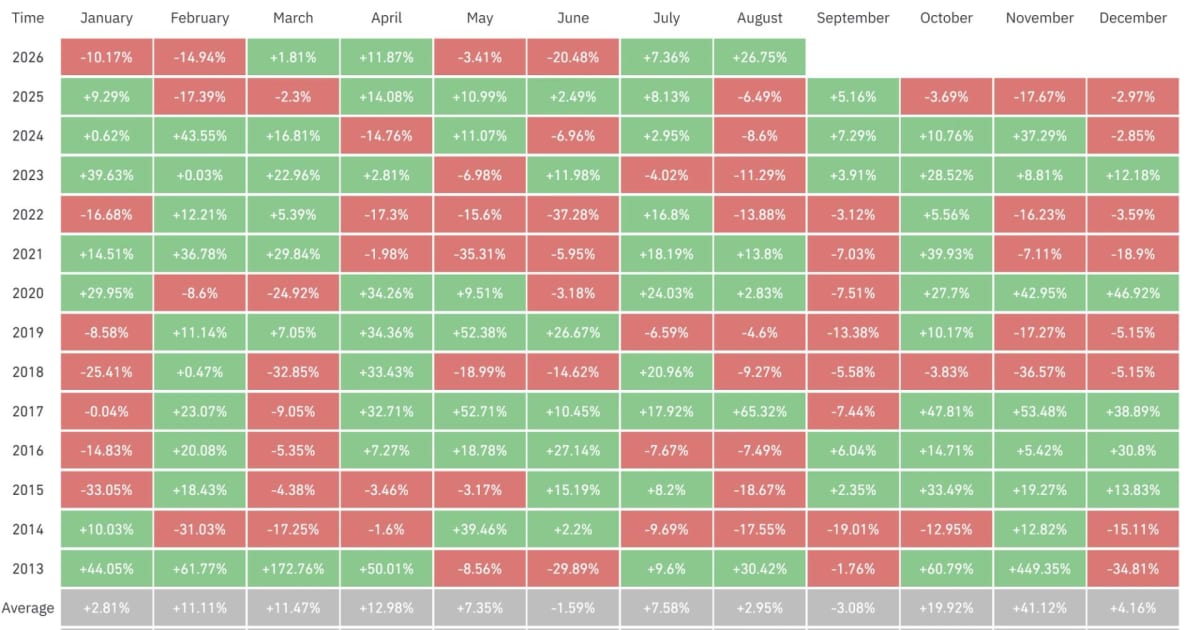
Bitcoin experts are increasingly favoring defined-risk strategies, a strong indicator of growing institutional participation in the cryptocurrency market. This evolving landscape presents both opportunities and risks for investors, with potential implications for the Indian financial ecosystem, from crypto exchanges to traditional banking stocks.
Bitcoin's Defined-Risk Pivot: A New Dawn for Institutional Crypto Engagement?
The cryptocurrency market, often characterized by its wild price swings and speculative fervor, is witnessing a subtle yet significant shift. Leading Bitcoin strategists are now openly advocating for the adoption of defined-risk strategies for capturing potential upside in Bitcoin's price trajectory. This isn't merely about predicting price direction; it's about constructing trades with pre-determined maximum loss potential, a hallmark of institutional-grade risk management. This evolution signals a maturing asset class and a growing comfort level among sophisticated market participants, including large funds and hedge operations, to allocate capital to digital assets while mitigating downside exposure.
Why This Bitcoin Strategy Shift Matters Now
The 'why now' is crucial. For years, direct exposure to Bitcoin often meant an all-or-nothing proposition, with investors riding the volatile waves without a clear safety net. The endorsement of defined-risk approaches by prominent crypto analysts suggests a confluence of factors. Firstly, increased regulatory clarity, albeit still evolving globally, provides a more predictable environment. Secondly, the sheer growth in market capitalization and liquidity of Bitcoin and other major cryptocurrencies has made them more amenable to complex derivative strategies. Lastly, and perhaps most importantly, it reflects a growing understanding and acceptance of Bitcoin as a legitimate, albeit high-risk, asset class within traditional finance. This shift is not just a trading tactic; it's a psychological and structural change that could unlock further institutional capital, potentially diverting funds that might have otherwise been solely allocated to traditional assets like equities or bonds.
Deep Market Impact Analysis: Ripple Effects on the Indian Financial Landscape
While India's direct integration into the global cryptocurrency markets is still nascent, the implications of this defined-risk strategy trend are far-reaching. The core impact lies in the potential redirection of capital flows. As institutional investors become more comfortable with crypto, a portion of the capital that traditionally flowed into Indian equities, particularly growth-oriented tech stocks or even gold as a safe-haven asset, could find its way into digital assets. This is not a zero-sum game, but a diversification play. For the Indian stock market, this means increased competition for investor attention and capital. Historically, periods of significant global liquidity injections or shifts in investor sentiment towards alternative assets have correlated with movements in Indian indices. For instance, during the liquidity-driven rally of late 2020 and early 2021, the Nifty 50 saw gains exceeding 30%. A sustained influx of institutional money into crypto, driven by sophisticated strategies, could temper the pace of such rallies in traditional Indian assets if capital allocation priorities shift.
The growth of sophisticated trading strategies in crypto also underscores the need for robust risk management frameworks within the Indian regulatory and financial ecosystem. As crypto assets become more intertwined with global finance, the Reserve Bank of India (RBI) and the Securities and Exchange Board of India (SEBI) will continue to grapple with how to best regulate this space to protect investors and maintain financial stability. The development of defined-risk strategies in crypto mirrors the evolution seen in other asset classes, suggesting that as crypto matures, it will increasingly adopt the tools and methodologies of traditional finance.
How Will the Rise of Sophisticated Crypto Trading Affect Indian Exchanges?
The primary beneficiaries of this trend in India will be the domestic cryptocurrency exchanges and financial service providers. Companies like Zanmai Labs, the parent company of the now-delisted WazirX, have historically been at the forefront of crypto adoption in India. Although WazirX faced regulatory headwinds and is no longer directly listed, its past performance and the broader sector's potential growth highlight the opportunity. Private entities like CoinDCX are also indicative of the sector's expansion, developing the infrastructure to support a growing user base interested in more complex trading instruments. As defined-risk strategies often involve derivatives like options, exchanges that can facilitate these trades, and companies offering related analytics and advisory services, stand to gain significantly. This could lead to increased trading volumes and revenue growth for these platforms, provided they navigate the evolving regulatory landscape effectively.
The Indirect Impact on Indian Banking and Financial Institutions
While direct exposure of major Indian banks to cryptocurrencies is limited due to regulatory ambiguity and risk aversion, the indirect impact is noteworthy. Banks such as HDFC Bank and ICICI Bank, which are at the forefront of financial innovation and services, could see opportunities in offering crypto-related financial services in the future, should the regulatory environment become more conducive. This might include custody services, compliance solutions for institutional investors, or even facilitating fiat on-ramps and off-ramps. The growth of the crypto market, coupled with the adoption of sophisticated trading strategies, creates a larger ecosystem that traditional financial institutions may eventually seek to serve. However, for now, their primary exposure is through indirect means, such as providing banking services to crypto businesses or managing investment portfolios where crypto is a nascent, albeit growing, allocation.
Stock-by-Stock Breakdown: Navigating the Crypto Currents on Indian Bourses
Identifying direct, listed players in the Indian stock market with significant cryptocurrency exposure is challenging due to the sector's regulatory status. However, we can analyze companies that are either indirectly linked or positioned to benefit from the broader digital asset ecosystem's growth and the increasing institutionalization of crypto trading.
- Zanmai Labs (Parent of WazirX): Although WazirX has faced significant regulatory challenges and delisted from public markets, its historical significance as a major Indian crypto exchange makes its parent company, Zanmai Labs, a reference point. While not directly investable as a standalone entity on NSE/BSE, its situation highlights the regulatory hurdles and the potential market size that such platforms aim to capture. The success of such platforms is directly tied to crypto adoption and trading volumes.
- CoinDCX (Private): As a leading privately held cryptocurrency exchange in India, CoinDCX's growth trajectory is a strong indicator of the sector's potential. While not listed on NSE/BSE, its expansion, funding rounds, and user acquisition figures are crucial for understanding the overall health and future prospects of the Indian crypto market. The increasing sophistication of trading strategies suggests that platforms like CoinDCX will need to offer advanced tools and services, driving their own growth.
- HDFC Bank (NSE: HDFCBANK): HDFC Bank, with a market capitalization of over ₹14 lakh crore and a P/E ratio typically in the range of 20-25x, is a bellwether for Indian banking. Its indirect impact stems from the potential for future services. If institutional investors increase their crypto allocations, HDFC Bank could eventually offer services like crypto custody, advisory, or facilitate transactions for its corporate clients. Currently, its direct crypto exposure is negligible, but its position as a financial services giant makes it a potential future player in a more regulated crypto ecosystem.
- ICICI Bank (NSE: ICICIBANK): Similar to HDFC Bank, ICICI Bank (market cap around ₹6.5 lakh crore, P/E around 15-20x) is a leading financial institution. Its indirect link to the crypto trend lies in its potential to adapt and offer services as the digital asset space matures and integrates with traditional finance. The bank's robust digital infrastructure and focus on innovation position it to cater to evolving client needs, which could include crypto-related financial solutions in the long term.
- Third-party payment processors and fintech companies: While not directly crypto-focused, companies that facilitate digital payments and financial transactions could see indirect benefits. As crypto adoption grows, transaction volumes, including fiat conversions, increase. However, specific NSE/BSE listed companies with significant direct exposure in this niche are rare, highlighting the segment's fragmented and often private nature.
The broader sector impact is on the tech and financial services segments of the Indian stock market. Companies focused on blockchain technology development, digital identity, and secure transaction processing, even if not directly dealing with cryptocurrencies, could see increased demand for their services as the digital asset ecosystem expands. Conversely, traditional investment vehicles that face increased competition from crypto for investor capital might experience slower growth rates.
Expert Perspectives: Bulls vs. Bears on Bitcoin's Defined-Risk Future
The sentiment surrounding Bitcoin and its evolving trading strategies is, as expected, polarized. Bulls view the shift towards defined-risk strategies as a sign of maturity and institutional acceptance. They argue that this professionalization of crypto trading will lead to more stable price discovery, attract significant institutional capital, and ultimately drive Bitcoin's price to new all-time highs. For them, options strategies like covered calls or structured products that limit downside are simply sophisticated tools to enhance returns in an already high-growth asset class. They believe this signifies the beginning of Bitcoin's integration into mainstream investment portfolios.
Bears, however, remain skeptical. They contend that defined-risk strategies, while seemingly prudent, do not eliminate the inherent volatility and speculative nature of Bitcoin. They might argue that these strategies are merely an attempt to put a veneer of sophistication on a fundamentally unstable asset. Bears point to the history of sharp drawdowns in Bitcoin and highlight that even defined-risk strategies can result in substantial losses if market movements are extreme or unpredictable. They might also express concerns about the regulatory overhang, arguing that any adverse regulatory development could still trigger significant price drops, rendering even well-constructed strategies ineffective. Furthermore, some bears might see this as a sign that the easy money has been made, and sophisticated players are now looking to extract value through complex instruments rather than pure price appreciation.
Actionable Investor Playbook: Navigating the Crypto-Adjacent Indian Market
For investors in the Indian market, the trend towards defined-risk crypto strategies presents a nuanced opportunity. It's not about directly investing in Bitcoin unless one has a high-risk tolerance and understands the asset class thoroughly. Instead, it's about understanding the ecosystem's maturation and its potential indirect impacts.
- Watch: Closely monitor the regulatory pronouncements from the RBI and SEBI regarding cryptocurrencies and digital assets. Any clarity or shift in stance will have a significant impact on the sector.
- Consider: For those with a high-risk appetite and a strong understanding of digital assets, exploring crypto-focused ETFs or funds that offer diversified exposure, or even directly investing in Bitcoin or Ethereum via regulated platforms, could be considered. However, this should constitute a very small portion of a diversified portfolio.
- Invest (Indirectly): Focus on Indian financial institutions that are well-positioned to benefit from increased financial innovation and potential future services in the digital asset space. Companies like HDFC Bank and ICICI Bank are strong candidates due to their scale and technological capabilities. Their valuations (e.g., HDFC Bank's P/E of ~22x, ICICI Bank's P/E of ~17x) are relatively stable, offering a less volatile entry point compared to direct crypto.
- Avoid: Investors with low-risk tolerance should avoid direct exposure to volatile cryptocurrencies. Also, be wary of speculative penny stocks or companies making unsubstantiated claims about crypto involvement.
- Entry Points: For banking stocks, consider dollar-cost averaging during market dips, capitalizing on the inherent stability and dividend potential of these established institutions. For any direct crypto investment (if undertaken), entry points are highly speculative and depend on market timing.
- Time Horizon: The impact of institutional crypto adoption on traditional finance is a medium-to-long-term story. Short-term fluctuations in Bitcoin will likely have minimal direct impact on NSE/BSE listed banks. Focus on the structural shift over 3-5 years.
Risk Matrix: Key Hurdles for the Crypto Ecosystem and Indian Investors
The evolving crypto landscape, even with sophisticated strategies, is fraught with risks. Understanding these is paramount for any investor.
- Regulatory Uncertainty (Probability: High): The primary risk remains the ambiguous and evolving regulatory framework for cryptocurrencies in India and globally. Unexpected policy changes, bans, or stringent compliance requirements can dramatically impact market access, trading volumes, and the viability of crypto businesses. This could lead to sharp price corrections and affect indirectly linked companies.
- Market Volatility & Strategy Failure (Probability: High): Despite defined-risk strategies, Bitcoin and other cryptocurrencies are inherently volatile. Extreme market events (e.g., a 30-40% drop in a week) can overwhelm even well-constructed derivative positions, leading to significant losses. The efficacy of these strategies is heavily dependent on accurate market predictions, which are never guaranteed.
- Cybersecurity & Platform Risk (Probability: Medium): Cryptocurrency exchanges and related platforms are constant targets for cyberattacks. A major security breach could lead to loss of assets for users and significant reputational damage for the platform, impacting investor confidence and trading volumes on that exchange.
- Liquidity Contraction (Probability: Medium): While institutional interest is growing, the overall liquidity in the crypto market can still dry up rapidly during periods of stress. This can make it difficult to exit positions, even with defined-risk strategies, potentially exacerbating losses.
What to Watch Next: Upcoming Catalysts in the Crypto and Indian Markets
Several key developments will shape the future trajectory of both the cryptocurrency market and its indirect impact on Indian equities:
- Global Regulatory Updates: Watch for significant policy announcements from major financial regulators like the US SEC, European Union bodies, and crucially, the RBI and SEBI. Developments regarding stablecoins, crypto derivatives, and investor protection rules will be critical.
- Bitcoin Halving Cycle (Upcoming in April 2024): Historically, Bitcoin's halving events, which reduce the rate of new Bitcoin creation, have been followed by significant price rallies. While past performance is not indicative of future results, this is a fundamental catalyst that market participants will be closely watching. The market's reaction to this event, especially in conjunction with institutional strategies, will be telling.
- US Interest Rate Policy: Global liquidity conditions, heavily influenced by US Federal Reserve policy, will continue to impact risk asset appetite. A pivot towards rate cuts could inject more liquidity into markets, potentially benefiting both crypto and Indian equities, while higher-for-longer rates could dampen enthusiasm.
- Performance of Indian Banking Stocks: Monitor the earnings reports and guidance from major Indian banks like HDFC Bank and ICICI Bank. Their commentary on digital asset trends and their preparedness for future financial innovations will provide insights into their indirect exposure and potential.
- Growth Metrics of Indian Crypto Exchanges: While private, the reported user growth, trading volumes, and revenue figures from major Indian exchanges like CoinDCX will serve as key indicators of domestic crypto adoption and the success of evolving trading strategies.
The integration of defined-risk strategies into Bitcoin trading is more than just a technical shift; it's a signpost pointing towards a future where digital assets are treated with the same analytical rigor as traditional markets. For Indian investors, staying informed about these global trends and their subtle, yet significant, implications for domestic financial markets is key to navigating the evolving investment landscape.
See WazirX (indirect, via parent company Zanmai Labs)'s AI Score
Our algorithmic screener scores WazirX (indirect, via parent company Zanmai Labs) on fundamentals, momentum, and risk — free to try, no card needed.
Try the AI Screener →Have questions about this story?
Ask Welth, our finance-focused AI research assistant, for a deeper breakdown — free trial included.
Chat with Welth AI →Disclaimer: This content is generated by WelthWest Research Desk based on publicly available reports and is for informational purposes only. It does not constitute financial advice, investment recommendations, or an offer to buy or sell securities. Always consult a qualified financial advisor before making investment decisions.
