Key Takeaway
Bitcoin's seasonal weakness, amplified by persistent global rate hike risks, signals a potential 'Rektember' for risk assets. Indian investors must brace for possible FII outflows and sector-specific corrections, particularly in growth-oriented and crypto-adjacent equities.
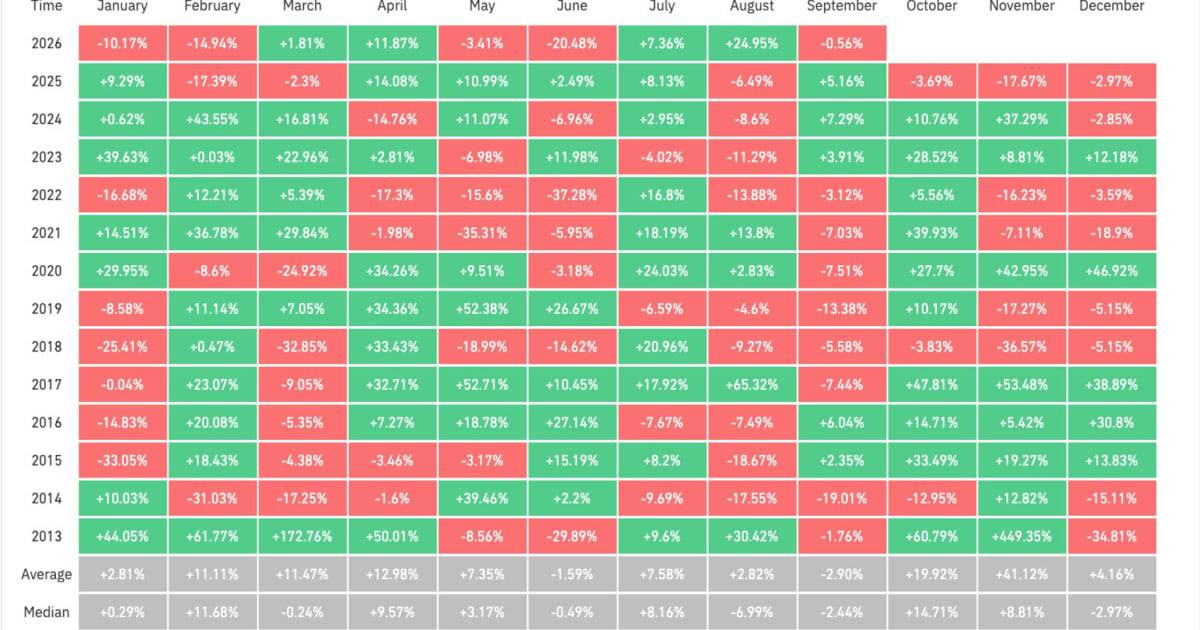
Bitcoin is entering a historically weak period, 'Rektember,' exacerbated by the looming threat of further interest rate hikes by central banks, especially the US Federal Reserve. This confluence creates a potent cocktail for risk assets globally. Our exclusive WelthWest analysis dissects how this crypto downturn could trigger broader risk-off sentiment, impacting foreign institutional investment (FII) flows into India and potentially affecting tech-related Indian stocks and entities with indirect crypto exposure.
Bitcoin's 'Rektember' Looms: Unpacking the Fed Rate Hike Ripple Effect on Indian Equities
The cryptocurrency market, particularly Bitcoin (BTC), stands at a critical juncture. As September unfurls, a historically weak month for digital assets, the specter of sustained global interest rate hikes, led by the hawkish stance of the US Federal Reserve, casts a long shadow. This potent combination has led analysts to dub the coming period 'Rektember' – a portmanteau of 'rekt' (internet slang for 'wrecked') and September – signaling potential turbulence for the world's largest cryptocurrency and, by extension, the broader risk asset landscape. For Indian investors, this isn't merely a crypto story; it's a crucial macro-financial indicator with tangible implications for the National Stock Exchange (NSE) and Bombay Stock Exchange (BSE).
Bitcoin's price action often serves as a bellwether for speculative appetite. Its current market capitalization hovering around $500 billion, while substantial, remains susceptible to shifts in global liquidity. When central banks, particularly the Fed, signal or execute further monetary tightening, the cost of capital rises, making riskier assets less attractive. This direct relationship means that a 'Rektember' for Bitcoin could catalyze a broader risk-off environment, prompting a re-evaluation of growth stocks and emerging market allocations, including India.
Why Does Bitcoin's Volatility Matter for Indian Stocks Right Now?
The connection between Bitcoin's performance and the Indian stock market might seem tangential at first glance, but a deeper dive reveals significant linkages. The primary conduit is global capital flows, specifically Foreign Institutional Investor (FII) activity. When global risk appetite wanes due to rising interest rates, FIIs tend to de-risk portfolios, often pulling capital from emerging markets like India in favor of safer havens or higher-yielding US treasuries. This dynamic was starkly evident in 2022, a year marked by aggressive Fed tightening, where FIIs were net sellers in Indian equities to the tune of over $30 billion, contributing to the Nifty 50's relatively muted 4.3% gain compared to previous years' double-digit returns.
Moreover, the tech sector, both globally and in India, often mirrors the sentiment in risk assets. Companies with high growth potential but often lower immediate profitability are more sensitive to rising discount rates used in valuation models. A broad risk-off sentiment, partially triggered by a crypto downturn, could therefore pressure Indian tech stocks, which have enjoyed significant FII interest in recent years. While direct crypto exposure for most listed Indian entities is minimal, indirect sentiment contagion and capital reallocation effects are undeniable.
Historically, September has been Bitcoin's worst-performing month, with an average decline of over 6% since 2013. Coupled with the current narrative of 'higher for longer' interest rates from major central banks, particularly after recent inflation prints in the US, the probability of a significant market correction for Bitcoin increases. This isn't just a historical quirk; it reflects cyclical capital allocation decisions by large institutional players who rebalance portfolios at quarter-ends and in anticipation of year-end reporting.
Deep Market Impact Analysis: Connecting Crypto Volatility to Indian Equities
A sustained downturn in Bitcoin and the broader crypto market could initiate a cascading effect on Indian equities, particularly those sensitive to global growth sentiment and FII flows. The immediate impact would likely be felt across sectors that have benefited from robust FII inflows and those perceived as 'growth' plays.
FII Flows and Rupee Volatility: A significant global risk-off event, potentially exacerbated by a crypto slump, could lead to increased FII outflows from India. This would put downward pressure on the Indian Rupee (INR), making imports more expensive and potentially fueling domestic inflation. A weaker Rupee also impacts companies with significant foreign currency debt or those reliant on imported raw materials. For instance, a 1% depreciation in the Rupee against the USD can impact the profitability of certain auto and capital goods companies by 20-50 basis points due to increased input costs.
Tech Sector Re-evaluation: Indian IT services companies, while robust in their fundamentals, are not immune to global risk sentiment. While their revenue models are largely dollar-denominated, a global economic slowdown, often a consequence of aggressive rate hikes, can lead to reduced tech spending by their international clients. Furthermore, valuation multiples for high-growth tech stocks often contract during periods of rising interest rates. Companies like Tata Consultancy Services (TCS) and Infosys (INFY), despite their strong order books, could see P/E multiple compression if the broader market shifts away from growth toward value.
Impact on New-Age Tech and Startup Ecosystem: Beyond listed entities, the sentiment contagion could extend to India's burgeoning startup and new-age tech ecosystem. Many of these companies rely on venture capital funding, which often tracks global risk appetite. A tightening of global liquidity due to rate hikes could reduce the availability of capital for startups, impacting their growth trajectories and future IPO prospects. While not directly listed, this ecosystem's health is a significant indicator of India's economic dynamism.
Stock-by-Stock Breakdown: Indian Companies Under the Magnifying Glass
While direct exposure to cryptocurrencies among listed Indian companies is minimal due to regulatory uncertainties, several entities could feel the indirect effects of a 'Rektember' scenario. Our analysis identifies key sectors and specific stocks:
- Info Edge (India) Ltd (NAUKRI.NS): As a leading internet conglomerate with investments in various Indian tech startups, Info Edge is highly susceptible to sentiment shifts in the broader tech and startup ecosystem. A downturn in global risk appetite could lead to lower valuations for its unlisted assets and potentially impact recruitment activity across its platforms. Its current P/E ratio, often reflecting growth expectations, could face pressure. Sector peers like Zomato (ZOMATO.NS), while a separate entity, also operate in the consumer internet space and could see similar sentiment-driven corrections.
- Persistent Systems Ltd (PERSISTENT.NS): While a mid-cap IT services firm with strong niche capabilities, Persistent Systems' valuation, like many IT peers, is sensitive to global tech spending cycles and FII sentiment. A 'risk-off' environment could lead to a re-evaluation of its growth premium, potentially impacting its share price. The broader IT services index (NIFTY IT) could see a 5-8% correction in such a scenario, based on historical patterns of FII selling in 2022.
- L&T Technology Services Ltd (LTTS.NS): As an engineering and R&D services provider, LTTS caters to global clients in industries sensitive to economic cycles. A slowdown triggered by aggressive monetary tightening could lead to deferred R&D spending, impacting its order book and revenue visibility. Its relatively high P/E multiple compared to traditional industrials makes it vulnerable to a de-rating during risk-off phases.
- Reliance Industries Ltd (RELIANCE.NS): While a diversified conglomerate, Reliance's burgeoning digital and retail ventures (Jio Platforms, Reliance Retail) have attracted significant global growth capital. A broad risk-off sentiment could temper enthusiasm for these segments, potentially impacting their future valuation expectations and any potential separate listings. Furthermore, its substantial foreign debt could see increased servicing costs if the Rupee depreciates significantly against the USD.
- HDFC Bank Ltd (HDFCBANK.NS): As a bellwether for the Indian financial sector, HDFC Bank's performance is often tied to overall economic sentiment and FII flows. While a defensive play in many respects, significant FII outflows could put pressure on its share price. Moreover, a weaker Rupee could indirectly impact its corporate clients, potentially leading to higher non-performing assets (NPAs) in a prolonged downturn.
Expert Perspective: Bulls vs. Bears on Bitcoin's 'Rektember' and Indian Market Resilience
"While 'Rektember' for Bitcoin presents a legitimate concern for global risk assets, the Indian market's domestic resilience and structural growth story offer a degree of insulation. We might see tactical FII outflows, but strong retail participation and robust corporate earnings in specific sectors could cushion the blow. Investors should differentiate between speculative risk assets and fundamentally strong Indian equities." - WelthWest Senior Analyst
The Bearish Argument: Proponents of a bearish outlook emphasize the interconnectedness of global financial markets. They argue that the US Federal Reserve's unwavering focus on inflation control, even at the expense of economic growth, will inevitably lead to 'higher for longer' interest rates. This environment systematically drains liquidity from the system, making speculative assets like Bitcoin highly vulnerable. A significant crypto correction, they contend, will trigger a broad-based flight to safety, impacting all risk assets, including Indian equities. The argument is that India, while a strong growth story, cannot entirely decouple from global liquidity cycles. FIIs manage global portfolios, and a risk-off mandate will see them trim allocations to emerging markets irrespective of local fundamentals.
The Bullish Counterpoint: Conversely, the bullish perspective acknowledges the seasonal weakness of Bitcoin but argues that the Indian market possesses unique strengths. They highlight India's robust domestic consumption, government infrastructure spending, and relatively stable inflation outlook compared to some developed economies. Furthermore, they point to the increasing sophistication of the Indian retail investor base, which has often acted as a counterweight to FII selling. While FIIs might pull back, domestic institutional investors (DIIs) and retail investors, buoyed by India's growth narrative, could provide support. They also argue that the direct impact of Bitcoin on Indian corporate earnings is negligible, making any contagion primarily sentiment-driven and thus potentially short-lived for fundamentally strong companies.
Actionable Investor Playbook: Navigating the 'Rektember' Headwinds
For discerning Indian investors, a proactive strategy is paramount to navigate potential 'Rektember' headwinds. This involves a blend of defensive positioning, selective value hunting, and maintaining a long-term perspective.
- De-risk Growth-Oriented Portions: Consider trimming positions in highly speculative or richly valued growth stocks, especially those in the new-age tech space or those with significant exposure to global discretionary spending. Reallocate some capital towards dividend-paying blue-chip companies or sectors with stable earnings.
- Focus on Domestic Consumption & Defensives: Sectors less reliant on FII flows and more on domestic demand, such as FMCG (e.g., Hindustan Unilever - HINDUNILVR.NS, Nestle India - NESTLEIND.NS) and Pharmaceuticals (e.g., Sun Pharmaceutical Industries - SUNPHARMA.NS, Dr. Reddy's Laboratories - DRREDDY.NS), could offer relative stability. Utilities and select public sector undertakings (PSUs) also tend to be defensive plays.
- Monitor FII Flows and INR: Keep a close watch on daily FII equity flow data released by the depositories and the USD/INR exchange rate. Sustained FII outflows exceeding $500 million weekly for multiple weeks, coupled with INR breaching key psychological levels like 83.50, would signal increasing risk.
- Consider Gold as a Hedge: In times of global uncertainty and potential currency depreciation, gold (e.g., through Gold ETFs like Nippon India ETF Gold BeES - GOLDBEES.NS) can serve as a traditional safe-haven asset, offering a hedge against market volatility.
- Long-term Accumulation Strategy: For long-term investors, market corrections driven by temporary global sentiment can present opportunities to accumulate high-quality Indian equities at more attractive valuations. Identify fundamentally strong companies with robust balance sheets, consistent earnings growth, and dominant market positions.
- Entry Points: For tech and growth stocks, look for entry points after a significant correction (e.g., 15-20% from recent highs) and when FII selling pressure subsides, indicated by a reversal in weekly flow data. For defensive plays, consider accumulating on minor dips.
- Time Horizons: This 'Rektember' risk is primarily a short to medium-term concern (3-6 months). Long-term investors (1-3+ years) should focus on compounding returns from quality assets, using short-term volatility to their advantage.
Risk Matrix: Assessing the Probabilities
- Sustained Aggressive Fed Tightening (Probability: Medium-High): The primary risk. If the Fed continues to raise rates aggressively, or maintains rates 'higher for longer' than anticipated, it will continue to drain global liquidity, directly impacting risk assets and FII flows. Recent inflation data suggests this path is likely.
- Significant Bitcoin & Crypto Market Crash (Probability: Medium): While a complete collapse is unlikely, a 20-30% correction in Bitcoin from current levels is plausible given historical seasonality and macro headwinds. This would amplify risk-off sentiment.
- Global Economic Recession (Probability: Medium): Aggressive monetary tightening globally increases the risk of a recession in major economies, which would severely impact corporate earnings, trade, and capital flows, with India not entirely immune.
- Escalation of Geopolitical Tensions (Probability: Low-Medium): While not directly linked to 'Rektember,' any unforeseen geopolitical event (e.g., energy crisis, new conflict) could compound existing economic anxieties, triggering an even sharper flight to safety.
What to Watch Next: Key Catalysts and Data Releases
Investors should closely monitor several upcoming events and data releases that will shape the narrative around Bitcoin's 'Rektember' and its broader market implications:
- US Federal Reserve's FOMC Meetings (Sept. 19-20, Nov. 1, Dec. 13): The Fed's rate decisions, forward guidance, and dot plot projections will be paramount. Any hawkish surprises or strong signals for future hikes will intensify risk-off sentiment.
- US Inflation Data (CPI & PPI - Monthly): Core inflation figures in the US will dictate the Fed's stance. Higher-than-expected inflation will strengthen the case for further tightening.
- US Jobs Report (Monthly): A persistently strong US labor market gives the Fed more room to hike rates without fearing a deep recession. Weakening job data could signal a pause.
- Global Central Bank Announcements (ECB, BoE, RBI): Decisions from other major central banks, particularly the European Central Bank (ECB) and Bank of England (BoE), will contribute to the global liquidity picture. The Reserve Bank of India's (RBI) stance on domestic interest rates will also be crucial for local market sentiment.
- Bitcoin Price Action & On-Chain Metrics: Monitor Bitcoin's ability to hold key support levels (e.g., $25,000, $23,000). On-chain metrics like exchange inflows/outflows and miner capitulation could signal turning points.
- FII Flow Data (Daily/Weekly): Consistent monitoring of FII equity investment trends in India will provide real-time insights into global risk appetite and capital allocation shifts.
The confluence of seasonal weakness in Bitcoin and the persistent threat of further global monetary tightening creates a challenging environment for risk assets. Indian investors, while benefiting from strong domestic fundamentals, must remain vigilant and strategically position their portfolios to navigate the potential 'Rektember' turbulence and its ripple effects across the financial landscape.
Run a free AI Stock Screen
Our algorithmic screener scores any NSE/BSE stock on fundamentals, momentum, and risk — free to try, no card needed.
Try the AI Screener →Have questions about this story?
Ask Welth, our finance-focused AI research assistant, for a deeper breakdown — free trial included.
Chat with Welth AI →Disclaimer: This content is generated by WelthWest Research Desk based on publicly available reports and is for informational purposes only. It does not constitute financial advice, investment recommendations, or an offer to buy or sell securities. Always consult a qualified financial advisor before making investment decisions.
