Key Takeaway
Bitcoin's stubborn resilience against US monetary tightening and regulatory headwinds signals a potential shift in risk asset sentiment. While direct impact on Indian markets is low, this digital asset's performance can indirectly influence Foreign Institutional Investor (FII) flows into Indian equities, particularly impacting growth-oriented sectors and tech valuations.
This in-depth analysis dissects Bitcoin's unexpected strength amidst a hawkish US Federal Reserve and evolving crypto regulations. We explore the indirect ripple effects on Indian stock markets, from FII sentiment to sector-specific impacts, providing actionable insights for investors navigating this complex interplay of global digital assets and local equity performance.
Bitcoin's Unflinching Stance: A Digital Fortress Against Rate Hikes?
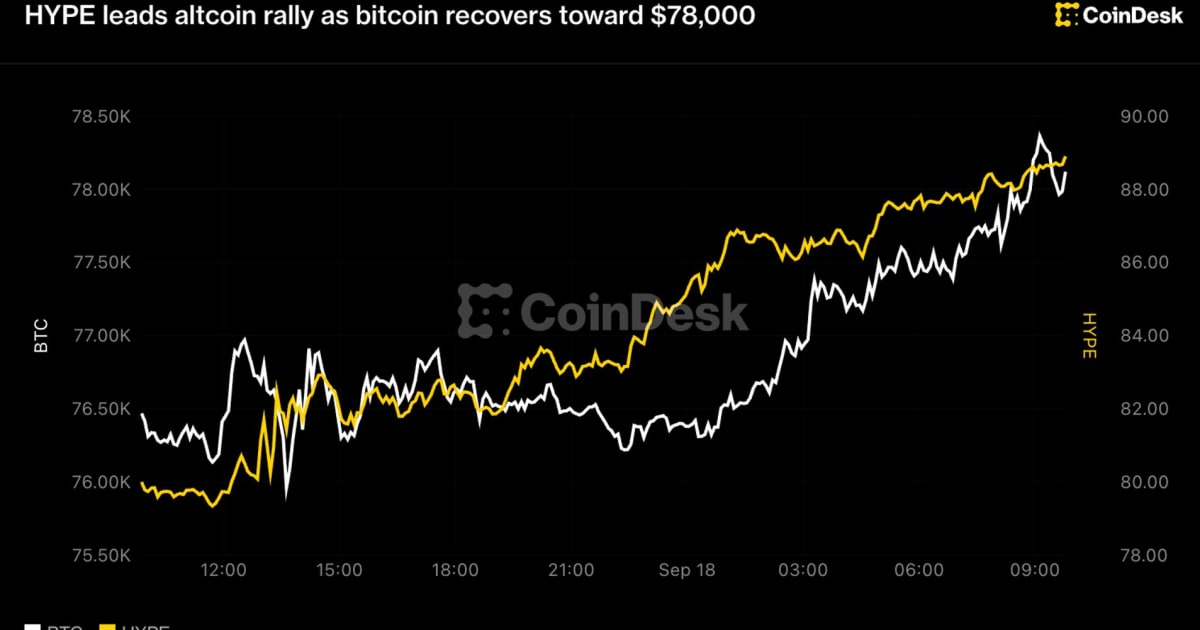
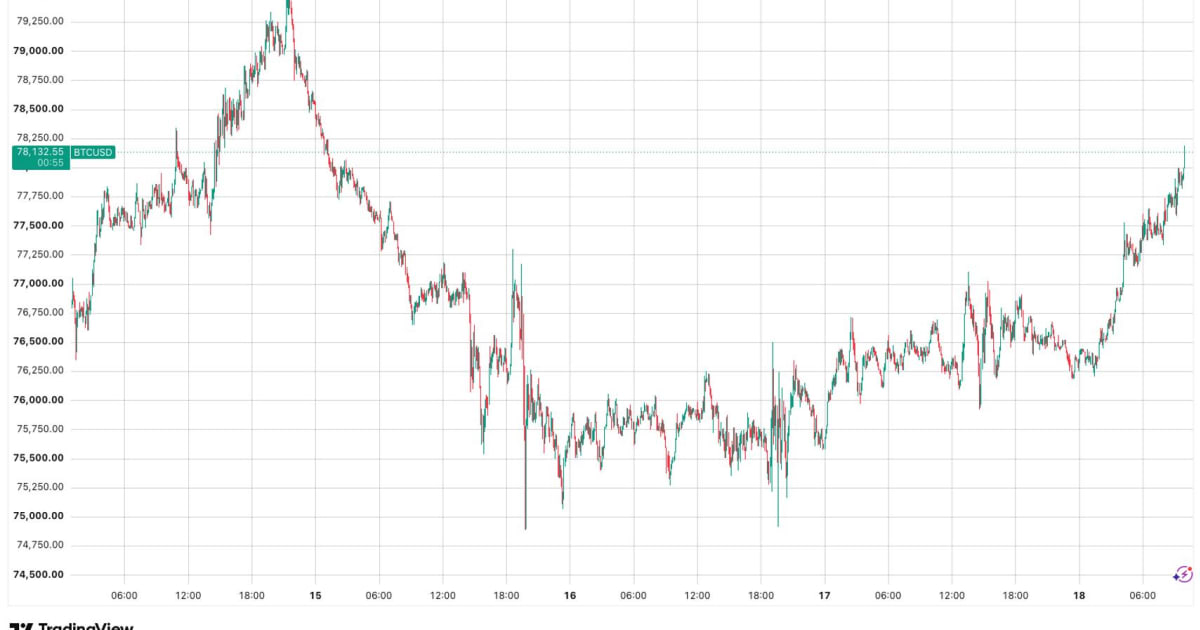
In a financial landscape dominated by the Federal Reserve's aggressive monetary tightening and a cloud of regulatory uncertainty surrounding cryptocurrencies, Bitcoin has demonstrated a remarkable capacity for resilience. While the direct correlation between Bitcoin's price action and the Indian stock market is often understated, its performance serves as a critical barometer for global risk appetite. This article delves into the intricate connections, revealing how digital asset stability or volatility can subtly but significantly influence Foreign Institutional Investor (FII) sentiment and, by extension, the trajectory of Indian equities, especially within growth-focused and technology-driven sectors.
The prevailing narrative in global finance has been one of caution, driven by persistent inflation necessitating higher interest rates. This environment typically pressures speculative assets and signals a 'risk-off' sentiment, which would logically suggest a downturn for Bitcoin. However, Bitcoin's ability to hold its ground, even showing pockets of strength, suggests a decoupling or a more complex set of demand drivers at play. Understanding this resilience is paramount for Indian investors, as shifts in global risk perception often precede tangible movements in capital flows into emerging markets like India.
Why Bitcoin's Performance Matters for Indian Investors NOW
The significance of Bitcoin's current performance for Indian markets lies not in direct transactional linkages but in its role as a sentiment indicator for global liquidity and risk tolerance. When Bitcoin experiences substantial volatility or a sustained downturn, it often coincides with a broader 'risk-off' environment. This global sentiment shift can deter FIIs from deploying capital into riskier emerging market assets, including Indian equities. Conversely, periods of stability or upward momentum in Bitcoin can signal a more relaxed global risk appetite, potentially encouraging FII inflows into Indian growth stocks and speculative segments.
Consider the recent period where the US Federal Reserve has been implementing rate hikes to combat inflation. Historically, such a hawkish stance has led to a contraction in liquidity and a sell-off in risk assets. Yet, Bitcoin has not capitulated as might be expected. This unusual resilience suggests that either the market is pricing in a 'pivot' from the Fed sooner than anticipated, or that the crypto market has developed independent demand drivers, such as institutional adoption or a narrative of Bitcoin as a digital inflation hedge. This divergence is crucial for Indian market participants trying to gauge the sustainability of FII interest.
Deep Market Impact Analysis: Connecting Crypto Currents to Indian Equity Tides
The indirect impact of Bitcoin's performance on Indian stock markets manifests primarily through FII behavior and the broader sentiment towards growth assets. When Bitcoin and other major cryptocurrencies are in a significant downturn, accompanied by headlines of regulatory crackdowns or exchange collapses, it tends to foster a general aversion to risk. This 'risk-off' sentiment can lead FIIs to reduce their exposure to emerging markets, including India, impacting liquidity and potentially leading to corrections in the Nifty 50 and the broader market indices.
For instance, during periods of extreme crypto downturns, we have observed a correlation, albeit lagged and indirect, with reduced FII inflows into Indian equities. In late 2022, following a series of crypto meltdowns like the FTX collapse, FIIs turned net sellers in Indian equities for extended periods. While multiple factors were at play, the pervasive negativity in the digital asset space contributed to a broader reassessment of risk by global investors. This led to a noticeable cooling in the performance of Indian growth stocks and technology companies, which are often more sensitive to FII flows and risk sentiment.
Conversely, when Bitcoin exhibits stability or climbs, it can contribute to a more optimistic global investment climate. This can translate into increased FII inflows into India, bolstering the performance of sectors that rely heavily on foreign capital. The technology sector, with its inherently higher valuations and growth potential, is particularly susceptible to these shifts. A positive sentiment in crypto can signal a broader embrace of innovation and future-oriented assets, which often benefits Indian IT services companies and emerging tech players.
How Will Regulatory Setbacks in Crypto Affect Indian Tech Stocks?
The cryptocurrency market is navigating a complex regulatory landscape globally, and any significant setbacks in clarity or outright bans in major economies can trigger ripple effects. While India has its own evolving regulatory framework for digital assets, global regulatory decisions often set precedents and influence international investor sentiment. A harsh regulatory environment in the US or Europe could lead to a broader 'flight to safety' among global investors, causing them to divest from perceived higher-risk assets, including speculative tech stocks in India.
The Indian IT sector, for example, has historically been a favorite among FIIs due to its strong export revenues and growth prospects. If global regulatory actions against crypto lead to a general tightening of liquidity and a heightened aversion to innovation-related investments, these Indian tech stocks could face headwinds. This is because the market often groups all technology and innovation-driven assets together when sentiment turns sour. The P/E multiples of companies like Infosys (NSE: INFY) or Tata Consultancy Services (NSE: TCS), which have historically traded at premium valuations, could come under pressure if the overall risk appetite diminishes due to negative developments in the digital asset space.
Furthermore, companies with significant direct or indirect exposure to the cryptocurrency ecosystem globally, even if not directly listed in India, can influence the perception of risk in the broader tech domain. For instance, a major global exchange facing severe regulatory penalties could indirectly dampen investor enthusiasm for technology adoption and blockchain-related ventures, impacting the valuations of publicly traded companies that might be seen as tangential players.
Winners and Losers in the Digital Asset Arena and Beyond
The primary beneficiaries of Bitcoin's resilience, irrespective of broader market trends, are entities directly involved in the cryptocurrency ecosystem. Global crypto exchanges, such as Binance, Coinbase (NASDAQ: COIN), and Kraken, benefit from increased trading volumes and user engagement, which directly translates into higher revenue and potential for profitability, assuming they can navigate the regulatory minefield. Companies that have strategically added Bitcoin to their balance sheets, like MicroStrategy (NASDAQ: MSTR), often see their stock prices move in tandem with Bitcoin's performance, with their market capitalization becoming highly correlated with the digital asset's value.
Conversely, the indirect losers are often found in the speculative technology stock segment of traditional markets. When Bitcoin's volatility or regulatory concerns create a 'risk-off' sentiment, investors tend to shed positions in companies perceived as high-growth but less established. This can include early-stage tech companies with unproven business models or those whose valuations are heavily reliant on future growth projections. For investors with high crypto exposure, any significant downturn in Bitcoin or its peers directly erodes their portfolio value, potentially leading to substantial financial losses.
The sentiment surrounding Bitcoin's current phase can be described as neutral to cautiously optimistic, particularly given its ability to withstand significant macro-economic pressures. The impact on the broader Indian market, as discussed, is considered low to moderate, primarily operating through sentiment and FII flows rather than direct economic linkages. However, the potential for increased volatility due to unforeseen regulatory events or hawkish Fed actions remains a significant risk.
Stock-by-Stock Breakdown: Indian Equities Under the Crypto Shadow
While no Indian listed company derives its primary revenue directly from Bitcoin trading or mining in a significant way, several sectors and individual stocks can be indirectly affected by shifts in global risk sentiment, which Bitcoin's performance influences. The primary transmission mechanism is through FII investment patterns and the overall market's perception of growth and innovation.
1. Tata Consultancy Services (TCS) (NSE: TCS)
Sector: IT Services
Impact: Moderate Negative Bias
TCS, as a bellwether for the Indian IT services sector, is highly sensitive to FII flows. If Bitcoin's volatility or regulatory concerns lead to a broader 'risk-off' sentiment, FIIs may reduce their exposure to Indian equities, including large-cap IT stocks. While TCS has a robust business model and strong order books, sustained FII outflows can pressure its valuation multiples. Last time global risk sentiment soured significantly in late 2022, TCS, along with its peers like Infosys and Wipro, saw their stock prices correct by 15-20% from their peaks, partly due to reduced foreign investment. Its current market capitalization of over ₹13 lakh crore means even small shifts in FII sentiment can have a noticeable impact.
2. Infosys (NSE: INFY)
Sector: IT Services
Impact: Moderate Negative Bias
Similar to TCS, Infosys is a prime candidate to feel the indirect pressure from a negative risk-on sentiment driven by crypto turmoil. Infosys, with a market capitalization exceeding ₹6 lakh crore, is a significant component of FII portfolios. A global aversion to risk assets, partly fueled by concerns in the crypto space, can lead to a re-evaluation of growth stocks. Historically, Infosys's P/E ratio has expanded during periods of strong FII inflows and contracted when foreign investors become cautious. A downturn in crypto could contribute to a scenario where the market discounts future earnings of IT companies more aggressively.
3. Reliance Industries Ltd (NSE: RELIANCE)
Sector: Diversified Conglomerate (with significant tech investments)
Impact: Low to Moderate Negative Bias
While Reliance Industries, with its market cap of over ₹18 lakh crore, is a diversified giant, its significant investments in digital ventures, including Jio Platforms, make it indirectly sensitive to tech sector sentiment. If global sentiment turns sour due to crypto issues, it could affect the appetite for high-growth tech investments, potentially impacting the valuation of Reliance's digital arm or its future funding capabilities. However, its strong fundamentals in traditional sectors like energy and retail provide a buffer, making the impact less pronounced than on pure-play IT firms.
4. Paytm (NSE: PAYTM)
Sector: Fintech/Digital Payments
Impact: Moderate to High Negative Bias
Paytm, as a prominent fintech player with a market capitalization of around ₹30,000 crore, is more directly exposed to the broader sentiment around digital innovation and financial technology. While not directly involved in crypto, a global regulatory crackdown on digital assets or a significant downturn in the crypto market could lead investors to become more cautious about high-risk, high-growth fintech companies. This could translate into lower valuations and increased scrutiny of its path to profitability, especially if FIIs are pulling back from emerging market tech.
5. Dixon Technologies (India) Ltd (NSE: DIXON)
Sector: Electronics Manufacturing Services
Impact: Low to Moderate Negative Bias
Dixon Technologies, a key player in India's electronics manufacturing push, with a market cap of approximately ₹60,000 crore, could see indirect effects. As a beneficiary of government incentives and growing domestic demand, its performance is robust. However, if a global 'risk-off' sentiment intensifies, impacting FII flows into India, even fundamentally strong growth companies like Dixon might face valuation pressures. The company's strong revenue growth (e.g., reporting over ₹15,000 crore in revenue in FY23) is attractive, but a broad market sell-off driven by external factors could temporarily overshadow these fundamentals.
Expert Perspective: Bulls vs. Bears on Bitcoin's Resilience
Bullish View: Proponents argue that Bitcoin's ability to withstand US rate hikes signifies its maturation as a distinct asset class. They point to increasing institutional adoption, the narrative of Bitcoin as 'digital gold' and an inflation hedge, and the upcoming Bitcoin halving events as fundamental drivers that are now overshadowing traditional macro-economic pressures. For India, this resilience in crypto is seen as a positive sign for overall risk appetite, potentially leading to sustained or increased FII inflows into equities.
Bearish View: Skeptics contend that Bitcoin's current resilience is ephemeral and a temporary decoupling. They emphasize that as long as the US Federal Reserve maintains a hawkish stance and liquidity remains tight, speculative assets like Bitcoin are inherently vulnerable. Any unexpected hawkish signal from the Fed or a significant regulatory setback could trigger a sharp correction, leading to a 'risk-off' sentiment that would indeed negatively impact Indian equity markets, particularly growth and tech stocks. They also highlight that the crypto market is still highly susceptible to sentiment-driven panics.
Actionable Investor Playbook: Navigating the Crypto-Indian Equity Nexus
For investors aiming to navigate the complex interplay between Bitcoin's performance and the Indian stock market, a strategic approach is crucial. The current environment calls for a balanced portfolio that acknowledges both global macro trends and specific Indian growth drivers.
- What to Buy: Focus on fundamentally strong Indian companies with robust earnings, healthy balance sheets, and dominant market positions across sectors like banking (e.g., HDFC Bank - NSE: HDFCBANK, ICICI Bank - NSE: ICICIBANK), pharmaceuticals (e.g., Sun Pharmaceutical Industries - NSE: SUNPHARMA), and select manufacturing companies benefiting from 'Make in India' initiatives. These sectors are generally less sensitive to short-term FII sentiment shifts driven by speculative assets.
- What to Sell/Avoid: Exercise caution with highly speculative technology stocks or companies with unproven business models that are currently trading at very high P/E multiples and are heavily reliant on sustained FII inflows or a 'risk-on' environment. Consider trimming positions in such stocks if they have seen substantial gains without corresponding fundamental improvements.
- What to Watch: Closely monitor US Federal Reserve commentary on interest rates and inflation, any significant regulatory developments concerning cryptocurrencies globally, and FII inflow/outflow data for the Indian equity market.
- Entry Points: For fundamentally strong Indian stocks, consider a staggered entry approach (Systematic Investment Plan - SIP) to average out costs during periods of market dips. For those interested in the tech sector, wait for clearer signals of sustained FII interest or for valuations to become more attractive after potential corrections.
- Time Horizons: A long-term investment horizon (3-5 years or more) is recommended, allowing portfolios to ride out short-term volatility driven by global sentiment. Short-term traders should be highly vigilant of macro-economic data releases and geopolitical events.
Risk Matrix: Quantifying Potential Headwinds
1. Continued Hawkish US Fed Stance (Probability: High): The US Federal Reserve may continue its aggressive rate-hiking cycle or maintain higher rates for an extended period if inflation proves stubborn. This would tighten global liquidity, pressure risk assets, and likely lead to reduced FII inflows into India, impacting equity valuations.
2. Significant Crypto Regulatory Setbacks (Probability: Medium): Adverse regulatory actions in major economies (e.g., US, EU) could lead to increased volatility in the crypto market, triggering a broader 'risk-off' sentiment among global investors and potentially impacting Indian tech and growth stocks.
3. Geopolitical Shocks (Probability: Medium): Unforeseen geopolitical events or escalations could quickly shift global investor sentiment towards safety, leading to a sell-off in emerging markets and dampening the impact of positive crypto trends.
4. Unforeseen Inflationary Surges (Probability: Low to Medium): A renewed surge in global inflation could force central banks, including the Fed, to remain hawkish or even increase rates further, exacerbating pressure on risk assets.
What to Watch Next: Upcoming Catalysts
The trajectory of Bitcoin and its indirect influence on Indian markets will be shaped by several key upcoming events and data releases:
- US Inflation Data (CPI/PCE): Crucial for the Federal Reserve's monetary policy decisions. Higher-than-expected inflation prints will likely keep the Fed hawkish, while moderating inflation could signal a potential pause or pivot.
- Federal Reserve Meeting Minutes and Speeches: These provide forward guidance on monetary policy and offer insights into the Fed's thinking on inflation and interest rates.
- Global Regulatory Developments in Crypto: Announcements from major financial regulators regarding stablecoins, exchanges, or token classifications could significantly impact crypto market sentiment.
- Indian Economic Data: Domestic inflation figures, GDP growth, and manufacturing PMI will influence the Reserve Bank of India's (RBI) stance and overall investor confidence in India.
- Quarterly Earnings Reports for Indian IT Majors: The performance and outlook provided by companies like TCS and Infosys during their earnings calls will be critical indicators of the IT sector's health and FII interest.
By monitoring these factors, investors can better position themselves to capitalize on opportunities and mitigate risks arising from the dynamic interplay between global digital assets and the Indian stock market.
Run a free AI Stock Screen
Our algorithmic screener scores any NSE/BSE stock on fundamentals, momentum, and risk — free to try, no card needed.
Try the AI Screener →Have questions about this story?
Ask Welth, our finance-focused AI research assistant, for a deeper breakdown — free trial included.
Chat with Welth AI →Disclaimer: This content is generated by WelthWest Research Desk based on publicly available reports and is for informational purposes only. It does not constitute financial advice, investment recommendations, or an offer to buy or sell securities. Always consult a qualified financial advisor before making investment decisions.