Key Takeaway
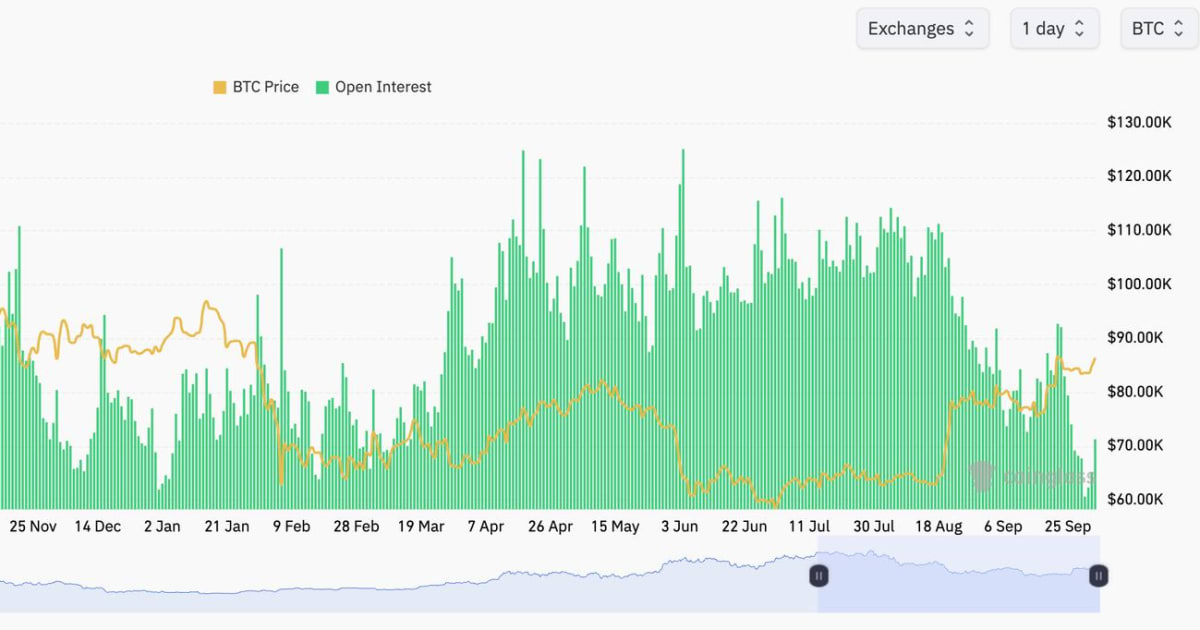
The unexpected weakness in U.S. employment figures has propelled Bitcoin past $87,000, signaling a potential shift in Federal Reserve policy. This global 'risk-on' sentiment indirectly bolsters Indian technology and blockchain-focused companies, while heightening scrutiny on domestic crypto regulations.
Bitcoin's dramatic ascent to $87,000, triggered by a surprisingly soft U.S. jobs report, is more than just a crypto headline. This analysis delves into the intricate macroeconomic forces at play, their ripple effects on global markets, and crucially, their implications for Indian investors and specific NSE/BSE listed companies with blockchain exposure or sensitive to global risk appetite.
Bitcoin's $87,000 Leap: Decoding the U.S. Jobs Data Shockwave and Its Global Resonance
In a move that has sent ripples across global financial markets, Bitcoin has surged to an astonishing $87,000. This dramatic ascent is not an isolated event but a direct consequence of a significant miss in the latest U.S. jobs data. The Bureau of Labor Statistics reported a far lower number of new job creations than economists had predicted, a signal that carries profound implications for monetary policy and asset valuations worldwide. For investors, understanding the nexus between macroeconomic indicators and digital asset performance has never been more critical, particularly when considering the indirect, yet potent, influence on the Indian equity landscape.
What Triggered the Bitcoin Boom? The Fed's Interest Rate Dilemma
The core of Bitcoin's recent performance surge lies in the intricate relationship between economic data and the U.S. Federal Reserve's monetary policy stance. A weaker-than-expected employment report is traditionally interpreted as a sign of cooling economic activity. This cooling trend often prompts central banks, including the Fed, to consider a more dovish approach, which typically involves lowering interest rates or at least pausing further hikes. Lower interest rates reduce the attractiveness of yield-generating assets like bonds and savings accounts, making non-yielding, speculative assets such as Bitcoin comparatively more appealing. Investors, seeking higher returns in a lower-interest-rate environment, rotate capital into assets perceived to offer greater upside potential. The $87,000 mark for Bitcoin is a testament to this 'risk-on' sentiment, where capital flows away from traditional safe havens and towards assets with higher volatility and potential for exponential growth.
This dynamic is particularly relevant given the current global economic climate, characterized by persistent inflation concerns and the Fed's prolonged period of interest rate hikes aimed at taming price pressures. The recent jobs data provides the first tangible evidence that these hikes might be achieving their intended effect, perhaps even to an extent that necessitates a policy pivot sooner than anticipated. The market's immediate reaction, a sharp upward movement in Bitcoin's price, underscores the speculative nature of the cryptocurrency market and its high sensitivity to shifts in global liquidity conditions and central bank signaling. The $87,000 level represents a significant psychological and technical barrier, and its breach signifies a strong bullish sentiment driven by these macroeconomic cues.
Deep Market Impact Analysis: Connecting Bitcoin's Surge to the Indian Stock Market
While India's direct regulatory framework for cryptocurrencies remains in a state of flux, the global surge in Bitcoin's price, driven by U.S. economic data, creates a palpable, albeit indirect, impact on the Indian stock market. The primary transmission mechanism is through enhanced global risk appetite. When major digital assets like Bitcoin experience significant rallies, it often coincides with a broader 'risk-on' environment, where investors are more willing to allocate capital to growth-oriented and volatile assets. This sentiment can spill over into emerging markets, including India, boosting investor confidence in sectors that are sensitive to global economic trends and liquidity.
Specifically, Indian technology companies, particularly those with nascent or established interests in blockchain technology, stand to benefit. Companies exploring decentralized applications (dApps), Non-Fungible Tokens (NFTs), or the underlying blockchain infrastructure could see increased investor interest and potentially higher valuations. Furthermore, Indian IT service providers that offer blockchain development services to global clients may witness an uptick in demand. The indirect impact also extends to Indian companies that hold Bitcoin on their balance sheets or have significant exposure to global cryptocurrency exchanges. While such direct holdings are rare among listed Indian entities, a sustained global crypto rally can improve the financial health and market perception of their international partners or subsidiaries.
Historically, periods of significant global liquidity injections or anticipated monetary easing have often correlated with periods of strong performance in emerging market equities, including India. For instance, following the COVID-19 pandemic-induced liquidity surge in 2020-2021, the Nifty 50 experienced a substantial rally, and this period also saw a parallel increase in interest around digital assets. While the current scenario is driven by a potential rate *cut* rather than an explicit injection, the underlying principle of increased liquidity and reduced borrowing costs remains a potent catalyst for risk assets. The Bitcoin surge to $87,000 is a powerful signal of this shifting sentiment, suggesting that capital is actively seeking higher returns away from traditional fixed-income instruments.
How Will the Federal Reserve's Pivot Influence Indian Equities?
The anticipation of U.S. interest rate cuts, fueled by the weak jobs report, directly impacts the cost of capital globally. Lower interest rates in the U.S. can lead to a depreciation of the U.S. dollar, making Indian assets relatively more attractive to foreign institutional investors (FIIs). An influx of FII capital is a significant driver of the Indian stock market's performance, especially for large-cap and mid-cap stocks. Furthermore, a dovish Fed stance often signals a global economic environment conducive to growth, which benefits export-oriented sectors like Indian IT services and manufacturing. Companies with significant foreign currency debt may also find their debt servicing costs reducing, improving their profitability. The $87,000 Bitcoin price is an early indicator of this potential global easing cycle, and its sustainability will be closely watched by Indian market participants.
The Indian cryptocurrency market, though nascent, is also a direct beneficiary of this global sentiment. While regulatory clarity is still a work in progress, increased global interest can lead to higher trading volumes on Indian exchanges and a potential re-evaluation of crypto-related ventures. The Reserve Bank of India's (RBI) own monetary policy decisions are also influenced by global trends, and a dovish stance from the Fed might provide the RBI with more room to maneuver its own interest rate policies, potentially benefiting Indian businesses and consumers through lower borrowing costs.
Stock-by-Stock Breakdown: Indian Companies Feeling the Bitcoin Ripple
The impact of Bitcoin's surge on the Indian stock market is largely indirect, affecting companies through sentiment, global risk appetite, and specific blockchain-related ventures. Here's a look at 4-6 specific NSE/BSE stocks that could be influenced:
- Infosys Ltd. (NSE: INFY): As India's second-largest IT services exporter, Infosys stands to benefit from a global 'risk-on' sentiment that often accompanies a dovish Fed. Companies like Infosys provide blockchain development and consulting services to global clients. A sustained rally in digital assets and increased corporate interest in blockchain solutions could lead to higher demand for these services. With a market capitalization of approximately ₹6.5 lakh crore and a P/E ratio around 25, Infosys's performance is closely tied to global IT spending trends, which can be influenced by macroeconomic shifts.
- Wipro Ltd. (NSE: WIPRO): Similar to Infosys, Wipro (market cap ~₹2.3 lakh crore, P/E ~30) offers a suite of digital transformation services, including blockchain. A surge in cryptocurrencies and renewed interest in decentralized technologies can translate into more projects for Wipro's digital and consulting divisions. Its exposure to global markets means it's sensitive to shifts in foreign investment and corporate spending power.
- Tata Consultancy Services Ltd. (NSE: TCS): India's largest IT exporter (market cap ~₹14 lakh crore, P/E ~28) is a bellwether for the sector. While its direct blockchain exposure might be less emphasized than its peers, a broad-based increase in global technology adoption and investment, spurred by easier monetary conditions, would positively impact TCS. Its sheer scale means it benefits from any general uplift in the global technology services market.
- Reliance Industries Ltd. (NSE: RELIANCE): While not a direct crypto play, Reliance's vast ecosystem, including its digital ventures like Jio Platforms, could indirectly benefit from a stronger global economy and increased consumer spending power that a dovish Fed might foster. Furthermore, Reliance has explored various technological innovations, and a heightened interest in new digital frontiers could align with their long-term strategy. With a market cap exceeding ₹19 lakh crore, its performance is a significant indicator of overall market sentiment.
- HDFC Bank Ltd. (NSE: HDFCBANK): As a leading financial institution, HDFC Bank (market cap ~₹12 lakh crore, P/E ~22) is indirectly affected by the broader market sentiment. A global 'risk-on' environment can lead to increased capital inflows into India, benefiting the banking sector through higher lending opportunities and equity market buoyancy. While banks are traditionally seen as safe havens, a strong crypto rally driven by rate cut expectations can sometimes draw capital away from traditional banking deposits if retail investors seek higher speculative returns. However, the overall positive sentiment for the economy often outweighs this.
- Polyplex Corporation Ltd. (NSE: POLYPLEX): While seemingly unrelated, companies involved in specialized manufacturing can sometimes benefit from a global economic upswing. If the Bitcoin rally signals a sustained period of global economic expansion, demand for industrial materials could rise. Polyplex, with its diversified product portfolio, might see an uptick in demand if global manufacturing activity accelerates, a scenario often associated with lower interest rates. Market cap ~₹6,000 crore, P/E ~15.
Navigating the Blockchain Ecosystem in India
The rise of Bitcoin to $87,000 inherently brings blockchain technology into sharper focus. In India, companies actively involved in developing blockchain solutions or providing related services are the most direct beneficiaries of this renewed interest. This includes not only the large IT players but also smaller, specialized firms that are building decentralized applications (dApps), exploring NFTs, or working on supply chain solutions powered by blockchain. The challenge for these companies, and for investors, remains the evolving regulatory landscape. However, a globally bullish crypto market can provide the impetus for clearer domestic regulations, as governments often seek to harness the potential of innovative technologies.
Expert Perspective: Bulls vs. Bears on the Bitcoin-Induced Rally
The surge in Bitcoin to $87,000 following the U.S. jobs data has ignited robust debate among market strategists.
The Bulls Argue: This is a clear signal that the Federal Reserve is nearing an inflection point. The weaker jobs report provides the justification for rate cuts, which will flood the market with liquidity. This 'easy money' environment is precisely what speculative assets like Bitcoin thrive on. The $87,000 mark is just the beginning of a new bull cycle, driven by a fundamental shift in monetary policy. Indian tech companies, with their increasing exposure to blockchain and digital transformation, are perfectly positioned to capture this global wave of innovation and investment.
The Bears Counter: The market is overreacting to a single data point. Inflationary pressures may still be present, forcing the Fed to remain cautious or even delay rate cuts. The Bitcoin rally is purely speculative, detached from underlying economic fundamentals, and highly susceptible to sudden reversals. Regulatory uncertainty in India continues to pose a significant threat to any direct crypto investments, and the indirect benefits to Indian tech stocks are marginal at best. The $87,000 level could represent a peak before a sharp correction as market participants realize the Fed's hands might be tied.
The contrasting views highlight the inherent volatility and speculative nature of the cryptocurrency market, as well as the differing interpretations of macroeconomic signals. The sustainability of the $87,000 level for Bitcoin will hinge on subsequent economic data and Federal Reserve commentary.
Actionable Investor Playbook: Navigating the Crypto-Driven Market Shift
For Indian investors, the Bitcoin surge to $87,000 presents an opportunity to re-evaluate their portfolios through the lens of global macroeconomic shifts and technological innovation.
- What to Buy: Consider increasing exposure to Indian IT services companies with strong blockchain development capabilities. Companies like Infosys, Wipro, and TCS are well-positioned to benefit from increased global demand for digital transformation services, which can be amplified by a 'risk-on' sentiment. For those with a higher risk tolerance, explore globally diversified cryptocurrency funds or direct investments in Bitcoin and Ethereum, understanding the extreme volatility involved.
- What to Sell: Re-evaluate holdings in traditional safe-haven assets like gold if the 'risk-on' sentiment appears to be solidifying. While gold can offer protection, sustained periods of low interest rates and high liquidity can diminish its appeal relative to growth assets. Also, review highly leveraged companies in interest-rate sensitive sectors, as their valuations might be more vulnerable if rate cuts are perceived as a sign of significant economic slowdown rather than just easing.
- What to Watch: Closely monitor upcoming U.S. inflation data (CPI, PPI) and Federal Reserve speeches for further clues on monetary policy. In India, keep an eye on FII inflows, the performance of the Nifty IT index, and any regulatory updates concerning cryptocurrencies. The sustainability of Bitcoin holding above $87,000 is a key indicator of market sentiment.
- Entry Points: For Indian IT stocks, consider accumulating on minor dips, especially if the broader market experiences temporary corrections. For crypto assets, entry points are highly speculative; dollar-cost averaging over a defined period is a prudent strategy given the volatility.
- Time Horizons: The indirect benefits to Indian tech stocks could materialize over the medium to long term (6-18 months) as global economic trends and corporate spending solidify. Direct crypto investments are inherently short-to-medium term plays driven by sentiment and regulatory news, with long-term prospects contingent on technological adoption and regulatory clarity.
Risk Matrix: Understanding the Pitfalls of the Bitcoin Rally
While the Bitcoin surge to $87,000 offers potential upsides, it's crucial to acknowledge the associated risks:
- Regulatory Uncertainty (High Probability, High Impact): The lack of clear and consistent regulatory frameworks for cryptocurrencies in India and globally remains a significant overhang. Unfavorable regulations can lead to sharp price corrections and hinder the growth of blockchain-based businesses.
- Monetary Policy Reversal (Medium Probability, High Impact): The Federal Reserve's pivot to a dovish stance is based on current data. If inflation re-accelerates or other economic indicators strengthen unexpectedly, the Fed could revert to a hawkish stance, leading to a sharp reversal in asset prices, including Bitcoin and risk-sensitive equities.
- Speculative Bubble Burst (High Probability, Medium Impact): The rapid ascent of Bitcoin can be characteristic of a speculative bubble. If market sentiment shifts abruptly or if large holders decide to exit their positions, the price could crash significantly, leading to substantial losses for late entrants.
- Geopolitical and Macroeconomic Shocks (Medium Probability, High Impact): Unforeseen global events, such as conflicts, pandemics, or sovereign debt crises, can trigger a flight to safety, away from risk assets like Bitcoin and emerging market equities, regardless of monetary policy expectations.
What to Watch Next: Catalysts for the Next Market Move
The trajectory of Bitcoin and its impact on global and Indian markets will depend on several key upcoming events and data releases:
- U.S. Inflation Data (CPI/PPI): Upcoming Consumer Price Index (CPI) and Producer Price Index (PPI) reports will be critical in determining if inflationary pressures are truly abating, which will heavily influence the Fed's rate cut decisions.
- Federal Reserve Meetings and Statements: Scheduled FOMC meetings and public statements from Fed officials will provide forward guidance on interest rate policy.
- Indian Economic Indicators: Domestic inflation figures, GDP growth, and industrial production data will shape the RBI's monetary policy outlook and influence investor sentiment towards Indian equities.
- Corporate Earnings Season: The performance of Indian IT companies during their upcoming earnings calls will offer insights into the demand for their services and their ability to capitalize on global technological trends.
- Global Crypto Regulatory Developments: Any significant regulatory pronouncements from major economies concerning cryptocurrencies could trigger substantial market movements.
The surge of Bitcoin to $87,000 is a potent reminder of the interconnectedness of global finance and the significant influence of macroeconomic policy on asset valuations. For Indian investors, staying informed and agile will be key to navigating the opportunities and risks presented by this evolving landscape.
Run a free AI Stock Screen
Our algorithmic screener scores any NSE/BSE stock on fundamentals, momentum, and risk — free to try, no card needed.
Try the AI Screener →Have questions about this story?
Ask Welth, our finance-focused AI research assistant, for a deeper breakdown — free trial included.
Chat with Welth AI →Disclaimer: This content is generated by WelthWest Research Desk based on publicly available reports and is for informational purposes only. It does not constitute financial advice, investment recommendations, or an offer to buy or sell securities. Always consult a qualified financial advisor before making investment decisions.