Key Takeaway
Bitcoin's sustained ascent above $78,000 signals a profound shift in global risk appetite, creating an indirect but tangible wealth effect that could influence Indian discretionary spending and capital allocation, demanding investor attention to digital payment enablers and select IT services.
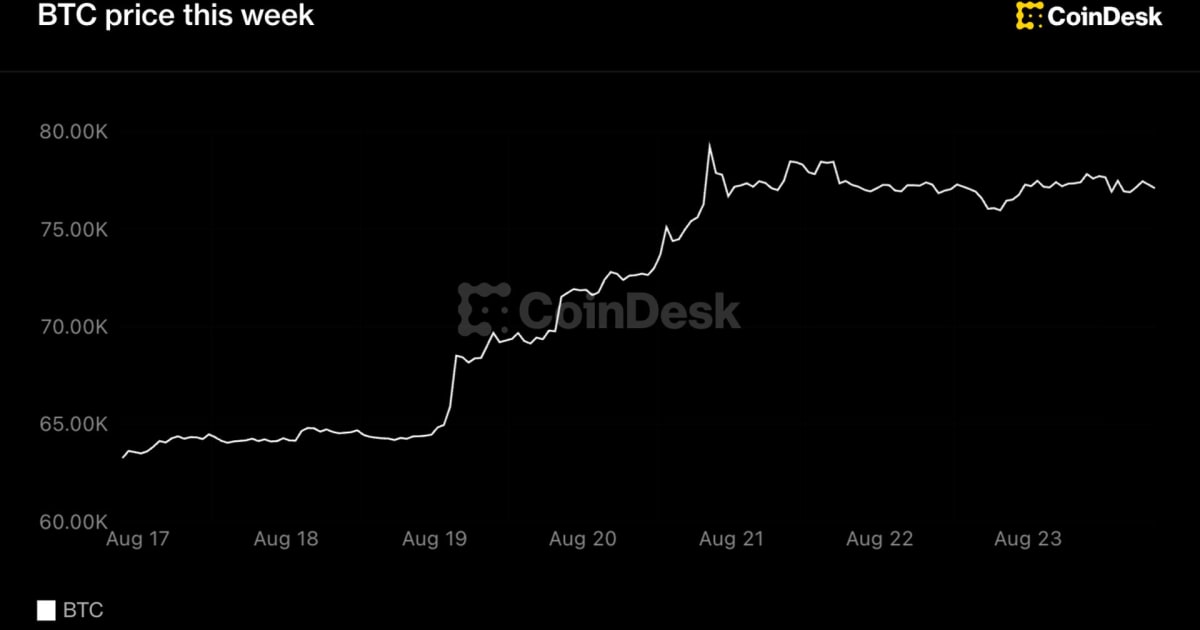
Bitcoin's impressive rally past $78,000, coupled with altcoin consolidation, is reshaping the global financial landscape. This deep dive explores the nuanced, indirect impact on the Indian equity market, identifying key sectors and specific stocks that could benefit from increased crypto wealth and the evolving digital asset narrative. We provide an actionable playbook for investors navigating this new frontier.
Bitcoin's Ascent: A New Dawn for Digital Assets and Its Echo in India
The cryptocurrency market is experiencing a seismic shift, with Bitcoin (BTC) not just rallying, but establishing new price plateaus, recently breaching the $78,000 mark. This sustained upward momentum, occurring alongside a strategic consolidation among altcoins after their strongest performance in three years, isn't merely a fleeting trend. It represents a significant recalibration of global risk appetite and investor sentiment towards digital assets, a phenomenon with subtle yet profound implications for the Indian financial ecosystem.
What makes this particular rally distinctive is its persistence and the broader market's reaction. Unlike previous speculative bursts, the current ascent is underpinned by growing institutional adoption, the proliferation of spot Bitcoin ETFs in major global markets, and an increasing recognition of Bitcoin as a legitimate store of value, akin to digital gold. This evolving narrative elevates cryptocurrencies from niche assets to a significant, albeit volatile, component of the global financial matrix. For India, a nation with a burgeoning digital economy and a complex regulatory stance on crypto, this global shift presents both opportunities and challenges, particularly for its equity markets.
What Drives This Bitcoin Bull Run and Why Does it Matter for Indian Investors Now?
The immediate catalysts for Bitcoin's recent surge are multi-faceted. The approval and subsequent success of spot Bitcoin ETFs in the U.S. have unlocked a new avenue for institutional capital, with billions flowing into these instruments. This institutional validation has provided a powerful tailwind, significantly broadening the investor base beyond early adopters. Concurrently, the anticipation of the upcoming Bitcoin 'halving' event, a programmatic reduction in the supply of new bitcoins, historically preceding significant price appreciation, adds a supply-side constraint that fuels bullish sentiment.
For Indian investors, understanding this global dynamic is crucial. While direct investment in cryptocurrencies faces regulatory ambiguities within India, the indirect wealth effect generated by a surging global crypto market cannot be ignored. A substantial portion of the Indian population, particularly younger demographics, holds crypto assets. As their digital wealth appreciates, it can lead to increased discretionary spending or a reallocation of capital into other asset classes, including Indian equities. Furthermore, the technological underpinnings of cryptocurrencies – blockchain – continue to see adoption across various sectors, creating opportunities for Indian technology and financial services companies.
Deep Market Impact Analysis: Unpacking the Ripple Effect on Indian Equities
The direct correlation between Bitcoin's price movements and the Indian stock market (NSE/BSE) is not immediately apparent, given the absence of publicly traded, pure-play crypto-linked entities in India. However, the indirect impact is a complex interplay of wealth effects, technological adoption, and evolving investor sentiment. The 'crypto wealth effect' suggests that individuals experiencing significant gains in their crypto portfolios may increase their consumption or investment in traditional assets. Historical parallels, though nascent, offer some insights. During the crypto bull run of late 2020-early 2021, India witnessed a surge in luxury goods sales and real estate inquiries, hinting at capital reallocation. While not directly attributable solely to crypto, it contributed to a broader sentiment of wealth creation.
At a sector level, this phenomenon creates nuanced opportunities. The financial technology (FinTech) sector stands to benefit as the underlying infrastructure for digital payments and blockchain solutions becomes more robust. Companies involved in payment gateways, digital lending, and even those exploring blockchain for supply chain management could see increased activity. Conversely, sectors heavily reliant on discretionary spending could face volatility if a sudden crypto correction impacts consumer confidence, though this remains a lower probability scenario given the current bullish trend.
Consider the parallel with gold, another safe-haven asset that has also seen a rally. Gold's recent ascent alongside Bitcoin suggests a dual pursuit of value preservation and growth in an uncertain global economic environment. This underscores a broader investor inclination towards assets perceived to be outside traditional fiat systems. The Indian market, with its deep cultural affinity for gold, will likely see continued interest in both physical and digital gold, alongside a growing, albeit cautious, fascination with crypto.
Stock-by-Stock Breakdown: Indian Equities with Indirect Crypto Exposure
While no direct crypto-mining or exchange stocks are listed on the NSE or BSE, several companies exhibit indirect exposure through their involvement in digital payments, blockchain technology, and IT services that support the evolving digital economy. Investors looking to participate in this trend, albeit indirectly, should consider these:
- Infosys Ltd. (INFY): As a global IT services powerhouse, Infosys is deeply involved in digital transformation initiatives for banking, financial services, and insurance (BFSI) clients worldwide. Their expertise in blockchain consulting and implementation, though not a primary revenue driver, positions them to capitalize on enterprises adopting distributed ledger technologies. For instance, their Finacle core banking solution has explored blockchain integrations. A P/E ratio around 25x, while premium, reflects their consistent growth and digital prowess. Sector peer: Tata Consultancy Services (TCS).
- Wipro Ltd. (WIPRO): Wipro has been actively investing in emerging technologies, including blockchain. They have established partnerships and developed solutions in areas like supply chain transparency and digital identity using blockchain. As the underlying technology of crypto gains wider enterprise adoption, Wipro's consulting and implementation services could see increased demand. Their Q3 FY24 revenue from digital services grew significantly, indicating a strong pivot towards future-ready technologies. Sector peer: HCL Technologies (HCLTECH).
- One 97 Communications Ltd. (Paytm) (PAYTM): Despite recent regulatory headwinds, Paytm remains a dominant force in India's digital payments landscape. While not directly involved in crypto, increased crypto wealth could translate into higher transaction volumes across digital payment platforms as individuals liquidate gains or use digital channels for discretionary spending. Paytm's focus on expanding its merchant network and financial services offerings positions it to indirectly benefit from a more digitally-wealthy consumer base. Sector peer: FSN E-Commerce Ventures Ltd. (Nykaa) (NYKAA) – for discretionary spending.
- ICICI Bank Ltd. (ICICIBANK): As a leading private sector bank, ICICI Bank is at the forefront of digital banking innovation in India. While traditional banks globally have shown cautious optimism towards crypto, Indian banks are exploring blockchain for interbank settlements, trade finance, and cross-border remittances. Any regulatory clarity or future integration of digital assets could see banks like ICICI playing a pivotal role in facilitating legitimate crypto-related financial services, albeit with a long-term horizon. Their strong digital infrastructure and customer base make them a potential future enabler. Sector peer: HDFC Bank Ltd. (HDFCBANK).
- Larsen & Toubro Infotech Ltd. (LTI Mindtree) (LTIM): LTI Mindtree, another prominent IT services firm, has been actively engaged in developing blockchain solutions for various industries, including financial services and manufacturing. Their focus on digital transformation and industry-specific platforms means they are well-placed to assist clients in leveraging distributed ledger technologies as they become more mainstream. Their Q3 FY24 revenue growth indicates strong demand for their digital services. Sector peer: Tech Mahindra Ltd. (TECHM).
Expert Perspective: The Bull vs. Bear Debate on Crypto's Indian Influence
The impact of Bitcoin's rally on Indian markets is a subject of ongoing debate among financial experts. Bulls argue that the global legitimization of cryptocurrencies, particularly with institutional entry, creates a 'wealth effect' that is too significant to ignore, even if indirect. "The sheer volume of capital flowing into Bitcoin globally, now exceeding $1.5 trillion in market capitalization, means a substantial portion of Indian retail investors and HNIs with international exposure are seeing their net worth increase," states a Mumbai-based wealth manager. "This appreciation will inevitably find its way back into the economy, either through consumption or investment in other lucrative asset classes like Indian equities, particularly real estate or consumer discretionary stocks. We could see a subtle but persistent bid for quality Indian assets, especially in the mid and small-cap segments which offer higher growth potential." They also point to the long-term potential of blockchain technology adoption by Indian enterprises, boosting IT service providers.
Conversely, bears maintain a more cautious stance, emphasizing the persistent regulatory uncertainty in India. "While the global crypto narrative is strong, the lack of clear, supportive regulation in India acts as a significant dampener," argues a former RBI economist. "The 'wealth effect' might be diluted by the difficulty in liquidating large crypto holdings into the traditional banking system without scrutiny. Furthermore, the high volatility of crypto assets means that any gains can quickly evaporate, leading to a 'poverty effect' that could negatively impact consumer confidence and spending. Until India provides a clear regulatory framework, the impact on domestic equities will remain marginal and highly speculative." They also highlight the potential for capital flight if domestic investors seek more favorable regulatory environments for their crypto assets, rather than reinvesting locally.
Actionable Investor Playbook: Navigating the Digital Frontier
For Indian investors, the current crypto rally presents a unique environment for strategic positioning, even without direct crypto exposure. The playbook involves a multi-pronged approach:
- Watch for Digital Enablers (BUY): Focus on companies that are integral to India's digital economy and have a strong, albeit indirect, link to the broader digital asset trend. This includes IT service providers with blockchain capabilities (e.g., Infosys, Wipro, LTIM) and digital payment platforms (e.g., Paytm, albeit with careful consideration of its regulatory landscape). Look for companies with robust balance sheets and a clear roadmap for digital transformation. Entry points could be during minor market corrections, aiming for a long-term horizon (3-5 years) to capitalize on the secular growth of digital infrastructure.
- Monitor Discretionary Spending (WATCH): Keep a close eye on consumer discretionary stocks (e.g., Titan Company Ltd., Avenue Supermarts Ltd.) for signs of increased sales. While not a direct 'buy' signal based solely on crypto, a sustained period of crypto wealth creation could provide an additional tailwind to these sectors. This is a medium-term play (1-2 years), dependent on sustained crypto gains and stable economic conditions.
- Evaluate Gold & Silver (BUY/HOLD): The parallel rally in gold suggests a broader flight to alternative stores of value. Consider adding physical or digital gold and silver (via ETFs like GOLDBEES or SILVERBEES) as a hedge against currency debasement and geopolitical uncertainty. This is a strategic allocation for portfolio diversification with a long-term horizon.
- Avoid Pure Speculation (SELL/AVOID): Steer clear of unproven or highly speculative small-cap stocks that claim tenuous links to blockchain or crypto without fundamental business models. The Indian market does not yet have mature, regulated crypto-linked public companies, making such investments exceptionally risky.
Risk Matrix: Navigating the Volatility of Digital Assets
Investing in assets indirectly linked to the crypto market carries its own set of risks, which demand careful assessment:
- High Crypto Volatility (Probability: High): The inherent volatility of Bitcoin and altcoins remains a primary risk. Rapid price corrections, historically observed in crypto markets, could quickly erode the 'wealth effect,' potentially dampening consumer sentiment and indirectly impacting discretionary spending in India. This could lead to temporary corrections in related Indian equities.
- Regulatory Uncertainty in India (Probability: Medium-High): The Indian government's stance on cryptocurrency remains dynamic and largely restrictive. Any further tightening of regulations, outright bans, or punitive taxation could severely limit the ability of Indian citizens to transact with crypto, thereby stifling the indirect wealth effect and blockchain adoption. This is a critical overhang for the long-term narrative.
- Global Macroeconomic Headwinds (Probability: Medium): A significant global economic downturn, rising interest rates from major central banks (e.g., the U.S. Federal Reserve), or geopolitical instability could lead to a broad risk-off sentiment. In such a scenario, even assets like Bitcoin, despite their safe-haven narrative, could face selling pressure, impacting the broader financial market sentiment, including Indian equities.
- Technological Obsolescence/Security Risks (Probability: Low-Medium): While blockchain is robust, the rapid pace of technological change means newer, more efficient protocols could emerge. Additionally, security breaches or hacks on major crypto exchanges or protocols, though rare for Bitcoin itself, could erode investor confidence across the digital asset spectrum.
What to Watch Next: Catalysts Shaping the Future of Crypto and Indian Markets
The trajectory of Bitcoin and its indirect influence on Indian equities will be shaped by several upcoming catalysts and data releases:
- U.S. Spot Ethereum ETF Decisions (Q2-Q3 2024): The U.S. SEC's decisions on spot Ethereum ETFs are highly anticipated. Approval would signal further institutional legitimization of major cryptocurrencies, potentially driving another wave of capital into the digital asset space and reinforcing the bullish sentiment.
- Indian Regulatory Developments (Ongoing): Any official statements or policy frameworks from the Indian government or the Reserve Bank of India (RBI) regarding cryptocurrency will be paramount. Clarity, whether positive or negative, will significantly influence domestic adoption and the ability of Indian investors to participate.
- Bitcoin Halving Event (Expected April 2024): Historically, this event has preceded significant price appreciation due to reduced supply. Monitoring its immediate and long-term impact on Bitcoin's price will be crucial for gauging market sentiment.
- Global Economic Data (Ongoing): Inflation reports, interest rate decisions from central banks (e.g., FOMC meetings), and employment figures will continue to influence risk appetite across all asset classes, including cryptocurrencies and Indian equities. Strong economic data might fuel risk-on sentiment, while concerns about recession could push investors towards safe havens.
- Enterprise Blockchain Adoption Metrics (Ongoing): Keep an eye on reports from IT service companies and industry consortiums detailing the adoption rate of blockchain solutions by large enterprises. Increased real-world utility of the underlying technology will provide a fundamental floor for the digital asset ecosystem, benefiting indirect plays in Indian IT services.
See Indirectly: Companies with exposure to blockchain technology or digital payments, though no direct Indian crypto-linked stocks are publicly traded.'s AI Score
Our algorithmic screener scores Indirectly: Companies with exposure to blockchain technology or digital payments, though no direct Indian crypto-linked stocks are publicly traded. on fundamentals, momentum, and risk — free to try, no card needed.
Try the AI Screener →Have questions about this story?
Ask Welth, our finance-focused AI research assistant, for a deeper breakdown — free trial included.
Chat with Welth AI →Disclaimer: This content is generated by WelthWest Research Desk based on publicly available reports and is for informational purposes only. It does not constitute financial advice, investment recommendations, or an offer to buy or sell securities. Always consult a qualified financial advisor before making investment decisions.
