Key Takeaway
Bitcoin's monumental leap past $81,000, fueled by global monetary easing expectations, signals a profound shift towards risk assets. Indian investors, while not directly exposed to crypto via public equities, must recognize this as a precursor to potential FII inflows into growth sectors and a re-evaluation of traditional safe havens.
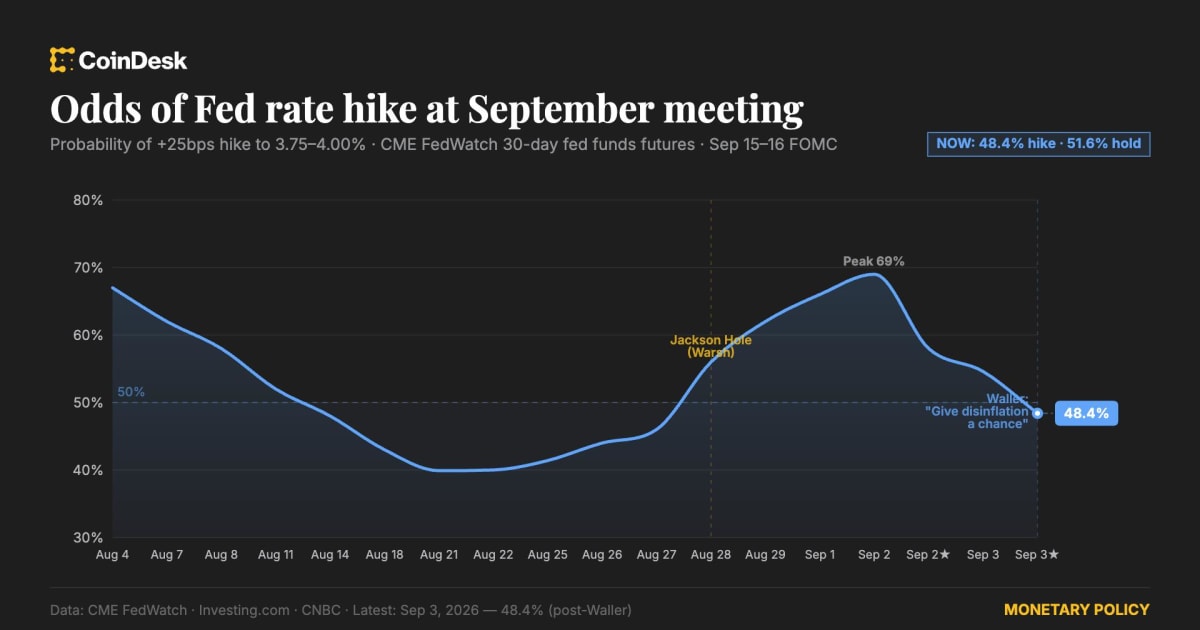
The cryptocurrency market is buzzing as Bitcoin smashes through the $81,000 barrier, a move largely attributed to falling interest rate expectations and a weakening US Dollar. This seismic shift in global investor sentiment, favoring risk-on assets, holds significant, albeit indirect, implications for the Indian stock market. Our comprehensive analysis delves into how this crypto rally could reshape FII allocations and influence specific Indian sectors and stocks.
Bitcoin's $81,000 Milestone: A Global Monetary Policy Bellwether for Indian Markets
The digital asset landscape has witnessed a historic moment as Bitcoin (BTC) catapulted beyond the $81,000 mark, achieving an unprecedented valuation. This monumental surge isn't merely a testament to cryptocurrency's growing appeal; it's a profound indicator of shifting global macroeconomic currents. At its core, this rally is a direct consequence of escalating expectations for monetary easing by central banks worldwide, particularly the US Federal Reserve, coupled with a discernible weakening of the US Dollar's dominance as a global reserve asset. For astute investors, especially those observing the Indian equity markets, this isn't just a crypto story; it's a critical signal about the future trajectory of capital flows and risk appetite.
Historically, Bitcoin has often been perceived as a 'risk-on' asset, flourishing in environments where capital seeks higher returns and traditional safe havens offer diminishing yields. Its recent ascent, therefore, underscores a significant pivot in investor sentiment: a global move away from perceived safety and into growth-oriented, higher-beta assets. While direct crypto exposure within the Indian public equity market remains nascent, the indirect repercussions are substantial. A global environment conducive to risk-taking typically translates into increased Foreign Institutional Investor (FII) interest in emerging markets like India, potentially fueling rallies in specific sectors that thrive on growth and innovation. This analysis delves deep into the mechanisms through which Bitcoin's rally will ripple through the Indian financial ecosystem, offering an actionable playbook for navigating this evolving landscape.
How Will Global Monetary Easing Impact FII Flows into India?
The primary driver behind Bitcoin's unprecedented valuation surge is the market's anticipation of declining interest rates. When central banks signal or enact rate cuts, the opportunity cost of holding cash or low-yielding government bonds increases. This prompts a reallocation of capital towards assets with higher potential returns, including equities and alternative investments like cryptocurrencies. The weakening US Dollar, a direct consequence of anticipated rate cuts, further amplifies this effect by making non-dollar-denominated assets more attractive to international investors.
For India, a perennial magnet for FII capital, this macroeconomic backdrop presents a compelling scenario. Lower global interest rates typically lead to a 'search for yield' phenomenon, directing capital towards high-growth emerging economies. Historically, periods of significant global liquidity have coincided with robust FII inflows into Indian equities. For instance, during the post-COVID liquidity surge in 2020-2021, FIIs poured billions into the Indian market, contributing to the Nifty 50's impressive 2021 rally of over 24%. While the direct correlation between Bitcoin's price and Indian FII flows is not linear, the underlying drivers – falling rates and a weaker dollar – are undeniably positive catalysts for foreign investment into Indian assets. This could particularly benefit sectors perceived as high-growth or those with strong export linkages, as a weaker dollar enhances the competitiveness of Indian exports.
Deep Market Impact Analysis: Connecting Crypto to Indian Equities
While India's regulatory stance on cryptocurrencies has evolved, direct investment in crypto assets by regulated Indian institutions remains restricted, and publicly traded companies with significant crypto holdings are virtually non-existent. However, the indirect impact of Bitcoin's rally on the Indian stock market is multifaceted and warrants close examination. The prevailing sentiment of increased global risk appetite, spurred by the crypto surge, acts as a powerful sentiment booster for broader equity markets.
Consider the 'wealth effect' – as global investors see substantial gains in their crypto portfolios, their overall confidence and willingness to deploy capital into other risk assets, including emerging market equities, tend to increase. This psychological boost can translate into higher trading volumes and upward price momentum across various sectors. Furthermore, the narrative of technological innovation, often associated with cryptocurrencies, can spill over into investor enthusiasm for Indian technology and fintech companies. Companies at the forefront of digital transformation or those with strong global client bases stand to benefit disproportionately from this heightened risk-on environment.
A historical parallel can be drawn to the dot-com bubble era of the late 1990s. While vastly different in nature, the speculative fervor around new technologies led to a surge in tech stocks globally, including in India. While we are not suggesting a bubble, the current environment shares a similar characteristic of capital seeking high-growth, innovative avenues. The current global market capitalization of cryptocurrencies, now exceeding $3 trillion with Bitcoin's dominance, represents a significant pool of capital that can influence broader financial markets through sentiment and reallocation effects.
Stock-by-Stock Breakdown: Indian Equities Under the Influence
While no Indian company directly holds Bitcoin as a treasury asset or derives significant revenue directly from crypto mining or trading (as seen with companies like MicroStrategy in the US), several NSE/BSE-listed companies could see indirect benefits from the global shift in risk appetite:
- Tata Consultancy Services (TCS.NS) / Infosys (INFY.NS): As bellwethers of the Indian IT sector, these companies are highly sensitive to global economic sentiment and FII flows. A surge in global risk appetite, driven by the crypto rally, often translates into increased IT spending by global corporations, particularly in digital transformation and cloud services. A weaker US Dollar, while reducing reported dollar revenues in rupee terms, can also make Indian IT services more competitive globally, potentially boosting deal wins. Their large market capitalization and liquidity make them prime targets for FII inflows seeking exposure to India's growth story.
- Reliance Industries (RELIANCE.NS): This conglomerate, with its significant investments in digital services (Jio Platforms) and retail, could benefit from a general improvement in consumer sentiment and spending power, both domestically and globally. Furthermore, any increased liquidity in the system often finds its way into large-cap, diversified businesses, making Reliance an attractive option for institutional investors. Its ventures into new technologies and digital payments align with the broader 'innovation' theme driven by crypto.
- Bajaj Finance (BAJFINANCE.NS): As a leading Non-Banking Financial Company (NBFC) with extensive consumer lending operations, Bajaj Finance thrives in environments of robust consumer demand and credit growth. Increased global risk appetite and potential FII inflows can indirectly boost domestic economic activity, leading to higher disposable incomes and greater demand for consumer credit. Its P/E ratio, often trading at a premium due to its growth trajectory, could see further expansion in a bullish sentiment driven by global liquidity. Sector peers like HDFC Bank (HDFCBANK.NS) would also benefit from a general uptick in financial sector performance.
- Persistent Systems (PERSISTENT.NS): A mid-cap IT services firm specializing in digital engineering and product development, Persistent Systems is particularly well-positioned to capitalize on increased global tech spending. Companies focusing on cutting-edge technologies often see accelerated growth during periods of heightened risk appetite and innovation-driven investment. Its exposure to high-growth areas like cloud, data, and IoT makes it a strong candidate for FIIs looking beyond the IT giants for higher growth potential.
Expert Perspective: Bulls vs. Bears on Bitcoin's Indian Ripple
The Bitcoin surge elicits strong reactions from both bullish and bearish camps regarding its implications for Indian equities.
The Bullish Argument: Proponents argue that Bitcoin's rally is a harbinger of a broader 'everything rally' in risk assets. They contend that the underlying drivers – global liquidity expansion and a flight from fiat – will inevitably channel significant FII capital into high-growth emerging markets like India. "This isn't just about crypto; it's about the systemic devaluation of traditional currencies, making real assets and growth equities immensely attractive," states a prominent Mumbai-based fund manager. "Indian tech, fintech, and consumer discretionary stocks are poised to benefit as global investors reallocate capital from low-yielding bonds to promising growth stories." They foresee Nifty 50 potentially breaking new records, driven by this liquidity wave, with sectors like IT, financials, and industrials seeing sustained upward momentum.
The Bearish Argument: Conversely, skeptics emphasize the nascent and indirect nature of the correlation. "While global liquidity is a factor, Bitcoin remains a highly speculative asset, and its volatility could easily reverse," warns a veteran analyst at a major domestic brokerage. "The Indian market has its own domestic drivers – inflation, interest rates, corporate earnings, and political stability – which often outweigh external speculative surges. Furthermore, any significant FII inflow could quickly reverse if global sentiment shifts or if domestic policy uncertainties arise." They highlight that Bitcoin's market cap, while substantial, is still a fraction of global equity markets, and its influence on specific Indian stock performance might be more symbolic than fundamental. They also point to the potential for capital to be diverted *into* crypto rather than *into* traditional equities, thus dampening FII flows into India.
Actionable Investor Playbook: Navigating the Crypto-Driven Shift
For Indian investors, the Bitcoin rally signals a critical juncture for portfolio rebalancing and strategic positioning:
- Buy/Accumulate: High-Growth IT & Digital Stocks: Focus on companies with robust global exposure and strong digital transformation capabilities. Look for companies with consistent revenue growth, healthy order books, and a strong client roster. Examples include TCS, Infosys, Persistent Systems, and Coforge (COFORGE.NS). Consider staggered buying on dips, with a long-term horizon (3-5 years) to capture the full benefits of sustained global tech spending.
- Watch: Financials (NBFCs & Banks): While direct beneficiaries of FII inflows, their performance will also be tied to domestic credit growth and interest rate cycles. Monitor Bajaj Finance, HDFC Bank, ICICI Bank (ICICIBANK.NS). Entry points could be during minor market corrections or when domestic economic data shows clear signs of acceleration. Time horizon is medium-term (1-3 years).
- Consider: Quality Mid-Caps and Small-Caps: If FII inflows are significant and broad-based, the 'trickle-down' effect could boost quality mid and small-cap companies with strong fundamentals, particularly in manufacturing, capital goods, and specialty chemicals. Research companies with strong balance sheets and competitive advantages. This requires higher due diligence and a longer investment horizon (5+ years).
- Reduce Exposure: Traditional Safe Havens (Relative Basis): While gold remains a hedge against inflation and geopolitical risk, its relative appeal might diminish compared to high-growth assets in a risk-on environment. Re-evaluate allocation to debt instruments if yields remain compressed.
- Entry Points: Look for opportunities during any market corrections, which are inevitable even in bullish environments. Use a rupee-cost averaging strategy to mitigate volatility.
Risk Matrix: Assessing the Volatility and Unpredictability
Despite the current euphoria, several risks could derail or significantly alter the trajectory of this crypto-driven market sentiment:
- Crypto Market Volatility (High Probability, High Impact): Bitcoin and the broader crypto market are notoriously volatile. A sudden, sharp correction in Bitcoin prices (e.g., a 20-30% drop) due to profit-taking, regulatory crackdowns, or major hacks could quickly reverse global risk sentiment, leading to FII outflows from emerging markets, including India.
- Unexpected Monetary Policy Shifts (Medium Probability, High Impact): If global central banks, particularly the US Fed, signal a more hawkish stance than currently anticipated (e.g., delaying rate cuts or even considering hikes due to persistent inflation), the primary catalyst for the Bitcoin rally would dissipate. This would strengthen the US Dollar and likely curb FII appetite for risk assets, including Indian equities.
- Regulatory Headwinds in India (Medium Probability, Medium Impact): While India's crypto stance is evolving, any stringent, unexpected regulatory measures or outright bans on crypto assets could create uncertainty and dampen investor sentiment, potentially deterring a segment of tech-savvy FIIs. This could also indirectly affect innovation-driven sectors in India.
- Geopolitical Black Swans (Low Probability, High Impact): Unforeseen global geopolitical events (e.g., major conflicts, trade wars) could trigger a flight to traditional safe havens and severely disrupt global capital flows, overriding any crypto-driven bullish sentiment.
What to Watch Next: Catalysts for the Next Market Move
Investors should closely monitor several key indicators and events:
- US Federal Reserve's FOMC Meetings (Upcoming: June 11-12, July 30-31): Statements and dot plots from these meetings will provide crucial insights into the Fed's interest rate trajectory. Any deviation from market expectations for rate cuts could significantly impact the dollar and global risk appetite.
- US Inflation Data (CPI & PCE): Monthly releases of the Consumer Price Index (CPI) and Personal Consumption Expenditures (PCE) will dictate the Fed's policy decisions. Sustained disinflation would bolster rate cut expectations and support risk assets.
- Global Liquidity Indicators: Track central bank balance sheets, interbank lending rates, and sovereign bond yields across major economies for signs of tightening or easing global liquidity.
- Bitcoin Halving Event Aftermath: The recent Bitcoin halving (April 2024) historically reduces supply, often leading to price appreciation over the subsequent 12-18 months. Monitor its long-term price action and correlation with broader market sentiment.
- Indian General Election Outcome & Budget: While an internal factor, a stable government and a growth-oriented budget in India will reinforce FII confidence and complement any positive global sentiment.
- FII Flow Data: Daily and monthly FII investment data from NSE/BSE will be a direct gauge of foreign capital entering Indian markets.
See NA (Directly crypto-linked Indian stocks are limited, but indirectly, this could boost sentiment for tech/growth stocks if global risk appetite increases)'s AI Score
Our algorithmic screener scores NA (Directly crypto-linked Indian stocks are limited, but indirectly, this could boost sentiment for tech/growth stocks if global risk appetite increases) on fundamentals, momentum, and risk — free to try, no card needed.
Try the AI Screener →Have questions about this story?
Ask Welth, our finance-focused AI research assistant, for a deeper breakdown — free trial included.
Chat with Welth AI →Disclaimer: This content is generated by WelthWest Research Desk based on publicly available reports and is for informational purposes only. It does not constitute financial advice, investment recommendations, or an offer to buy or sell securities. Always consult a qualified financial advisor before making investment decisions.
