Key Takeaway
The surge in Bitcoin downside hedging is a canary in the coal mine for global liquidity. For Indian investors, this signals a transition from high-beta tech exposure to defensive, cash-generative value plays.
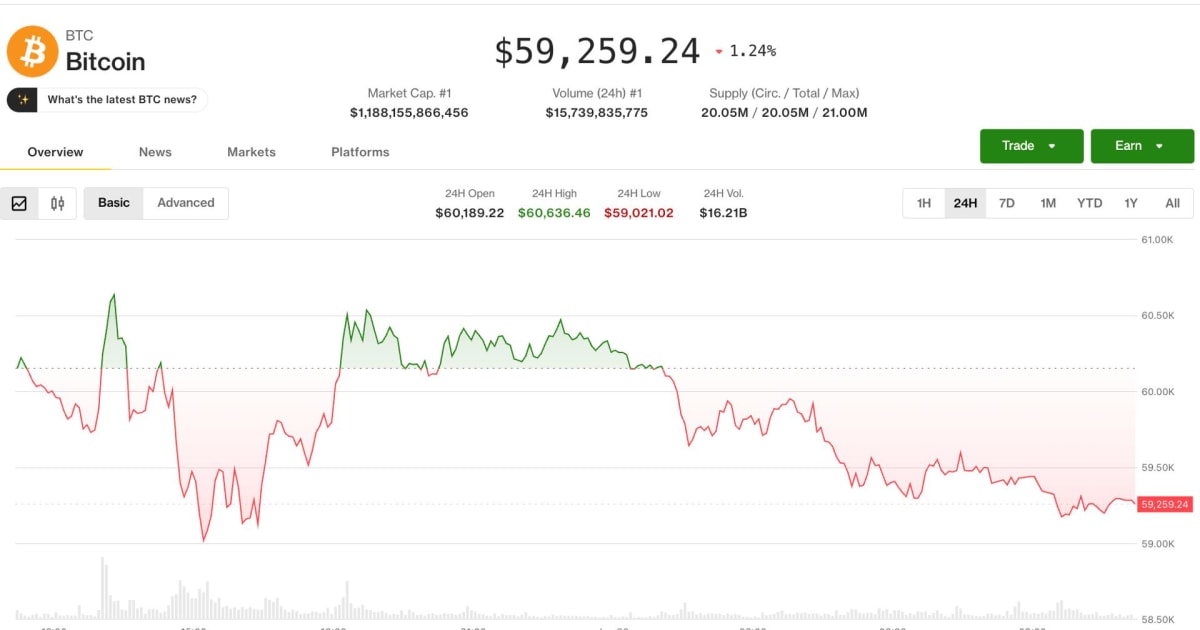
As Bitcoin options traders pay record premiums for downside protection, the ripple effects are reaching Indian mid-cap tech. We analyze the hidden risks for high-beta stocks and why a shift in global sentiment could force a revaluation of domestic fintech-adjacent equities.
The Great Deleveraging: Is Bitcoin Signaling a Global Market Reset?
In the complex machinery of global finance, Bitcoin has transitioned from a speculative fringe asset to a high-fidelity barometer of global liquidity. Recent data from the derivatives market shows a sharp increase in demand for 'put' options—contracts that profit when prices fall. This institutional scramble for downside protection is not merely a crypto phenomenon; it is a precursor to a broader 'risk-off' sentiment that threatens to dampen the premium multiples currently enjoyed by high-beta Indian tech stocks.
When institutional capital retreats from digital assets, it rarely stays on the sidelines. It typically flows toward the US Dollar and gold, effectively draining the liquidity pool that sustains high-growth, high-multiple equities. For the Indian markets, this creates a 'liquidity vacuum'—a scenario where the correlation between global risk appetite and local tech valuations tightens significantly.
How does Bitcoin volatility impact the Nifty 50 and Indian Tech?
While the Reserve Bank of India (RBI) maintains a cautious stance on cryptocurrencies, the Indian stock market is not an island. The domestic IT services sector, particularly companies with high exposure to US-based fintech and blockchain-adjacent projects, acts as a transmission vector for global sentiment. When global liquidity tightens, venture capital funding for blockchain startups dries up, which directly impacts the order books of Indian IT service providers that act as their primary technical infrastructure partners.
Historical parallels are instructive. During the 2022 crypto winter, the Nifty IT index experienced a drawdown of approximately 25% over six months, significantly outpacing the broader Nifty 50. The causality was clear: as speculative capital evaporated globally, the demand for digital transformation projects in the fintech space slowed, forcing a downward revision of P/E ratios for mid-cap tech firms.
Stock-by-Stock Breakdown: Who is in the Line of Fire?
The following companies are disproportionately exposed to global risk-off cycles due to their client concentration and reliance on high-growth segments:
- Zensar Technologies (NSE: ZENSARTECH): With a P/E ratio currently hovering near 30x, Zensar is priced for aggressive growth. A cooling of the fintech sector in the US could lead to project deferrals, pressuring their margins which have been optimized for a high-growth environment.
- Persistent Systems (NSE: PERSISTENT): Persistent maintains a high concentration of clients in the software and product engineering space. If these clients face a liquidity crunch, Persistent’s revenue growth—currently tracking at 15-18% YoY—could face headwinds as R&D budgets are slashed.
- Tanla Platforms (NSE: TANLA): As a leader in CPaaS (Communications Platform as a Service), Tanla is deeply integrated with global fintech and crypto-exchanges. A downturn in digital asset activity directly correlates to lower transaction volumes on their platform.
- LTIMindtree (NSE: LTIM): While more diversified, LTIM’s exposure to the banking and financial services (BFS) vertical makes it sensitive to global interest rate volatility. If institutional investors pull back from digital assets, the resulting tightening of financial conditions can lead to slower deal closures in the BFS segment.
Expert Perspectives: The Bull vs. Bear Debate
The current volatility is a cleansing mechanism, not a collapse. Bulls argue that the institutional adoption of Bitcoin—via ETFs—provides a floor that didn't exist in 2022. Conversely, bears point to the 'margin call trap': if Bitcoin breaks below critical support levels, the forced liquidation of leveraged positions will trigger a liquidity-driven sell-off across all correlated high-beta assets.
The Actionable Investor Playbook
In a regime characterized by liquidity contraction, the standard 'buy-the-dip' strategy for high-beta tech needs to be replaced by a 'value-and-cash' approach.
- Trim Beta Exposure: Reduce holdings in stocks with P/E ratios exceeding 35x that rely heavily on speculative-growth sectors.
- Rotate into Defensive Yield: Shift capital toward companies with strong balance sheets, high dividend yields, and low dependency on discretionary tech spending (e.g., FMCG, Pharma).
- Monitor USD/INR: A strengthening US Dollar often precedes volatility in Indian mid-caps. Watch the 84.00 level for the USD/INR pair as a trigger for further portfolio reallocation.
Risk Matrix: Assessing the Spillover
| Risk Factor | Probability | Impact |
|---|---|---|
| Bitcoin Flash Crash (<$50k) | Moderate | High |
| Global Liquidity Squeeze | High | Moderate |
| Margin Calls on Retail Tech | Moderate | High |
What to watch next?
Investors should look for the upcoming US Federal Reserve meeting minutes and quarterly earnings reports from major US fintech firms. These documents will provide the clearest signal on whether the current Bitcoin volatility is a temporary correction or the beginning of a sustained deleveraging cycle that will force a repricing of the Indian tech sector.
See Zensar Technologies's AI Score
Our algorithmic screener scores Zensar Technologies on fundamentals, momentum, and risk — free to try, no card needed.
Try the AI Screener →Have questions about this story?
Ask Welth, our finance-focused AI research assistant, for a deeper breakdown — free trial included.
Chat with Welth AI →Disclaimer: This content is generated by WelthWest Research Desk based on publicly available reports and is for informational purposes only. It does not constitute financial advice, investment recommendations, or an offer to buy or sell securities. Always consult a qualified financial advisor before making investment decisions.
