Key Takeaway
The private credit sector is facing a liquidity crunch, forcing major players like Blue Owl Capital to tap bond markets. This tightening global credit environment poses a significant risk to Indian Non-Banking Financial Companies (NBFCs) heavily reliant on similar funding, potentially impacting stocks like BAJFINANCE, CHOLAFIN, PEL, and SBICARD.
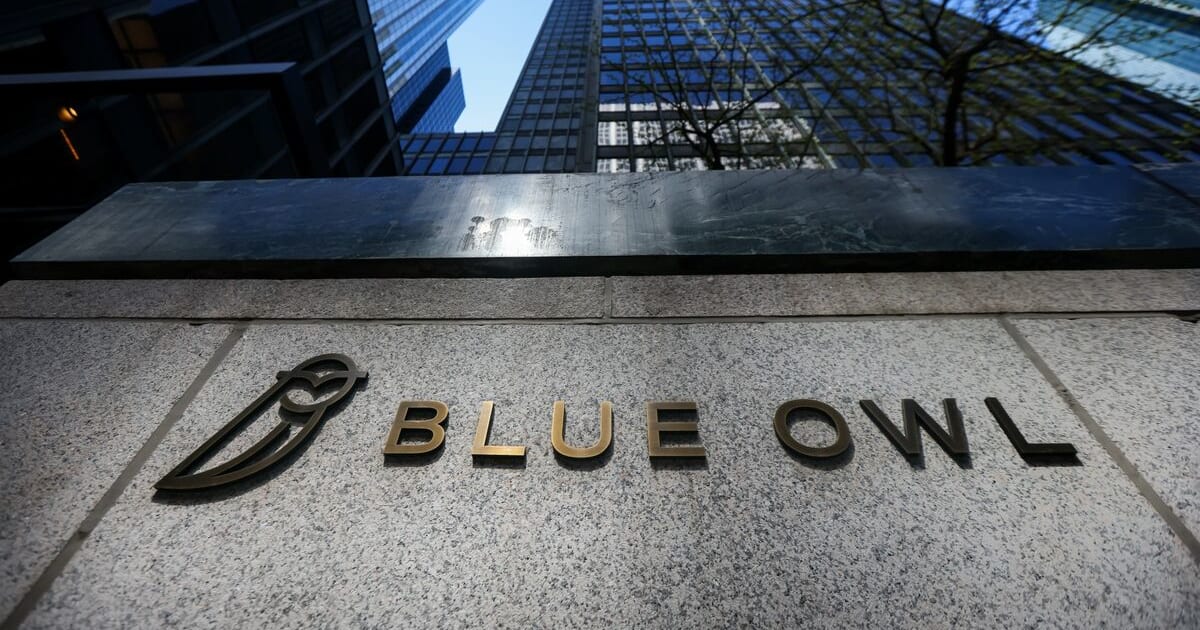
Global private credit giant Blue Owl Capital's recent move to issue bonds signals mounting liquidity pressures within the sector. This development has far-reaching implications, particularly for India's vibrant NBFC landscape. Investors must understand the potential fallout for companies such as Bajaj Finance, Cholamandalam Investment and Finance, Piramal Enterprises, and even credit card issuers like SBICARD.
Blue Owl Capital's Bond Issuance: A Bellwether for Private Credit Stress
In a move that has sent ripples through the global financial landscape, Blue Owl Capital, a prominent player in the alternative asset management space, has opted to issue bonds to manage its liquidity. This strategic maneuver, aimed at bolstering its coffers amidst rising redemption pressures within its private credit funds, serves as a critical indicator of the evolving liquidity dynamics within the lucrative yet increasingly scrutinized private credit sector. The significance of this event transcends mere corporate finance; it acts as a potent signal of potential credit tightening and a recalibration of risk appetite that could have profound implications for emerging markets, including India's robust Non-Banking Financial Company (NBFC) ecosystem.
The private credit market, once lauded for its robust growth and ability to provide flexible financing solutions outside traditional banking channels, is now confronting a period of significant stress. As interest rates have ascended and economic uncertainties have amplified, investors are increasingly demanding their capital back, leading to a surge in redemption requests. For many private credit funds, particularly those with illiquid underlying assets, meeting these demands without forced asset sales has become a considerable challenge. Blue Owl's decision to tap the bond markets, a move typically associated with managing operational needs or funding new investments, underscores the extent to which liquidity management has become paramount, even for well-established entities.
Why This Matters Now: The Shifting Sands of Private Credit Liquidity
The timing of Blue Owl's bond issuance is particularly noteworthy. The past few years have witnessed an unprecedented expansion of private credit, fueled by low interest rates and a search for yield. This era saw the rise of shadow banking entities and NBFCs globally, including in India, which often relied on short-term wholesale funding or securitization to finance longer-term private credit exposures. However, the macroeconomic environment has dramatically shifted. Central banks globally have embarked on aggressive monetary tightening cycles, making borrowing more expensive and increasing the attractiveness of safer, liquid assets. This has created a dual challenge for private credit: higher funding costs and a greater propensity for investors to redeem their capital.
For India, the implications are direct and substantial. Indian NBFCs, similar to their global counterparts, have historically leveraged wholesale funding markets and securitization to fuel their growth. Companies like Bajaj Finance, Cholamandalam Investment and Finance, and Piramal Enterprises rely on a diversified funding base, which includes bank loans, market instruments, and the securitization of their loan portfolios. A global tightening of credit conditions, signaled by Blue Owl's actions, suggests that the cost of this funding will likely rise, and its availability may become more constrained. This can directly impact the profitability and growth prospects of these Indian financial institutions, as their net interest margins (NIMs) come under pressure.
Deep Market Impact Analysis: Connecting Global Stress to Indian NBFCs
The cascading effect of liquidity pressures in global private credit markets on Indian NBFCs can be understood through several interconnected channels. Firstly, the cost of capital for Indian NBFCs is intrinsically linked to global borrowing costs. When international investors perceive higher risk in the private credit space globally, they demand a higher risk premium across all similar asset classes, including those offered by Indian NBFCs. This translates into higher interest rates on the debt that Indian financial institutions raise from international markets or through securitization, directly impacting their cost of funds.
Secondly, a reduction in the availability of global liquidity means that capital that might have flowed into Indian debt markets, including those catering to NBFCs, could dry up or be redirected. This is particularly relevant for larger NBFCs that have historically tapped international bond markets or relied on foreign portfolio inflows for their funding needs. The reversal of such flows, or a significant slowdown, can create funding gaps that necessitate more expensive domestic borrowing or slower asset growth.
Historically, periods of global financial stress have often led to a reassessment of risk in emerging markets. For instance, during the taper tantrum of 2013, when the US Federal Reserve signaled a reduction in quantitative easing, emerging market currencies and equities faced significant outflows. While the current situation is not a direct parallel, the underlying theme of reduced global liquidity and a heightened risk aversion can lead to similar market reactions. The Nifty Private Bank Index and the Nifty Financial Services Index, which include many NBFCs and banks that are significant lenders to or participants in the shadow banking ecosystem, could experience heightened volatility and a potential downward repricing as investor sentiment turns bearish.
How Will RBI Rate Policy Interact with Global Credit Tightening?
The Reserve Bank of India's (RBI) monetary policy stance plays a crucial role in the domestic impact of global credit conditions. While the RBI has maintained a relatively stable policy rate recently, its actions are often influenced by global inflation trends and capital flows. If global credit conditions tighten significantly, leading to potential capital outflows from India or increased imported inflation, the RBI might be compelled to adopt a more hawkish stance, even if domestic inflation is under control. Conversely, if the RBI maintains a stable or accommodative policy while global rates are rising, Indian NBFCs could face a widening interest rate differential, making their funding more expensive relative to global alternatives.
The interplay between RBI policy and global credit tightening creates a complex environment for Indian NBFCs. A scenario where global liquidity dries up while the RBI is forced to hike rates to defend the rupee or control inflation would be particularly challenging. This could lead to a sharp increase in the cost of funds for NBFCs, squeezing their margins and potentially leading to a slowdown in credit disbursement. The current valuation multiples of many Indian NBFCs, which often trade at a premium to their book value, reflect expectations of sustained growth and profitability. A prolonged period of elevated funding costs and slower growth could lead to a significant de-rating of these stocks.
Stock-by-Stock Breakdown: Which Indian Financials Face the Headwinds?
The impact of global private credit stress on Indian financial stocks is not uniform and will depend on each company's specific funding profile, asset quality, and business model. However, certain entities are more exposed than others.
- Bajaj Finance (BAJFINANCE): As India's largest pure-play consumer finance NBFC, Bajaj Finance has a significant reliance on market borrowings and securitization. While its strong brand, diversified product portfolio, and robust asset quality have historically commanded a premium, a sustained increase in funding costs could impact its net interest margins. Its current market capitalization of approximately ₹2.5 lakh crore and a trailing P/E ratio of around 35x suggest high growth expectations. Any perceived threat to its funding structure or profitability could lead to a significant correction in its stock price. Competitors in the consumer finance space, such as HDFC Bank and ICICI Bank, which have access to cheaper CASA deposits, might be relatively better positioned.
- Cholamandalam Investment and Finance Company (CHOLAFIN): This diversified NBFC, with strong presence in vehicle finance and home loans, also depends on market borrowings. Its market capitalization stands at around ₹1.1 lakh crore, with a P/E ratio of approximately 25x. A tightening of credit conditions could increase its cost of funds for its loan book, impacting profitability. Its peers include Shriram Finance and Mahindra Finance, which face similar funding challenges.
- Piramal Enterprises (PEL): Piramal Enterprises, with its significant presence in wholesale lending and housing finance, is particularly susceptible to shifts in the wholesale funding market. Its market capitalization is around ₹55,000 crore, and its P/E ratio is approximately 18x, reflecting some recovery from past challenges but still indicating investor caution. A global liquidity squeeze could make its wholesale funding more expensive and harder to secure, impacting its ability to deploy capital and generate returns. Its exposure to real estate and corporate loans could also face headwinds if credit markets tighten.
- SBICARD: While primarily a credit card issuer, SBICARD is indirectly affected by the broader credit environment. A general tightening of credit conditions can lead to slower growth in new credit card acquisitions and potentially higher delinquency rates as consumers face economic pressures. Although its funding model is less reliant on wholesale markets than traditional NBFCs, a slowdown in consumer spending and a cautious lending approach by banks could impact its revenue growth. Its market capitalization is around ₹75,000 crore with a P/E of 38x. Its peers include HDFC Bank and ICICI Bank, which also have significant credit card businesses.
Other entities in the broader financial services sector, including smaller NBFCs and even some smaller banks with significant exposure to wholesale funding, could face more acute challenges. The market's reaction will likely be differentiated, rewarding companies with strong balance sheets, diversified funding sources, and lower leverage, while penalizing those perceived as more vulnerable to liquidity shocks.
Expert Perspective: Bears Versus Bulls on the Private Credit Squeeze
The market's interpretation of Blue Owl's bond issuance and its broader implications is likely to be divided, with bears and bulls offering starkly contrasting views.
Bears' Argument: The bears will argue that Blue Owl's action is a clear sign of systemic stress within the private credit market. They will point to rising redemption requests, illiquidity in underlying assets, and increasing funding costs as evidence that the party is over. For them, this is the beginning of a painful deleveraging cycle for NBFCs. They will highlight that the high valuations of Indian NBFCs are unsustainable in an environment of rising interest rates and potential credit losses. They might draw parallels to the shadow banking crises of the past, where liquidity mismatches led to rapid failures. The risk of forced asset sales at distressed prices, they contend, could trigger a contagion effect, impacting not only NBFCs but also the broader banking sector that has exposure to these entities through loans and securitization.
Bulls' Argument: The bulls, on the other hand, will likely downplay the significance of Blue Owl's move, framing it as a prudent liquidity management strategy by a well-capitalized firm. They will emphasize that private credit is a resilient sector, capable of navigating market dislocations. They might argue that the current situation is a temporary recalibration, not a systemic crisis. For Indian NBFCs, bulls will point to the country's strong economic growth prospects, robust domestic demand, and the RBI's prudent regulatory framework. They will argue that well-managed NBFCs with strong underwriting standards and diversified funding will continue to thrive, even in a more challenging environment. They might also suggest that the increased scrutiny of private credit could lead to a flight to quality, benefiting well-established Indian financial institutions with strong track records.
The debate between bears and bulls will likely hinge on the perceived depth and duration of the liquidity squeeze and the resilience of the underlying credit portfolios. Investors will need to carefully assess each company's specific risk factors and funding structures to form their own conviction.
Actionable Investor Playbook: Navigating the Private Credit Fallout
Given the bearish sentiment and medium impact identified, investors should adopt a cautious yet strategic approach. The goal is to protect capital while identifying opportunities that may arise from market dislocations.
- Reduce Exposure to Vulnerable NBFCs: Consider trimming positions in NBFCs that have a high reliance on short-term wholesale funding, limited diversification in their funding sources, or significant exposure to cyclical sectors like real estate or unsecured consumer lending. For instance, companies with a P/E ratio significantly above their historical averages and peers, and with a high debt-to-equity ratio, should be scrutinized.
- Favor Traditional Banks with Strong Retail Deposit Bases: Banks like HDFC Bank, ICICI Bank, and State Bank of India, which have a substantial proportion of low-cost CASA (Current Account Savings Account) deposits, are better insulated from wholesale funding market volatility. Their funding costs are more stable, and they can continue to lend at competitive rates. These banks are likely to benefit from a potential shift of market share from more stressed NBFCs.
- Look for Defensive Sectors: While the financial sector is directly impacted, investors might consider rotating into more defensive sectors that are less sensitive to credit cycles, such as FMCG (Fast-Moving Consumer Goods) or certain defensible IT services companies with strong recurring revenue models.
- Consider Investment-Grade Bonds: For fixed-income investors, the current environment favors investment-grade corporate bonds from highly-rated issuers. As risk aversion increases, demand for such safe assets will rise, potentially leading to price appreciation. The yield on Indian government bonds and highly-rated corporate bonds may become more attractive as global yields stabilize.
- Short-Term Horizon: Given the uncertainty, maintain a relatively short-term investment horizon, focusing on tactical trades rather than long-term buy-and-hold strategies in the affected segments. Re-evaluate positions as more clarity emerges on global liquidity conditions and the RBI's policy response.
- Entry Points for Select NBFCs: For investors with a higher risk tolerance and a longer-term view, significant price corrections in fundamentally strong NBFCs could present attractive entry points. However, this would require careful due diligence on their balance sheet strength, asset quality, and management's ability to navigate the challenging environment. A P/E ratio approaching single digits for historically premium-valued NBFCs might signal a more compelling buying opportunity, but this is a distant prospect under current conditions.
Risk Matrix: Potential Pitfalls in the Credit Landscape
The unfolding situation presents several key risks that investors must monitor closely:
- Increased Redemption Pressure (Probability: High): As global economic conditions remain uncertain and interest rates stay elevated, investors may continue to withdraw capital from private credit funds. This could force more funds to seek liquidity, potentially leading to a downward spiral in asset valuations.
- Forced Asset Liquidations (Probability: Medium): If redemption pressures become overwhelming, private credit funds may be compelled to sell assets quickly to meet obligations. This could lead to fire sales, driving down prices for less liquid assets and creating significant mark-to-market losses for all holders of similar assets, including Indian NBFCs with comparable portfolios.
- Contagion to Traditional Banking (Probability: Low to Medium): While traditional banks are generally better capitalized, significant distress in the shadow banking system could still pose risks. This could manifest through direct exposure to distressed NBFCs, increased non-performing assets (NPAs) in their loan books if borrowers are impacted, or a general tightening of interbank lending.
- Regulatory Intervention (Probability: Low): In the event of a severe systemic crisis, regulators globally and in India might step in with liquidity support or new regulations. While this could stabilize markets, it also signifies the severity of the underlying problem and could lead to increased compliance costs and operational changes for financial institutions.
What to Watch Next: Upcoming Catalysts for the Credit Story
Investors should closely monitor several key developments that could significantly influence the trajectory of this story:
- Further Bond Issuances/Debt Offerings: Any subsequent debt issuances by other major private credit funds or large NBFCs will confirm the sustained nature of liquidity pressures. The pricing and demand for these offerings will be crucial indicators.
- Quarterly Earnings Reports: The upcoming quarterly earnings for Indian NBFCs and banks will provide critical insights into their funding costs, net interest margins, asset quality, and provisioning levels. Pay close attention to management commentary on liquidity and future funding strategies.
- RBI Policy Meetings and Statements: The RBI's Monetary Policy Committee meetings and subsequent statements will be vital in understanding the domestic monetary policy response to global credit conditions and inflation. Any change in stance or guidance on liquidity will be a major catalyst.
- Global Economic Data Releases: Key economic data from major economies, such as inflation prints, employment figures, and GDP growth rates, will influence global interest rate expectations and risk sentiment, thereby impacting capital flows into India.
- Credit Rating Agency Reviews: Watch for any rating actions or outlook changes from major credit rating agencies concerning global private credit funds or Indian NBFCs. Such reviews can significantly influence investor perception and borrowing costs.
The interplay of these factors will determine the extent of the fallout from the current private credit squeeze and its ultimate impact on the Indian financial markets.
See BAJFINANCE's AI Score
Our algorithmic screener scores BAJFINANCE on fundamentals, momentum, and risk — free to try, no card needed.
Try the AI Screener →Have questions about this story?
Ask Welth, our finance-focused AI research assistant, for a deeper breakdown — free trial included.
Chat with Welth AI →Disclaimer: This content is generated by WelthWest Research Desk based on publicly available reports and is for informational purposes only. It does not constitute financial advice, investment recommendations, or an offer to buy or sell securities. Always consult a qualified financial advisor before making investment decisions.
