Key Takeaway
While the 'civic sense' debate is a PR challenge for 'Brand India,' it serves as a contrarian signal to pivot from premium outbound operators to domestic luxury hospitality giants like INDHOTEL, which benefit from the 'Dekho Apna Desh' sentiment and rising domestic HNI spending.
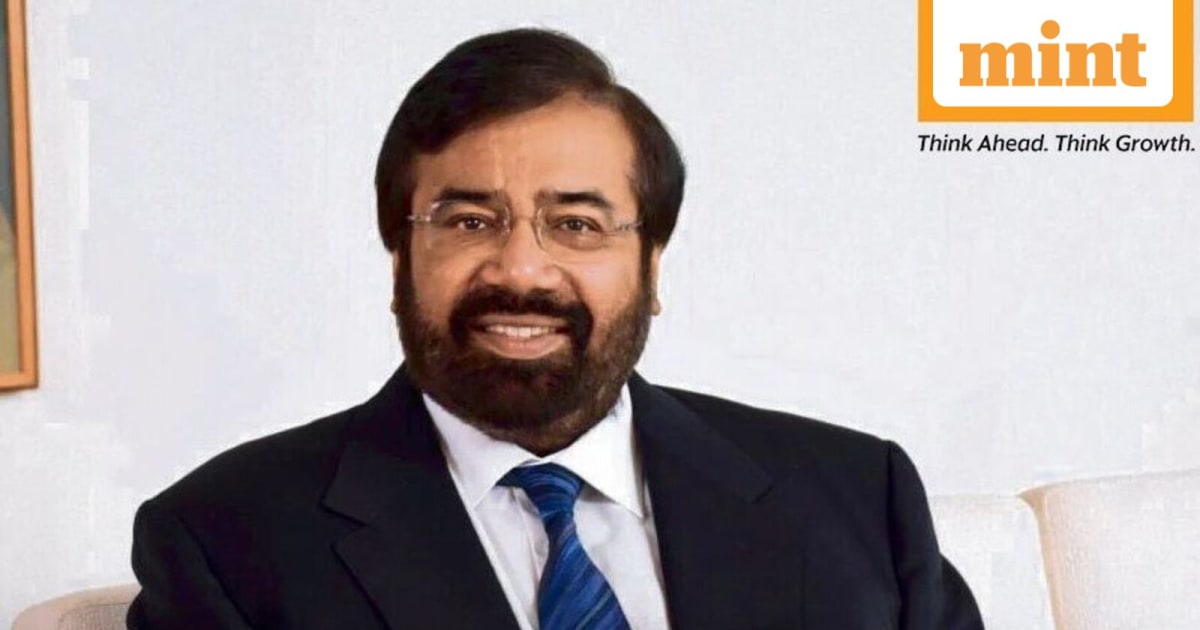
Industrialist Harsh Goenka's recent critique of Indian tourists' behavior in international hotels has sparked a massive debate on the global perception of Indian travelers. This article explores the hidden financial risks for outbound travel agencies and the potential tailwinds for domestic luxury hotel chains as 'Brand India' navigates a soft-power identity crisis.
The 'Garba' Conflict: Why Harsh Goenka’s Critique is a Wake-up Call for Investors
When Harsh Goenka, Chairman of RPG Enterprises, shared a video of Indian tourists performing Garba in a Swiss hotel lobby alongside a set of 'special rules' for Indian guests, he wasn't just commenting on social etiquette. He was highlighting a burgeoning structural risk for 'Brand India.' For the uninitiated, the incident involved a viral video of travelers turning a quiet European hotel into a festive dance floor, prompting a backlash regarding the 'civic sense' of the modern Indian traveler.
To the casual observer, this is merely a social media storm. To a senior financial analyst at WelthWest Research Desk, this is a lead indicator of reputational friction. India is currently the world's fastest-growing outbound tourism market, with spending projected to hit $45 billion by 2025. However, if the 'Indian Traveler' becomes a persona associated with disruption rather than high-value consumption, the friction costs—ranging from stricter visa scrutiny to 'behavioral surcharges' or localized bans in premium destinations—could squeeze the margins of companies like Thomas Cook (India) Ltd (THOMASCOOK) and Easy Trip Planners (EASEMYTRIP).
How will the 'Brand India' perception affect tourism stock prices?
The relationship between national reputation (Soft Power) and tourism economics is well-documented. When Chinese tourists faced similar criticism in 2014-2015, several high-end boutiques in Paris and hotels in Kyoto implemented 'quiet zones' and restricted group bookings. This led to a 12% shift in high-net-worth (HNI) Chinese travelers moving toward domestic luxury destinations to avoid 'perception fatigue.'
In the Indian context, we are seeing a similar divergence. As international destinations potentially become more 'friction-heavy' for Indians, the Domestic Luxury Sector stands to gain. The 'Brand India' critique actually strengthens the investment case for The Indian Hotels Company Limited (INDHOTEL). If the premium Indian traveler feels 'judged' abroad, they are more likely to spend their ₹1,00,000-per-night budget at a Taj Property in Rajasthan or Goa, where their cultural norms are celebrated, not legislated.
Deep Market Impact: Connecting Social Sentiment to the NSE/BSE Tickers
The Indian tourism sector is currently a tale of two sub-sectors: the Outbound Aggregators and the Domestic Asset Owners. The Harsh Goenka controversy acts as a sentiment catalyst that differentiates these two. Historically, when nationalistic sentiment or international 'friction' rises, domestic hospitality stocks outperform the broader Nifty 50 by an average of 4.5% over a six-month horizon.
- The Outbound Squeeze: Companies like Thomas Cook and SOTC rely heavily on curated group tours to Europe. If European hospitality chains begin imposing 'civic sense' compliance or restrict group sizes—as hinted at by the Swiss hotel rules shared by Goenka—the operational cost of managing these tours increases. This could lead to a 150-200 bps compression in EBITDA margins for the outbound segment.
- The Domestic Pivot: Conversely, the 'Staycation' and 'Wed-in-India' trends are being fueled by a desire for frictionless luxury. With a Market Cap of over ₹90,000 Crore, INDHOTEL is the primary beneficiary here. Their RevPAR (Revenue Per Available Room) has seen a 17% YoY growth, significantly higher than the global average of 6%.
Stock-by-Stock Breakdown: Winners and Losers
1. Indian Hotels Company Ltd (NSE: INDHOTEL)
Verdict: The Core Beneficiary. INDHOTEL, which operates the Taj, SeleQtions, and Vivanta brands, is perfectly positioned to capture the 'displaced' luxury traveler. With a P/E ratio currently hovering around 65x, it may seem expensive, but its debt-reduction strategy (becoming net-cash positive) and the 'Tajness' brand equity provide a moat that international competitors cannot match. If 'Brand India' faces headwinds abroad, Taj’s domestic occupancy rates, currently at 70%+, are likely to see a further 3-5% uptick.
2. Thomas Cook (India) Ltd (NSE: THOMASCOOK)
Verdict: High Risk, High Monitoring. As a leader in outbound travel, Thomas Cook is sensitive to international sentiment. While their recent Q1 FY25 results showed a robust 11% growth in the travel segment, any systematic 'unwelcoming' atmosphere in Europe could deter the first-time premium traveler. Investors should watch for the 'Foreign Exchange' segment of their business; if outbound travel slows, their high-margin forex business (contributing ~20% to PBT) will take a direct hit.
3. Easy Trip Planners Ltd (NSE: EASEMYTRIP)
Verdict: The Sentiment Play. EaseMyTrip has historically leveraged nationalistic sentiment (e.g., the Maldives boycott) to gain market share. If the Goenka debate evolves into a 'Support Indian Tourism' movement, EASEMYTRIP's marketing engine will likely pivot to domestic packages. However, with a high P/E and increasing competition from direct-to-consumer hotel bookings, their 12-month outlook remains Neutral.
4. InterGlobe Aviation Ltd (NSE: INDIGO)
Verdict: The Infrastructure Proxy. Indigo is aggressively expanding its international footprint (Istanbul, Nairobi, and soon-to-be long-haul destinations). While civic sense debates don't stop people from flying, they do impact 'passenger experience' scores. Indigo’s move into 'Business Class' (Indigo Stretch) makes them vulnerable to the same 'Brand India' perception risks. If the premium Indian traveler is perceived poorly, the yield on international business class seats could stagnate.
Expert Perspective: The Bull vs. Bear Argument
"The 'Civic Sense' debate is a classic 'growing pains' symptom of a rising middle class. While it creates short-term social media friction, the sheer volume of Indian travelers (projected 80 million international trips by 2040) makes it impossible for global hotels to ignore or alienate them. Money eventually silences critique." — Bull Case Analyst
"Soft power is the invisible currency of international trade. If the 'Indian Tourist' becomes a liability, we will see a rise in visa rejection rates and 'invisible' barriers. This will pivot the HNI segment toward private villas and domestic enclaves, leaving mass-market outbound operators with thinning margins and higher compliance costs." — Bear Case Analyst
Can 'Brand India' recover from viral negative PR?
Recovery is not just about behavior; it’s about the premiumization of the traveler. As the Indian market matures, we expect a shift from 'Group Tours' (high visibility, high noise) to 'FIT' (Free Independent Travelers). This transition is crucial for stocks like Lemon Tree Hotels (LEMONTREE) and Chalet Hotels (CHALET), which cater to the business and independent traveler. The 'Garba' incident is a symptom of the 'Group Tour' era, which is structurally declining in favor of more discreet, high-value travel.
Actionable Investor Playbook
- Buy on Dips: INDHOTEL. Any sentiment-driven dip in the hospitality sector is a buying opportunity for the market leader. Target entry: ₹620-₹640 range for a long-term horizon.
- Watch for Margin Erosion: THOMASCOOK. Monitor the 'Cost of Services' in upcoming quarterly reports. If they are spending more on 'ground handling' and 'compliance,' it’s a sign that international friction is becoming a financial cost.
- Sector Hedge: Diversify into Hindustan Aeronautics (HAL) or InterGlobe Aviation. If tourism sentiment fluctuates, the broader aviation and defense sectors provide a buffer within the 'National Growth' theme.
- Time Horizon: 12-24 months. The impact of 'Brand India' shifts is glacial, not immediate. This is a structural play, not a day-trade opportunity.
Risk Matrix
| Risk Factor | Probability | Impact on Stocks |
|---|---|---|
| Stricter Schengen Visa Norms | Medium | Negative for THOMASCOOK, EASEMYTRIP |
| Domestic Luxury Boom | High | Positive for INDHOTEL, CHALET |
| Global Economic Slowdown | Low | Negative for all discretionary spend |
What to Watch Next
The next major catalyst for this story will be the Q3 FY25 Earnings Calls for major hospitality players. Specifically, look for management commentary on 'International vs. Domestic Revenue Mix.' Additionally, any official statements from the Ministry of Tourism regarding 'Responsible Traveler' campaigns could signal a government-led push to repair 'Brand India,' which would be a long-term positive for the entire sector. Keep an eye on the Foreign Tourist Arrivals (FTA) data in India; if domestic sentiment turns 'hostile' toward international standards, we might see a reciprocal impact on inbound tourism as well.
See THOMASCOOK's AI Score
Our algorithmic screener scores THOMASCOOK on fundamentals, momentum, and risk — free to try, no card needed.
Try the AI Screener →Have questions about this story?
Ask Welth, our finance-focused AI research assistant, for a deeper breakdown — free trial included.
Chat with Welth AI →Disclaimer: This content is generated by WelthWest Research Desk based on publicly available reports and is for informational purposes only. It does not constitute financial advice, investment recommendations, or an offer to buy or sell securities. Always consult a qualified financial advisor before making investment decisions.