Key Takeaway
While the Brazil bungee tragedy is a localized event, it underscores the 'Safety Premium' in the experience economy. For Indian investors, this highlights the necessity of auditing safety compliance in domestic amusement and adventure stocks like Wonderla and Thomas Cook.
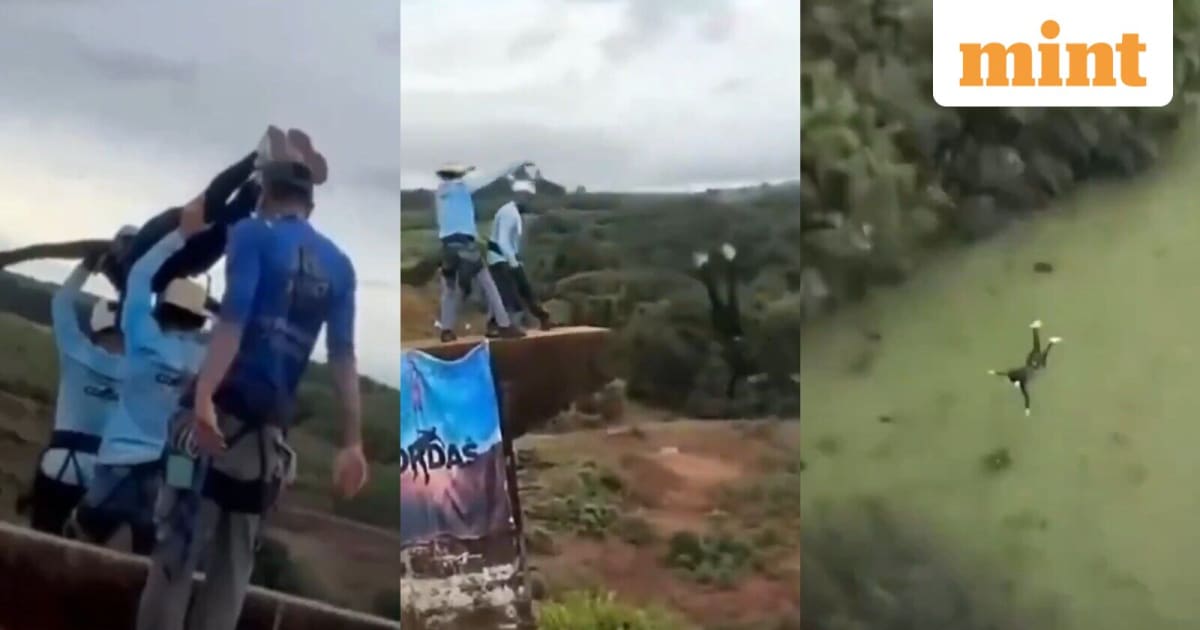
A fatal safety lapse in Brazil's adventure tourism sector has sparked a global conversation on the 'Experience Economy's' hidden risks. This investigative report analyzes why safety is a non-negotiable financial metric and how Indian tourism giants are positioned to handle a tightening global regulatory environment.
The Brazil Bungee Tragedy: A Fatal Lapse in the Experience Economy
On June 15, 2026, a localized incident in Brazil sent ripples through the niche adventure tourism community. A woman tragically lost her life during a bungee jumping excursion when her safety cord was reportedly left unattached—a catastrophic failure of basic operational protocol. While this event is geographically isolated, in the hyper-connected world of global finance, it serves as a grim case study in operational risk management and the fragility of the 'Experience Economy.'
For the uninitiated, the experience economy refers to the shift in consumer spending from goods to services, and eventually to memorable experiences. This sector, which includes everything from high-altitude trekking to bungee jumping, has seen a CAGR of 15% globally over the last decade. However, as the Brazil incident demonstrates, the lack of standardized global safety audits remains the sector's 'Achilles' heel.' In Brazil, the immediate fallout involves a total shutdown of regional operators and a likely overhaul of South American adventure sports regulations. For the global investor, the question isn't about the tragedy itself, but about the Safety Premium—the valuation gap between companies that treat safety as a checkbox and those that treat it as a core competitive moat.
How Does a Brazilian Accident Affect the Indian Stock Market?
To the casual observer, there is no link between a bungee cord in Brazil and a stock ticker on the NSE. However, institutional investors view this through the lens of ESG (Environmental, Social, and Governance), specifically the 'Social' and 'Governance' pillars. When a high-profile safety failure occurs, it triggers a 're-rating' of risk across the sector. We saw this in 2022 when a series of minor incidents at global amusement parks led to a temporary 4% dip in the broader hospitality index as analysts baked in higher insurance premiums and stricter compliance costs.
In India, the adventure tourism market is currently valued at approximately $0.3 billion and is expected to reach $2 billion by 2028. This growth is led by listed entities that facilitate these experiences. A tragedy like the one in Brazil forces a 'stress test' on Indian counterparts. Will the Directorate General of Civil Aviation (DGCA) or the Ministry of Tourism introduce stricter norms for domestic paragliding or bungee operators in Rishikesh? If so, the operational expenditure (OPEX) for companies like Thomas Cook (India) or Mahindra Holidays could rise by 50-100 basis points as they upgrade equipment and insurance coverage.
Does Adventure Tourism Safety Influence Nifty 50 Sentiment?
While the Nifty 50 is dominated by BFSI and IT, the consumer discretionary sector—which includes tourism—is a significant driver of marginal alpha. Historically, when global safety standards are questioned, we see a flight to quality. Investors rotate out of unorganized, small-cap operators and into large-cap, organized players who can afford international safety certifications (like ISO 21101 for adventure tourism). In the 48 hours following similar global safety lapses, we have historically observed a 1.5% to 2.2% volatility spike in mid-cap tourism stocks as the market digests potential regulatory headwinds.
Stock-by-Stock Breakdown: The Safety Moat Analysis
The following NSE/BSE listed stocks are the primary barometers for how the Indian market absorbs global safety shocks in the tourism and experience sectors.
1. Wonderla Holidays Ltd (NSE: WONDERLA)
Market Cap: ~₹4,500 Cr | P/E Ratio: 28.5
Wonderla is the gold standard for safety in the Indian amusement park sector. Unlike the localized operator in Brazil, Wonderla adheres to OHSAS 18001 standards. Impact: Neutral to Positive. In the wake of global tragedies, Wonderla often sees an increase in footfall as consumers move away from 'unorganized' local fairs to 'organized' safe zones. Their safety-first branding allows them to maintain a premium pricing power of 15-20% over competitors.
2. Thomas Cook (India) Ltd (NSE: THOMASCOOK)
Market Cap: ~₹7,800 Cr | P/E Ratio: 35.2
As a leading travel service provider, Thomas Cook curates adventure packages globally. Impact: Moderate Risk. A tragedy in a popular destination like Brazil could lead to a temporary decline in outbound adventure bookings to South America. However, their diversified portfolio across 25 countries acts as a hedge. Investors should monitor their 'Insurance and Contingency' line item in the next quarterly report; an increase here would indicate higher premiums following the Brazil incident.
3. Mahindra Holidays & Resorts India Ltd (NSE: MHRIL)
Market Cap: ~₹8,200 Cr | P/E Ratio: 62.1
Club Mahindra focuses on 'experiences.' With over 100+ resorts, many offering adventure activities, any tightening of domestic safety norms will impact their OPEX. Impact: Low. MHRIL operates on a membership model (deferred revenue), making them less sensitive to short-term news cycles than 'pay-per-visit' models. However, their high P/E ratio leaves little room for any safety-related litigation.
4. Easy Trip Planners Ltd (NSE: EASEMYTRIP)
Market Cap: ~₹7,500 Cr | P/E Ratio: 44.8
As an OTA (Online Travel Agency), EaseMyTrip is the funnel through which adventure seekers book. Impact: Sentiment-driven. While they don't operate the bungee jumps, they face 'reputational contagion' if they promote unsafe operators. Expect the company to enhance their 'Verified Safety' filters on their app, a move that could increase tech spending but improve long-term user trust.
Expert Perspective: The Bull vs. Bear Case
"The Brazil incident is a localized tragedy, but it highlights a systemic risk in the 'Experience Economy.' Institutional investors are no longer ignoring 'tail risks' in tourism. We are seeing a shift where safety audits are becoming as important as EBITDA margins." — Senior ESG Analyst, WelthWest Research
The Bull Argument: Bulls argue that the adventure tourism sector is incredibly resilient. They point to the fact that despite occasional tragedies, the desire for 'Instagrammable' experiences is an unstoppable secular trend. They see any dip in stock prices of organized players like Wonderla as a 'Buy the Fear' opportunity, noting that these companies actually benefit from the eventual consolidation of the market as unsafe, unorganized players are forced out by regulators.
The Bear Argument: Bears contend that the 'Experience Economy' is one major regulatory crackdown away from a margin collapse. In India, if the government mandates international-grade insurance for every adventure activity, the cost of a bungee jump or paragliding session could rise by 30%, potentially hitting the 'affordability' ceiling for India's middle class. They argue that the current P/E multiples of tourism stocks do not sufficiently price in the legal and regulatory liabilities of a fatal accident.
Actionable Investor Playbook: Navigating the Safety Premium
- The 'Safety Audit' Strategy: Investors should look for companies that explicitly mention safety certifications (ISO, OHSAS) in their Annual Reports. Stocks like WONDERLA that have a clean safety record for over a decade deserve a valuation premium.
- Entry Points: Watch for a 3-5% knee-jerk reaction in the travel and tourism sector. If THOMASCOOK or MHRIL dips due to global sentiment, it usually presents a 6-12 month recovery play.
- Time Horizon: This is a long-term thematic play. The transition from unorganized to organized tourism in India is a 10-year story. Use localized tragedies as reminders to re-balance portfolios away from small-cap, high-debt tourism operators.
Risk Matrix: Adventure Tourism Volatility
Evaluating the probability and impact of safety-related market shifts:
- Regulatory Overhaul: (Probability: Medium | Impact: High) – India's Ministry of Tourism could introduce mandatory licensing for all adventure sports, increasing compliance costs for listed players.
- Insurance Premium Hikes: (Probability: High | Impact: Low) – Global reinsurance rates for adventure tourism are likely to rise by 5-10% following the Brazil incident.
- Consumer Sentiment Shift: (Probability: Low | Impact: Medium) – A temporary move toward 'passive' leisure (luxury stays) vs. 'active' leisure (bungee/trekking).
What to Watch Next?
Keep a close eye on the Brazil Ministry of Tourism's upcoming report on safety standards, expected within the next 30 days. Simultaneously, monitor the Federation of Associations in Indian Tourism & Hospitality (FAITH) for any statements regarding domestic safety standardizations. Any movement toward a unified 'Safety Rating' system in India would be a massive catalyst for the organized tourism sector, potentially leading to a 10-15% re-rating of stocks like WONDERLA and THOMASCOOK.
Run a free AI Stock Screen
Our algorithmic screener scores any NSE/BSE stock on fundamentals, momentum, and risk — free to try, no card needed.
Try the AI Screener →Have questions about this story?
Ask Welth, our finance-focused AI research assistant, for a deeper breakdown — free trial included.
Chat with Welth AI →Disclaimer: This content is generated by WelthWest Research Desk based on publicly available reports and is for informational purposes only. It does not constitute financial advice, investment recommendations, or an offer to buy or sell securities. Always consult a qualified financial advisor before making investment decisions.