Key Takeaway
Brent crude's surge to $100 signals significant inflationary headwinds for India, pressuring the Rupee and likely forcing the RBI to maintain a hawkish stance. Investors must brace for margin compression in import-heavy sectors and pivot towards domestic E&P plays, while Bitcoin's rally offers a speculative side-show with limited direct equity market contagion.
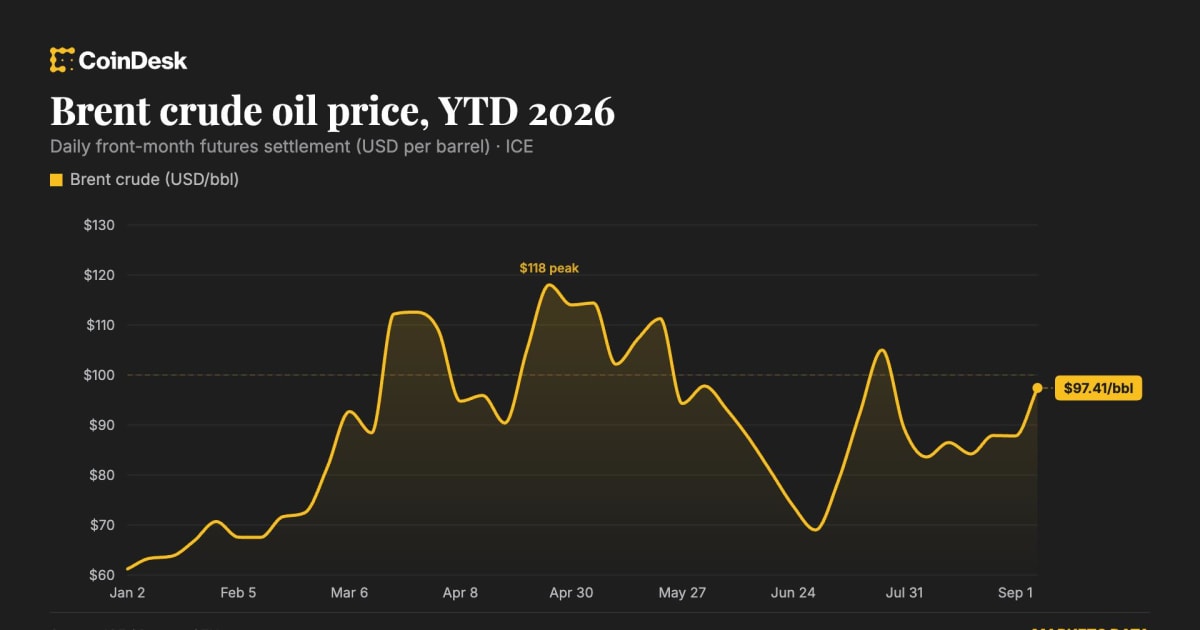
The global energy landscape is undergoing a seismic shift as Brent crude breaches the critical $100 mark, while Bitcoin's valuation rockets to $79,000. This WelthWest deep dive meticulously unpacks the profound implications for India's economy, from escalating inflation and a widening current account deficit to the RBI's monetary policy trajectory. We identify the specific Indian sectors and stocks poised to win or lose, offering actionable strategies for navigating this volatile environment.
Brent Crude Breaches $100: India's Economic Crossroads Amidst Global Volatility
The global financial markets are witnessing a dramatic recalibration, with Brent crude oil prices surging past the psychological $100 per barrel threshold – a level not consistently sustained since the tumultuous periods of 2022. Concurrently, the digital asset realm is experiencing its own fever pitch, as Bitcoin (BTC) races towards an unprecedented $79,000 valuation. While the latter signals a burgeoning risk-on appetite in certain speculative pockets, it is the former – the relentless ascent of crude oil – that casts a long, ominous shadow over India's economic stability and its equity markets.
This isn't merely a headline-grabbing price movement; it's a fundamental shift with profound implications for a net oil importer like India. The nation relies on imports for over 85% of its crude oil requirements. A $10 increase in crude oil prices can inflate India's import bill by approximately $15-20 billion annually, directly translating into a widening current account deficit (CAD) and exerting significant depreciation pressure on the Indian Rupee (INR). This immediate economic domino effect demands a comprehensive investor playbook, moving beyond superficial analysis to uncover the deep structural impacts on specific sectors and companies listed on the NSE and BSE.
How Will $100 Oil Impact India's Inflation and RBI Policy?
The most immediate and pervasive impact of $100 Brent crude on India will be felt through inflation. Crude oil is a critical input across virtually every sector, from manufacturing and transportation to agriculture. Higher fuel costs translate directly into elevated input prices for producers and increased transportation costs for goods, inevitably feeding into consumer price inflation (CPI).
Historically, a 10% increase in crude oil prices has been observed to push India's CPI up by approximately 0.5-0.7 percentage points. With the Reserve Bank of India (RBI) already grappling with inflation hovering above its comfort zone of 4%, this renewed surge in energy costs drastically complicates its monetary policy calculus. The central bank, which has maintained a hawkish stance to anchor inflation expectations, will find its room for maneuver severely constrained. While market participants were cautiously anticipating potential rate cuts later in the year, the $100 oil scenario makes such prospects increasingly remote. Instead, the RBI may be compelled to maintain higher interest rates for longer, or even consider further tightening if inflationary pressures become entrenched. This 'higher for longer' interest rate environment will have a chilling effect on interest-rate sensitive sectors, from real estate to automobiles, by increasing borrowing costs for both consumers and corporations.
The last time Brent consistently traded above $100 in early 2022, India's CPI inflation peaked at 7.79% in April 2022, prompting the RBI to initiate an aggressive rate hike cycle, cumulatively increasing the repo rate by 250 basis points. The Nifty 50, in response, saw a significant correction of over 15% from its peak in late 2021 to mid-2022, demonstrating the profound sensitivity of Indian equities to sustained high energy prices and subsequent monetary tightening.
Deep Market Impact Analysis: Sectoral Winners and Losers from Surging Oil
The Indian equity market is poised for a significant reshuffling as the implications of $100 Brent crude ripple through various sectors. This isn't a uniform impact; rather, it creates a stark divergence between beneficiaries and casualties.
Winners: The Domestic Energy Play and Long-Term Renewables
- Oil Exploration & Production (E&P) Companies: These entities directly benefit from higher crude oil prices as their realized prices for domestically produced crude increase, boosting revenues and profitability. Companies like ONGC and Oil India, with significant upstream assets, are direct beneficiaries. Every $1 increase in crude prices can add hundreds of crores to their bottom line, assuming stable production.
- Renewable Energy: While not an immediate winner, the long-term narrative for renewable energy strengthens considerably. As fossil fuels become more expensive and volatile, the economic case for transitioning to solar, wind, and other clean energy sources becomes even more compelling. This fundamental shift will accelerate investment in companies involved in renewable energy generation, equipment manufacturing, and green hydrogen, albeit with a longer investment horizon.
Losers: The Broad Spectrum of Oil-Dependent Industries
- Oil Marketing Companies (OMCs): Indian Oil Corporation (IOC), Bharat Petroleum Corporation (BPCL), and Hindustan Petroleum Corporation (HPCL) face immense pressure. While they benefit from inventory gains when prices are rising, sustained high crude prices without commensurate increases in retail fuel prices (often constrained by government intervention to manage inflation) lead to significant under-recoveries and margin compression. Their gross refining margins (GRMs) could also be squeezed if product prices don't keep pace with crude input costs.
- Airlines: Fuel constitutes 30-40% of an airline's operating costs. InterGlobe Aviation (Indigo) and SpiceJet will see their profitability severely eroded by higher Aviation Turbine Fuel (ATF) prices. While they may attempt to pass on costs through fare hikes, demand elasticity and competitive pressures often limit this ability, leading to lower load factors or reduced yields.
- Logistics & Transportation: Companies involved in road, rail, and sea freight will experience a direct surge in operational costs due to higher diesel prices. This impacts their margins and could necessitate price increases, potentially slowing down economic activity as supply chain costs rise.
- Chemicals: Petrochemicals are crucial feedstocks for a wide range of chemical products. Companies in the chemicals sector will face higher raw material costs, impacting their production economics and competitiveness.
- Automobile: Higher fuel prices deter discretionary spending on new vehicles. Consumers may delay purchases or opt for more fuel-efficient models. Furthermore, the broader inflationary environment and potential interest rate hikes make auto loans more expensive, further dampening demand for companies like Maruti Suzuki and Tata Motors.
- Manufacturing: Across the board, manufacturing units will contend with elevated energy costs for production, higher transportation expenses for raw materials and finished goods, and potentially subdued consumer demand due to inflationary pressures. This translates to lower profitability and slower growth.
- Consumers: Ultimately, the burden falls on the Indian consumer through higher prices for essential goods and services, reduced purchasing power, and potentially stagnant real wage growth.
Stock-by-Stock Breakdown: Navigating the Energy Price Shock
Let's delve into specific Indian equities and their anticipated performance in this $100 Brent crude environment:
- Oil and Natural Gas Corporation (ONGC) (NSE: ONGC): As India's largest crude oil and natural gas producer, ONGC is a primary beneficiary. With a market capitalization exceeding ₹2.8 lakh crore and a historically low P/E ratio, its valuations often lag its earnings potential during crude price rallies. Every $1 rise in crude oil prices can boost ONGC's net profit by approximately ₹800-1,000 crore annually. Investors should watch for sustained production levels to fully capitalize on higher prices. Its current dividend yield, often attractive, further sweetens the deal for long-term holders seeking income alongside capital appreciation.
- Reliance Industries Ltd (NSE: RELIANCE): While a diversified conglomerate, Reliance's upstream E&P segment (primarily KG-D6 basin) stands to benefit from higher gas prices, which are often linked to crude oil. However, its O2C (Oil-to-Chemicals) segment, which is a significant part of its revenue, could face margin pressure if product crack spreads don't expand proportionally with crude prices. The net impact will depend on the relative strength of its various businesses. Investors should analyze segment-wise performance rather than a monolithic view.
- Indian Oil Corporation (IOC) (NSE: IOC): As a leading OMC, IOC faces considerable headwinds. Its refining margins might get squeezed, and potential government intervention to cap retail fuel prices could lead to under-recoveries, impacting its profitability. While its massive distribution network provides some resilience, the core business model is highly sensitive to crude price volatility. Historically, OMCs have struggled when crude prices spike rapidly without full pass-through to consumers. Its P/E ratio, currently around 5-7x, often reflects this inherent volatility and government policy risk.
- InterGlobe Aviation Ltd (Indigo) (NSE: INDIGO): India's largest airline by market share, Indigo, will see its already thin profit margins erode further. Fuel costs represent a substantial portion of its operating expenses. Despite its robust domestic network and strong balance sheet, a prolonged period of high ATF prices will test its pricing power and operational efficiency. Investors saw Indigo's stock price dip significantly during previous crude spikes, underscoring its sensitivity.
- Maruti Suzuki India Ltd (NSE: MARUTI): As the dominant passenger vehicle manufacturer, Maruti faces a dual challenge. Higher fuel prices can reduce demand for petrol-powered vehicles, and the broader inflationary environment coupled with rising interest rates makes car loans more expensive, impacting overall sales volumes. While its strong market position and focus on fuel-efficient models offer some defense, a sustained period of high crude will likely dampen its growth trajectory.
- Tata Motors Ltd (NSE: TATAMOTORS): While Tata Motors has a diversified portfolio including commercial vehicles and luxury brand JLR, its domestic passenger vehicle segment will also contend with similar demand pressures as Maruti. Furthermore, its commercial vehicle segment is highly sensitive to economic activity, which could slow down due to inflationary pressures and higher interest rates. The company's ongoing EV transition offers a long-term hedge but won't fully offset immediate fuel cost impacts.
Expert Perspective: The Bull vs. Bear Debate on India's Economic Resilience
The surge in Brent crude to $100 ignites a fierce debate among market strategists regarding India's economic resilience.
The Bears' Argument: The bearish camp, citing historical precedents, emphasizes the significant import dependency and the direct correlation between crude prices and India's twin deficits (CAD and fiscal deficit). They argue that the RBI will be forced into a prolonged hawkish stance, stifling economic growth prospects. Furthermore, they point to the potential for demand destruction across various sectors as consumer purchasing power diminishes. This scenario, they contend, could lead to earnings downgrades across the broader market, making Indian equities less attractive relative to global peers.
The Bulls' Counterpoint: The bulls, while acknowledging the headwinds, highlight India's robust domestic demand story and ongoing government infrastructure spending as potential buffers. They argue that India's economy is structurally stronger than in previous oil shocks, with improved forex reserves offering some protection against Rupee depreciation. Furthermore, they suggest that companies have developed better cost management strategies, and the government might intervene with targeted subsidies to cushion the impact on consumers, preventing a complete demand collapse. They also point to the potential for a global slowdown to eventually temper crude prices, making the current spike transient rather than structural.
A contrarian view also emerges around the Bitcoin surge. While not directly impacting traditional Indian equities, its rally to $79,000 reflects a segment of investors seeking alternative assets amidst global uncertainty and potentially anticipating looser monetary policy elsewhere. Should India eventually embrace a clearer regulatory framework for digital assets, this could unlock new investment avenues, but for now, its relevance to the core equity market is limited to a broader 'risk-on' sentiment indicator for a niche investor class.
Actionable Investor Playbook: Strategies for a $100 Oil Environment
Navigating this complex environment requires a disciplined and strategic approach. Investors should consider the following actionable steps:
- Buy/Accumulate: Focus on domestic upstream E&P companies like ONGC (NSE: ONGC) and Oil India (NSE: OIL). These are direct beneficiaries of higher crude prices. Consider accumulating on dips, with an investment horizon of 6-12 months, targeting their historical P/E multiples during periods of high crude. Look for entry points when the broader market reacts negatively, offering a chance to buy into these defensive plays at a discount.
- Sell/Reduce Exposure: Be cautious or reduce exposure to highly fuel-sensitive sectors. This includes airlines like InterGlobe Aviation (NSE: INDIGO) and SpiceJet (NSE: SPICEJET), and Oil Marketing Companies such as Indian Oil Corporation (NSE: IOC), Bharat Petroleum Corporation (NSE: BPCL), and Hindustan Petroleum Corporation (NSE: HPCL). For OMCs, watch for any government statements on fuel price policy, which could temporarily alleviate pressure but don't negate the underlying risk.
- Watch/Monitor: Keep a close eye on the automobile sector (Maruti Suzuki (NSE: MARUTI), Tata Motors (NSE: TATAMOTORS)) and manufacturing companies. While immediate impact might be moderate, sustained high oil prices coupled with aggressive RBI action could severely dent demand and profitability. Also, monitor companies with high input costs from petrochemicals. Consider long-term plays in renewable energy stocks after thorough due diligence, as this sector benefits structurally from expensive fossil fuels.
- Defensive Plays: Consider sectors less directly impacted by crude prices or those with strong pricing power, such as certain pharmaceuticals (focused on domestic consumption), IT services (revenue primarily in foreign currency), and select consumer staples (though these can also be hit by general inflation).
- Currency Hedging: For investors with significant international exposure, consider hedging strategies against potential Rupee depreciation.
Risk Matrix: Assessing the Downside Potential
The current environment is fraught with specific risks that could further exacerbate market volatility:
- Sustained High Oil Prices (Probability: High): If geopolitical tensions persist or global supply remains constrained, Brent crude could remain above $100 for an extended period. This would lead to aggressive and prolonged rate hikes by the RBI, severely impacting economic growth and corporate earnings across the board. The probability is high given current global instability.
- Aggressive RBI Rate Hikes (Probability: Medium-High): Should inflation prove sticky due to high oil prices, the RBI may be forced to undertake more significant rate hikes than currently anticipated. This would negatively affect interest-rate sensitive sectors like real estate, auto, and capital goods, and increase borrowing costs for all businesses.
- Escalating Geopolitical Events (Probability: Medium): Any further escalation in existing conflicts or the emergence of new geopolitical flashpoints, particularly in oil-producing regions, could send crude prices spiraling even higher. This introduces significant market uncertainty and could trigger risk-off sentiment globally, impacting foreign institutional investor (FII) flows into India.
- Global Economic Slowdown (Probability: Medium): While high oil prices can cause inflation, they can also contribute to a global economic slowdown as purchasing power diminishes. A significant global recession would dampen demand for Indian exports and could lead to a broader market correction, even if oil prices eventually moderate due to reduced demand.
What to Watch Next: Catalysts and Key Data Points
Investors should closely monitor the following upcoming catalysts and data releases to refine their strategies:
- OPEC+ Meetings: Decisions from the Organization of the Petroleum Exporting Countries and its allies (OPEC+) regarding production quotas will be pivotal in determining future oil supply and prices. The next scheduled meeting, or any unscheduled emergency meetings, will be crucial.
- RBI Monetary Policy Committee (MPC) Meetings: The tone and decisions from upcoming MPC meetings will provide clear signals on the RBI's inflation outlook and interest rate trajectory. Pay close attention to forward guidance.
- India's CPI and WPI Data: Monthly inflation prints (Consumer Price Index and Wholesale Price Index) will indicate the extent to which higher crude oil prices are translating into broader price pressures within the economy.
- India's Trade Deficit and Current Account Data: These quarterly releases will show the actual impact of higher crude imports on India's external balance and the Rupee.
- Global Economic Indicators: GDP growth figures, manufacturing PMIs, and inflation data from major economies (US, EU, China) will influence global oil demand and broader market sentiment.
- Geopolitical Developments: Any news related to ongoing conflicts or new political tensions in key oil-producing regions will have an immediate impact on crude price volatility.
See ONGC's AI Score
Our algorithmic screener scores ONGC on fundamentals, momentum, and risk — free to try, no card needed.
Try the AI Screener →Have questions about this story?
Ask Welth, our finance-focused AI research assistant, for a deeper breakdown — free trial included.
Chat with Welth AI →Disclaimer: This content is generated by WelthWest Research Desk based on publicly available reports and is for informational purposes only. It does not constitute financial advice, investment recommendations, or an offer to buy or sell securities. Always consult a qualified financial advisor before making investment decisions.