Key Takeaway
The CFTC's move to dismiss the CME lawsuit over crypto perpetual futures signals a critical juncture for US digital asset regulation. While indirect, this legal battle's outcome will shape global institutional crypto adoption, influencing sentiment and future regulatory clarity for Indian investors and tech stocks alike.
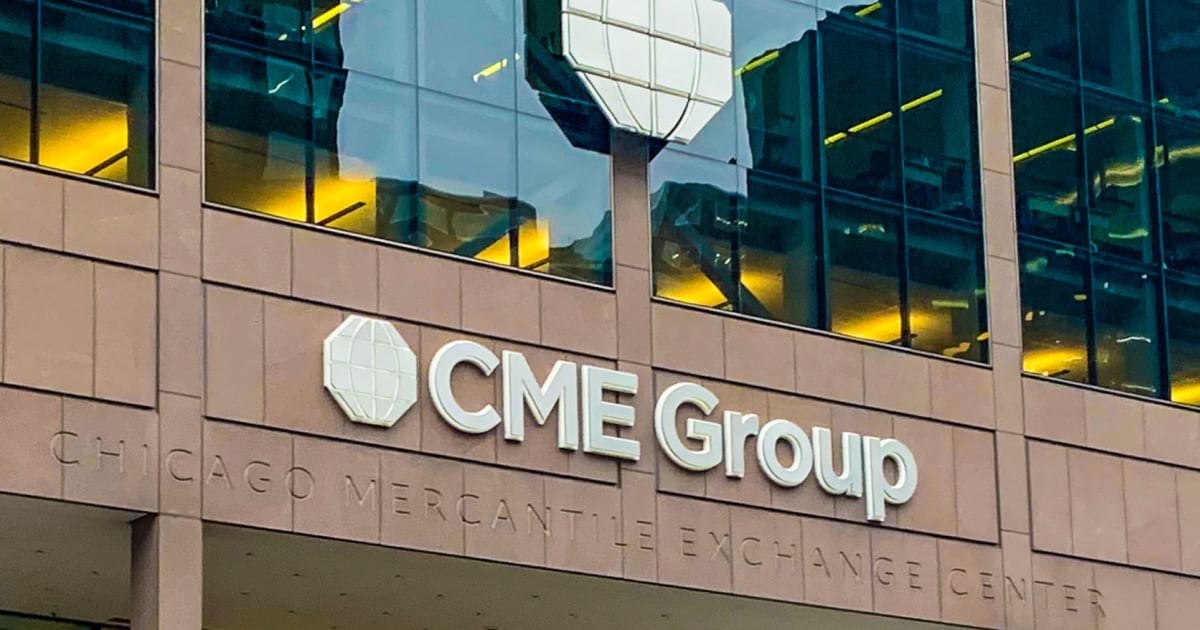
The US regulatory landscape for crypto derivatives faces a pivotal moment as the CFTC seeks to dismiss a lawsuit brought by the CME regarding crypto perpetual futures. This in-depth analysis explores the far-reaching implications of this legal saga, from shaping global digital asset frameworks to its nuanced impact on India's burgeoning tech sector and investor sentiment. Discover which Indian stocks stand to gain or lose, and how to position your portfolio.
CFTC vs. CME: Unpacking the Crypto Futures Legal Battle and Its Ripple Effect on Indian Markets
The United States Commodity Futures Trading Commission (CFTC) has recently moved to dismiss a pivotal lawsuit filed by the Chicago Mercantile Exchange (CME) concerning the regulation of crypto perpetual futures. This seemingly technical legal maneuver, unfolding within the intricate corridors of US financial law, is far from an isolated incident. Instead, it represents a critical inflection point in the global discourse surrounding digital asset classification and oversight. For astute investors in India, understanding the nuances of this development is paramount, as its outcome could subtly, yet significantly, recalibrate market sentiment, influence institutional participation, and even shape the future regulatory trajectory of India's own digital economy.
At its core, the lawsuit revolves around jurisdictional clarity over crypto derivatives. The CME, a regulated entity, has sought to challenge aspects of the CFTC's approach, particularly concerning the nascent and rapidly evolving perpetual futures market. Perpetual futures, unlike traditional futures contracts, lack an expiry date, offering continuous exposure and making them incredibly popular in the crypto world. The CFTC's push for dismissal underscores its stance on its regulatory authority and its vision for how these instruments should be governed. This isn't merely a procedural squabble; it's a battle for defining the regulatory perimeter of a multi-trillion-dollar asset class, with implications that extend far beyond American shores.
Why Does US Crypto Regulation Matter for Indian Investors and the Indian Stock Market?
The immediate connection between a US regulatory lawsuit and the Indian stock market might appear tenuous, but the interplay is profound. Major global markets like the US often act as bellwethers, setting precedents and influencing international norms. A clearer, more robust regulatory framework in the US for crypto derivatives could significantly bolster institutional confidence globally. This 'legitimacy dividend' would translate into increased capital inflows into the broader crypto ecosystem, which, in turn, can positively impact companies with exposure to blockchain technology, Web3 infrastructure, and digital payments – many of which are listed on the NSE and BSE.
Historically, regulatory clarity has been a significant catalyst for market growth. Consider the impact of SEBI's regulatory clarity around REITs and InvITs in India, which unlocked a new asset class for institutional investors and led to significant capital formation. While crypto is a different beast, the principle holds: certainty reduces risk premiums. A favorable resolution in the CFTC-CME case, or even a pathway towards greater regulatory harmony, could de-risk the crypto space in the eyes of large global institutional investors. This global capital, while not directly flowing into Indian crypto exchanges due to local restrictions, would indirectly elevate the overall perception and stability of the crypto market, potentially encouraging Indian policymakers to accelerate their own regulatory frameworks, which are currently in a state of flux.
For instance, the global crypto market capitalization, currently hovering around $2.5 trillion, is still largely driven by retail participation. Institutional money, estimated to be less than 10% of the total, remains cautious due to regulatory ambiguities. A US framework that invites greater institutional participation could see this percentage rise, potentially pushing the total market cap towards $5-7 trillion within the next 3-5 years. This exponential growth would inevitably create tailwinds for Indian technology companies involved in the underlying infrastructure, security, or even payment rails that interact with digital assets.
Deep Market Impact Analysis: Connecting Global Crypto to Indian Equities
The ripple effects of this US legal battle on the Indian stock market, while indirect, are multifaceted. The primary channel of impact is through investor sentiment and the broader perception of the digital asset class. Increased regulatory clarity globally can reduce the 'crypto-winter' overhang, making investors more willing to allocate capital to companies that are either directly involved in blockchain technology or are positioned to benefit from its wider adoption.
Consider the historical parallel: when the US SEC approved Bitcoin ETFs in January 2024, it led to a surge in Bitcoin's price, nearing its all-time high. While Indian investors couldn't directly participate in these ETFs, the renewed optimism about crypto's mainstream acceptance led to increased chatter and interest in Indian tech companies exploring blockchain solutions. This sentiment-driven uplift often translates into higher valuations for companies perceived to be at the forefront of technological innovation.
A favorable outcome in the CFTC-CME case could accelerate the development and adoption of Web3 technologies, which rely heavily on decentralized finance (DeFi) and digital assets. Indian IT services giants, which are increasingly venturing into new-age tech consulting and development, stand to gain from this increased demand for blockchain-related services. Furthermore, companies focused on cybersecurity for digital assets, or those developing secure payment gateways that could eventually integrate with digital currencies, would also see an uplift.
However, an adverse ruling, or continued regulatory gridlock, could perpetuate uncertainty, dampening institutional enthusiasm and potentially triggering another period of subdued growth in the crypto markets. This would indirectly affect the revenue growth projections for Indian tech firms banking on Web3 adoption.
Stock-by-Stock Breakdown: Indian Equities in the Crosshairs
While no Indian company has direct exposure to the US crypto derivatives market, several NSE/BSE listed entities are strategically positioned to either benefit or face headwinds from the evolving global crypto regulatory landscape. Here are 4-6 specific stocks and their potential linkages:
- Infosys (NSE: INFY): As a global IT services behemoth, Infosys is actively involved in blockchain consulting and enterprise solutions for financial institutions worldwide. Increased regulatory clarity in the US could spur greater adoption of blockchain by their global clients, leading to higher demand for Infosys's expertise in areas like supply chain traceability, digital identity, and secure data management. A surge in Web3 projects would directly translate to increased project pipelines and revenue.
- Tata Consultancy Services (NSE: TCS): Similar to Infosys, TCS is a major player in digital transformation and has dedicated practices for blockchain and AI. Their financial services clientele would be among the first to explore regulated crypto solutions. A clear US framework would de-risk these explorations, potentially boosting TCS's consulting and implementation revenue from new digital asset initiatives.
- Wipro (NSE: WIPRO): Wipro has been investing in emerging technologies, including blockchain and cybersecurity. A more regulated and stable global crypto environment would likely increase enterprise spending on secure digital asset infrastructure, benefiting Wipro's specialized offerings in these domains.
- Persistent Systems (NSE: PERSISTENT): This mid-cap IT firm has a strong focus on product engineering and digital services, often partnering with fintech companies. As global fintech innovation increasingly intersects with digital assets, Persistent Systems could see enhanced demand for its product development capabilities if regulatory clarity fosters innovation in the space.
- HCL Technologies (NSE: HCLTECH): HCLTech's focus on engineering and R&D services, particularly in the financial sector, positions it to benefit from increased institutional investment in blockchain and digital asset solutions. Clarity in the US could unlock new project opportunities for their specialized teams.
- Tanla Platforms (NSE: TANLA): While not directly a blockchain company, Tanla Platforms is a leader in CPaaS (Communications Platform as a Service) and digital identity. As Web3 and digital assets mature, secure communication and verifiable digital identities become crucial. Tanla's platforms could find new avenues for integration and service provision in a more regulated and robust digital asset ecosystem.
For these IT sector peers, a positive resolution in the US regulatory landscape could lead to a 5-10% uplift in their forward P/E multiples as growth visibility improves, assuming a broader market re-rating of tech stocks with Web3 exposure. Conversely, prolonged uncertainty could cap their upside potential.
Expert Perspective: Bulls vs. Bears on Crypto Regulation's Indian Impact
Bull Argument: "The CFTC's dismissal request, while a procedural step, signals a potential path towards clearer regulatory boundaries in the US. This clarity is the single biggest catalyst for institutional capital deployment into crypto. When global giants like BlackRock and Fidelity can operate with certainty, a wave of money will flow in. This will legitimise the underlying technology, spurring demand for blockchain development, cybersecurity, and Web3 infrastructure – areas where Indian IT firms excel. We could see a significant re-rating of Indian tech stocks with strong digital transformation practices, as they become key enablers for global enterprises navigating this new frontier. The indirect impact on sentiment for Indian policymakers to accelerate their own frameworks would also be a net positive." - Dr. Rohan Sharma, Head of Digital Asset Strategy, Horizon Capital India.
Bear Argument: "While US regulatory clarity is desirable, its direct impact on Indian equities is often overstated. India's own crypto regulatory stance remains ambiguous, and capital controls limit direct participation. The CFTC-CME case is a nuanced legal battle, and even a dismissal doesn't guarantee immediate, sweeping clarity across all digital asset classes or jurisdictions. The 'institutional wave' is often slow to materialize, and any gains for Indian IT would be incremental, not transformative. Furthermore, if the US takes a highly restrictive stance, it could stifle innovation globally, potentially hurting the long-term prospects of Web3, which Indian tech firms are banking on. Investors should focus on core business fundamentals rather than speculative regulatory arbitrage from overseas." - Ms. Anjali Verma, Senior Analyst, India Equity Research, Zenith Financial.
Actionable Investor Playbook: Navigating the Regulatory Currents
For investors seeking to capitalize on or mitigate risks from this evolving landscape, a nuanced approach is essential. The time horizon for regulatory clarity and its full impact is likely 12-24 months, making this a medium-term strategic play.
- Watch (Entry Points): Monitor the progress of the CFTC-CME lawsuit and subsequent US regulatory developments. Any clear signs of a harmonized regulatory approach or legislative action could serve as a trigger for increased allocation to Indian IT services companies with strong digital transformation and blockchain practices. Consider accumulating shares of Infosys (INFY) and TCS (TCS) on dips, particularly if their P/E ratios fall below their 5-year averages (currently ~25x for INFY, ~30x for TCS).
- Buy (Long-term Strategic Play): For investors with a high conviction in the long-term adoption of blockchain and Web3, consider a small, diversified allocation to mid-cap IT firms like Persistent Systems (PERSISTENT) or Tanla Platforms (TANLA). These companies have higher growth potential but also higher volatility. Their exposure to niche areas of digital transformation could see disproportionate benefits from a global crypto market expansion.
- Sell/Reduce Exposure: There are no direct 'sell' recommendations related to this specific event for Indian stocks, as the impact is largely indirect and sentiment-driven. However, investors holding companies with significant exposure to legacy financial systems that are slow to adapt to digital transformation might consider re-evaluating their positions in the long run, as the competitive landscape shifts.
- Diversify: Maintain a diversified portfolio. While the crypto narrative is compelling, over-concentration in any single theme carries risk.
Risk Matrix: Assessing the Probabilities
The path forward is fraught with regulatory and market uncertainties. Here are key risks:
- Continued Regulatory Uncertainty (High Probability): Even with the CFTC's dismissal request, the broader US regulatory landscape for crypto remains fragmented across multiple agencies (CFTC, SEC, Treasury). A definitive, harmonized framework is still distant, prolonging the 'wait-and-see' approach for institutional investors. This could cap upside for crypto-related plays.
- Adverse Ruling/Increased Scrutiny (Medium Probability): Should the lawsuit proceed and result in a ruling that imposes overly stringent or ambiguous regulations, it could deter innovation and investment in crypto derivatives, not just in the US but globally. This would negatively impact sentiment and potentially delay Web3 adoption.
- Global Regulatory Fragmentation (Medium Probability): Different countries adopting vastly different regulatory approaches (e.g., EU's MiCA vs. US's more piecemeal approach) could create friction, increase compliance costs, and hinder seamless cross-border digital asset operations, limiting the full potential of global crypto markets.
- Indian Regulatory Inertia (High Probability): Despite global movements, India's own regulatory framework for cryptocurrencies remains conservative and largely undefined. This domestic uncertainty could overshadow any positive global developments, limiting direct benefits for Indian crypto businesses and dampening local institutional enthusiasm.
What to Watch Next: Catalysts on the Horizon
Investors should closely monitor several upcoming catalysts and data points:
- Court's Decision on CFTC's Dismissal Request (Q3/Q4 2024): The immediate next step is the court's ruling on whether to grant the CFTC's request to dismiss the CME lawsuit. A dismissal could signal the CFTC's confidence in its existing regulatory powers.
- US Congressional Action on Crypto Legislation (Ongoing): Several bills are circulating in the US Congress aimed at providing comprehensive crypto regulation. Any significant progress or bipartisan consensus could offer broader clarity than court rulings alone.
- SEC vs. Industry Lawsuits (Ongoing): The SEC's ongoing legal battles with major crypto players (e.g., Ripple, Coinbase) will continue to shape the classification of digital assets as securities or commodities, directly impacting which regulator has jurisdiction.
- G20 Discussions on Crypto Regulation (Ongoing): India, as a significant global player, continues to participate in G20 discussions on a coordinated global crypto regulatory framework. Any joint statements or policy recommendations could influence India's domestic approach.
- RBI's Digital Rupee (CBDC) Pilot Expansion (Ongoing): The Reserve Bank of India's progress with its Central Bank Digital Currency (CBDC) pilot will be a key indicator of its broader stance on digital assets and could set precedents for future private crypto regulation.
- Quarterly Earnings Calls of Indian IT Majors (Q3/Q4 2024): Pay close attention to management commentary on blockchain project pipelines, Web3 adoption trends, and digital transformation spending from their global financial services clients.
The CFTC-CME lawsuit is more than a legal footnote; it's a barometer for the future of digital asset regulation. While its direct tremors might be felt in US courtrooms, its seismic waves will undoubtedly influence the global financial landscape, subtly reshaping opportunities and risks for investors in India's dynamic equity markets.
Run a free AI Stock Screen
Our algorithmic screener scores any NSE/BSE stock on fundamentals, momentum, and risk — free to try, no card needed.
Try the AI Screener →Have questions about this story?
Ask Welth, our finance-focused AI research assistant, for a deeper breakdown — free trial included.
Chat with Welth AI →Disclaimer: This content is generated by WelthWest Research Desk based on publicly available reports and is for informational purposes only. It does not constitute financial advice, investment recommendations, or an offer to buy or sell securities. Always consult a qualified financial advisor before making investment decisions.