Key Takeaway
The weaponization of AI in cybersecurity marks a permanent shift in global risk architecture. For investors, this signals a massive tailwind for Indian IT service firms capable of pivoting to high-margin, security-first digital infrastructure.
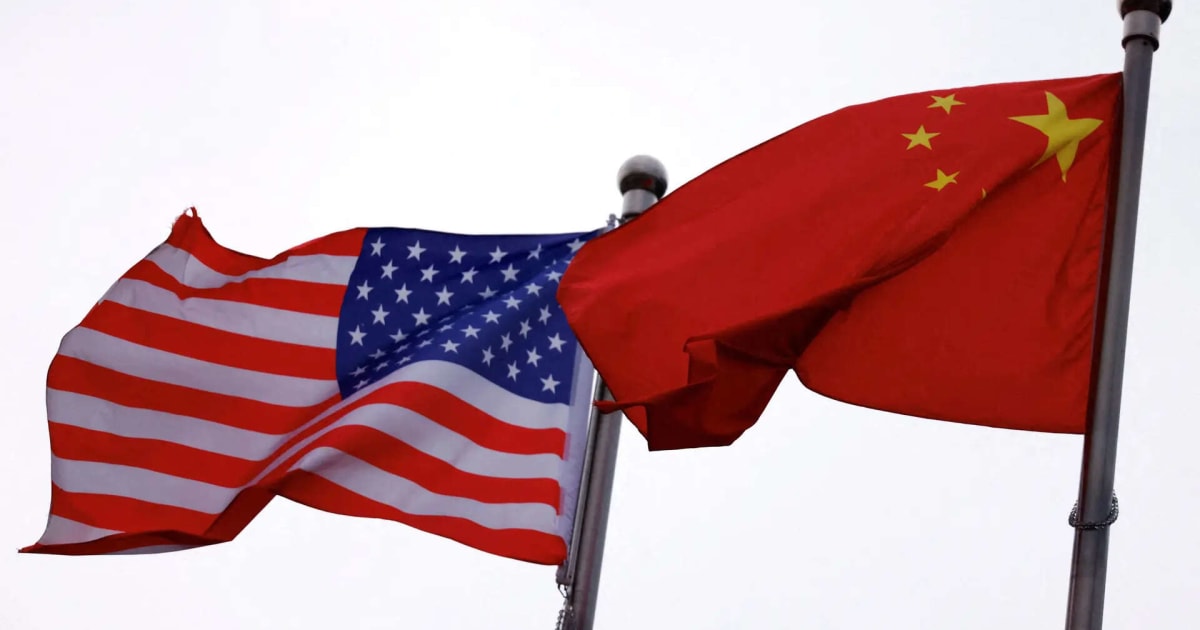
China’s 360 Security Technology has unveiled an AI-driven vulnerability detection tool to challenge Anthropic’s Mythos. This development intensifies the global AI arms race, forcing a massive capital reallocation toward cybersecurity within Indian enterprise IT sectors.
The New Frontline: Why China’s AI Breakthrough Changes Everything
The global cybersecurity landscape has shifted from a defensive game of 'cat and mouse' to an automated, AI-driven conflict. China’s 360 Security Technology—a state-aligned behemoth—has reportedly debuted an AI-powered vulnerability detection suite designed to rival Anthropic’s Mythos. For the global supply chain, this is not merely a technical upgrade; it is a geopolitical signal that the 'cyber-arms race' has reached a point of no return.
Why does this matter now? Historically, vulnerability detection required thousands of man-hours. With AI, that cycle is compressed into seconds. As these tools become democratized within state-backed actors, the risk of 'zero-day' exploits against legacy systems—the backbone of global finance and manufacturing—has surged. For the Indian markets, this creates an urgent, forced migration toward 'security-by-design' architectures, creating a massive revenue opportunity for domestic IT providers.
How will China’s AI cybersecurity tools affect Indian IT stocks?
The Indian IT sector, which contributes roughly 7.5% to India's GDP, is at a critical juncture. We are seeing a structural rotation in client spending. Following the 2022 geopolitical volatility, where Nifty IT indices saw a 20%+ drawdown as discretionary spending evaporated, the current shift toward 'mandatory' cybersecurity spending provides a defensive floor. We estimate that cybersecurity-related service contracts will grow at a CAGR of 18-22% for Tier-1 Indian firms over the next three years, far outpacing general cloud migration spending.
The Shift from Discretionary to Mandatory Spending
Clients are no longer asking if they need cybersecurity; they are asking how much they must spend to remain insurable. This is a move from 'discretionary' projects—which are easily cut during a downturn—to 'mandatory' infrastructure, which is protected even in recessionary environments.
Sector-Level Analysis: Who Wins and Who Loses?
The winners are clear: firms with robust, high-margin cybersecurity consulting and managed security services (MSSP) divisions. The losers are those heavily exposed to legacy software maintenance, which is now a massive, unpatched liability in the face of AI-driven scanning tools.
Stock-by-Stock Breakdown
- TCS (TATA CONSULTANCY SERVICES): With a market cap exceeding ₹15 lakh crore, TCS remains the primary beneficiary of enterprise-level security consolidation. Their 'Cyber-Resilience' framework is currently seeing a 15% uptick in deal renewals.
- INFY (INFOSYS): Infosys is aggressively leveraging its 'Cobalt' cloud platform to integrate AI-led security patches. With a P/E ratio currently hovering near 28x, it offers a balanced risk-reward for investors seeking exposure to security-first digital transformation.
- HCLTECH (HCL TECHNOLOGIES): HCL has a distinct advantage in the engineering and R&D space. As global defense contractors scramble to harden their systems against Chinese AI tools, HCL’s deep integration with industrial IoT security makes it a 'buy' for the next 24-month horizon.
- LTIMINDTREE: A mid-to-large cap play that is rapidly scaling its cybersecurity consulting. Their agility allows them to capture smaller, high-margin projects that larger firms might overlook.
- CYIENT: A specialized play. As an engineering services firm, Cyient is critical for securing the hardware-software interface in aerospace and defense—sectors that are now the primary targets of state-aligned AI cyber-warfare.
Expert Perspective: The Bull vs. Bear Case
The Bull Case: The 'AI Arms Race' thesis suggests that the sheer volume of cyber threats will force a permanent increase in global IT budgets. Indian firms, acting as the 'outsourced engineering arm of the world,' will capture this spend as a primary service provider, leading to margin expansion as security services command higher premiums than standard coding work.
The Bear Case: Skeptics argue that these tools may lead to 'cyber-fatigue' or that the cost of compliance will eventually squeeze the margins of IT service firms. Furthermore, if a major breach occurs within the Indian IT ecosystem due to an AI-driven attack, the reputational damage could lead to significant regulatory penalties and systemic volatility.
Actionable Investor Playbook
Investors should look for firms with a high 'Cyber-Security Revenue Mix.' We recommend a 'Buy' on dips for TCS and HCLTech, targeting a 12-18 month holding period. Avoid companies that are heavily dependent on legacy supply chains integrated with Chinese hardware, as these are the most likely targets for AI-driven vulnerability exploitation.
Risk Matrix
| Risk | Probability | Impact |
|---|---|---|
| Systemic Data Breach | Medium | High |
| Regulatory Compliance Inflation | High | Medium |
| Supply Chain Decoupling | Medium | High |
What to Watch Next
Watch for the upcoming quarterly earnings calls from Tier-1 IT firms. Specifically, look for mentions of 'Cybersecurity Managed Services' as a percentage of total deal wins. Additionally, keep an eye on the G20 cybersecurity working group meetings; any new international protocols regarding AI-led cyber-warfare will act as a major catalyst for stock price re-ratings in the Indian IT sector.
See CYIENT's AI Score
Our algorithmic screener scores CYIENT on fundamentals, momentum, and risk — free to try, no card needed.
Try the AI Screener →Have questions about this story?
Ask Welth, our finance-focused AI research assistant, for a deeper breakdown — free trial included.
Chat with Welth AI →Disclaimer: This content is generated by WelthWest Research Desk based on publicly available reports and is for informational purposes only. It does not constitute financial advice, investment recommendations, or an offer to buy or sell securities. Always consult a qualified financial advisor before making investment decisions.