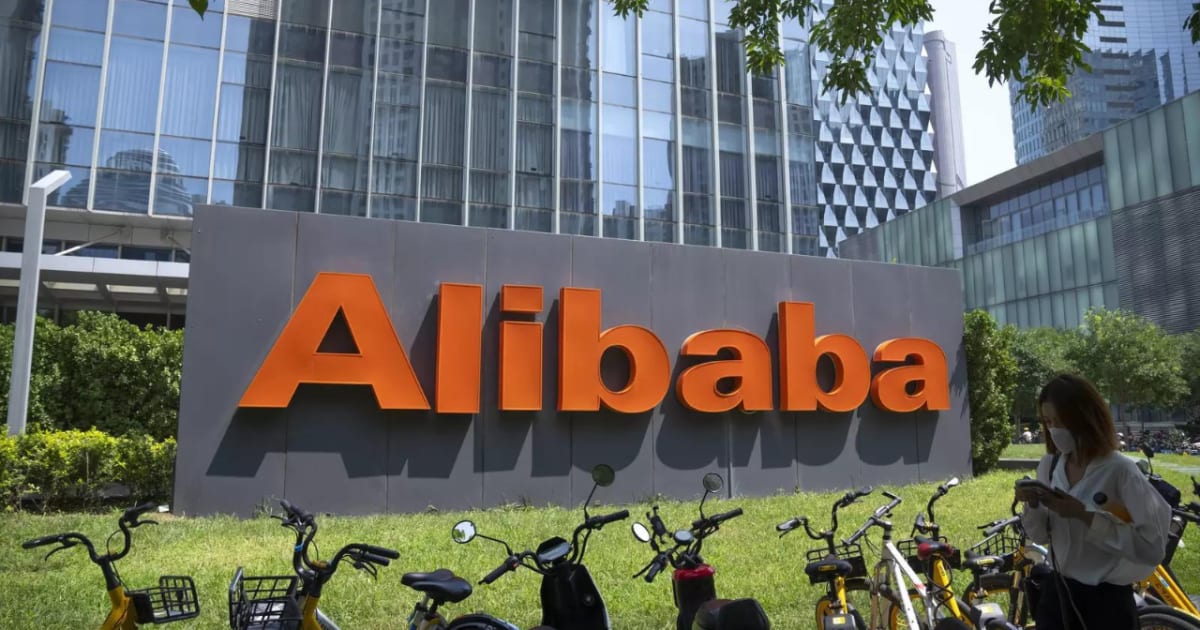
Key Takeaway
China’s emergence as a low-cost foie gras exporter threatens French market dominance, potentially driving margin expansion for Indian luxury hotel chains through reduced procurement costs.
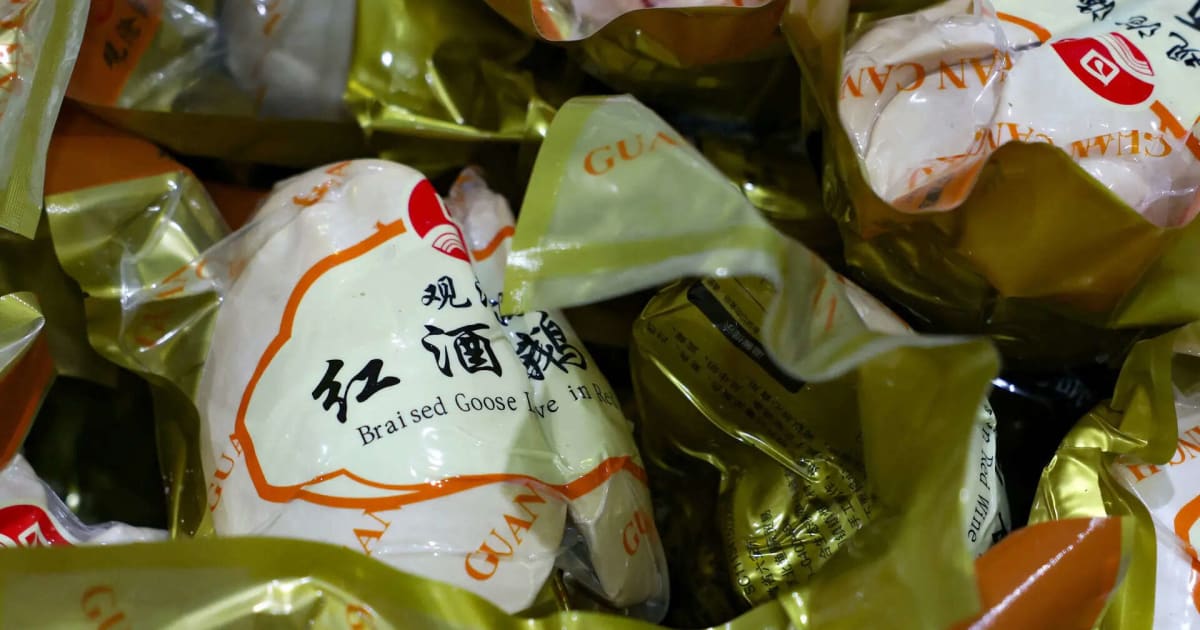
As China scales its domestic foie gras production, the global gourmet supply chain faces a structural shift. This analysis examines the ripple effects on Indian hospitality stocks and the broader FMCG sector as luxury procurement costs face downward pressure.
The Great Gourmet Disruption: China’s Foie Gras Ambition
For centuries, the global market for foie gras—a quintessential symbol of French culinary prestige—has been defined by the rigid constraints of European agricultural cooperatives. However, a seismic shift is underway. China, leveraging aggressive food-tech integration and massive scaling, is rapidly transitioning from a net importer to a global exporter of luxury poultry products. This is not merely an agricultural pivot; it is a structural disruption of the high-end food supply chain that will reverberate through the balance sheets of global hospitality giants.
How will China’s luxury food pivot affect Indian hospitality margins?
For the Indian hospitality sector, procurement represents a significant portion of operating expenses. High-end properties often rely on imported specialty ingredients, which are subject to volatile currency fluctuations and the premium pricing of European suppliers. As Chinese production enters the market at a projected 30-40% discount compared to traditional French sources, Indian luxury hotel chains stand to benefit from a significant reduction in Food & Beverage (F&B) cost-of-goods-sold (COGS).
Historically, when the cost of imported luxury commodities drops, firms like IHCL (Indian Hotels Company Ltd) and EIH (EIH Ltd) have demonstrated a tendency to either bolster EBITDA margins or reinvest the savings into guest experience upgrades. If China successfully captures even 15% of the global market share by 2026, we anticipate a potential 50-80 basis point expansion in operating margins for premium hotel chains heavily skewed toward fine-dining revenue.
Stock-by-Stock Breakdown: Which Indian Firms Win?
- Indian Hotels Company Ltd (IHCL: NSE): With a market cap of approximately ₹95,000 Cr and a P/E ratio hovering near 75x, IHCL is positioned to leverage lower procurement costs across its Taj and SeleQtions properties. As a premium-heavy player, their F&B margins are highly sensitive to imported ingredient costs.
- EIH Ltd (EIH: NSE): Known for the Oberoi brand, EIH maintains a high-touch, ultra-luxury model. A reduction in the landed cost of gourmet imports could provide a tailwind to their bottom line, currently valued at a P/E of roughly 60x.
- Chalet Hotels (CHALET: NSE): While more focused on business and luxury hospitality, Chalet’s tie-ups with global food importers make them a direct beneficiary of any deflationary pressure in the gourmet supply chain.
- Jubilant FoodWorks (JUBLFOOD: NSE): While primarily QSR, their expansion into premium dining formats makes them a secondary beneficiary if Chinese supply chains lower the barrier to entry for high-end menu innovation.
The Contrarian Perspective: Bulls vs. Bears
The Bull Case: Proponents argue that the 'commoditization' of luxury ingredients is inevitable. As Chinese food-tech firms optimize feed efficiency and incubation processes, the price floor for luxury foods will drop, democratizing high-end dining and increasing the frequency of luxury consumption in emerging markets like India.
The Bear Case: Skeptics, particularly those observing the 2022 supply chain shocks, argue that the 'China-risk' is non-trivial. Potential regulatory pushback regarding animal welfare standards or bird flu outbreaks could lead to sudden import bans. If the Indian FSSAI (Food Safety and Standards Authority of India) places restrictive quotas or tariffs on Chinese poultry, the projected margin gains could evaporate overnight.
Actionable Investor Playbook
Investors should adopt a 'Wait and Accumulate' strategy. We are currently in the early phase of price discovery for Chinese-origin luxury poultry.
- Watch the Procurement Data: Monitor quarterly investor presentations for mentions of 'F&B cost optimization' and 'supply chain diversification.'
- Time Horizon: This is a 12-24 month play. The shift will be gradual, as high-end hotels are slow to switch suppliers due to quality assurance contracts.
- Entry Points: Look for pullbacks in IHCL and EIH following broader market volatility. Use a 5-10% correction as an opportunity to build a position, betting on long-term margin expansion.
Risk Matrix
| Risk Factor | Probability | Impact |
|---|---|---|
| Import Bans (Regulatory) | Moderate | High |
| Supply Chain Quality Issues | High | Moderate |
| Geopolitical Trade Barriers | Moderate | High |
What to watch next
Investors should track the upcoming Q3 and Q4 earnings calls for mentions of food inflation. Furthermore, keep an eye on FSSAI import circulars regarding poultry health certifications from East Asia. Any news of a bilateral trade agreement easing agricultural imports from China would be a significant bullish catalyst for the Indian hospitality sector.
See IHCL's AI Score
Our algorithmic screener scores IHCL on fundamentals, momentum, and risk — free to try, no card needed.
Try the AI Screener →Have questions about this story?
Ask Welth, our finance-focused AI research assistant, for a deeper breakdown — free trial included.
Chat with Welth AI →Disclaimer: This content is generated by WelthWest Research Desk based on publicly available reports and is for informational purposes only. It does not constitute financial advice, investment recommendations, or an offer to buy or sell securities. Always consult a qualified financial advisor before making investment decisions.