Key Takeaway
The latest commercial LPG price hike acts as a stealth tax on the Indian hospitality sector, forcing a choice between margin compression or consumer-facing price hikes that could dampen discretionary demand.
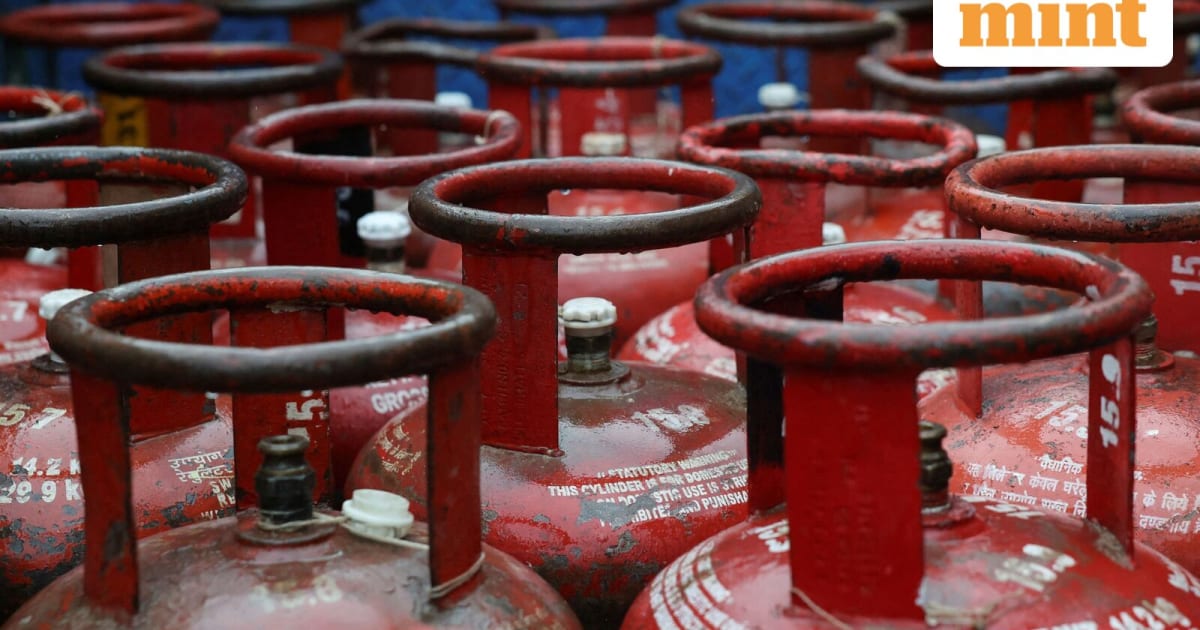
Oil Marketing Companies (OMCs) have revised commercial LPG cylinder prices upward, adding pressure to the hospitality and Quick Service Restaurant (QSR) industries. This analysis explores the ripple effects on operating margins, stock valuations, and the broader inflationary outlook for the Indian economy.
The Price Surge: Why Commercial LPG Matters for Indian Markets
The recent upward revision of 19-kg commercial LPG cylinder prices—ranging between ₹42 and ₹53.50 depending on the region—has sent ripples through the Indian hospitality and foodservice sectors. While the headline price in Delhi has climbed to ₹3,113.5, the real story lies in the compounding effect on operational expenditure (OpEx) for businesses already grappling with volatile input costs.
For investors, this isn't just about energy costs; it is a signal of sticky services-sector inflation. When the cost of fuel—a primary utility for kitchens—rises, it forces a strategic pivot for restaurant chains. They must either absorb the cost, eroding their EBITDA margins, or pass it on to the end consumer, risking a slowdown in discretionary spending.
How Does the LPG Price Hike Impact QSR Profitability?
The Quick Service Restaurant (QSR) industry in India operates on a high-volume, thin-margin model. Energy costs, specifically LPG, typically account for 2% to 5% of total operating expenses. A sudden hike, when coupled with fluctuating raw material prices (such as dairy and vegetable inflation), creates a 'scissors effect' on profitability.
Historically, when commercial LPG prices spiked during the 2022 energy crisis, we observed a direct correlation between fuel inflation and a deceleration in same-store sales growth (SSSG). As operating margins contract, the market often punishes stocks with high P/E multiples, fearing that the era of aggressive expansion might be tempered by the reality of higher overheads.
Stock-by-Stock Breakdown: Winners and Losers
The Beneficiaries: Oil Marketing Companies (OMCs)
- IOCL (Indian Oil Corporation): As a market leader, IOCL benefits from improved under-recovery management. With a market cap exceeding ₹2.2 trillion, the company’s ability to pass on international crude volatility to the domestic commercial segment provides a buffer for their refining and marketing margins.
- BPCL & HPCL: These entities often mirror IOCL’s price adjustments. Their stock performance is highly sensitive to the 'marketing margin'—the profit per liter/cylinder. A consistent upward trend in prices allows these OMCs to improve their debt-to-equity ratios.
The Impacted: Hospitality and QSR Chains
- Jubilant FoodWorks (JUBILANT): Trading at a premium P/E, Jubilant remains vulnerable. Given its massive footprint, even a 1% increase in energy costs can lead to a 15-20 basis point impact on EBITDA margins if not offset by price hikes.
- Westlife Foodworld (WESTLIFE): With a heavy reliance on standardized kitchen operations, the impact here is direct. Watch for their quarterly commentary on 'menu engineering' as a response to cost pressures.
- Devyani International & Restaurant Brands Asia: As aggressive expansionists, these firms face the dual challenge of high capital expenditure and rising variable costs. Their ability to maintain profitability depends on the elasticity of demand for their mid-tier offerings.
Expert Perspective: The Bull vs. Bear Debate
The Bear Case: Analysts favoring a bearish stance argue that the Indian consumer is already feeling the pinch of interest rate sensitivity. Any further increase in the price of a 'burger or a pizza'—driven by fuel costs—could lead to a sharp decline in footfalls, especially in Tier-2 and Tier-3 cities where price sensitivity is higher.
The Bull Case: Contrarians suggest that the Indian QSR story is structural, not cyclical. They argue that organized retail and dining are gaining market share from the unorganized sector. Proponents believe that these companies have enough pricing power to pass on costs without significantly damaging their brand equity or long-term growth trajectory.
Investor Playbook: Navigating the Volatility
Investors should adopt a 'wait-and-see' approach regarding the QSR space. Here is the recommended framework:
- Monitor Margin Trajectory: Look for companies that have managed to hold or improve margins despite input cost inflation. These companies exhibit superior operational efficiency.
- The 3-Month Window: Observe the next quarterly earnings reports. If companies fail to show volume growth alongside price hikes, it indicates a loss of pricing power.
- Defensive Positioning: For those looking to hedge, OMCs provide a natural counter-balance. When energy costs hurt the consumer discretionary sector, OMCs often see improved cash flows.
Risk Matrix
| Risk Factor | Impact | Probability |
|---|---|---|
| Persistent Energy Inflation | High | Medium |
| Softening Consumer Demand | High | High |
| Raw Material Price Volatility | Medium | High |
| Regulatory Price Caps | Low | Low |
What to Watch Next: Upcoming Catalysts
The critical data points to track include the upcoming CPI inflation prints and the RBI’s commentary on core inflation. If the RBI maintains a hawkish stance to combat service-sector inflation, the cost of capital for QSR expansion will increase, further pressuring stock valuations. Investors should specifically monitor the Q3 earnings season, where the full impact of this LPG price hike will be reflected in the 'other expenses' line item of balance sheets.
See IOCL's AI Score
Our algorithmic screener scores IOCL on fundamentals, momentum, and risk — free to try, no card needed.
Try the AI Screener →Have questions about this story?
Ask Welth, our finance-focused AI research assistant, for a deeper breakdown — free trial included.
Chat with Welth AI →Disclaimer: This content is generated by WelthWest Research Desk based on publicly available reports and is for informational purposes only. It does not constitute financial advice, investment recommendations, or an offer to buy or sell securities. Always consult a qualified financial advisor before making investment decisions.