Key Takeaway
A potential US-Iran peace deal acts as a fiscal tailwind for India, offering a reprieve from imported inflation. Investors should pivot toward input-cost-sensitive sectors while hedging against the volatility inherent in upstream producers.
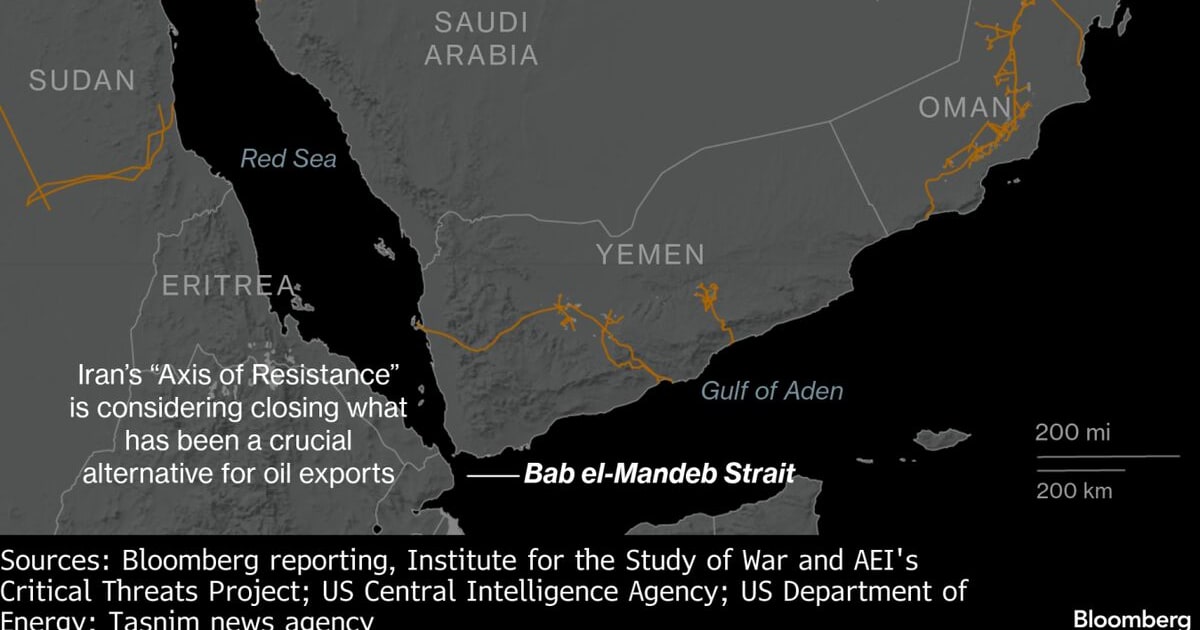
Crude oil prices are currently oscillating on the back of speculative US-Iran diplomatic progress. This research note analyzes the ripple effects of these price swings on India's macroeconomic stability and identifies the specific NSE/BSE winners and losers in a shifting energy landscape.
The Geopolitics of the Pump: Why India is Watching Tehran
For the Indian economy, crude oil is not merely a commodity; it is the primary determinant of current account deficits, inflationary pressure, and currency valuation. As a nation that imports over 85% of its crude requirements, India sits at the mercy of global supply-side dynamics. The current market agitation surrounding a potential US-Iran nuclear deal is a classic case of geopolitical sentiment overriding fundamental supply metrics. If sanctions are lifted, the potential injection of over 1.5 million barrels per day into the global market could catalyze a structural cooling of energy prices—a scenario that would provide the Reserve Bank of India (RBI) with significant breathing room regarding interest rate policy.
How Will the US-Iran Deal Impact Indian Inflation and GDP?
The correlation between the Brent Crude benchmark and the Nifty 50 is inverse and pronounced. When oil prices surge, India’s trade deficit widens, putting downward pressure on the Rupee (INR). Historically, during the 2022 energy crisis, we observed a direct correlation between rising oil prices and a 4-6% contraction in the margins of manufacturing-heavy Nifty constituents. A successful deal would likely lead to a sustained drop in the cost of production for India’s massive industrial base, effectively boosting corporate earnings per share (EPS) across the board.
The Sectoral Domino Effect
The impact of oil volatility is rarely uniform. While the broader market might cheer a decline in oil prices, specific sectors face diametrically opposed outcomes. We categorize the impact into three distinct tiers: the direct beneficiaries of lower input costs, the neutral-to-negative energy conglomerates, and the upstream producers who thrive on price premiums.
Stock-by-Stock Breakdown: Who Wins and Who Loses?
- Asian Paints (NSE: ASIANPAINT): With crude derivatives accounting for a significant portion of raw material costs, a sustained dip in oil prices provides immediate margin expansion. With a P/E ratio currently hovering near 55x, any relief in input costs could justify current valuations and trigger a re-rating.
- InterGlobe Aviation (NSE: INDIGO): Aviation Turbine Fuel (ATF) constitutes roughly 40% of Indigo’s operating expenses. A drop in global oil prices is a direct boost to their bottom line, potentially moving the stock toward its historical high-margin territory.
- BPCL & HPCL (NSE: BPCL / NSE: HPNCL): These Oil Marketing Companies (OMCs) often struggle with under-recoveries when oil prices are volatile. A stabilization in prices allows them to optimize marketing margins and improve their debt-to-equity ratios, making them attractive plays in a cooling oil environment.
- ONGC & Oil India (NSE: ONGC / NSE: OIL): These are the natural losers in this scenario. As upstream producers, their revenue is directly tied to the price of crude. A drop in oil prices leads to lower realization per barrel, putting pressure on their EBITDA margins.
- Reliance Industries (NSE: RELIANCE): As a refining-heavy conglomerate, RIL presents a complex case. While their upstream segment suffers from lower prices, their refining margins (GRMs) may stabilize, providing a partial hedge. However, the sheer scale of their petchem business makes them sensitive to feedstock cost fluctuations.
Expert Perspective: The Bull vs. Bear Divide
Market bulls argue that a US-Iran deal is the "missing link" needed to control global inflation and stabilize the Indian Rupee, potentially sparking a rally in consumer discretionary stocks. Conversely, bears point to the "Geopolitical Risk Premium." They argue that even if a deal is reached, the fragile nature of Middle Eastern security means that a sudden reversal or regional escalation could trigger a supply-side shock, causing prices to spike higher than their current levels. This creates a high-conviction, high-risk environment for short-term traders.
The Investor Playbook: Navigating the Volatility
For the long-term investor, we recommend a barbell strategy. Maintain exposure to logistics and paint manufacturers to capture the margin expansion from lower input costs. Simultaneously, keep a portion of the portfolio in energy-efficient manufacturing stocks that are less susceptible to commodity price swings. We advise against aggressive shorting of upstream companies like ONGC unless there is a clear, signed diplomatic accord, as their dividend yields often provide a defensive cushion.
Risk Matrix: Assessing the Uncertainties
| Risk Factor | Probability | Impact |
|---|---|---|
| Diplomatic Breakdown | Medium | High (Price Spike) |
| OPEC+ Production Cuts | High | Medium (Price Floor) |
| INR Depreciation | Low | High (Inflationary) |
What to Watch Next
Investors should monitor the upcoming OPEC+ ministerial meetings and any official press releases from the IAEA regarding Iranian nuclear compliance. Additionally, keep a close eye on the weekly US EIA crude inventory reports; any unexpected drawdowns will likely negate the bearish sentiment created by the potential Iran deal, keeping prices elevated regardless of diplomatic talk.
See Asian Paints's AI Score
Our algorithmic screener scores Asian Paints on fundamentals, momentum, and risk — free to try, no card needed.
Try the AI Screener →Have questions about this story?
Ask Welth, our finance-focused AI research assistant, for a deeper breakdown — free trial included.
Chat with Welth AI →Disclaimer: This content is generated by WelthWest Research Desk based on publicly available reports and is for informational purposes only. It does not constitute financial advice, investment recommendations, or an offer to buy or sell securities. Always consult a qualified financial advisor before making investment decisions.
