Key Takeaway
As the Fed pivots, crypto volatility acts as a high-frequency sensor for global liquidity. Investors should brace for a rotation out of speculative high-beta assets into cash-rich IT leaders and gold-backed hedges.
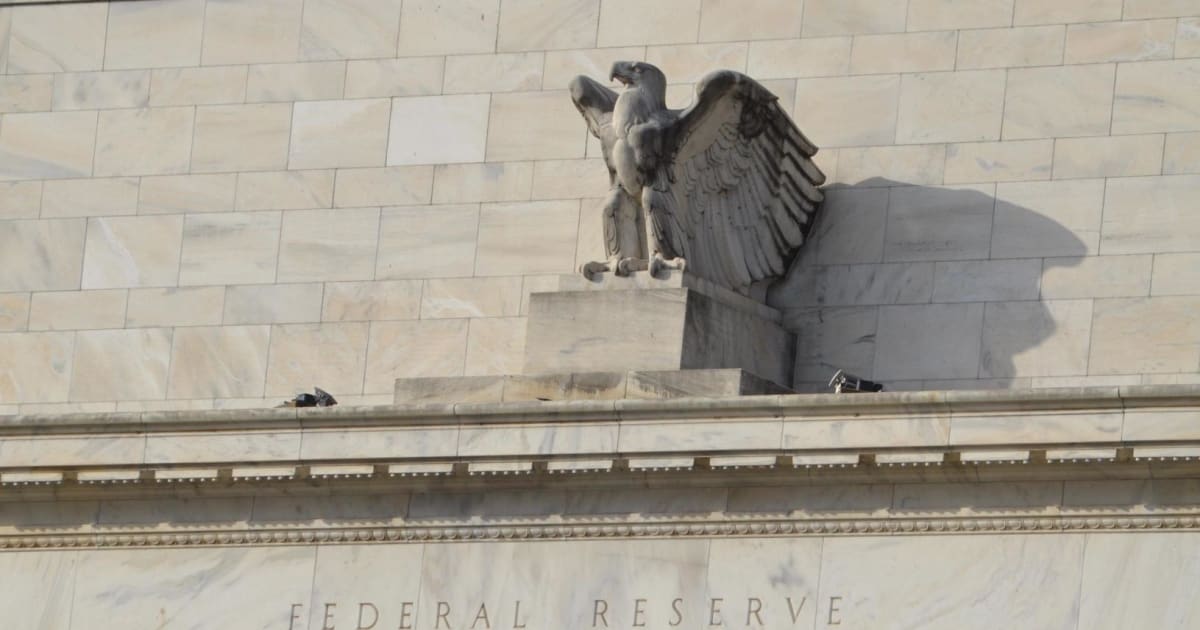
The synchronicity between US monetary policy and digital asset markets has reached a critical inflection point. We analyze how this liquidity tug-of-war directly dictates the performance of NSE-listed tech and fintech giants, providing a blueprint for navigating the coming volatility.
The Macro-Monetary Nexus: Why Crypto is the New Liquidity Bellwether
For years, the Federal Reserve’s interest rate policy was considered a concern for bond traders and economists. Today, it is the primary engine driving global risk-on sentiment, with crypto-assets serving as the most sensitive barometer. When the Fed signals a 'higher for longer' rate environment, the resulting contraction in global M2 money supply hits speculative assets first. This isn't just a crypto story; it is a fundamental shift in how capital flows into Indian markets.
The correlation between Bitcoin’s volatility and the Nifty 50’s high-beta tech components has tightened significantly since 2022. When crypto liquidity dries up, Foreign Institutional Investors (FIIs) typically trim positions in emerging market tech stocks to cover margin calls or rebalance risk, creating a direct transmission mechanism between US monetary policy and Indian equity valuations.
How will Fed rate decisions impact Indian IT and Banking stocks?
The Indian market is uniquely positioned at the intersection of global liquidity and domestic growth. When the Fed maintains high rates, the cost of capital for global funds rises, leading to a 'risk-off' trade. This is detrimental to high-P/E Indian stocks that rely on sustained foreign inflows.
Historical data from the 2022 tightening cycle provides a sobering parallel: as the Fed raised rates by 75-basis-point increments, the Nifty IT index corrected by over 20% within six months. The mechanism is clear: higher US yields make Indian tech stocks—often priced for perfection—look expensive relative to risk-free US Treasuries. Conversely, a dovish pivot by the Fed historically triggers a surge in liquidity, favoring Indian IT services, which are increasingly integrating blockchain and distributed ledger technology (DLT) into their service offerings.
Stock-by-Stock Breakdown: Winners and Losers
1. TCS (NSE: TCS) & Infosys (NSE: INFY): These IT behemoths are the primary beneficiaries of a liquidity-driven recovery. As global enterprises increase their digital transformation budgets, TCS and INFY’s push into blockchain-based banking infrastructure provides a hedge against traditional revenue stagnation. Their massive cash reserves (TCS: ~₹60,000 Cr+) make them defensive plays during liquidity crunches.
2. HCLTech (NSE: HCLTECH): HCL’s aggressive acquisition strategy in the cloud and software services sector makes it a high-beta play. If the Fed pivots to rate cuts, HCL is likely to outperform due to its exposure to the US banking sector, which is currently undergoing a massive digital overhaul.
3. Zomato (NSE: ZOMATO): As a consumer-facing, high-growth, retail-heavy asset, Zomato is extremely sensitive to liquidity conditions. When speculative fervor wanes in crypto, retail sentiment in India often cools simultaneously, leading to potential sell-offs in Zomato despite its improving EBITDA margins.
4. Paytm (NSE: PAYTM): The ultimate proxy for Indian fintech sentiment. Higher interest rates increase the cost of credit and dampen the valuation multiples of fintech platforms. Investors should watch Paytm’s P/S ratio closely; if it expands during a Fed-easing cycle, it signals a return of risk-on appetite.
The Expert Perspective: Bull vs. Bear Case
"The bear case rests on the 'liquidity trap'—if the Fed remains hawkish to fight sticky inflation, we will see a sustained exodus from Indian mid-caps and high-growth fintech. The bull case, however, argues that India’s structural growth story—independent of US rates—will eventually decouple from global crypto volatility, turning Indian IT stocks into the ultimate safe haven."
Actionable Investor Playbook
- The Defensive Rotation: If the Fed signals further hikes, reduce exposure to high-beta small-caps. Increase allocation to gold ETFs or gold-mining stocks as a hedge against currency devaluation and volatility.
- The Tech Accumulation: Use market dips caused by Fed-induced panic to accumulate IT leaders (TCS, INFY) at P/E ratios below their 5-year averages.
- Watch the Yields: Monitor the US 10-Year Treasury yield daily. A sharp move above 4.5% is a sell signal for Indian growth-heavy stocks.
Risk Matrix
- Unexpected Hawkish Pivot (Probability: 30%): Could trigger a 10-15% correction in Indian tech.
- Global Liquidity Crunch (Probability: 40%): Would lead to a liquidity exit from emerging markets, disproportionately affecting Indian fintech.
- Crypto Market Decoupling (Probability: 30%): If crypto assets stabilize while rates stay high, Indian IT stocks may show resilience, breaking the correlation.
What to Watch Next
The upcoming FOMC meeting minutes and the US Non-Farm Payroll (NFP) data releases are the primary catalysts. Watch for the 'dot plot'—the Fed’s projection of future rate paths. Any deviation from market expectations will cause immediate volatility in the Nifty IT index and the crypto-linked fintech segment.
See TCS's AI Score
Our algorithmic screener scores TCS on fundamentals, momentum, and risk — free to try, no card needed.
Try the AI Screener →Have questions about this story?
Ask Welth, our finance-focused AI research assistant, for a deeper breakdown — free trial included.
Chat with Welth AI →Disclaimer: This content is generated by WelthWest Research Desk based on publicly available reports and is for informational purposes only. It does not constitute financial advice, investment recommendations, or an offer to buy or sell securities. Always consult a qualified financial advisor before making investment decisions.