Key Takeaway
While global crypto speculation signals increased risk appetite, its direct impact on Indian equity markets remains indirect and limited. Investors should focus on the underlying shift in digital asset interest rather than chasing fleeting memecoin gains, prioritizing robust Indian growth stories.
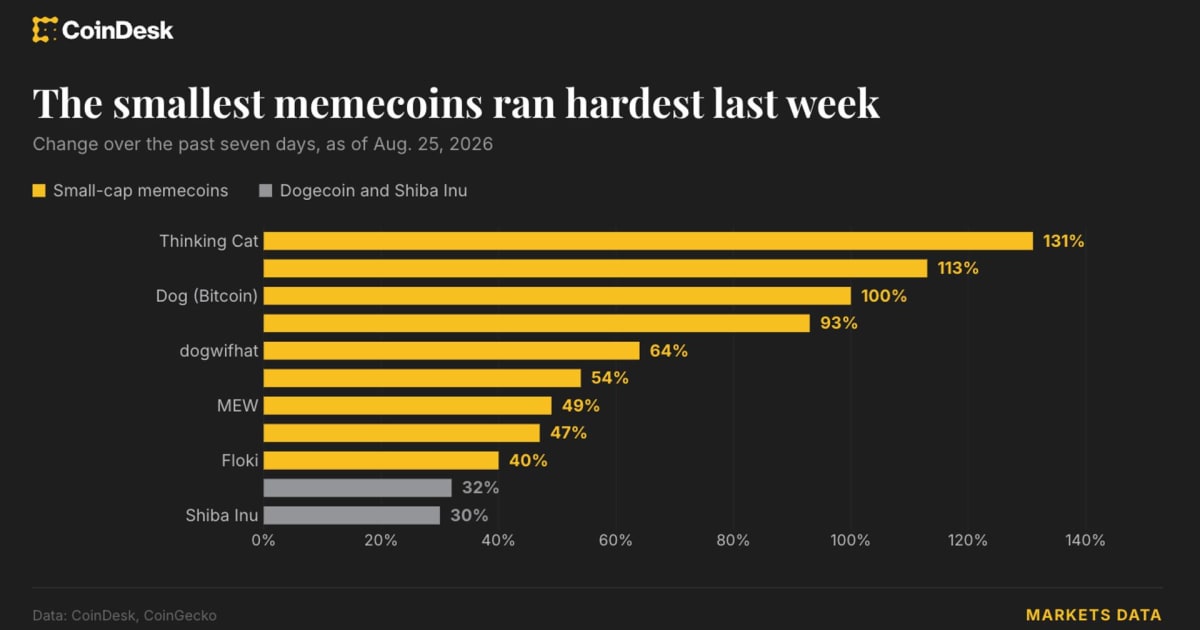
The cryptocurrency market is experiencing a significant rally, particularly in speculative memecoins, signaling a broader resurgence of risk appetite among global investors. WelthWest Research Desk delves into what this means for the Indian financial landscape, analyzing the indirect effects on capital flows, potential regulatory shifts, and specific Indian stocks that might see ripple effects from this evolving digital asset narrative.
Crypto Mania Returns: What India's Investors Need to Know Beyond Memecoins
The digital asset landscape is currently ablaze, with cryptocurrencies experiencing a robust price surge that has captivated global attention. While Bitcoin and Ethereum have seen substantial gains, the more telling phenomenon is the spectacular ascent of memecoins – digital tokens born from internet jokes and community enthusiasm. This speculative fervor, where some smaller tokens have doubled in a mere week, is not just a curiosity; it's a potent indicator of shifting investor sentiment and an amplified global risk appetite. For Indian investors, the immediate question isn't about direct participation in these volatile assets, but rather the nuanced, indirect implications for the National Stock Exchange (NSE) and Bombay Stock Exchange (BSE), capital allocation, and the evolving regulatory dialogue surrounding digital assets in India.
This WelthWest deep dive unpacks the global crypto rally's underlying drivers, its tangential yet significant connection to the Indian financial ecosystem, and provides an actionable playbook for navigating these cross-currents. We move beyond the headlines to offer a data-driven perspective, connecting the dots between global speculative trends and their subtle ripple effects on specific Indian sectors and companies.
What Drives the Current Global Crypto Surge and Why Does it Matter Now?
The current cryptocurrency rally is not a monolithic event but a convergence of factors. Institutional adoption, exemplified by the approval of spot Bitcoin ETFs in major global markets, has provided a new, regulated gateway for traditional finance to access digital assets, injecting significant capital. Simultaneously, the impending Bitcoin halving event, historically a catalyst for price appreciation due to reduced supply, is fueling anticipation. However, the most striking element of this cycle is the disproportionate surge in memecoins. These tokens, often lacking fundamental utility or robust development teams, thrive purely on community sentiment, social media virality, and speculative momentum. Their explosive growth signifies a heightened tolerance for risk among a segment of global investors, willing to chase astronomical returns in highly volatile assets.
For India, this global phenomenon matters now for several reasons. Firstly, it signals a broader increase in global liquidity and investor confidence, which can indirectly influence foreign portfolio investment (FPI) flows into emerging markets like India. When global risk appetite is high, FPIs might be more inclined to allocate capital to higher-growth, higher-risk assets in India. Secondly, it highlights the growing global interest in digital assets as a new asset class, compelling Indian regulators to accelerate their discussions on a comprehensive framework. The absence of clear regulation continues to create an arbitrage opportunity and potential compliance risks for Indian entities operating in this space. Lastly, while the direct diversion of capital from traditional Indian equities to global cryptocurrencies is likely limited due to regulatory hurdles and investment preferences, the psychological impact of seeing rapid wealth creation elsewhere can influence speculative tendencies within domestic markets, albeit on a smaller scale.
Deep Market Impact Analysis: Connecting Crypto Volatility to Indian Equities
The direct correlation between the global crypto market and the Indian stock market is historically weak. Unlike developed markets where some listed companies have direct crypto holdings or offer crypto-related services, Indian listed entities largely operate in a more traditional financial ecosystem. However, the indirect impacts are worth scrutinizing. A surge in global risk appetite, as indicated by the memecoin frenzy, often translates to increased FPI inflows into Indian equities. For instance, during periods of heightened global liquidity and risk-on sentiment, the Nifty 50 Index has historically seen an uptick in foreign buying, particularly in sectors perceived as growth-oriented or defensive plays that benefit from broader economic optimism. While specific data points linking memecoin rallies directly to Nifty movements are scarce due to the novelty of the phenomenon, historical parallels from 2020-2021, when global liquidity surged post-pandemic, saw significant FPI inflows into India, contributing to a Nifty rally that saw the index climb over 50% in a year.
The primary indirect impact on Indian markets stems from capital allocation decisions. A small percentage of ultra-high-net-worth individuals and sophisticated investors in India might reallocate a fraction of their speculative capital from high-risk small-cap or mid-cap Indian equities towards global crypto assets, chasing potentially higher returns. However, the scale of this diversion is minimal relative to the immense size of the Indian equity market, which boasts a market capitalization exceeding $4.5 trillion. The Indian retail investor base, while growing, remains largely focused on traditional asset classes like equities, mutual funds, and real estate, with crypto exposure being a niche activity for a small, albeit passionate, segment.
How Does Global Crypto Sentiment Influence Indian Financial Services and Tech Stocks?
The crypto rally's most discernible impact on Indian listed entities would be through two primary channels: financial services and technology. Financial institutions, particularly those with exposure to cross-border remittances or digital payment infrastructure, could eventually see opportunities or challenges depending on how digital assets evolve within the Indian regulatory framework. Technology companies, especially those involved in blockchain development, cybersecurity, or cloud infrastructure, might experience increased demand for their services as the underlying technology of cryptocurrencies gains broader acceptance and application.
Stock-by-Stock Breakdown: Indian Equities with a Crypto Connection
While no Indian company listed on NSE/BSE has direct exposure to memecoin holdings or significant revenue from crypto trading, several companies could be indirectly impacted by the broader digital asset trend and the underlying technology. Investors should monitor these for potential long-term shifts:
- Tata Consultancy Services (TCS.NS / 532540.BO): As a global IT behemoth, TCS is actively involved in blockchain solutions for enterprise clients across various sectors including banking, supply chain, and healthcare. Increased global interest and investment in blockchain technology, spurred by the crypto boom, could translate into higher demand for TCS's consulting and implementation services. Their dedicated blockchain practice, which has worked on projects like Quartz, positions them well to capitalize on this underlying tech trend. Peers like Infosys (INFY.NS) and Wipro (WIPRO.NS) also have significant blockchain capabilities.
- HCL Technologies (HCLTECH.NS / 532281.BO): Similar to TCS, HCL Tech has been investing in blockchain and distributed ledger technology (DLT) capabilities. Their focus on digital transformation and industry-specific solutions means that as more enterprises explore blockchain for efficiency and transparency, HCL Tech could see an uptick in related project mandates. Their P/E ratio of approximately 28x reflects a growth-oriented valuation, and any acceleration in enterprise blockchain adoption would be a positive catalyst.
- Larsen & Toubro Infotech (LTIM.NS / 540005.BO): LTIMindtree, a mid-cap IT service provider, has also been building expertise in emerging technologies, including blockchain. While smaller than the IT giants, their agility could allow them to capture niche opportunities in the evolving digital asset infrastructure space. Increased venture capital funding into crypto/blockchain startups globally could eventually trickle down into more outsourcing opportunities for companies like LTIMindtree.
- One 97 Communications (PAYTM.NS / 543396.BO): While Paytm's direct involvement in crypto is currently constrained by Indian regulations, its extensive digital payments infrastructure and large user base position it uniquely if and when India adopts a clearer regulatory stance on digital assets. Paytm has previously explored blockchain for various applications. A future where digital currencies gain regulatory acceptance in India could open new avenues for payment processing and digital wallet services for companies like Paytm, as well as PB Fintech (POLICYBZAAR.NS), which could offer crypto-related insurance products.
- Indian Banks (e.g., HDFC Bank - HDFCBANK.NS / ICICI Bank - ICICIBANK.NS): While banks currently face restrictions on crypto-related transactions, the long-term trend of digital assets could influence their core business. If India eventually develops a Central Bank Digital Currency (CBDC) or a regulated crypto ecosystem, banks would be crucial intermediaries. They could offer custody services, facilitate transactions, or even develop their own blockchain-based financial products. Any regulatory clarity would be a significant catalyst for these financial powerhouses, which currently operate under stringent rules regarding crypto.
Expert Perspective: Bulls vs. Bears on Indian Crypto Impact
The current crypto rally ignites a fascinating debate among financial experts regarding its implications for India.
The Bull Case: Proponents argue that the global crypto rally, particularly the institutional embrace, validates digital assets as a legitimate, albeit volatile, asset class. This validation will eventually force Indian regulators to adopt a progressive stance, leading to a regulated market. This, in turn, could unlock significant economic opportunities for Indian technology companies in blockchain development, cybersecurity, and even financial services. Moreover, the increasing global liquidity and risk appetite, evidenced by the memecoin surge, will continue to drive FPI inflows into high-growth emerging markets like India, supporting broader equity market valuations. They point to the robust performance of Indian IT services companies, which are global leaders in digital transformation, as direct beneficiaries of increased enterprise blockchain adoption worldwide.
The Bear Case: Skeptics, on the other hand, view the memecoin frenzy as a classic sign of irrational exuberance and speculative bubbles, reminiscent of dot-com era excesses. They contend that such speculative capital is flighty and poses systemic risks to individual investors, not benefits. For India, they argue that the strict regulatory environment and the Reserve Bank of India's (RBI) cautious stance will continue to insulate the domestic financial system from direct crypto volatility. Any FPI inflows are driven by India's strong macroeconomic fundamentals and growth prospects, not by speculative crypto rallies. Furthermore, the diversion of even a small amount of speculative capital from domestic small-cap or mid-cap stocks towards global crypto assets could create localized pockets of illiquidity or pressure on certain high-beta segments of the Indian market.
WelthWest’s view leans towards a nuanced perspective: the indirect positive signals from global risk appetite are real but limited for Indian equities. The long-term technological shift towards blockchain, however, presents a more tangible opportunity for select Indian IT firms, irrespective of memecoin volatility.
Actionable Investor Playbook: Navigating the Crypto Ripple Effect
For Indian investors, a prudent approach involves recognizing the global trends while prioritizing fundamentally strong domestic opportunities. Chasing memecoin gains is akin to gambling and does not align with sound investment principles.
- Watch: Indian IT Services Leaders: Keep a close eye on companies like TCS (TCS.NS), Infosys (INFY.NS), and HCL Technologies (HCLTECH.NS). While their core business isn't crypto, their deep expertise in enterprise blockchain and digital transformation positions them to benefit from increased global corporate adoption of underlying DLT. Look for their quarterly earnings calls for commentary on blockchain project pipelines and revenue contributions.
- Consider: Quality Mid-Cap IT Players: Firms like LTIMindtree (LTIM.NS) or Persistent Systems (PERSISTENT.NS), with specialized blockchain practices, could see outsized growth if enterprise adoption accelerates. These often trade at higher P/E multiples (e.g., LTIMindtree at ~35x) reflecting their growth potential.
- Avoid: Direct Crypto Exposure via Unregulated Channels: Given the extreme volatility and regulatory uncertainty, direct investment in highly speculative memecoins or even mainstream cryptocurrencies through unregulated platforms is highly risky for the average Indian investor.
- Monitor: Regulatory Developments: Any definitive regulatory framework from the Indian government or RBI on digital assets would be a game-changer. This could open doors for Indian financial institutions and fintech players.
- Focus: Core Indian Growth Story: Do not let the crypto noise distract from India's robust macroeconomic fundamentals. Continue to invest in high-quality Indian businesses across sectors that benefit from domestic consumption, infrastructure development, and manufacturing growth.
Entry Points & Time Horizons: For IT stocks benefiting from blockchain, consider accumulation on dips, with a long-term horizon (3-5 years) as enterprise adoption is a gradual process. For broader market exposure, utilize systematic investment plans (SIPs) to average out costs, aligning with India's long-term growth trajectory.
Risk Matrix: Understanding the Perils Beyond the Hype
While the indirect impact on Indian markets is low, specific risks persist:
- Extreme Volatility and Capital Loss (High Probability, High Impact for Direct Crypto Investors): Memecoins can experience 50-90% corrections in a matter of days. For individual investors directly exposed, the risk of significant capital loss is extremely high. This is a primary concern for financial stability at the individual level, not systemic.
- Regulatory Uncertainty in India (Medium Probability, Medium Impact): The ongoing lack of a clear, comprehensive regulatory framework for cryptocurrencies in India creates a grey area. Any sudden adverse policy decision could impact existing Indian crypto users and stifle innovation in the blockchain space, indirectly affecting tech companies with related capabilities. Conversely, a favorable framework could unlock new opportunities.
- Diversion of Speculative Capital (Low Probability, Low-Medium Impact for Specific Indian Micro/Small Caps): A sustained, aggressive global crypto bull run could divert a small portion of highly speculative Indian capital from micro-cap or penny stocks towards global digital assets, potentially creating localized selling pressure in these niche segments of the Indian market.
- Cybersecurity Risks (Medium Probability, Medium Impact for Digital Infrastructure): As digital assets gain prominence, the underlying infrastructure becomes a more attractive target for cyberattacks. This risk, while not directly impacting equity valuations, underscores the need for robust cybersecurity solutions, potentially benefiting Indian cybersecurity firms in the long run.
What to Watch Next: Catalysts and Key Dates
The following events and data releases will be crucial in shaping the crypto narrative and its tangential effects on Indian markets:
- Bitcoin Halving (April 2024): This pre-programmed event will reduce the supply of new Bitcoin, historically a bullish catalyst. Its impact on broader crypto sentiment and risk appetite will be closely watched.
- Global Central Bank Monetary Policy Decisions (Ongoing): Signals from the US Federal Reserve, European Central Bank, and other major central banks regarding interest rate cuts or liquidity injections will significantly influence global risk appetite, which in turn impacts crypto and emerging market flows.
- Indian Government/RBI Statements on Crypto Regulation (Ongoing): Any official announcements, discussion papers, or legislative proposals from Indian authorities will be a critical determinant for the future of digital assets in India and their integration with the traditional financial system.
- Q1 2024 Earnings of Indian IT Services Companies (April-May 2024): Look for management commentary on blockchain project wins, digital transformation spending trends, and client budgets, which will indicate the health of the underlying technology adoption driving long-term value.
- Global Macroeconomic Data (Ongoing): Inflation reports, GDP growth figures, and employment data from major economies will continue to influence overall market sentiment and FPI flows into India.
The current crypto rally, particularly the memecoin frenzy, serves as a powerful reminder of the speculative forces at play in global markets. For Indian investors, the path to sustainable wealth creation lies in understanding these global signals while remaining anchored to India's fundamental growth story and exercising caution in highly volatile, unregulated asset classes.
Run a free AI Stock Screen
Our algorithmic screener scores any NSE/BSE stock on fundamentals, momentum, and risk — free to try, no card needed.
Try the AI Screener →Have questions about this story?
Ask Welth, our finance-focused AI research assistant, for a deeper breakdown — free trial included.
Chat with Welth AI →Disclaimer: This content is generated by WelthWest Research Desk based on publicly available reports and is for informational purposes only. It does not constitute financial advice, investment recommendations, or an offer to buy or sell securities. Always consult a qualified financial advisor before making investment decisions.
