Key Takeaway
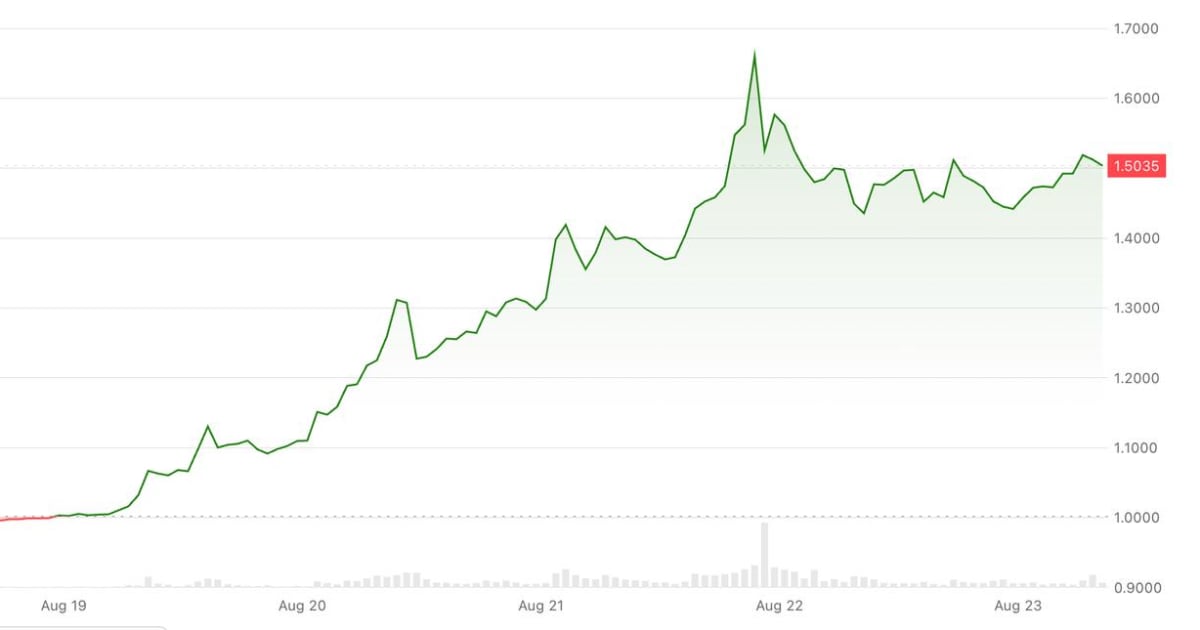
The recent 6,000% surge in micro-cap digital assets marks a dangerous shift toward hyper-speculative retail behavior. For Indian investors, this trend risks capital flight from regulated equities into volatile, unregulated shadows, inviting inevitable regulatory scrutiny.
As obscure crypto tokens experience parabolic gains, the Indian financial ecosystem faces a familiar challenge: the allure of 'get-rich-quick' schemes competing with traditional wealth-building. This report explores why this volatility matters to the Nifty 50 and what it means for your portfolio strategy.
The Return of Hyper-Speculation: A Warning Sign for Markets
In a liquidity-rich environment, the resurgence of micro-cap crypto assets—some posting gains exceeding 6,000% in mere days—serves as a canary in the coal mine for global risk appetite. While these assets operate on the periphery of traditional finance, their ability to suck retail liquidity out of regulated markets is a phenomenon that historical data suggests is never benign.
When retail investors pivot from the disciplined analysis of P/E ratios and EBITDA growth toward the 'lottery ticket' mentality of obscure digital tokens, the broader market typically experiences a localized contraction in retail participation. This transition is not merely a shift in asset class; it is a shift in market psychology that often precedes broader volatility in the Indian stock market.
How Does Crypto Speculation Impact the Indian Stock Market?
The impact of crypto mania on Indian equities is primarily one of capital diversion. When retail capital flows toward unregulated digital assets, it often retreats from high-growth mid-cap and small-cap stocks. Historically, during the 2022 crypto peak, we observed a direct correlation between retail crypto volume spikes and a softening in the Nifty Smallcap 250 index, as domestic liquidity became fragmented.
Is the RBI likely to tighten crypto-to-fiat gateways?
The Reserve Bank of India (RBI) has long maintained a cautious stance regarding virtual digital assets (VDAs). A 6,000% rally in a micro-cap asset often triggers a surge in retail onboarding on offshore, non-compliant exchanges. This creates a significant risk of capital flight, which the RBI may counter with stricter KYC (Know Your Customer) mandates and potential restrictions on P2P (peer-to-peer) transactions. Such moves would directly hit the fintech ecosystem that relies on seamless payment rails.
Stock-by-Stock Analysis: Who is in the Crosshairs?
While direct exposure for most NSE/BSE-listed companies is minimal, the indirect impact on sentiment and liquidity is tangible. We analyze the following tickers:
- Paytm (PAYTM:NS): As a digital payment leader, any regulatory crackdown on crypto-to-fiat gateways forces a compliance burden that increases costs and slows user acquisition.
- Zomato (ZOMATO:NS) / Blinkit: While not crypto-exposed, these platforms represent the 'retail sentiment' gauge. A liquidity drain from retail portfolios directly impacts the discretionary spending capacity that drives their growth.
- Angel One (ANGELONE:NS): As a brokerage, they benefit from high retail activity, but a shift toward crypto trading represents a direct loss of 'share of wallet' for equity-based transaction fees.
- BSE (BSE:NS): Market volatility is good, but the migration of retail traders to crypto exchanges reduces the velocity of money within the Indian equity exchange ecosystem.
Expert Perspective: The Bull vs. Bear Case
The Bull Case: Proponents argue that the crypto rally is a sign of 'risk-on' sentiment that will eventually spill over into high-beta equity stocks, driving a year-end rally in the Nifty.
The Bear Case: Contrarians point to the 'Greater Fool Theory.' When 6,000% gains are possible in days, it signals an exhausted market cycle where retail investors are essentially exiting the equity market to gamble on digital assets, setting themselves up for a total capital wipeout when the inevitable 'pump and dump' scheme collapses.
Actionable Investor Playbook: Navigating the Volatility
For the disciplined investor, this is a time for defensive positioning.
- Monitor Liquidity: Watch the Nifty Smallcap 250 relative to crypto volume indices. If the divergence grows, reduce exposure to high-beta small-caps.
- Avoid FOMO: Do not reallocate long-term core holdings (e.g., Reliance, HDFC Bank) to chase crypto gains. The tax implications of VDAs in India (30% flat tax) make these speculative gains net-negative for most retail participants.
- Focus on Earnings: In a market distracted by crypto, companies with strong cash flow and low debt (e.g., IT majors like TCS or Infosys) provide the best hedge against speculative contagion.
Risk Matrix: Why Your Capital is at Stake
| Risk Factor | Probability | Impact |
|---|---|---|
| Liquidity Freeze | Medium | High |
| Regulatory Crackdown | High | Medium |
| Total Capital Loss | High | Extreme |
What to Watch Next: Catalysts for the Coming Month
Investors should monitor the upcoming RBI Monetary Policy Committee (MPC) meetings for any mention of 'digital asset oversight.' Additionally, watch for global liquidity data from the US Federal Reserve; if the Fed signals a 'higher-for-longer' rate environment, the speculative froth in crypto will likely evaporate, leading to a quick rotation back into the Indian equity market.
See None (Direct impact is limited to the crypto ecosystem; indirect impact on fintech platforms like Paytm or Zomati/Blinkit is negligible)'s AI Score
Our algorithmic screener scores None (Direct impact is limited to the crypto ecosystem; indirect impact on fintech platforms like Paytm or Zomati/Blinkit is negligible) on fundamentals, momentum, and risk — free to try, no card needed.
Try the AI Screener →Have questions about this story?
Ask Welth, our finance-focused AI research assistant, for a deeper breakdown — free trial included.
Chat with Welth AI →Disclaimer: This content is generated by WelthWest Research Desk based on publicly available reports and is for informational purposes only. It does not constitute financial advice, investment recommendations, or an offer to buy or sell securities. Always consult a qualified financial advisor before making investment decisions.