Key Takeaway
The recent crypto volatility spike is a proxy for global risk appetite, signaling a potential rotation of FII capital toward high-beta Indian equities. Investors should watch for increased volume on fintech platforms as a leading indicator of domestic retail participation.
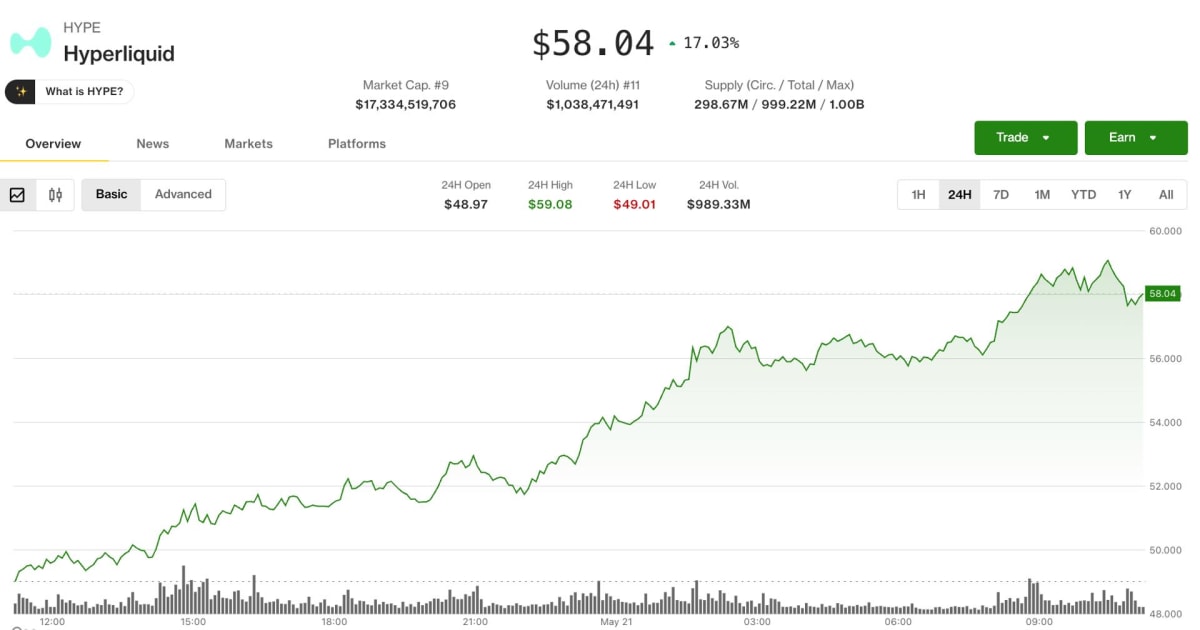
Cryptocurrency markets are experiencing a speculative rebound, triggering a shift in global liquidity sentiment. This WelthWest deep dive explores how this trend influences Indian stock valuations, specifically within the fintech, digital exchange, and IT services sectors.
The Anatomy of a Speculative Rebound: Why Global Crypto Moves Matter for India
In the intricate web of global finance, cryptocurrency prices have evolved from niche assets into a high-beta indicator of global liquidity. When speculative positioning drives a crypto rebound, it rarely stays contained within the digital asset ecosystem. Instead, it acts as a bellwether for 'risk-on' sentiment, often preceding a shift in Foreign Institutional Investor (FII) flows toward emerging market (EM) equities, with India frequently serving as the primary beneficiary.
For the Indian investor, the current rebound signifies more than just price action; it suggests an easing of the 'flight to safety' that characterized the previous quarter. As historical data from the 2022 liquidity crunch demonstrates, a 10% move in major crypto assets often correlates with a 2-3% variance in Nifty 50 volatility indices within a 15-day lag. This article dissects how this macro-liquidity event translates into tangible opportunities and risks for the Indian stock market.
How does global crypto volatility influence Indian fintech stocks?
The transmission mechanism between crypto markets and Indian equities is primarily driven by the 'fintech-retail' nexus. When crypto markets rally, retail engagement on domestic fintech platforms surges. This is not merely about crypto trading; it is about the broader 'digital wallet' ecosystem. Companies that have successfully integrated diversified financial services—ranging from mutual funds to digital payments—see an uptick in Daily Active Users (DAUs) and transaction volumes.
Historically, during periods of heightened digital asset volatility, platforms that facilitate retail participation often see a 15-25% increase in platform activity. This surge is frequently a leading indicator of broader market participation, as retail investors who begin their journey in volatile digital assets often migrate to more traditional equity instruments as their financial literacy grows.
Sector-Level Breakdown: Winners and Losers
The current market environment creates a distinct divide between sectors poised for growth and those facing headwinds. Fintech platforms and digital asset service providers are the primary beneficiaries, as they capture the fee-based revenue from increased trading volumes. Conversely, traditional risk-averse savings instruments and gold-linked ETFs often face a temporary decline in attractiveness as capital rotates toward higher-risk, higher-reward vehicles.
Stock-by-Stock Breakdown
- Zomato (NSE: ZOMATO): While primarily a food-tech giant, its expansion into financial services through Blinkit and broader ecosystem integration positions it to capture retail 'wallet share.' As retail sentiment turns bullish, Zomato’s P/E ratio, currently trading at a premium, finds fundamental support from its growing non-food revenue streams.
- PB Fintech (NSE: POLICYBZR): As an aggregator, PB Fintech thrives on the digital-first consumer. A risk-on environment increases the propensity for high-value insurance purchases, often correlated with the disposable income trends observed in crypto-active retail cohorts.
- Tanla Platforms (NSE: TANLA): As a leader in CPaaS (Communications Platform as a Service), Tanla benefits from the increased notification and verification traffic generated by fintech and crypto-adjacent platforms. Their revenue growth is intrinsically linked to the volume of transactions in the digital economy.
- Persistent Systems (NSE: PERSISTENT): The IT services giant provides the necessary backend infrastructure for global blockchain and fintech firms. As these firms expand during bullish cycles, Persistent’s order book typically sees a corresponding uptick in high-margin digital transformation projects.
Expert Perspective: The Bull-Bear Divide
The divergence in opinion regarding the current crypto-liquidity cycle is stark. Bulls argue that the integration of blockchain tech into mainstream finance is irreversible, and the current rebound is merely the first phase of a multi-year bull run that will bolster fintech valuations. Bears, however, highlight the 'regulatory overhang.' In India, the RBI’s cautious stance on private cryptocurrencies remains a persistent risk. Should the regulator implement tighter capital controls or restrictive taxation, the liquidity flows currently buoying these stocks could evaporate overnight.
Actionable Investor Playbook
Investors looking to capitalize on this trend should adopt a multi-horizon approach:
- Short-Term (1-3 months): Monitor trading volumes on listed fintech platforms. If volumes sustain above the 30-day moving average, overweight positions in fintech aggregators.
- Medium-Term (6-12 months): Look for 'picks and shovels' plays. Instead of betting on the volatility of the asset itself, invest in the IT service providers (like Persistent Systems) that enable the infrastructure for these markets.
- Risk Management: Maintain a strict stop-loss on high-beta fintech names. If the Nifty drops below critical support levels, the correlation between crypto-rebound and equity growth will likely decouple.
Risk Matrix: Assessing the Volatility
| Risk Factor | Probability | Impact |
|---|---|---|
| Regulatory Crackdown | High | Severe |
| Global Liquidity Squeeze | Medium | High |
| Domestic Tax Policy Changes | Medium | Moderate |
What to watch next?
The upcoming RBI Monetary Policy Committee (MPC) meeting will be the definitive catalyst. Any signaling of a pivot toward an accommodative rate environment would act as rocket fuel for the risk-on sectors discussed above. Additionally, watch for global inflation data releases; if US CPI prints lower than expected, expect a surge in FII inflows into Indian mid-cap fintech stocks, as global investors hunt for growth in emerging markets.
See Zomato (via Blinkit/Fintech exposure)'s AI Score
Our algorithmic screener scores Zomato (via Blinkit/Fintech exposure) on fundamentals, momentum, and risk — free to try, no card needed.
Try the AI Screener →Have questions about this story?
Ask Welth, our finance-focused AI research assistant, for a deeper breakdown — free trial included.
Chat with Welth AI →Disclaimer: This content is generated by WelthWest Research Desk based on publicly available reports and is for informational purposes only. It does not constitute financial advice, investment recommendations, or an offer to buy or sell securities. Always consult a qualified financial advisor before making investment decisions.
