Key Takeaway
Geopolitical instability is forcing a rotation from speculative crypto assets into defensive Indian equities and hard assets. Investors should prioritize cash-rich energy producers and defense stocks over high-beta tech plays.
As Middle East tensions escalate, the speculative frenzy surrounding crypto-political rhetoric is hitting a wall of reality. We explore why global macro shifts are triggering a flight to safety, forcing a tactical rotation in Indian portfolios away from high-beta assets and toward traditional defensive hedges.
The Great Rotation: Why Your Crypto Bets Are Facing a Geopolitical Reality Check
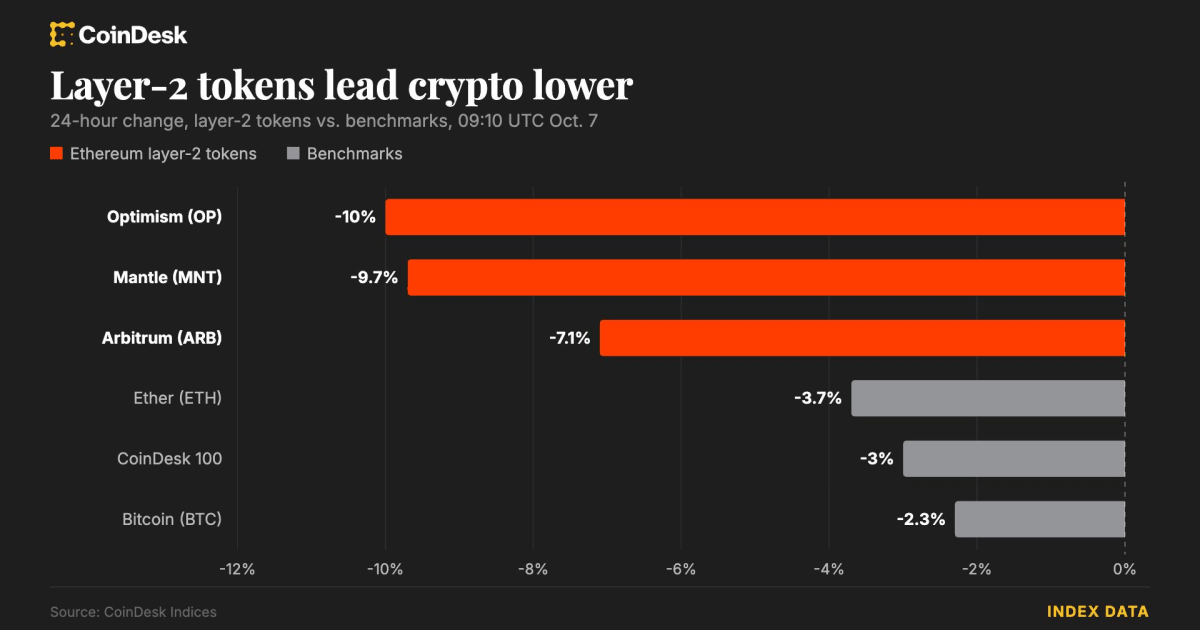
If you have been watching the screens lately, you’ve noticed a peculiar tug-of-war. On one side, crypto markets are behaving like a political betting parlor, oscillating wildly based on every headline out of Washington regarding Middle East policy. On the other, the real world is dealing with a surge in crude oil prices and a flight to safety that is rattling emerging markets.
For the average investor, the message is clear: the honeymoon phase of speculative crypto trading is colliding with hard-nosed geopolitical risk. When the drums of war beat louder, liquidity doesn’t stay in digital assets—it runs for the exits and heads straight for the safety of gold, energy, and defensive equities.
The Indian Market Ripple Effect
In India, this shift is manifesting through the behavior of Foreign Institutional Investors (FIIs). As global risk appetite shrinks, FIIs are hitting the 'sell' button on high-beta sectors. We are seeing a distinct rotation: capital is being pulled out of speculative, tech-heavy growth stocks and digital asset proxies, and redeployed into sectors that provide a hedge against inflation and supply chain disruptions.
The Indian market is particularly sensitive to these shifts because our reliance on oil imports makes us a prime target for volatility when the Middle East flares up. When oil prices spike, the Rupee faces pressure, and the cost of doing business for domestic manufacturers rises. This is exactly why the current market sentiment is neutral-to-cautious; investors are waiting to see if this is a temporary headline-driven blip or a structural shift in global supply chains.
Winners and Losers: Where to Park Your Capital
In this environment, your portfolio needs to be defensive. Here is how the current landscape breaks down for Indian investors:
- The Winners (Defensive Plays):
- Oil & Gas Producers: Companies like RELIANCE and ONGC often benefit from the elevated price environment that follows supply-chain fears.
- Defense Sector: With heightened global uncertainty, domestic defense spending is non-negotiable. HAL (Hindustan Aeronautics Ltd) remains a strategic pivot for those looking for long-term stability amidst geopolitical noise.
- Precious Metals: Gold continues to be the ultimate safe haven. While not a stock, gold-linked ETFs and companies with high gold exposure are seeing renewed interest as a hedge against currency devaluation.
- The Losers (High-Beta Exposure):
- Aviation: Companies like InterGlobe Aviation (IndiGo) are under immediate pressure. Rising jet fuel costs are a direct hit to margins that simply cannot be passed on to customers overnight.
- High-Beta IT Stocks: Tech firms with heavy exposure to US discretionary spending are seeing a sell-off as investors pull back from growth-at-any-price models.
- Crypto-Linked Equities: Any stock with an indirect tie to digital asset volatility is currently seeing an exodus of retail liquidity.
The Hidden Risk: Liquidity-Driven Corrections
The danger here is not just the conflict itself, but the over-reliance on political noise to drive valuations. If the crypto market continues to trade purely on speculative rhetoric rather than fundamental adoption, it is sitting on a razor's edge. A sudden, sharp escalation in the Middle East could trigger a liquidity crunch, forcing margin calls that spill over into broader equity markets. For the Indian investor, this means you should be wary of 'buying the dip' in high-beta stocks until the geopolitical dust settles.
What to Watch Next
Keep your eyes on the FII flow data and the Brent Crude price charts. If oil sustains levels above recent averages, expect a continued rotation into defensive sectors like BPCL and IOC, which act as a proxy for the energy narrative. Additionally, watch HINDALCO; as a global aluminum player, it is highly sensitive to both supply chain costs and the health of the Chinese and US manufacturing sectors. If global growth slows due to geopolitical friction, these industrial stocks will be the first to signal a shift in the economic cycle.
The Bottom Line: Stop chasing the headlines and start following the money. The smart money is moving out of the digital casino and back into the bedrock of the Indian economy: energy, defense, and tangible assets.
See HINDALCO's AI Score
Our algorithmic screener scores HINDALCO on fundamentals, momentum, and risk — free to try, no card needed.
Try the AI Screener →Have questions about this story?
Ask Welth, our finance-focused AI research assistant, for a deeper breakdown — free trial included.
Chat with Welth AI →Disclaimer: This content is generated by WelthWest Research Desk based on publicly available reports and is for informational purposes only. It does not constitute financial advice, investment recommendations, or an offer to buy or sell securities. Always consult a qualified financial advisor before making investment decisions.