Key Takeaway
The U.S. move toward crypto-regulatory clarity isn't just a win for Bitcoin; it is a multi-billion dollar catalyst for Indian IT service providers that build the underlying financial infrastructure for global digital asset ecosystems.
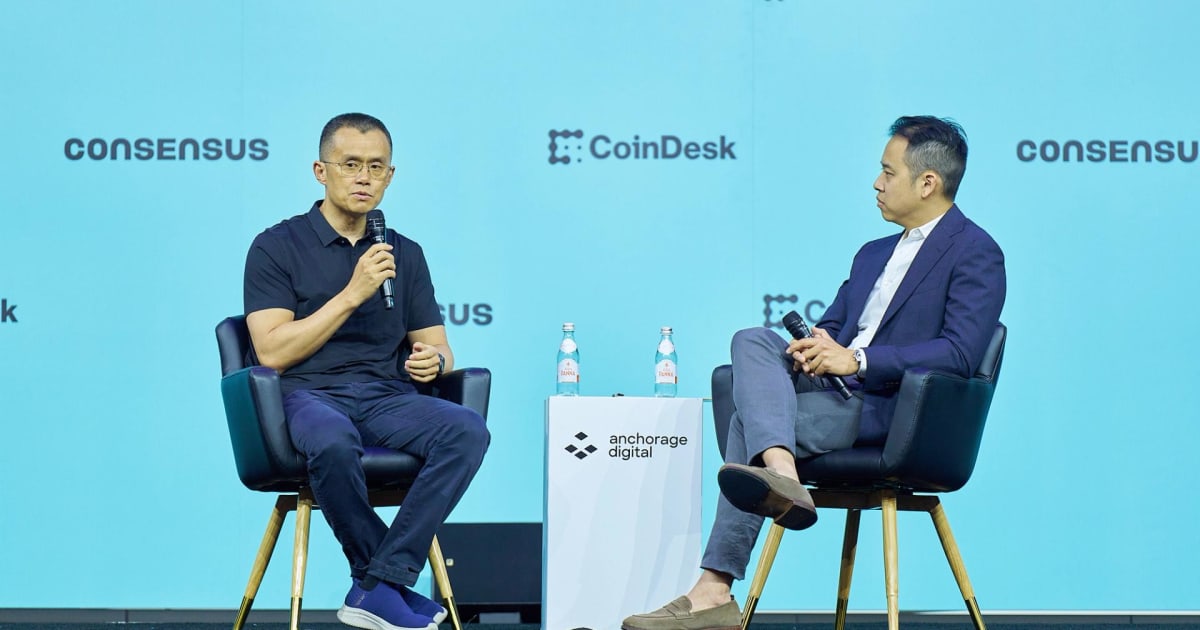
Changpeng Zhao’s strategic alignment with U.S. regulators marks a turning point for global crypto liquidity. For Indian investors, this shift highlights a massive opportunity in IT stocks positioned to build the next generation of blockchain architecture.
The Great Institutional Shift: Why CZ’s Pivot Changes Everything
The recent strategic pivot by Changpeng Zhao (CZ) toward full regulatory alignment with U.S. authorities is not merely a corporate rebranding; it is a structural inflection point for global digital asset markets. By positioning the U.S. as a potential 'capital of crypto,' the industry is signaling a transition from the 'wild west' era to a period of institutional maturity. For investors, this shift suggests that the regulatory friction that hampered crypto adoption since the 2022 liquidity crisis is finally beginning to dissipate.
Why does this matter now? We are witnessing a confluence of high global liquidity and a desperate need for financial modernization. As U.S. regulators move toward clearer frameworks, the influx of institutional capital into crypto-assets is inevitable. This creates a downstream demand for secure, scalable, and compliant blockchain infrastructure—a sector where Indian IT service providers already dominate the global stage.
How will the crypto-regulatory shift impact Indian IT stocks?
The Indian IT sector, often viewed through the lens of traditional SaaS and enterprise resource planning (ERP), is the silent engine behind the global crypto boom. When major exchanges and financial institutions ramp up their blockchain divisions, they don’t build internally from scratch; they outsource to the deep engineering talent pools in Bengaluru, Pune, and Hyderabad.
Historical parallels are instructive. During the 2022 crypto winter, the Nifty IT index corrected by over 25% as speculative sentiment collapsed. However, the underlying demand for blockchain-as-a-service (BaaS) remained robust. Today, with clear regulatory tailwinds, we expect a re-rating of IT firms that have invested heavily in 'Web3 ready' talent. As global exchanges expand their U.S. footprint, the demand for enterprise-grade custody solutions, security audits, and cross-chain interoperability will provide a secular growth tailwind for Indian tech firms.
Strategic Stock Breakdown: Who Stands to Gain?
Investors should look beyond the hype and focus on firms providing the 'picks and shovels' for the new digital economy.
- Tata Consultancy Services (TCS): With a P/E ratio hovering around 28x, TCS is the safest play for institutional-grade blockchain integration. Their 'Quartz' blockchain platform is already being utilized by central banks for CBDC pilots, making them the primary beneficiary of any global pivot toward state-regulated digital assets.
- Persistent Systems: Known for its agility in emerging tech, Persistent has a significant footprint in digital engineering. They are a pure-play bet on the shift toward decentralized finance (DeFi) infrastructure. Their focus on high-end software development gives them better margins than traditional legacy players.
- Zensar Technologies: A smaller, high-growth play. Zensar has aggressively pivoted toward cloud-native digital transformation. As crypto exchanges move to cloud-based, highly scalable architectures to meet U.S. compliance standards, Zensar’s specialized delivery model positions them to capture niche enterprise demand.
- HCL Technologies: HCL’s strength lies in its cybersecurity and infrastructure management. As regulatory scrutiny increases, the demand for 'Compliance-as-a-Code'—where HCL excels—will surge. Their ability to manage complex, multi-jurisdictional IT stacks makes them essential for exchanges trying to navigate the U.S. regulatory maze.
The Contrarian View: Bulls vs. Bears
The Bull Case: Proponents argue that the 'Institutionalization of Crypto' is the final hurdle to mass adoption. If the U.S. provides a clear 'rulebook,' we could see a 3x increase in enterprise blockchain spending by 2026. This would push Indian IT stocks to all-time highs as they corner the market on reliable, compliant digital infrastructure.
The Bear Case: Skeptics, however, warn that regulatory alignment is a double-edged sword. Increased compliance costs could shrink the profit margins of mid-tier crypto exchanges, leading to consolidation. If the U.S. regulators decide to clamp down on 'offshore' development, Indian IT firms could face a sudden contraction in project pipelines, leading to volatility in stock prices.
Actionable Investor Playbook
Investors should adopt a barbell strategy. Allocate 70% of your tech portfolio to established giants like TCS and HCL for long-term stability and dividend yield, while allocating 30% to high-growth, mid-cap firms like Persistent Systems that are more exposed to pure-play blockchain R&D.
Time Horizon: 18-36 months. Do not attempt to time the daily volatility of crypto-assets. Instead, track the 'Blockchain Revenue' line items in quarterly earnings reports of these IT firms. An uptick in high-value digital asset contracts is your signal to increase exposure.
Risk Matrix
| Risk Factor | Probability | Impact |
|---|---|---|
| U.S. Policy Reversal | Medium | High |
| Major Exchange Security Breach | High | Medium |
| Indian Regulatory Friction | Medium | High |
What to Watch Next
Keep a close eye on the SEC’s upcoming guidance on 'Custody Rules for Digital Assets' expected in Q3. Additionally, monitor the commentary from the Reserve Bank of India (RBI) regarding CBDC integration with private banking infrastructure. Any sign of a constructive dialogue between the RBI and global financial bodies will act as a major catalyst for the Indian IT sector, signaling that the 'crypto-stigma' is finally being replaced by 'blockchain-utility' acceptance.
See Zensar Technologies's AI Score
Our algorithmic screener scores Zensar Technologies on fundamentals, momentum, and risk — free to try, no card needed.
Try the AI Screener →Have questions about this story?
Ask Welth, our finance-focused AI research assistant, for a deeper breakdown — free trial included.
Chat with Welth AI →Disclaimer: This content is generated by WelthWest Research Desk based on publicly available reports and is for informational purposes only. It does not constitute financial advice, investment recommendations, or an offer to buy or sell securities. Always consult a qualified financial advisor before making investment decisions.