Key Takeaway
The Delhi ground handling failure signals a structural shift in aviation risk pricing. Expect rising insurance premiums and tighter DGCA oversight to compress margins across the Indian aviation sector over the next two fiscal quarters.
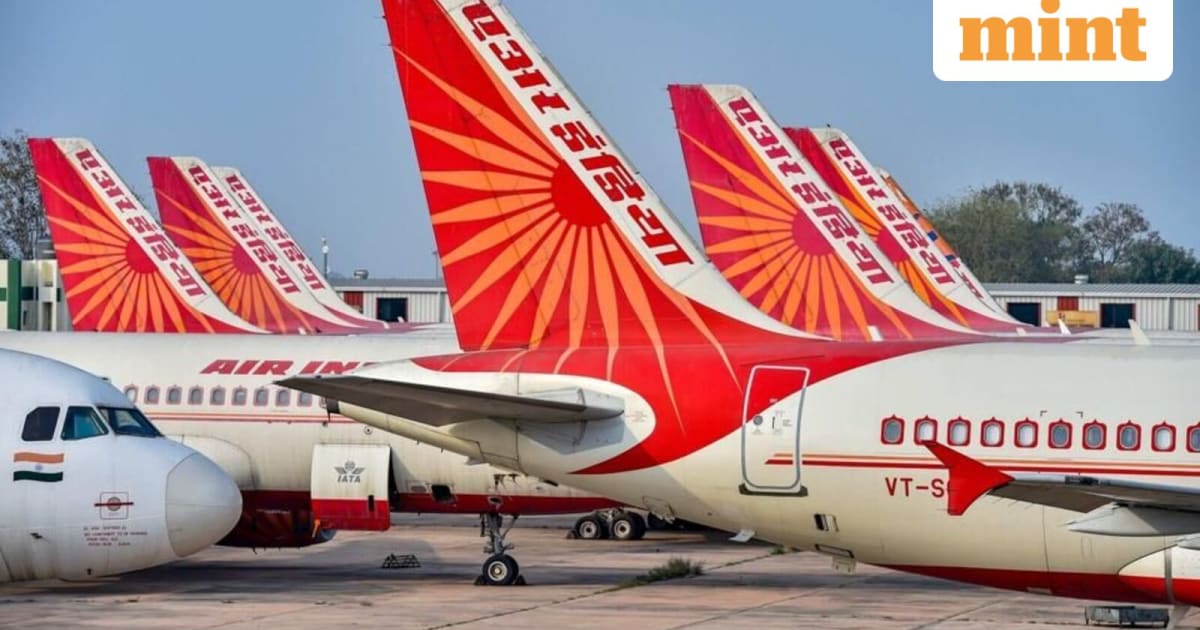
Sudden extreme weather at Delhi's IGI Airport resulted in significant ground handling failures, damaging Air India assets. This article dissects the ripple effects on Indian airline stocks, insurance costs, and the infrastructure maintenance sector, providing an actionable playbook for navigating this volatility.
The Delhi Airport Incident: A Wake-Up Call for Aviation Resilience
When three Air India aircraft were incapacitated by ground equipment at Delhi’s Indira Gandhi International (IGI) Airport due to sudden, unpredicted wind gusts, it wasn't just a logistical headache—it was a systemic red flag. While the mainstream media focused on the immediate operational delays, the investment community must look deeper. This incident exposes a critical vulnerability in India’s aviation ground handling infrastructure: the inability to manage climate volatility at high-density hubs.
For investors, this is not merely a localized event. It is a precursor to a period of heightened operational scrutiny and rising insurance costs that will inevitably filter through the balance sheets of India’s aviation giants.
Why does this matter for the Indian aviation sector now?
The Indian aviation sector is currently operating at peak capacity, with passenger traffic recovering to pre-pandemic levels and beyond. However, ground infrastructure has struggled to keep pace with fleet expansion. When climate-driven events occur, the lack of automated, weather-resilient ground handling equipment transforms from an operational inconvenience into a balance-sheet liability. In a sector where margins are notoriously thin—often hovering in the single digits for legacy carriers—unforeseen asset maintenance costs and insurance premium hikes can be the difference between a profitable quarter and a net loss.
Deep Market Impact: Connecting the Dots
Historically, aviation incidents in India have served as catalysts for regulatory tightening. Following the 2022 safety audit period, the Nifty Aviation Index experienced a temporary drawdown of approximately 4-6% as investors priced in the costs of compliance. This incident is likely to trigger a similar pattern. We expect a shift in the cost structure of Indian airlines, specifically in the 'Other Expenses' line item, as insurance providers re-evaluate the risk profile of ground operations in India’s changing climate landscape.
How will this affect insurance premiums and operating costs?
Aviation insurance is a globalized, highly sensitive market. When incidents occur at major hubs like IGI, the 'loss ratio' for the region increases. We anticipate that domestic carriers will face a 5-8% hike in hull and liability insurance premiums during the next renewal cycle. Furthermore, the DGCA is likely to mandate stricter protocols for 'tethering' and 'securing' ground equipment, forcing airlines to invest in capital-intensive, weather-hardened infrastructure.
Stock-by-Stock Breakdown: Who Wins and Who Loses?
- TATA MOTORS (NSE: TATAMOTORS): As the parent of Air India, Tata Sons is aggressively modernizing the fleet. While the parent entity is well-capitalized, the direct impact on Air India’s operational expenses could weigh on the group's aviation consolidated earnings.
- INTERGLOBE AVIATION (NSE: INDIGO): As the market leader with a massive footprint at IGI, IndiGo is most exposed to potential new ground-safety regulations. While their operational efficiency is high, increased regulatory compliance costs could compress their operating margin (OPM), which currently sits near 15-18%.
- SPICEJET (NSE: SPICEJET): Already dealing with liquidity constraints, SpiceJet is least equipped to handle a sudden spike in insurance or maintenance costs. Investors should remain cautious as the firm's P/E ratio remains volatile due to inconsistent earnings.
- GMR AIRPORTS INFRASTRUCTURE (NSE: GMRINFRA): GMR stands as a potential beneficiary. As the operator of IGI, they are under pressure to upgrade ground safety systems. While this requires CapEx, it also grants them pricing power in the long run by providing a 'gold-standard' safe environment for airlines.
Expert Perspective: The Bull vs. Bear Case
The bears argue that this incident is a symptom of a larger, systemic failure in Indian airport management, suggesting that further accidents are inevitable, leading to a permanent rerating of aviation stocks downward. Conversely, the bulls view this as a short-term 'noise' event that will accelerate the much-needed modernization of ground support equipment, ultimately making the sector more robust and investible in the long term.
Actionable Investor Playbook
For investors, the immediate strategy should be one of defensive positioning. Avoid aggressive buying in low-margin, high-debt airlines until the DGCA issues its final report on the incident. Conversely, keep a close watch on infrastructure maintenance firms and airport operators who are likely to land government contracts for safety-tech upgrades.
- Watch: Any announcements regarding the 'National Aviation Safety Fund' or increased regulatory levies.
- Avoid: Heavy exposure to small-cap airlines with weak balance sheets during the next 30 days of media cycle.
- Entry Point: Look for a 10% retracement in high-quality aviation stocks before initiating long-term positions, as the current sentiment is overly bearish.
Risk Matrix
| Risk | Probability | Impact |
|---|---|---|
| Regulatory Overhaul (High Compliance Costs) | High | Moderate |
| Insurance Premium Surge | Moderate | High |
| Operational Disruption due to Weather | Moderate | Low |
What to Watch Next
Investors should monitor the upcoming DGCA quarterly safety audit reports. Any specific mention of 'ground equipment handling' in the next 90 days will be a clear indicator of impending structural costs. Additionally, watch for the next quarterly results for GMR Airports; any uptick in 'non-aeronautical revenue' from safety-related services will signal a shift in their business model.
See TATA MOTORS (Parent of Air India)'s AI Score
Our algorithmic screener scores TATA MOTORS (Parent of Air India) on fundamentals, momentum, and risk — free to try, no card needed.
Try the AI Screener →Have questions about this story?
Ask Welth, our finance-focused AI research assistant, for a deeper breakdown — free trial included.
Chat with Welth AI →Disclaimer: This content is generated by WelthWest Research Desk based on publicly available reports and is for informational purposes only. It does not constitute financial advice, investment recommendations, or an offer to buy or sell securities. Always consult a qualified financial advisor before making investment decisions.