Key Takeaway
The era of cheap global liquidity is over, forcing a brutal valuation reset in Indian growth stocks. Investors must pivot from high-beta plays to cash-rich, NIM-protected banking assets to survive the coming liquidity crunch.
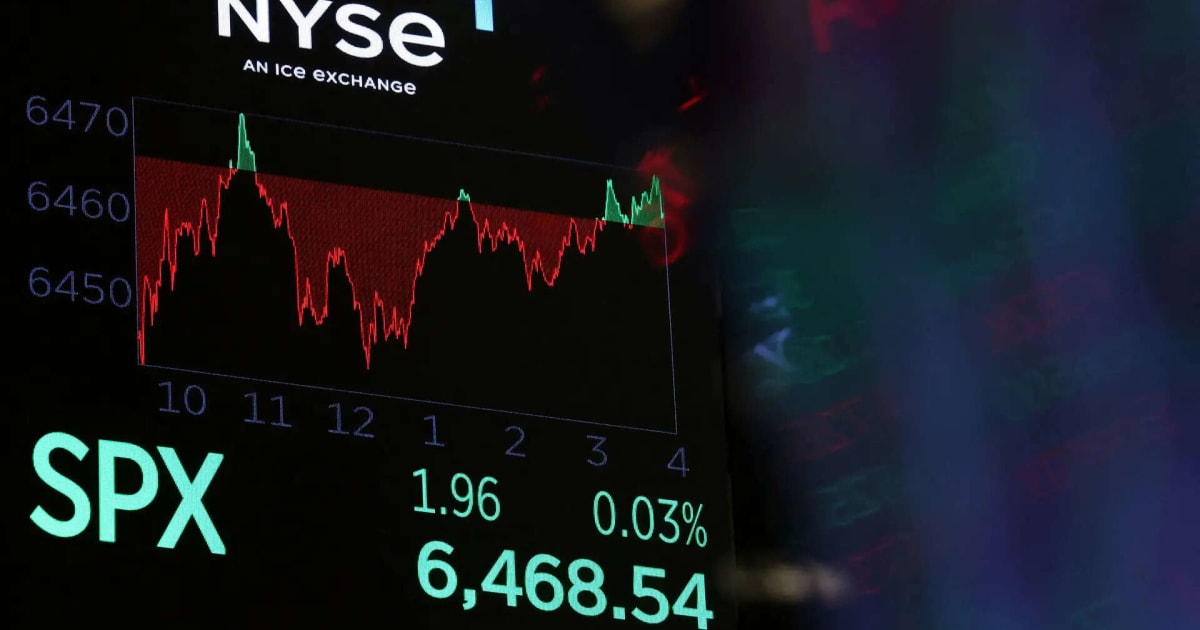
The Federal Reserve's hawkish pivot has shattered the 'pivot' narrative, sending shockwaves through emerging markets. We analyze the resulting capital flight from India, the compression of P/E multiples, and why your portfolio needs a defensive rotation immediately.
The End of the Easy Money Era: Why the Fed Pivot Matters for India
For the past eighteen months, Indian equity markets have operated under the assumption that the Federal Reserve would soon pivot toward a dovish stance. That thesis has officially collapsed. With the Fed signaling a 'higher-for-longer' trajectory for interest rates, the global cost of capital has been repriced upward, creating a gravitational pull that is dragging liquidity out of emerging markets (EMs) and back into the safety of US Treasuries.
When the 10-year US Treasury yield climbs, it does not merely affect American debt; it dictates the discount rates applied to every equity market globally. For India, this means the 'risk-free' rate hurdle has risen, making the valuation multiples of Indian growth stocks—particularly in the IT and mid-cap sectors—look increasingly expensive.
How will the Fed’s hawkish stance impact Indian IT and Banking stocks?
The impact is bifurcated. On one hand, we are witnessing a classic 'valuation compression' event. When the discount rate rises, the present value of future cash flows drops. This hits growth-heavy sectors like IT Services, where valuations are predicated on long-term earnings growth. Conversely, the banking sector faces a more nuanced reality: while higher rates can pressure loan growth, they provide a runway for Net Interest Margin (NIM) expansion for lenders with high floating-rate loan books.
Historical data from the 2022 Fed tightening cycle provides a sobering benchmark. During that period, the Nifty 50 saw a sharp contraction in P/E multiples as FIIs pulled over $15 billion out of Indian equities, leading to a temporary decoupling of Nifty performance from broader global indices. We are now entering a similar phase where the 'India Growth Story' must contend with the 'Global Liquidity Crunch' reality.
Sector-Level Analysis: Winners and Losers in a High-Rate Environment
The divergence between sectors is becoming stark. Investors must recognize that not all corporate balance sheets are created equal in a high-interest-rate environment.
- IT Services: Companies like TCS (NSE: TCS) and Infosys (NSE: INFY) are facing dual headwinds. Not only are their valuation multiples contracting due to higher discount rates, but their North American clients—who contribute over 60% of their revenue—are slashing discretionary IT spending in anticipation of a US recession.
- Banking & Finance: Banks with large retail deposit franchises and high CASA (Current Account Savings Account) ratios, such as HDFC Bank, are better positioned to weather the storm. However, NBFCs like Bajaj Finance (NSE: BAJFINANCE) face significant margin pressure as their cost of borrowing rises faster than their ability to pass on rate hikes to consumers.
- Real Estate: DLF (NSE: DLF) and other developers are highly sensitive to rate hikes. As mortgage rates rise, demand for residential real estate typically cools, and the high debt-to-equity ratios prevalent in this sector become a major liability.
Stock-Specific Deep Dive
TCS & Infosys: Both trade at P/E ratios that were sustainable in a 0% interest rate environment but look stretched today. With revenue growth slowing to mid-single digits, the 'growth premium' is evaporating. Expect volatility until these stocks re-rate to historical median P/E levels.
Reliance Industries (NSE: RELIANCE): As a conglomerate with significant dollar-denominated debt, Reliance faces higher interest servicing costs. While its O2C (Oil-to-Chemicals) business benefits from a stronger dollar, the net impact on its bottom line is likely to be neutral to negative if the rupee continues to slide.
The Contrarian View: Bulls vs. Bears
The Bear Case: The bear camp argues that the Fed’s persistence will lead to a systemic liquidity crunch, forcing a global deleveraging. They point to the widening gap between the Nifty's current P/E of ~24x and its 10-year average of ~20x as evidence that a 10-15% correction is inevitable.
The Bull Case: Contrarians argue that India’s domestic macro strength—driven by massive infrastructure spending and a robust manufacturing push—will act as a 'decoupling' force. They believe that while FIIs may exit, Domestic Institutional Investors (DIIs) and the sheer volume of SIP inflows will provide a floor for the market, preventing a catastrophic crash.
Actionable Investor Playbook: Navigating the Volatility
1. Defensive Rotation: Shift capital from high-beta, high-debt growth stocks into cash-rich, dividend-paying companies. Focus on sectors with pricing power that can pass on inflation-related costs.
2. Monitor the USD/INR: A depreciating rupee benefits export-oriented sectors (like Pharma and select IT), but it exacerbates the cost of servicing foreign debt. Keep a close watch on the 84.00 level for the USD/INR pair.
3. Cash is a Position: In a high-rate environment, holding 15-20% of your portfolio in liquid, short-term debt instruments or money market funds is not 'missing out'—it is optionality for when the market eventually bottoms out.
Risk Matrix: Assessing the Threats
| Risk Factor | Probability | Impact |
|---|---|---|
| Persistent US Inflation (forcing further Fed hikes) | High | Severe |
| Significant FII Outflows from India | High | High |
| Crude Oil Price Spike (widening CAD) | Medium | High |
| Domestic Corporate Earnings Misses | Medium | Moderate |
What to Watch Next
The immediate catalysts will be the upcoming US Consumer Price Index (CPI) releases and the RBI Monetary Policy Committee (MPC) minutes. If US inflation proves sticky, the Fed will likely skip rate cuts entirely for the remainder of the year. Investors should also monitor the Quarterly Earnings Season, specifically looking for management commentary on 'cost of debt' and 'margins'—these will be the primary indicators of which companies are successfully navigating the new reality of expensive capital.
See TCS's AI Score
Our algorithmic screener scores TCS on fundamentals, momentum, and risk — free to try, no card needed.
Try the AI Screener →Have questions about this story?
Ask Welth, our finance-focused AI research assistant, for a deeper breakdown — free trial included.
Chat with Welth AI →Disclaimer: This content is generated by WelthWest Research Desk based on publicly available reports and is for informational purposes only. It does not constitute financial advice, investment recommendations, or an offer to buy or sell securities. Always consult a qualified financial advisor before making investment decisions.