Key Takeaway
The Fed’s ‘higher-for-longer’ stance is creating a tug-of-war between resilient US demand for Indian exports and the tightening of global liquidity. Investors should pivot toward balance-sheet strength over speculative growth.
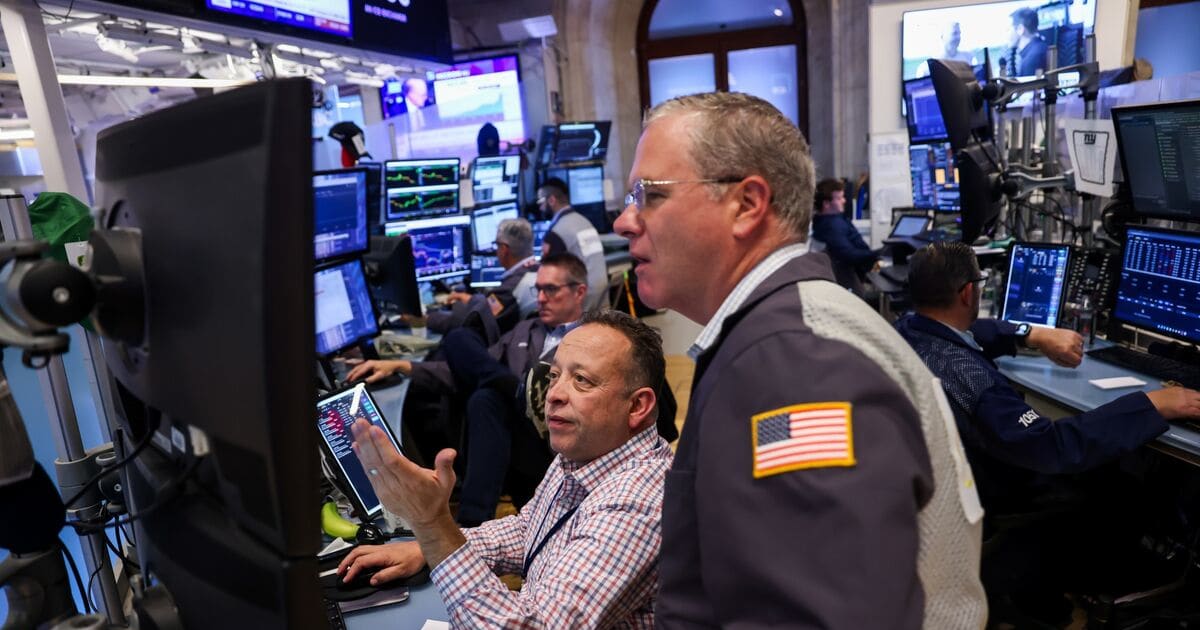
As US manufacturing data signals unexpected resilience, the Federal Reserve faces renewed inflationary pressures, complicating the global rate-cut narrative. For Indian investors, this shift dictates a transition from high-beta small caps to stable, export-oriented large caps that can weather currency volatility and capital outflows.
The Fed-Manufacturing Nexus: Why Global Liquidity is Tightening
The global financial architecture is currently oscillating between two competing narratives: the strength of the US industrial engine and the persistence of sticky inflation. As manufacturing data in the United States continues to defy contractionary expectations, the Federal Reserve’s path toward monetary easing has become increasingly obscured. For the Indian markets, this isn't merely an American fiscal story—it is a direct determinant of Foreign Institutional Investor (FII) flows and the cost of capital for domestic conglomerates.
When the Fed signals a hawkish tilt, the yield spread between US Treasuries and Indian sovereign bonds narrows, often triggering a flight to safety. Historical data from the 2022 tightening cycle, which saw the Nifty 50 experience a 12% drawdown during peak volatility, serves as a sobering reminder of how sensitive the Indian equity market remains to the US Federal Funds Rate.
How will US interest rate uncertainty affect Indian bank stocks?
Interest-rate sensitive sectors, particularly banking and real estate, are currently walking a tightrope. Large-cap banks like HDFC Bank (NSE: HDFCBANK) are uniquely positioned; while they benefit from a high-interest rate environment through expanded Net Interest Margins (NIMs), they are simultaneously vulnerable to the credit-cost spikes that often accompany prolonged periods of tight liquidity. With a P/E ratio hovering near historical averages, HDFC Bank remains a bellwether for institutional sentiment. If the Fed maintains rates at current levels, we expect a compression in credit growth as the cost of borrowing for corporate India rises, potentially impacting the stock’s near-term price-to-book valuation.
Sectoral Winners and Losers: A Strategic Reallocation
The current macro environment mandates a barbell strategy. On one side, we have the export-oriented sectors that act as a natural hedge against rupee depreciation. On the other, we have domestic consumption plays that are increasingly pressured by inflation.
The IT Services Resilience
Resilient US manufacturing data implies that enterprise spending on digital transformation remains robust. TCS (NSE: TCS), Infosys (NSE: INFY), and HCLTech (NSE: HCLTECH) are primary beneficiaries. Despite US wage inflation pressures, these companies maintain strong operating margins. Their ability to generate dollar-denominated revenue acts as a buffer against the rupee's volatility—a key metric for long-term investors.
The Real Estate and Auto Drag
Conversely, interest-rate sensitive sectors like Real Estate and Auto are facing headwinds. Higher borrowing costs translate into lower mortgage demand and reduced vehicle financing, directly impacting firms with high debt-to-equity ratios. Investors should exercise caution with small-cap stocks in these sectors, as they lack the balance sheet flexibility to absorb sustained high-interest costs.
Stock-by-Stock Analysis: Navigating the Volatility
- TCS (NSE: TCS): With a market cap exceeding ₹15 trillion, TCS remains the defensive anchor. Its focus on AI-led operational efficiency provides a margin of safety even if US clients tighten discretionary spending.
- Infosys (NSE: INFY): Trading at a forward P/E of ~26x, INFY is priced for growth. Its deep integration into the US banking infrastructure makes it a direct play on US industrial health.
- HDFC Bank (NSE: HDFCBANK): Despite recent consolidation, its massive deposit base remains a moat. Watch for the 1.5x price-to-book level as a potential accumulation zone.
- Reliance Industries (NSE: RELIANCE): As a conglomerate with significant exposure to both energy and retail, Reliance acts as a proxy for the Indian economy. Its debt-reduction trajectory is the most critical variable here.
The Bull-Bear Tug-of-War: Expert Perspectives
The current market sentiment is a classic 'wait-and-see.' Bulls argue that India’s domestic consumption story is decoupling from US policy, while bears warn that no emerging market can fully escape the gravity of a 5% Fed Funds Rate.
Bulls emphasize that Indian corporate earnings have shown a 15-18% CAGR over the last three years, providing a floor for valuations. Bears, however, point to the current account deficit and the potential for FIIs to repatriate capital if the dollar index (DXY) pushes past 105, which would put significant pressure on the Nifty 50.
Actionable Investor Playbook
For a 6-12 month horizon, we recommend the following posture:
- Accumulate: High-quality IT exporters with strong cash flow and low debt.
- Trim: High-beta small-cap stocks in the real estate and auto-ancillary space that rely heavily on debt financing.
- Monitor: The 10-year US Treasury yield. A sustained move above 4.5% is a signal to reduce exposure to cyclical domestic sectors.
Risk Matrix: Assessing the Probabilities
| Risk Factor | Probability | Impact |
|---|---|---|
| Persistent US Inflation (CPI > 4%) | High (65%) | High (Market Correction) |
| Currency Devaluation (USD/INR > 85) | Medium (40%) | Medium (Imported Inflation) |
| Geopolitical Supply Chain Shocks | Medium (30%) | High (Volatility) |
What to Watch Next
Investors must keep a close eye on the upcoming US Non-Farm Payrolls (NFP) report and the subsequent FOMC meeting minutes. These data points will provide the clearest signal on whether the 'soft landing' narrative holds. In India, the RBI’s commentary on systemic liquidity will be the primary domestic catalyst to watch alongside the quarterly earnings season, where margin pressure will be the key metric for institutional analysts.
See TCS's AI Score
Our algorithmic screener scores TCS on fundamentals, momentum, and risk — free to try, no card needed.
Try the AI Screener →Have questions about this story?
Ask Welth, our finance-focused AI research assistant, for a deeper breakdown — free trial included.
Chat with Welth AI →Disclaimer: This content is generated by WelthWest Research Desk based on publicly available reports and is for informational purposes only. It does not constitute financial advice, investment recommendations, or an offer to buy or sell securities. Always consult a qualified financial advisor before making investment decisions.