Key Takeaway
Aggressive US rate hikes threaten to drain liquidity from emerging markets, forcing the RBI into a defensive hawkish stance. Investors should pivot toward currency-hedged IT exporters while trimming exposure to debt-heavy infrastructure plays.
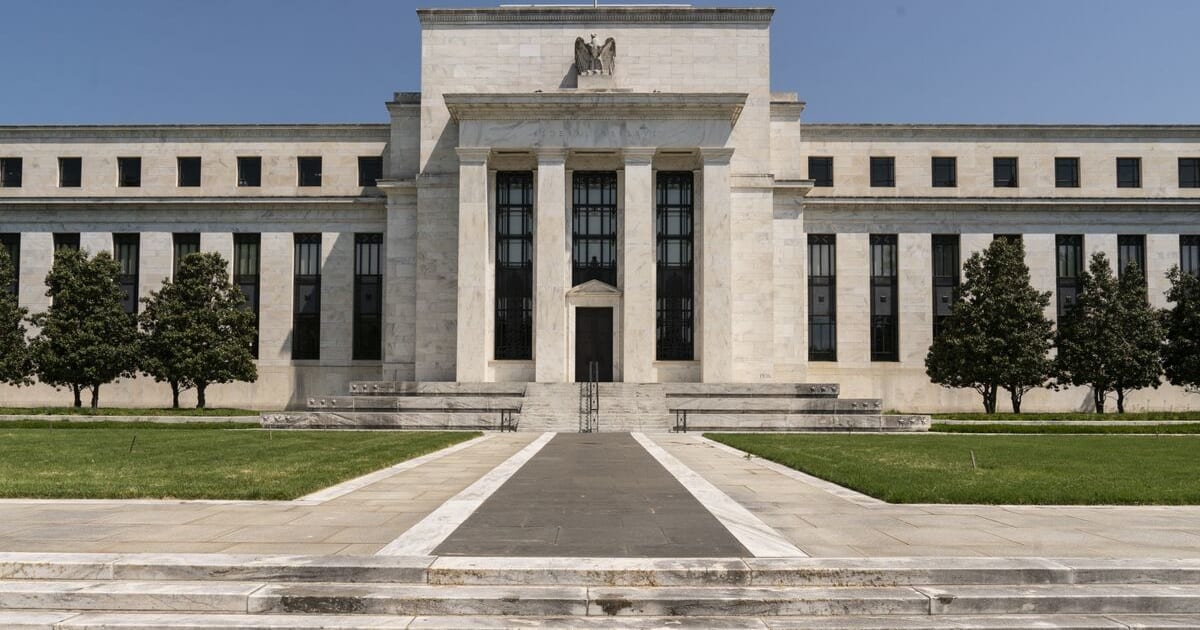
Record volume in US Treasury futures suggests a high-probability July rate hike by the Federal Reserve. This shift in global monetary policy creates a 'double-whammy' for the Indian market: a depreciating Rupee and potential domestic liquidity tightening. Our deep dive analyzes the sector-specific winners and losers in this high-interest-rate regime.
The Great Liquidity Drain: Why US Treasury Futures Matter for Nifty
The global financial architecture is currently recalibrating as US Treasury futures volumes hit multi-year highs. This surge isn't just technical noise; it is a clear market signal that institutional capital is pricing in a hawkish July Federal Reserve policy move. When the US Federal Reserve signals higher-for-longer interest rates, the 'risk-free' yield on the USD becomes an irresistible magnet, triggering a systemic reallocation of capital away from emerging markets (EMs) like India.
For the Indian equity market, this creates a structural headwind. As the interest rate differential narrows, the Indian Rupee (INR) faces depreciation pressure, forcing the Reserve Bank of India (RBI) into a corner: hold rates high to protect the currency and prevent imported inflation, or risk a liquidity crunch that could stifle domestic growth. Last seen during the aggressive 2022 Fed tightening cycle, the Nifty 50 experienced a sharp correction as FIIs aggressively offloaded Indian assets to chase dollar-denominated yields.
How will the Fed's July rate hike affect Indian bank stocks?
Banking is the most sensitive sector to this shift. While higher interest rates generally expand Net Interest Margins (NIMs) in the short term, the secondary effects—namely, higher cost of funds and potential asset quality degradation—are often overlooked. As the RBI maintains a hawkish stance to defend the INR, the cost of borrowing for Indian corporates rises, eventually reflecting as higher non-performing assets (NPAs) on bank balance sheets.
Sector Breakdown:
- Banking (Bullish on NIMs, Bearish on Volume): Banks like HDFCBANK and SBIN benefit from the repricing of loan books. However, if the RBI is forced to drain liquidity to defend the rupee, credit growth will likely decelerate from the current 15% YoY levels.
- IT & Pharma (The Hedge): These sectors remain the primary beneficiaries of a depreciating Rupee. With companies like TCS and INFY earning the bulk of their revenue in USD, a 1-2% slide in the INR translates directly to bottom-line margin expansion.
Stock-by-Stock Analysis: Winners and Losers
Investors must differentiate between companies with pricing power and those burdened by high leverage. The current environment favors cash-rich balance sheets over expansionist, debt-funded models.
The Resilience Plays
- TCS (TATA CONSULTANCY SERVICES): With a P/E hovering near 28x, TCS offers a defensive anchor. Their USD revenue stream acts as a natural hedge against INR volatility.
- INFY (INFOSYS): Despite global slowdown concerns, Infy’s operational efficiency allows it to absorb the impact of high interest rates better than mid-cap IT peers.
- HCLTECH: Strong exposure to engineering services provides a buffer against cyclical downturns in traditional IT spending.
The Vulnerable Plays
- SBIN: While NIMs look attractive, the stock is highly sensitive to FII outflows. A major rebalancing event by global funds often targets the most liquid large-cap banks first.
- DLF: Real estate is inherently interest-rate sensitive. Rising rates increase mortgage costs for buyers and debt-servicing costs for developers, putting downward pressure on project absorption rates.
Expert Perspective: The Contrarian View
While the bears argue that a Fed hike is the death knell for Nifty 50 record highs, the bulls highlight the 'India Decoupling' narrative. Domestic Institutional Investors (DIIs) have shown unprecedented resilience in 2023-24, absorbing FII sell-offs with ease. The debate hinges on whether the Indian economy's domestic consumption growth can outpace the gravity of global monetary tightening. If the RBI manages to keep inflation within the 4-6% band without choking credit, the impact of a Fed hike may be muted compared to previous cycles.
Actionable Investor Playbook
In this volatile climate, tactical allocation is superior to passive holding. We recommend the following:
- Increase Defensive Exposure: Allocate 20% of your portfolio to export-oriented IT and Pharma stocks to hedge against currency depreciation.
- Trim Overleveraged Infrastructure: Reduce exposure to companies with Debt-to-Equity ratios exceeding 1.5x. Rising interest costs will erode their earnings visibility.
- Watch the RBI MPC Meeting: The upcoming policy statement is the single most important catalyst. Any signal of a pivot or a surprise rate hike will dictate the short-term trend for Nifty.
Risk Matrix
| Risk Factor | Probability | Impact |
|---|---|---|
| Unexpected Fed Hawkishness | High | Severe (Market Correction) |
| Crude Oil Spike | Medium | High (Inflationary Pressure) |
| RBI Liquidity Tightening | High | Moderate (Sectoral Rotation) |
What to watch next?
The market will be hyper-focused on the upcoming US CPI data release and the subsequent FOMC minutes. For the Indian market, the Q1 earnings season will provide the final verdict on whether corporate margins can survive the dual pressure of high input costs and elevated interest rates. Keep a close watch on the USD/INR pair; a breach of 84.00 would likely serve as the trigger for a broader market sell-off.
See TCS's AI Score
Our algorithmic screener scores TCS on fundamentals, momentum, and risk — free to try, no card needed.
Try the AI Screener →Have questions about this story?
Ask Welth, our finance-focused AI research assistant, for a deeper breakdown — free trial included.
Chat with Welth AI →Disclaimer: This content is generated by WelthWest Research Desk based on publicly available reports and is for informational purposes only. It does not constitute financial advice, investment recommendations, or an offer to buy or sell securities. Always consult a qualified financial advisor before making investment decisions.
