Key Takeaway
Fibe's impending IPO is a significant validation for India's digital lending sector, signaling robust investor appetite and a potential influx of capital. Investors should monitor the intensified competition in consumer credit and its implications for both new-age fintechs and established financial players.
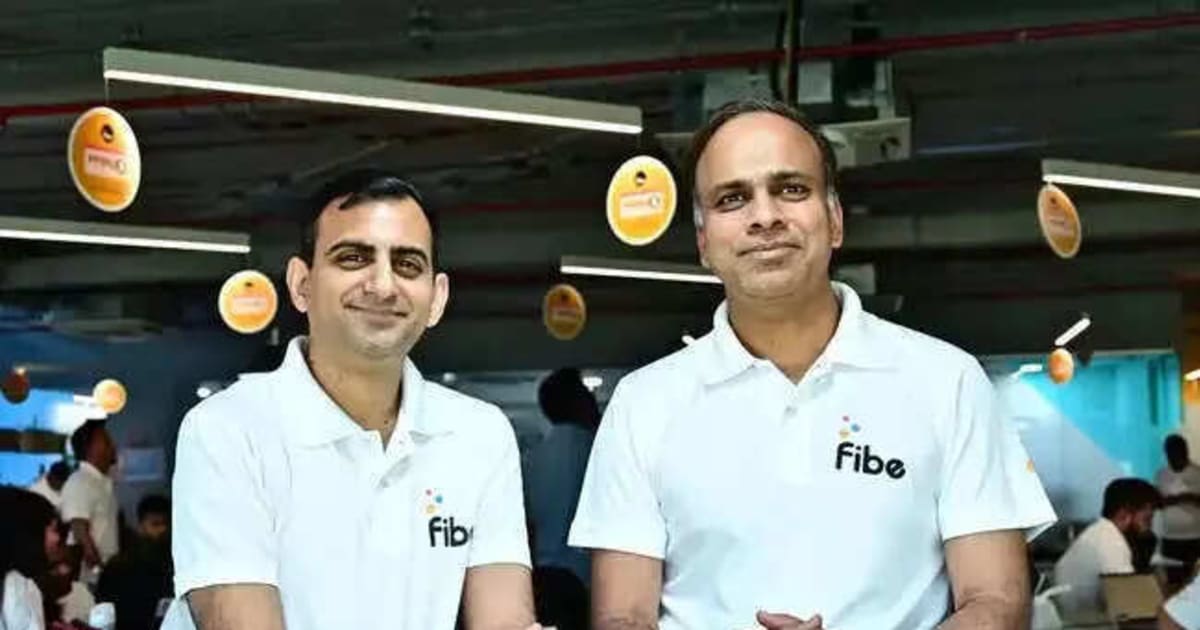
Digital lending platform Fibe has secured SEBI approval for its Rs 750 crore IPO, a landmark event for India's rapidly expanding fintech landscape. This move not only provides a crucial exit for early investors but also injects fresh capital into the competitive consumer credit market. Our deep dive explores the broad market implications, specific stock impacts, and an actionable investor playbook for navigating this evolving sector.
Fibe IPO Fuels India's Digital Lending Boom: A WelthWest Deep Dive
The Indian financial technology (fintech) sector is experiencing an unprecedented surge, and the recent SEBI approval for digital lending platform Fibe's (Social Worth Technologies) Rs 750 crore Initial Public Offering (IPO) stands as a powerful testament to this momentum. This isn't merely another public listing; it's a pivotal moment that signals continued, robust investor confidence in India's burgeoning digital lending ecosystem. For market participants, this development is a critical indicator of shifting competitive dynamics within the consumer credit space and a validation of the broader startup ecosystem, potentially unlocking further venture capital (VC) investment into Indian tech ventures.
The timing of Fibe's IPO is particularly noteworthy. India's digital payments and lending market, projected to reach over $1 trillion by 2030, is ripe for disruption. With a massive underserved credit population and increasing smartphone penetration, platforms like Fibe are uniquely positioned to bridge the credit gap. The approval comes amidst a period where the Nifty Financial Services index has shown a compounded annual growth rate (CAGR) of approximately 15% over the last five years, underscoring the broader tailwinds supporting financial sector growth. Fibe's entry into the public markets will inject significant fresh capital, primarily earmarked for expanding its lending activities, which will undoubtedly intensify the battle for market share in consumer credit, a segment traditionally dominated by large banks and Non-Banking Financial Companies (NBFCs).
What Does Fibe's IPO Mean for the Indian Stock Market?
Fibe's public offering carries multifaceted implications for the Indian stock market, extending beyond just the fintech sector. Historically, successful IPOs in nascent but high-growth sectors have acted as catalysts, drawing investor attention and capital towards peer companies. We saw a similar dynamic during the tech IPO wave of 2021, where successful listings like Zomato (ZOMATO), despite initial volatility, spurred interest in other internet-based businesses. While the broader market sentiment has since matured, Fibe's IPO could rekindle enthusiasm for well-managed, profitable (or path-to-profitability) digital businesses.
The fresh capital Fibe will raise is crucial. A significant portion will likely be deployed to scale its loan book, enhance technology infrastructure, and expand its customer base. This direct infusion of funds will enable Fibe to offer more competitive interest rates or more flexible loan products, directly challenging established players. The consumer discretionary spending index has shown resilience, indicating a healthy appetite for credit, which Fibe aims to capture. This competitive pressure could lead to thinner margins across the board for consumer lending entities, forcing traditional players to innovate faster and embrace digital transformation more aggressively.
Furthermore, the IPO provides a lucrative exit route for Fibe's existing venture capital investors, including prominent names like TPG’s The Rise Fund, Norwest Venture Partners, Chiratae Ventures, and Eight Roads Ventures. A successful exit validates their investment thesis and often encourages these funds to deploy more capital into other promising Indian startups. This creates a virtuous cycle, strengthening the overall startup ecosystem and potentially leading to a pipeline of future tech IPOs on Indian exchanges.
Which Indian Stocks Will Be Impacted by Fibe's Public Listing?
Fibe's IPO will reverberate across several listed entities, creating both opportunities and challenges. Investors need to meticulously analyze the direct and indirect impacts on sector peers and competitors.
- PB Fintech (PBFIN): As the parent company of Policybazaar and Paisabazaar, PBFIN operates a leading online marketplace for financial products, including loans. While not a direct lender, Paisabazaar partners with numerous lenders, including digital platforms. Fibe's successful listing and subsequent capital deployment could increase the volume of digital loan products available on platforms like Paisabazaar, potentially boosting PBFIN's lead generation and commission revenues. However, increased competition might also pressure partner margins, indirectly affecting PBFIN's long-term growth outlook. PBFIN currently trades at a significant premium, reflecting its market dominance, and its ability to leverage the expanding digital lending ecosystem will be key.
- One 97 Communications (PAYTM): Paytm, a diversified fintech giant, has a significant presence in digital lending through Paytm Postpaid and personal loan offerings in partnership with NBFCs. Fibe's intensified competition could directly impact Paytm's loan disbursal volumes and profitability in this segment. Paytm's strategy relies on cross-selling financial products to its vast user base. A more competitive landscape might necessitate higher marketing spends or more aggressive pricing, potentially impacting its path to profitability. Investors will be watching Paytm's Q4 FY24 results for any commentary on rising competitive pressures.
- Bajaj Finance (BAJFINANCE): As a behemoth in the Indian consumer lending space with a market capitalization exceeding Rs 4.5 lakh crore, Bajaj Finance is a prime example of an established NBFC that could face increased competition. While Bajaj Finance boasts a robust offline presence and a strong digital strategy, Fibe's aggressive expansion could chip away at market share in specific digital-first segments. Bajaj Finance's high P/E multiple (around 30-35x earnings) reflects its consistent growth, and any perceived threat to this growth trajectory could lead to investor re-evaluation. The company's ability to maintain its Net Interest Margin (NIM) amidst rising competition will be a crucial metric to monitor.
- Shriram Finance (SHRIRAMFIN): Another prominent NBFC, Shriram Finance, primarily focuses on commercial vehicle financing, but also has a growing presence in consumer and small business loans. While its core business might be less directly impacted than Bajaj Finance, the overall increase in digital lending activity and the shifting consumer preferences towards online channels could indirectly affect its growth prospects in newer segments. Shriram Finance's valuation is more conservative (P/E around 12-15x), and its ability to adapt to digital disruption will be key to unlocking further value.
- AAVAS Financiers (AAVAS): While primarily a housing finance company, AAVAS caters to the affordable housing segment, often serving customers with limited access to traditional credit. The broader digital lending boom, by increasing financial inclusion and credit awareness, could indirectly benefit AAVAS by expanding the addressable market for formal credit. However, it also means more competition for wallet share among digitally savvy consumers.
Bulls vs. Bears: Contrasting Views on India's Digital Lending Future
The Fibe IPO will undoubtedly spark vigorous debate among market participants:
The Bulls argue that Fibe's listing is just the tip of the iceberg for India's digital lending potential. They point to the vast untapped market, especially in Tier 2 and Tier 3 cities, where traditional banking penetration is lower. The increasing adoption of UPI and other digital payment infrastructure lays a fertile ground for digital lenders to scale rapidly and cost-effectively. Bulls would highlight the efficiency gains from AI-driven underwriting and lower operational costs compared to brick-and-mortar branches. They believe that the market is large enough for multiple players to thrive, and Fibe's success will attract more capital, fostering innovation and expanding the overall credit pie. Furthermore, they might argue that the regulatory environment, while evolving, is becoming clearer, providing a more stable operating landscape for compliant digital lenders.
The Bears, conversely, express caution. Their primary concerns revolve around increasing competition and potential margin compression. As more players enter the market, the cost of customer acquisition could skyrocket, eroding profitability. They also highlight the inherent credit risk in unsecured personal loans, a significant component of digital lending portfolios. Rising interest rates or an economic downturn could lead to higher non-performing assets (NPAs) for these platforms. Regulatory scrutiny remains a perennial risk; any tightening of norms around loan recovery practices, data privacy, or interest rate caps could severely impact business models. Bears might also question the long-term sustainability of aggressive growth strategies, suggesting that some digital lenders might prioritize market share over prudent risk management, potentially leading to future asset quality issues.
Actionable Investor Playbook: Navigating the Digital Lending Wave
For investors looking to capitalize on or mitigate risks from Fibe's IPO and the broader digital lending trend, a nuanced approach is crucial:
- Watch List: Keep a close eye on Fibe's IPO subscription numbers and listing performance. Strong investor demand will indicate broad market appetite for digital lending. Post-listing, monitor Fibe's quarterly results, specifically focusing on loan book growth, Net Interest Margin (NIM), and asset quality (Gross NPAs/Net NPAs).
- Buy/Accumulate: Consider established fintech players with diversified revenue streams and strong balance sheets, such as PBFIN. While competition in lending is rising, PBFIN's marketplace model allows it to benefit from increased activity without taking direct credit risk. Look for dips as potential entry points. For investors with a higher risk appetite, carefully research other unlisted digital lending players preparing for IPOs, as the sector's momentum could carry them forward.
- Monitor Closely/Evaluate: For traditional NBFCs like Bajaj Finance (BAJFINANCE) and Shriram Finance (SHRIRAMFIN), assess their digital transformation initiatives and their ability to compete effectively with agile fintechs. Look for increasing digital loan disbursals and stable NIMs. Any signs of significant margin pressure or slowing growth in their consumer lending segments could warrant a re-evaluation of positions. Their long-term resilience will depend on their ability to innovate and leverage their existing customer base and brand trust.
- Entry Points & Time Horizons: For Fibe itself, a 'wait and watch' approach post-listing might be prudent to assess valuation stability. For existing listed players, consider accumulating on market corrections, especially if their digital strategies show promise. The time horizon for benefiting from India's digital lending growth is likely long-term (3-5 years), given the structural tailwinds and ongoing technological evolution.
Risk Matrix: Assessing Potential Headwinds
Despite the bullish sentiment, several risks could impact the digital lending sector and related stocks:
- Regulatory Scrutiny (Probability: Medium-High): The RBI has been actively tightening regulations around digital lending, particularly concerning unfair practices and data privacy. Any new, more stringent regulations could impact business models, increase compliance costs, and potentially cap lending rates, compressing margins. Probability is high given the sector's rapid growth and consumer protection concerns.
- Intensified Competition & Margin Compression (Probability: High): As more players, including well-funded fintechs and traditional banks, vie for market share, aggressive pricing and higher customer acquisition costs could lead to significant margin erosion for all participants. This is a near-term and ongoing risk.
- Asset Quality Deterioration (Probability: Medium): A significant portion of digital lending is unsecured personal loans. In an economic slowdown or period of rising interest rates, these portfolios are more susceptible to higher defaults, impacting profitability and balance sheet health. While India's economy is robust, global headwinds remain a concern.
- Valuation Concerns (Probability: Medium): High-growth sectors often command premium valuations. If Fibe lists at an aggressive valuation, or if existing fintechs are trading at elevated P/E multiples, a market correction or disappointing earnings could lead to sharp pullbacks. This risk is particularly relevant for new listings and high-growth stocks.
What to Watch Next: Catalysts and Data Points
Investors should monitor several key developments to stay ahead of the curve:
- Fibe IPO Dates & Listing: The specific dates for Fibe's public offering, including the subscription period and listing date, will be critical. Strong oversubscription figures will be a positive indicator.
- Quarterly Earnings of Listed Fintechs and NBFCs: Pay close attention to the upcoming quarterly results of PBFIN, PAYTM, Bajaj Finance, and Shriram Finance. Look for management commentary on competitive intensity, digital lending growth, asset quality, and Net Interest Margins (NIMs).
- RBI Policy Statements & Guidelines: Any new circulars or guidelines from the Reserve Bank of India (RBI) related to digital lending practices, interest rate caps, or credit risk management will be paramount. These can significantly alter the operating landscape.
- Economic Indicators: Macroeconomic data such as retail inflation, interest rate movements (repo rate changes), and consumer spending trends will directly influence the demand for credit and the ability of borrowers to repay, impacting the entire lending ecosystem.
- Further Fintech IPO Filings: Keep an eye out for other prominent Indian fintechs filing their Draft Red Herring Prospectus (DRHP) with SEBI. A robust pipeline of IPOs would signal sustained investor interest and sector growth.
See PBFIN (PB Fintech - Policybazaar, Paisabazaar)'s AI Score
Our algorithmic screener scores PBFIN (PB Fintech - Policybazaar, Paisabazaar) on fundamentals, momentum, and risk — free to try, no card needed.
Try the AI Screener →Have questions about this story?
Ask Welth, our finance-focused AI research assistant, for a deeper breakdown — free trial included.
Chat with Welth AI →Disclaimer: This content is generated by WelthWest Research Desk based on publicly available reports and is for informational purposes only. It does not constitute financial advice, investment recommendations, or an offer to buy or sell securities. Always consult a qualified financial advisor before making investment decisions.