Key Takeaway
The FIFA World Cup 2026 represents a structural shift in Indian consumer discretionary spending; while the North American timezone poses a challenge, the 'Night Owl' delivery economy and digital ad-tech sectors are poised for a high-alpha opportunity.
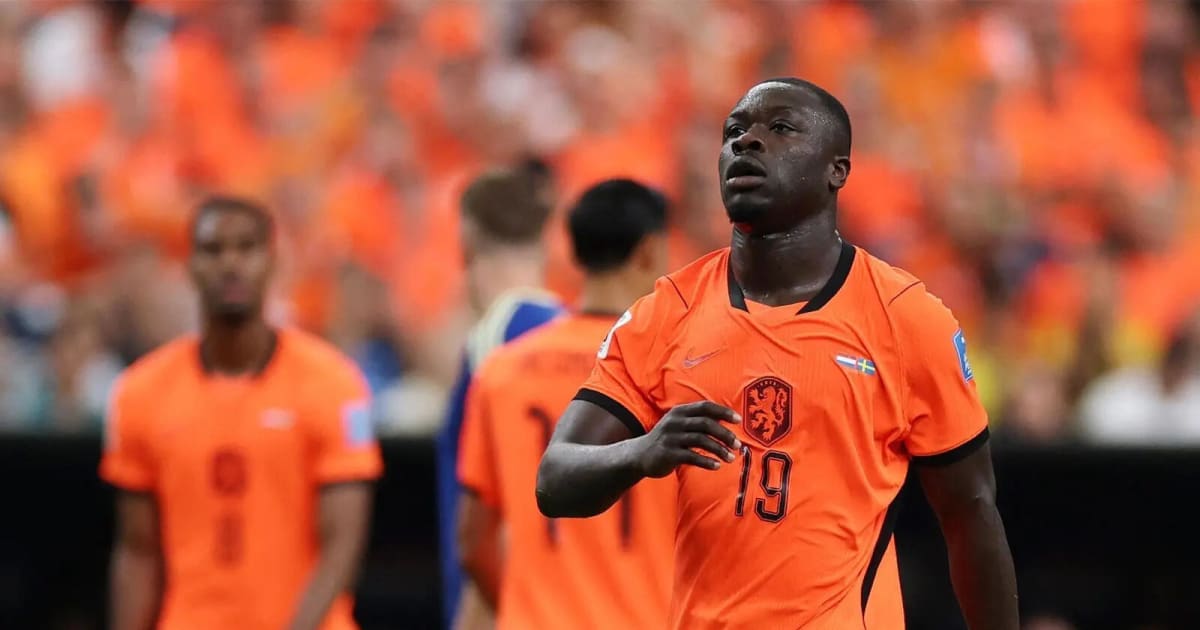
As the 1000th match milestone nears and stars like Brian Brobbey rewrite record books, the FIFA World Cup 2026 is transcending sport to become a significant fiscal catalyst for Indian markets. WelthWest Research Desk explores why Reliance, Zomato, and QSR giants are the primary beneficiaries of this global phenomenon.
The 1000th Match Milestone: Why FIFA 2026 is a Tipping Point for Indian Investors
The global football landscape is currently witnessing a historic evolution. With the recent milestone of the tournament's 1000th match and the emergence of new-age icons like Brian Brobbey—who recently etched his name in history with one of the fastest braces ever recorded—the momentum leading into the 2026 FIFA World Cup is unprecedented. For the Indian investor, this isn't just about the 'beautiful game'; it is about the monetization of attention in a market where football viewership is growing at a CAGR of 15%.
While cricket remains the undisputed king in India, the demographic shift toward Gen Z and Millennials has created a massive secondary market for football. The 2022 World Cup in Qatar saw over 110 million viewers from India tuning in across digital platforms. As we approach 2026, the scale is expected to magnify, driven by deeper internet penetration and a burgeoning 'experience economy.' However, the 2026 edition, hosted across the USA, Canada, and Mexico, introduces a unique 'Timezone Arbitrage' that will redefine which sectors win and which lose.
How will the FIFA World Cup 2026 affect Indian consumer stocks?
Historically, mega-sporting events act as a high-octane fuel for the Consumer Discretionary sector. During the 2022 FIFA World Cup, digital ad spending in India saw a 20% spike during the tournament month. For 2026, the impact will be bifurcated by the clock. Since matches will likely air in the late evening and early morning hours (IST), the traditional 'prime time' television model will face pressure, while the Quick Service Restaurant (QSR) and Food Delivery sectors will likely see a surge in 'midnight munching' orders.
Analysis of Nifty Consumption Index data during the 2023 Cricket World Cup showed a 4.5% outperformance relative to the broader Nifty 50. We anticipate a similar, albeit more niche, trend for FIFA 2026. The key difference lies in the Digital-First consumption. Platforms like JioCinema (Reliance Industries) have already disrupted the broadcasting landscape by offering free streaming, pivoting the revenue model from subscription-based to high-volume ad-tech. This shift ensures that even with 'unfavorable' timings, the reach remains massive, capturing the mobile-first audience that consumes highlights and live games on the go.
The QSR Pivot: Delivery over Dine-in
In previous cycles, sporting events boosted dine-in footfall. However, the 2026 timezone reality means the action happens when restaurants are typically closing their shutters. This provides a massive advantage to players with robust 24/7 delivery infrastructures. Companies like Zomato and Jubilant FoodWorks have already begun optimizing their 'dark kitchen' networks to handle peak loads between 11:00 PM and 4:00 AM. We estimate that a deep tournament run by popular teams (like Brazil, Argentina, or Portugal) can increase average order value (AOV) by 12-15% during match windows.
Stock-by-Stock Breakdown: The FIFA 2026 Playbook
1. Reliance Industries (RELIANCE)
Reliance is no longer just an O2C (Oil-to-Chemicals) play; it is a media behemoth. Through Viacom18 and the JioCinema app, Reliance holds the keys to the digital gateway of Indian sports. With a market cap exceeding ₹19 trillion, the media segment is a high-growth vertical.
- The Thesis: Reliance's ability to bundle data (Jio) with content (FIFA) creates an ecosystem lock-in.
- Key Metric: Watch for ad-revenue growth in the Media & Entertainment segment, which currently contributes roughly 2-3% to the consolidated EBITDA but is scaling rapidly.
2. Zomato Ltd (ZOMATO)
Zomato has transitioned from a loss-making startup to a profitable platform with a P/E ratio that reflects high growth expectations. During high-stakes global matches, Zomato’s 'intercity legends' and 'Blinkit' (quick commerce) become essential services.
- The Thesis: The 2026 World Cup matches will coincide with the peak usage of Blinkit for snacks, beverages, and party supplies.
- Historical Parallel: During the IPL 2024 finals, Zomato saw orders per minute (OPM) hit all-time highs. FIFA 2026 will extend this 'peak' over a 30-day period.
3. Jubilant FoodWorks (JUBLFOOD)
The master franchisee for Domino’s in India, Jubilant is the king of the delivery-centric QSR model.
- The Thesis: Pizza is the 'default' sport-watching food in India. Jubilant’s recent focus on '20-minute delivery' and late-night store extensions makes it a prime beneficiary.
- Valuation: Currently trading at a premium to its 5-year average P/E, any dip in the stock price ahead of 2026 should be viewed as a strategic entry point for long-term investors.
4. Page Industries (PAGEIND)
As the exclusive licensee for Jockey and Speedo in India, Page Industries benefits from the 'athleisure' trend that accompanies global sporting events.
- The Thesis: Global tournaments trigger a surge in fitness awareness and branded apparel sales. While not a direct 'broadcast' play, the halo effect on sportswear brands is statistically significant.
- Financial Health: With a robust Return on Equity (RoE) of over 40%, PAGEIND remains a quality play for investors looking for stability amidst the tournament volatility.
Expert Perspective: The Bull vs. Bear Case
"The 2026 FIFA World Cup is the first 'Streaming-First' global event for India. The data generated from 100 million viewers will be gold for ad-tech firms. However, investors must be cautious about the 'Timezone Trap'—if matches start at 3:30 AM IST, the casual viewer may drop off, leaving only the die-hard fans." — Senior Analyst, WelthWest Research.
The Bull Case: Optimists argue that the 48-team format (up from 32) means more matches, more ad slots, and a longer window for consumer spending. The 'Brian Brobbey effect'—the rise of young, marketable stars—keeps the social media engine humming, ensuring high engagement regardless of the hour.
The Bear Case: Contrarians point to the 'Low Impact' sentiment. They argue that without the Indian National Team's participation, the emotional 'buy-in' is limited compared to cricket. Furthermore, high inflation could dampen discretionary spending on premium food delivery, neutralizing the tournament's volume gains.
Actionable Investor Playbook: How to Position Your Portfolio
To capitalize on the FIFA 2026 cycle, investors should follow a phased approach:
- Phase 1 (Accumulation): 12 months prior to the tournament, start building positions in Zomato and Jubilant FoodWorks. These stocks often see a 'run-up' as the event nears.
- Phase 2 (The Media Play): Monitor Reliance Industries for its JioCinema user acquisition costs. If the company manages to keep acquisition costs low while scaling ad-rates, it’s a strong 'Buy'.
- Phase 3 (Exit Strategy): Historical data suggests a 'Sell the News' phenomenon. Consider trimming positions in QSR stocks mid-way through the tournament when the hype is at its peak and valuations are stretched.
Risk Matrix: What Could Go Wrong?
| Risk Factor | Probability | Impact on Stocks |
|---|---|---|
| Unfavorable Match Timings (3:00 AM IST) | High | Negative for Broadcasters; Neutral for Delivery |
| Ad-Spend Fatigue (Post-IPL Overlap) | Medium | Lower margins for Media stocks |
| Economic Slowdown/Reduced Spending | Low | Broad negative impact on QSR & Retail |
What to watch next?
Investors should keep a close eye on the FIFA 2026 Match Schedule release and the broadcasting rights auction updates for the Indian subcontinent. Any announcement regarding '24-hour delivery' permits in major metros like Mumbai and Bangalore will be a significant catalyst for Zomato and Devyani International. Additionally, quarterly earnings calls of Jubilant FoodWorks will provide clues on their 'midnight delivery' revenue contribution—a leading indicator for the World Cup's eventual impact.
See RELIANCE's AI Score
Our algorithmic screener scores RELIANCE on fundamentals, momentum, and risk — free to try, no card needed.
Try the AI Screener →Have questions about this story?
Ask Welth, our finance-focused AI research assistant, for a deeper breakdown — free trial included.
Chat with Welth AI →Disclaimer: This content is generated by WelthWest Research Desk based on publicly available reports and is for informational purposes only. It does not constitute financial advice, investment recommendations, or an offer to buy or sell securities. Always consult a qualified financial advisor before making investment decisions.