Key Takeaway
The Rs 3/litre fuel hike acts as a structural tax on the Indian economy, signaling a pivot from growth-led sentiment to cost-management survival. Investors should shift focus toward energy-efficient leaders and upstream oil producers while bracing for margin compression in transport-heavy sectors.
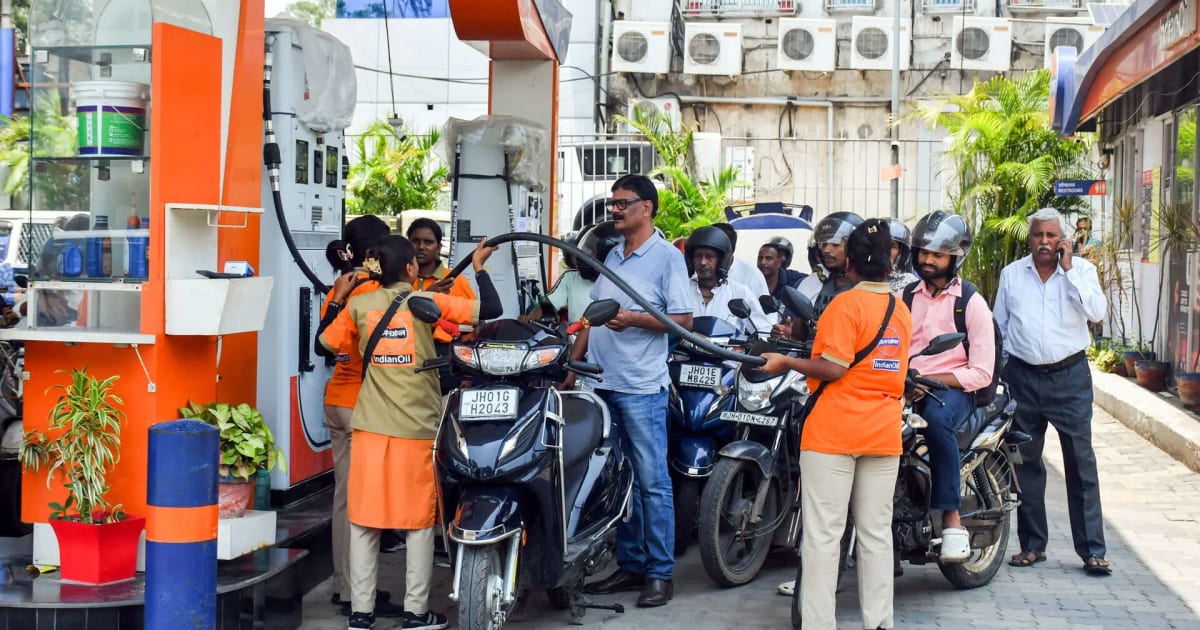
India's latest fuel price hike is more than a consumer burden; it is a macroeconomic signal of rising supply-side volatility. This analysis breaks down the ripple effects on corporate margins, RBI policy, and the specific NSE stocks poised to gain or lose from this new inflationary reality.
The Macroeconomic Ripple Effect: Why Rs 3/Litre Matters
The recent Rs 3/litre hike in fuel prices is not merely a retail annoyance; it is a structural adjustment to a volatile global energy landscape. Driven by Middle East supply disruptions and a tightening crude supply chain, this increase acts as a direct inflationary catalyst. For the Indian economy—which imports over 80% of its crude oil—this price surge feeds directly into the wholesale price index (WPI) and eventually, the consumer price index (CPI).
Historically, when fuel costs spike, the lag effect on logistics and manufacturing is approximately one quarter. In 2022, during the peak of global energy volatility, we observed a 4-6% contraction in the margins of logistics and FMCG players. This current hike threatens to mirror that trend, placing immense pressure on the RBI’s monetary policy committee to maintain higher-for-longer interest rates to curb imported inflation.
How will the fuel price hike impact Indian corporate margins?
The impact of fuel inflation is asymmetrical. While upstream energy companies benefit from realization gains, downstream sectors face a 'margin squeeze' scenario. When fuel prices rise, companies in the logistics and FMCG sectors are forced to choose between absorbing the cost—thereby hitting net profit margins—or passing it to the consumer, which risks volume de-growth in a price-sensitive market like India.
The Logistics and Aviation Crisis
Logistics firms and airlines operate on razor-thin margins where fuel accounts for 30-40% of operational expenditure (OPEX). For aviation, the fuel price surge directly impacts the Average Ticket Price (ATP) and Passenger Load Factor (PLF). Without a corresponding hike in ticket prices, companies like InterGlobe Aviation (INDIGO) face significant EBITDA erosion. Similarly, road transport remains the backbone of Indian supply chains, and a sustained increase in diesel prices will inevitably drive up the cost of goods sold (COGS) for manufacturers.
Sector-by-Sector Breakdown: Winners and Losers
Investors must differentiate between companies with 'pricing power' and those that are 'price takers.'
- Winners: Upstream oil producers (ONGC, OIL) benefit from higher realisations. Renewable energy players (Tata Power, Adani Green) gain relative competitiveness, and Electric Vehicle (EV) manufacturers (Tata Motors) see accelerated adoption as the TCO (Total Cost of Ownership) gap between ICE and EVs narrows.
- Losers: FMCG (Hindustan Unilever, Asian Paints) face higher distribution costs. The paint and chemical sector, which relies on petroleum-based derivatives for raw materials, will see input cost inflation that is difficult to pass on fully to customers.
Stock-by-Stock Analysis: Navigating the Volatility
ONGC (ONGC.NS): With a massive market cap, ONGC remains a direct beneficiary of rising crude prices. Their realization per barrel increases, though this is often capped by government windfall taxes. Look for stability here as a defensive hedge.
InterGlobe Aviation (INDIGO.NS): Aviation fuel (ATF) makes up nearly 40% of their costs. Expect downward pressure on stock price as analysts revise earnings estimates downwards due to margin compression.
Asian Paints (ASIANPAINT.NS): As a market leader, they have pricing power, but high crude prices impact their solvent and monomer costs. Their P/E ratio, often stretched, may face a contraction as growth expectations are recalibrated.
Hindustan Unilever (HUL.NS): Distribution is their lifeline. Rising diesel costs increase the cost of reaching rural markets, which are already showing signs of tepid demand. This is a classic 'hold' until input costs stabilize.
Tata Motors (TATAMOTORS.NS): This is a nuanced play. While their commercial vehicle division faces headwinds from the diesel price hike, their aggressive push into the EV segment positions them as a structural winner in a high-fuel-cost environment.
Contrarian Perspectives: Bulls vs. Bears
The Bull Case: Proponents argue that the Indian economy is currently resilient enough to absorb these costs. With strong GST collections and capital expenditure, the industrial sector will pivot toward efficiency, and the long-term shift toward green energy will mitigate the impact of future crude volatility.
The Bear Case: Skeptics point to the 'sticky' nature of inflation. If crude remains above $85/barrel for a prolonged period, the RBI will be forced to keep interest rates high, which will dampen credit growth and consumer spending, potentially leading to a market correction of 5-8% in the Nifty 50 index.
Actionable Investor Playbook
For the next 3-6 months, the strategy should be 'Defensive Alpha':
- Trim exposure to logistics-heavy and high-fuel-input companies that lack monopoly pricing power.
- Accumulate upstream energy stocks during dips, as they provide a natural hedge against oil price inflation.
- Watch the EV transition: Focus on companies with a clear roadmap for electrification, as they are insulated from the volatility of fossil fuel markets.
- Monitor RBI commentary: Any shift toward a more hawkish stance in the upcoming policy meeting will be the primary signal to increase cash positions.
Risk Matrix
| Risk Factor | Probability | Impact |
|---|---|---|
| Sustained Crude >$90/bbl | Moderate | High |
| RBI Rate Hike | Low | Very High |
| FMCG Volume De-growth | High | Moderate |
What to Watch Next
Investors should track the upcoming RBI Monetary Policy Committee (MPC) meeting minutes for hints on inflation outlooks. Additionally, watch the monthly GST collection data; a dip would suggest that high fuel costs are finally stifling economic activity. Keep an eye on the OPEC+ production quota announcements, as any supply-side surprise will dictate the next leg of this trend.
See ONGC's AI Score
Our algorithmic screener scores ONGC on fundamentals, momentum, and risk — free to try, no card needed.
Try the AI Screener →Have questions about this story?
Ask Welth, our finance-focused AI research assistant, for a deeper breakdown — free trial included.
Chat with Welth AI →Disclaimer: This content is generated by WelthWest Research Desk based on publicly available reports and is for informational purposes only. It does not constitute financial advice, investment recommendations, or an offer to buy or sell securities. Always consult a qualified financial advisor before making investment decisions.