Key Takeaway
The return to dynamic fuel pricing marks a structural shift toward cost-pass-through, signaling sustained inflationary pressure that threatens to compress margins in consumption-heavy sectors and force a hawkish pivot from the RBI.
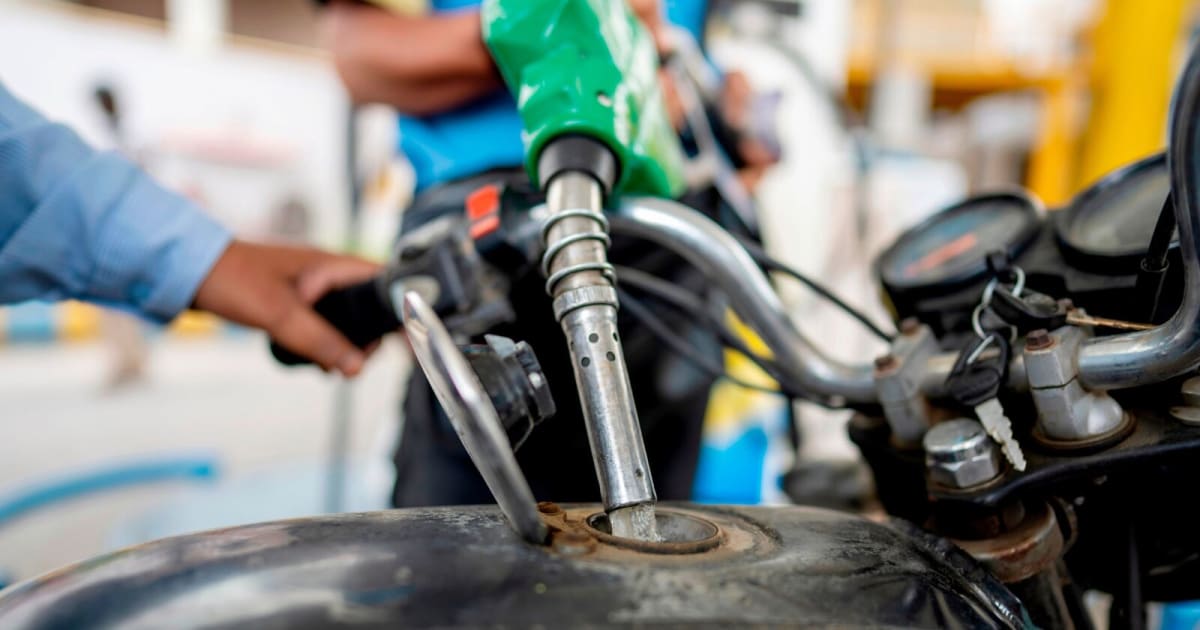
Oil Marketing Companies have resumed daily fuel price hikes to offset global crude volatility. This analysis dissects the ripple effect across the Indian equity markets, examining the winners, the vulnerable sectors, and the inevitable impact on interest rate cycles.
The Return of Dynamic Pricing: A Macroeconomic Turning Point
The recent resumption of daily fuel price hikes by Indian Oil Marketing Companies (OMCs) is not merely a retail inconvenience; it is a critical macroeconomic signal. For months, the market operated under a veneer of price stability, but the re-emergence of daily adjustments indicates that OMCs have reached their threshold for absorbing global crude volatility. As Brent crude remains elevated, the pass-through mechanism is back, and with it, a renewed threat to India's cooling inflation narrative.
For investors, this is the 'canary in the coal mine' moment. When fuel costs drift upward consistently, they act as a tax on the entire supply chain. Unlike the discretionary spending spikes we saw in 2022, this cycle is hitting an economy that is already grappling with high interest rates and cautious consumer sentiment. The transition from a subsidy-burdened model to a dynamic pass-through model protects OMCs but places the entire burden of energy inflation on the manufacturing and logistics sectors.
How will rising fuel prices impact the RBI’s interest rate stance?
The Reserve Bank of India (RBI) has been carefully navigating a 'wait and watch' policy, hoping that headline inflation would remain within the 4% target band. However, fuel is a major component of the Wholesale Price Index (WPI) and has a significant secondary impact on the Consumer Price Index (CPI) through transportation costs. If fuel prices continue to climb, we are looking at a potential wage-price spiral.
Historically, when fuel price hikes exceed a 5-7% threshold over a quarter, the RBI has historically pivoted toward a more hawkish stance. If the current trajectory of 90-paise hikes continues, the probability of a rate cut in the upcoming policy cycle drops significantly. Investors should price in a 'higher-for-longer' interest rate environment, which traditionally compresses P/E multiples for high-growth sectors like IT and Consumer Durables.
Sector-Level Breakdown: Winners vs. Vulnerable Stocks
The market is bifurcating rapidly. While energy-linked stocks see a temporary boost in sentiment, the broader indices are facing headwinds from margin-sensitive sectors.
The Winners: OMCs and Upstream Producers
- IOCL (Indian Oil Corporation): As the largest refiner, IOCL benefits directly from the normalization of marketing margins. With a P/E currently trading near its 5-year mean, the stock is a primary proxy for fuel price recovery.
- ONGC & OIL (Oil India Ltd): These upstream giants are the ultimate beneficiaries of elevated crude prices. As global benchmarks stay firm, their realization prices increase, directly inflating their EBITDA margins.
The Vulnerable: Logistics, FMCG, and Auto
- InterGlobe Aviation (IndiGo): Aviation Turbine Fuel (ATF) accounts for nearly 40% of an airline's operating cost. Persistent hikes will force management to either raise fares—dampening passenger growth—or accept a significant contraction in net profit margins.
- Asian Paints: As a chemical-intensive business, Asian Paints is highly sensitive to crude oil derivatives (monomers and pigments). Historically, a 10% rise in crude has led to a 150-200 bps compression in their operating margins.
Stock-by-Stock Analysis: Navigating the Volatility
BPCL (Bharat Petroleum) & HPCL (Hindustan Petroleum): These stocks are the most immediate beneficiaries of the current pricing policy. Unlike the pre-2022 period, these companies are now more disciplined in passing on costs. Watch their debt-to-equity ratios; as marketing margins improve, these firms will likely focus on deleveraging, which is a long-term positive for shareholders.
Auto Sector (Maruti Suzuki & Tata Motors): The auto sector faces a double-edged sword. Higher fuel prices lower the Total Cost of Ownership (TCO) advantage for ICE (Internal Combustion Engine) vehicles, potentially accelerating the shift to EVs, but in the near term, it suppresses entry-level vehicle demand due to overall inflationary pressure on household budgets.
Contrarian Perspective: The Bull vs. Bear Case
The Bull Argument: Bulls argue that this price hike is a 'one-time correction' to bring domestic prices in line with global parity, and that once the initial adjustment is complete, OMCs will see a massive surge in free cash flow. They believe that India's domestic demand is resilient enough to absorb these costs without a major impact on corporate earnings.
The Bear Argument: Bears point to the 2022 inflation cycle where the Nifty corrected nearly 10% as energy costs spiraled. They argue that this is the beginning of a sustained inflationary trend that will erode discretionary income, leading to an earnings downgrade cycle for Nifty 50 companies, particularly in the consumption space.
Actionable Investor Playbook
- Defensive Positioning: Increase allocation to companies with strong pricing power (FMCG leaders with high brand moats) that can pass on logistics costs to consumers without losing market share.
- Trim Exposure: Reduce weight in logistics and low-margin manufacturing firms that lack the ability to hedge against rising diesel costs.
- Monitor OMCs: Use volatility in IOCL and BPCL as entry points, but focus on the 'marketing margin' data points released in quarterly filings.
- Hedging: Consider using Nifty Put options as a hedge if crude oil prices breach the $90/barrel mark, as this is a psychological and fundamental trigger for institutional selling.
Risk Matrix
| Risk Factor | Probability | Impact |
|---|---|---|
| Sustained Crude Price >$95/bbl | Moderate | High |
| RBI Monetary Policy Pivot (Hawkish) | High | High |
| Supply Chain Disruption (Geopolitical) | Low | Extreme |
| Consumer Demand Destruction | Moderate | Moderate |
What to Watch Next
The next major catalyst will be the upcoming CPI data release and the subsequent RBI Monetary Policy Committee (MPC) meeting. Pay close attention to the 'fuel and light' sub-index in the CPI report. If this trends upward for two consecutive months, expect a shift in market sentiment from 'growth-oriented' to 'defensive-value' strategies. Additionally, keep an eye on the OMCs' inventory valuation disclosures, as these will provide the clearest picture of how much of the current price hike is going toward margin recovery versus cost-offsetting.
See IOCL's AI Score
Our algorithmic screener scores IOCL on fundamentals, momentum, and risk — free to try, no card needed.
Try the AI Screener →Have questions about this story?
Ask Welth, our finance-focused AI research assistant, for a deeper breakdown — free trial included.
Chat with Welth AI →Disclaimer: This content is generated by WelthWest Research Desk based on publicly available reports and is for informational purposes only. It does not constitute financial advice, investment recommendations, or an offer to buy or sell securities. Always consult a qualified financial advisor before making investment decisions.