Key Takeaway
The convergence of a hawkish US Federal Reserve and surging crude oil prices creates a 'liquidity-inflation squeeze' for the Indian market. Investors must pivot from growth-sensitive sectors toward defensive, commodity-linked assets to preserve capital.
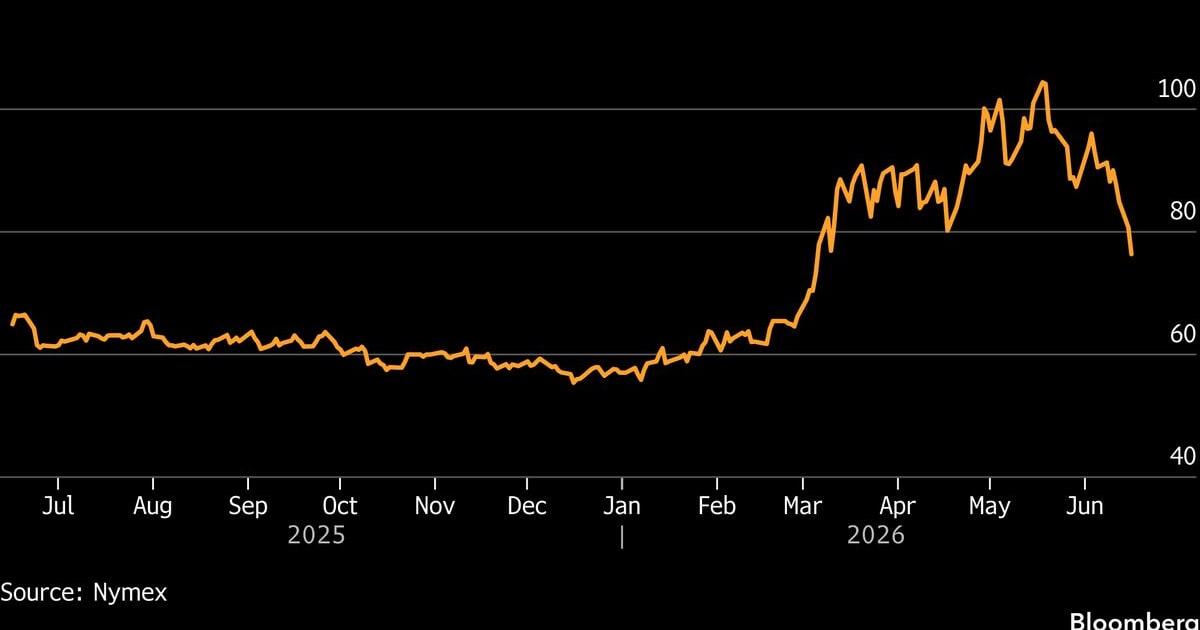
Geopolitical instability in the Middle East is fueling oil prices, while sticky US inflation has forced the Fed to signal a prolonged high-rate environment. For India, this translates to a dual threat: foreign institutional capital flight and potential domestic inflationary pressure. Our analysis explores the winners, losers, and the path forward for your portfolio.
The Perfect Storm: Why Global Geopolitics is Rattling Dalal Street
The global macroeconomic landscape has shifted from a narrative of 'soft landing' to a 'higher-for-longer' reality. As geopolitical tensions in the Middle East intensify, the world is witnessing a supply-side shock in energy markets, occurring precisely when the US Federal Reserve is signaling that the era of easy money is nowhere near a return. For Indian equities, this creates a formidable headwind, as the Nifty 50 faces simultaneous pressure from rising bond yields and a deteriorating current account outlook.
How will the Fed's rate hike speculation impact Indian markets?
When the US Federal Reserve hints at further rate hikes, the 'Risk-Free' rate on US Treasury bonds rises. This creates an immediate arbitrage issue for Foreign Institutional Investors (FIIs). As US 10-year yields climb, the risk premium for investing in emerging markets like India shrinks, prompting aggressive capital outflows. Historically, during the 2022 Fed tightening cycle, the Nifty 50 saw a drawdown of nearly 12% as FIIs liquidated positions to chase higher yields in USD-denominated assets. We are currently observing a similar pattern, where the correlation between the Dollar Index (DXY) and Indian equity outflows has reached a 12-month high.
The Crude Oil Conundrum
India imports over 85% of its crude oil requirements. A sustained spike in Brent crude prices acts as a 'hidden tax' on the Indian economy, ballooning the Current Account Deficit (CAD) and placing immense pressure on the Rupee. This forces the Reserve Bank of India (RBI) into a corner: maintain high interest rates to support the currency and anchor inflation, even if it stifles domestic consumption.
Sectoral Fallout: Who Wins and Who Loses?
The market is currently undergoing a violent rotation. Investors are fleeing high-valuation growth sectors and seeking shelter in defensive plays.
- Losers (IT & Banking): IT Services firms like Infosys (NSE: INFY) and TCS (NSE: TCS) are suffering as global clients cut discretionary tech spending in anticipation of a US slowdown. Meanwhile, HDFC Bank (NSE: HDFCBANK) faces margin compression as the cost of funds rises and credit growth slows in a high-rate environment.
- Winners (Energy & Defense): ONGC (NSE: ONGC) and OIL (NSE: OIL) are direct beneficiaries of higher crude realisations, with their EBITDA margins expanding as global oil prices remain elevated. Hindustan Aeronautics Ltd (NSE: HAL) remains a structural winner, as geopolitical instability forces the Indian government to prioritize defense indigenization and capital expenditure.
Stock-by-Stock Analysis: Navigating the Volatility
ONGC (NSE: ONGC): Trading at a P/E of ~7x, ONGC offers a classic value proposition. With oil prices finding a higher floor, the company's free cash flow generation is expected to improve, providing a buffer against market-wide sell-offs.
Infosys (NSE: INFY): Facing a dual-threat of currency volatility and reduced US client spending, INFY's forward guidance remains cautious. Investors should watch the $17-18 USD ADR range for technical support before considering entry.
HDFC Bank (NSE: HDFCBANK): Despite a strong balance sheet, the bank is currently grappling with stagnant NIMs (Net Interest Margins). Until the RBI signals a clear pivot in its stance, the stock is likely to remain range-bound between ₹1,500 and ₹1,700.
Hindustan Aeronautics Ltd (NSE: HAL): With an order book exceeding ₹80,000 crore, HAL is largely insulated from macroeconomic cycles. Its revenue visibility makes it a 'buy-on-dips' candidate for long-term investors.
The Contrarian Perspective: Bulls vs. Bears
The Bear Case: Bears argue that structural inflation—driven by energy costs—will force the RBI to keep rates elevated through FY25. This would lead to a valuation derating of the Nifty 50, which currently trades at a premium to its 5-year average P/E of 22x.
The Bull Case: Bulls contend that India’s domestic consumption story and strong manufacturing PMIs provide a 'decoupling' effect. They argue that as China faces its own structural issues, India remains the primary destination for global capital, and any dip in the Nifty should be viewed as a buying opportunity for long-term compounding.
Actionable Investor Playbook
- Defensive Allocation: Shift 15-20% of your equity portfolio into Gold-linked ETFs (e.g., Nippon India ETF Gold BeES) to hedge against geopolitical tail risks.
- Avoid High-Leverage: Reduce exposure to Consumer Discretionary stocks where demand is sensitive to EMI costs.
- Watch the Yields: Monitor the US 10-year Treasury yield. If it breaches 5%, expect a correction in Indian mid-caps and small-caps.
Risk Matrix
| Risk Factor | Probability | Impact |
|---|---|---|
| Persistent $95+ Brent Crude | High | Severe |
| US Recession Triggering FII Exodus | Medium | High |
| RBI Delaying Rate Cuts to Q3 FY25 | High | Moderate |
What to Watch Next
The upcoming US CPI data release and the RBI Monetary Policy Committee (MPC) meeting minutes are the next critical catalysts. Any deviation from the projected inflation trajectory will likely trigger a sharp move in the bond markets, which will dictate the equity market's direction for the remainder of the quarter.
See ONGC's AI Score
Our algorithmic screener scores ONGC on fundamentals, momentum, and risk — free to try, no card needed.
Try the AI Screener →Have questions about this story?
Ask Welth, our finance-focused AI research assistant, for a deeper breakdown — free trial included.
Chat with Welth AI →Disclaimer: This content is generated by WelthWest Research Desk based on publicly available reports and is for informational purposes only. It does not constitute financial advice, investment recommendations, or an offer to buy or sell securities. Always consult a qualified financial advisor before making investment decisions.