Key Takeaway
The intensifying global regulatory crackdown on crypto exchanges is ushering in a new, more cautious era for digital assets. For India, this means a potential cooling of speculative interest, a boost for regulated traditional finance players, and increased scrutiny on nascent domestic crypto ventures.
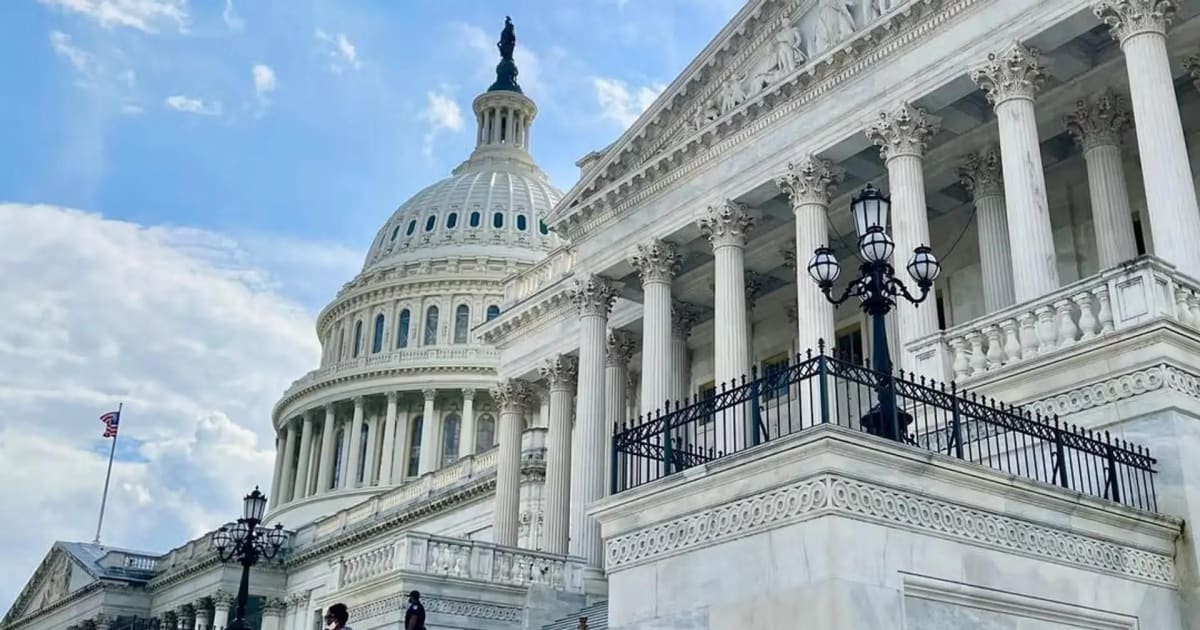
As global regulators tighten their grip on cryptocurrency exchanges, the digital asset landscape is undergoing a seismic shift. WelthWest Research delves into the cascading effects of this crackdown, particularly its nuanced impact on India's burgeoning crypto ecosystem and its ripple effect on the NSE/BSE.
Global Crypto Regulation Surge: A Paradigm Shift for Digital Assets
The cryptocurrency market, long characterized by its decentralized ethos and often opaque operational frameworks, is now at a critical juncture. A synchronized global regulatory crackdown is intensifying, targeting cryptocurrency exchanges and their associated operations with unprecedented vigor. This isn't a localized phenomenon; from the United States Securities and Exchange Commission (SEC) pursuing legal action against major players to European Union's Markets in Crypto-Assets (MiCA) regulation solidifying, the message is clear: the era of unfettered crypto trading is drawing to a close. This regulatory pressure is fundamentally reshaping the market dynamics, moving it from a Wild West frontier towards a more structured, albeit potentially less liquid, financial frontier.
Why the Intensified Regulatory Scrutiny Matters Now
The timing of this global regulatory push is critical. Following a period of hyper-growth and significant speculative capital inflows into cryptocurrencies, several high-profile collapses and alleged fraudulent activities have eroded investor confidence and highlighted systemic risks. Regulators, tasked with maintaining financial stability and protecting consumers, are responding to these events by demanding greater transparency, robust Know Your Customer (KYC) and Anti-Money Laundering (AML) protocols, and clearer operational guidelines from crypto entities. For India, this global trend translates into a more cautious approach from domestic regulators like the Reserve Bank of India (RBI) and the Securities and Exchange Board of India (SEBI). The implications are far-reaching: reduced liquidity and trading volumes on exchanges, a potential dampening of speculative investor enthusiasm, and a more discerning stance from institutional investors who are increasingly seeking regulated avenues for digital asset exposure. This shift will inevitably influence capital flows and the developmental trajectory of India's nascent crypto ecosystem, which has seen significant interest from startups and venture capitalists.
Deep Market Impact Analysis: India's Stock Market on the Cusp
The intensification of global crypto regulations casts a long shadow over the Indian stock market, presenting a complex interplay of opportunities and challenges. While India does not have direct publicly listed cryptocurrency exchanges in the same vein as some Western markets, the impact is felt through indirect exposure and the broader sentiment surrounding digital assets. The primary channel of impact is through investor confidence and capital allocation. When global crypto markets face headwinds due to regulatory uncertainty, speculative capital tends to retreat, often impacting broader risk assets. Historically, periods of high volatility in cryptocurrencies have sometimes correlated with sell-offs in technology and growth stocks on exchanges like the National Stock Exchange (NSE) and Bombay Stock Exchange (BSE), as investors reduce their overall risk exposure. For instance, during the crypto downturn of 2022, which was partly fueled by regulatory concerns and platform failures, the Nifty 50 saw corrections, demonstrating the interconnectedness of global financial sentiment.
The Indian market's response will likely be nuanced. On one hand, the bearish sentiment surrounding speculative crypto trading could lead to reduced trading volumes and a cautious approach from retail investors, impacting companies that cater to this segment. On the other hand, this crackdown could indirectly benefit traditional financial institutions that are increasingly exploring or already offering regulated digital asset services. Companies focused on enterprise-level blockchain solutions, rather than speculative trading platforms, are also poised to benefit as regulatory clarity emerges for business applications of the technology. The key question for Indian investors is whether this regulatory tightening will stifle innovation or pave the way for a more sustainable and legitimate digital asset market.
How Will RBI's Stance on Crypto Influence Indian Stock Market Sectors?
The Reserve Bank of India's (RBI) historically cautious stance on cryptocurrencies has been a significant factor shaping the domestic digital asset landscape. While the RBI has not imposed an outright ban, its concerns regarding financial stability, money laundering, and consumer protection have led to a more restrictive environment compared to some other nations. This cautious approach means that any global regulatory developments will be closely monitored and potentially mirrored or amplified by Indian authorities. For the banking sector, this could mean increased due diligence on any entities seeking to engage with crypto-related businesses, potentially limiting partnerships but also reinforcing the stability of traditional financial services. Fintech companies operating in India will need to navigate these evolving regulatory expectations carefully. Companies that have diversified revenue streams beyond highly speculative crypto trading, or those that are focused on building blockchain infrastructure for legitimate enterprise use cases, are better positioned to weather this storm. The overall impact on the Indian stock market will depend on the extent to which speculative capital flows are diverted away from or towards more regulated investment avenues.
Stock-by-Stock Breakdown: Navigating the Crypto Regulatory Tides on NSE/BSE
The impact of the global crypto regulatory crackdown on the Indian stock market is largely indirect, affecting companies with exposure to the digital asset ecosystem through various channels. While direct crypto exchange listings are absent, several NSE and BSE-listed entities have either direct or indirect stakes, or their business models are intertwined with the broader digital asset and blockchain space.
- WazirX (Not Directly Listed, but associated with Zanmai Labs): While WazirX is not a publicly traded company on Indian exchanges, its operations have faced significant regulatory scrutiny from Indian authorities in the past, including charges related to money laundering. Any further global regulatory tightening, especially concerning KYC/AML compliance and cross-border transactions, will likely reinforce the pressure on such domestic platforms and could influence the regulatory approach of Indian authorities towards affiliated entities or founders. The parent company, Zanmai Labs, has faced challenges and its future operational capacity remains under a cloud, impacting any potential indirect investment sentiment.
- HCL Technologies (NSE: HCLTECH): As a major IT services provider, HCL Technologies has been involved in developing blockchain solutions for enterprise clients. The increasing regulatory clarity in the crypto space, while potentially dampening speculative trading, can actually foster growth for companies that provide underlying technological infrastructure for legitimate business applications of blockchain. HCLTECH's focus on enterprise solutions means it is less exposed to the volatility of crypto trading and more aligned with the growing demand for secure, transparent, and efficient business processes powered by distributed ledger technology. Its diversified revenue streams and strong balance sheet (Market Cap: approx. ₹4.2 Trillion, P/E: approx. 26) position it favorably.
- Infosys (NSE: INFY): Similar to HCL Technologies, Infosys is a significant player in the IT services sector with a growing blockchain practice. As global regulations mature, businesses will increasingly seek robust and compliant blockchain implementations for supply chain management, digital identity, and financial services. Infosys's expansive client base and expertise in digital transformation make it a potential beneficiary of this trend. While not directly tied to crypto trading, its blockchain services can see increased demand from traditional financial institutions and enterprises looking to leverage the technology in a regulated manner. (Market Cap: approx. ₹6.5 Trillion, P/E: approx. 29).
- Tata Consultancy Services (NSE: TCS): As India's largest IT services firm, TCS is also actively involved in blockchain development. The company's focus on enterprise-grade solutions means it is insulated from the direct volatility of crypto markets but positioned to capitalize on the broader adoption of blockchain technology driven by regulatory frameworks. The demand for secure and scalable blockchain solutions in sectors like finance, healthcare, and logistics, where regulatory compliance is paramount, could drive growth for TCS's blockchain offerings. (Market Cap: approx. ₹15.5 Trillion, P/E: approx. 31).
- Reliance Industries (NSE: RELIANCE): While not directly involved in crypto exchanges, Reliance Industries has been exploring various digital initiatives. Its vast conglomerate structure and investments in digital infrastructure could potentially include future ventures into blockchain-based services or digital assets within its ecosystem. However, any direct involvement would likely be approached with extreme caution, aligning with regulatory frameworks. Its primary impact would be through broader market sentiment and the potential for its digital ventures to adopt blockchain in a compliant manner. (Market Cap: approx. ₹19 Trillion, P/E: approx. 25).
- Specific Fintech Companies with Crypto Exposure (Private): Numerous unlisted fintech companies in India are involved in crypto trading, wallets, and related services. The increased regulatory pressure globally will undoubtedly lead to more stringent oversight from Indian regulators on these private entities, potentially leading to consolidation, stricter compliance requirements, and a challenging operating environment for those not adhering to robust AML/KYC norms. This could also impact venture capital funding for such startups.
Expert Perspective: Bears vs. Bulls on the Crypto Regulatory Frontier
Bears argue: The global regulatory crackdown signifies the end of the speculative crypto bubble. Exchanges will face insurmountable compliance costs, leading to failures and significant price drops across all digital assets. Investor confidence will be permanently damaged, pushing capital back into traditional, regulated markets. For India, this means a prolonged period of stagnation for any domestic crypto innovation and a heightened risk of regulatory action against even compliant entities.
Bulls counter: Regulation is a necessary step for the maturation of the crypto market. Increased clarity will attract institutional investors who have been hesitant due to regulatory uncertainty. Companies focused on building real-world applications of blockchain technology, rather than speculative trading, will thrive. For India, this presents an opportunity to build a robust, compliant digital asset framework that can foster sustainable innovation and attract legitimate capital, benefiting IT service providers and regulated financial entities.
Actionable Investor Playbook: Navigating the Crypto Regulatory Storm
For investors, the current environment demands a strategic, risk-aware approach. The key is to differentiate between speculative crypto assets and the underlying blockchain technology, and to understand how regulatory shifts impact different segments of the market.
- Reduce Exposure to Highly Speculative Crypto Assets: Given the increased regulatory risk and potential for price volatility, consider trimming positions in cryptocurrencies that are not backed by strong utility or clear regulatory pathways. Focus on assets with demonstrable use cases beyond speculative trading.
- Favor Regulated Traditional Finance Players: Invest in established financial institutions and IT service providers that are either developing compliant digital asset services or are providing enterprise blockchain solutions. Companies like HCL Technologies, Infosys, and TCS are well-positioned to benefit from the growing demand for blockchain technology in a regulated environment.
- Watch for Opportunities in Compliant Digital Asset Infrastructure: Keep an eye on companies that are building the infrastructure for regulated digital asset markets, such as custodians, compliance software providers, and blockchain analytics firms, although direct listings in India are scarce.
- Time Horizons: For speculative crypto assets, a short-to-medium term horizon might be prudent, with a clear exit strategy. For investments in blockchain technology via IT service providers, a long-term perspective (3-5+ years) is recommended, as the adoption of enterprise blockchain is a gradual but significant trend.
- Entry Points: For IT stocks with blockchain exposure, consider dollar-cost averaging during market dips, especially if valuations become attractive. For any potential direct crypto investments (exercising extreme caution), entry points should be based on deep fundamental analysis and a clear understanding of the regulatory landscape in the relevant jurisdiction.
Risk Matrix: Potential Pitfalls in the Evolving Crypto Landscape
The evolving regulatory landscape presents several distinct risks for investors and businesses alike:
- Heightened Regulatory Enforcement (Probability: High): Further aggressive enforcement actions by global and Indian regulators against exchanges and crypto-related entities could lead to significant price drops, asset freezes, and operational shutdowns. This could trigger a contagion effect across the broader crypto market.
- Liquidity Crisis in Digital Assets (Probability: Medium): As exchanges face increased compliance burdens and potential delisting of certain tokens, market liquidity could dry up significantly, making it difficult to buy or sell assets without substantial price impact. This is particularly concerning for smaller-cap cryptocurrencies.
- Stifled Innovation (Probability: Medium): Overly burdensome or unclear regulations could stifle innovation within the blockchain and cryptocurrency space, pushing talent and development to more accommodating jurisdictions. This could hinder the long-term potential of the technology.
- Uncertainty in Indian Regulatory Framework (Probability: Medium): While global trends are evident, the specific implementation and pace of regulatory changes within India remain somewhat uncertain. Ambiguities in the Indian framework could lead to unexpected challenges for domestic crypto businesses and investors.
What to Watch Next: Catalysts Shaping the Future of Crypto and Indian Markets
The coming months will be crucial in determining the trajectory of the global and Indian crypto markets. Several key events and data releases will be critical to monitor:
- Major Regulatory Rulings and Enforcement Actions: Keep a close watch on rulings from the SEC, EU regulators, and pronouncements from the RBI and SEBI regarding crypto assets and exchanges. Any significant enforcement actions or new guidelines will have immediate market implications.
- Developments in Stablecoin Regulation: The regulatory approach to stablecoins, which are crucial for crypto trading liquidity, will significantly impact market stability.
- Institutional Investor Adoption Trends: Monitor reports and announcements from large financial institutions regarding their involvement or planned involvement in digital asset services. Increased institutional adoption, driven by regulatory clarity, would be a strong bullish signal.
- Enterprise Blockchain Adoption Milestones: Track the progress and adoption rates of enterprise-level blockchain solutions by major corporations. Success stories in sectors like supply chain and finance will validate the long-term potential of the technology.
- Indian Government Policy Statements: Any forward-looking statements or policy shifts from the Indian government concerning digital assets and blockchain technology will be closely scrutinized.
The global regulatory tightening on cryptocurrency exchanges is not just a news event; it is a fundamental reshaping of an asset class and its ecosystem. For India, this presents a dual challenge and opportunity: to navigate the risks of speculative excess while fostering innovation in a compliant and sustainable manner. The companies best positioned to thrive will be those that offer tangible value, embrace transparency, and align with evolving regulatory expectations, particularly within the robust framework of the Indian stock market.
Run a free AI Stock Screen
Our algorithmic screener scores any NSE/BSE stock on fundamentals, momentum, and risk — free to try, no card needed.
Try the AI Screener →Have questions about this story?
Ask Welth, our finance-focused AI research assistant, for a deeper breakdown — free trial included.
Chat with Welth AI →Disclaimer: This content is generated by WelthWest Research Desk based on publicly available reports and is for informational purposes only. It does not constitute financial advice, investment recommendations, or an offer to buy or sell securities. Always consult a qualified financial advisor before making investment decisions.
