Key Takeaway
The global economic axis is tilting eastward, presenting a monumental opportunity for India to cement its role as a manufacturing and investment powerhouse for the Global South. Investors must re-evaluate portfolios to capture this structural shift, focusing on export-oriented and diversified businesses.
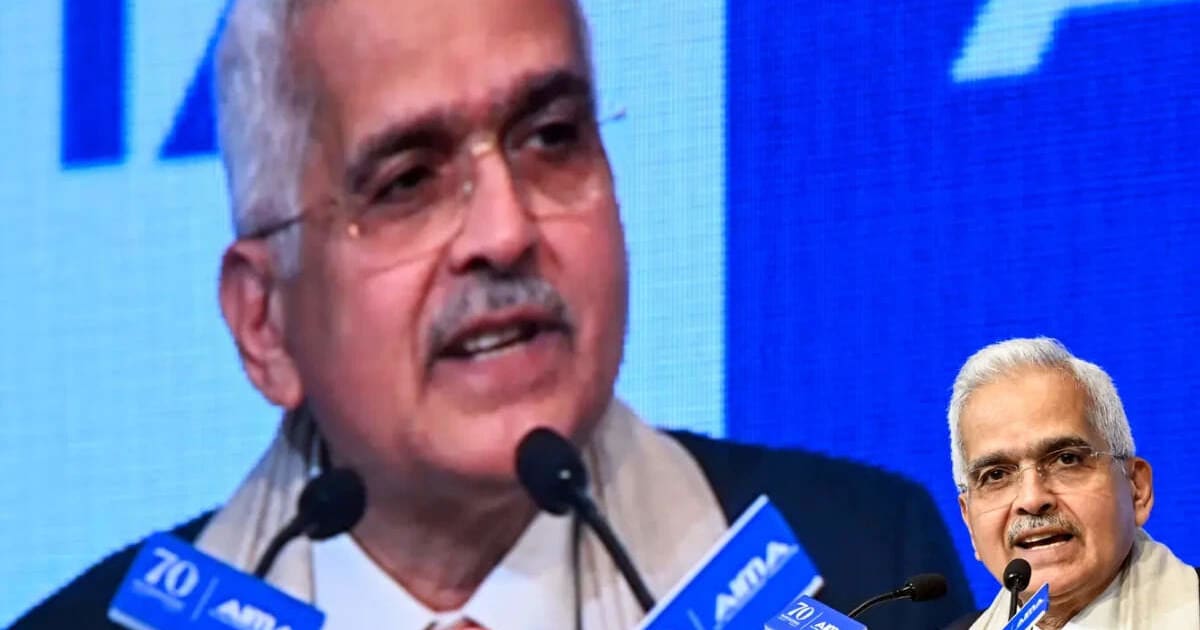
Reserve Bank of India Governor Shaktikanta Das has underscored a significant geopolitical and economic recalibration, with global growth increasingly centering in the East and the Global South. This analysis delves into the profound implications for India's economy and its stock market, identifying key sectors and companies poised to benefit from this tectonic shift, alongside potential headwinds.
Global Economic Rebalancing: India's Moment in the Sun
Reserve Bank of India (RBI) Governor Shaktikanta Das has articulated a profound observation: the world's economic center of gravity is demonstrably shifting eastward. This isn't merely a cyclical fluctuation but a structural transformation, driven by evolving trade patterns, geopolitical realignments, and the burgeoning economic prowess of emerging markets. For India, this presents a strategic inflection point, an opportunity to not only participate in but to lead the economic ascent of the Global South. The implications for Indian equities are substantial, demanding a recalibration of investment strategies to align with this new global economic architecture.
The 'Global South,' a term encompassing nations in Africa, Asia, and Latin America, is no longer a peripheral player but an increasingly central engine of global demand and production. Historically reliant on trade flows dominated by Western economies, the global marketplace is witnessing a diversification that favors regions offering competitive manufacturing capabilities, vast consumer bases, and strategic resource endowments. Governor Das's emphasis on this trend signals a clear directive for policymakers and businesses alike: embrace and capitalize on the opportunities presented by this eastward pivot. This shift promises to unlock new avenues for export growth, attract significant foreign direct investment (FDI), and foster deeper intra-regional trade, fundamentally altering the investment landscape for the foreseeable future.
Why This Eastward Shift Matters NOW
The timing of Governor Das's pronouncements is critical. The world has navigated a period of unprecedented global shocks, including supply chain disruptions exacerbated by the pandemic, geopolitical conflicts, and a subsequent rise in protectionist sentiments in developed economies. These factors have compelled nations and corporations to re-evaluate their sourcing strategies and market dependencies. The result is a natural gravitation towards more resilient and geographically proximate supply chains, a trend that significantly benefits countries like India, which possess a large, skilled workforce and a growing manufacturing base. This is not merely about 'nearshoring' but about 'friend-shoring' and 're-shoring' to nations that offer both economic advantages and geopolitical stability. The Global South, with India at its forefront, is strategically positioned to absorb this redirected economic activity. Consequently, the potential for increased trade and investment flows into these regions is immense, offering a compelling growth narrative for the coming decade.
For India, this presents a dual opportunity: to strengthen its position as a global manufacturing hub, particularly in sectors like electronics, pharmaceuticals, and textiles, and to enhance its role as a service provider. The 'Make in India' initiative, coupled with production-linked incentive (PLI) schemes, finds renewed impetus in this evolving global context. Furthermore, as these emerging economies grow, their internal demand for goods and services will surge, creating a robust market for Indian exports and investments. This also necessitates a strategic adaptation for Indian businesses, moving beyond traditional export markets to cultivate deeper economic ties within the Global South. The challenge lies in navigating the complexities of diverse regulatory environments, logistical hurdles, and varying consumer preferences across these burgeoning markets. However, the potential rewards—diversified revenue streams, enhanced market share, and a more resilient business model—are substantial.
Deep Market Impact Analysis: India's Stock Market at a Crossroads
The implications for the Indian stock market are profound and multifaceted. This eastward economic shift suggests a structural re-rating for companies that are well-positioned to benefit from increased export demand from the Global South and enhanced domestic consumption fueled by rising incomes. We anticipate a divergence in performance, with export-oriented manufacturing sectors and companies actively diversifying their trade partners likely to outperform. Historically, periods of significant global trade rebalancing have led to substantial wealth creation. For instance, during the post-2008 global financial crisis, as emerging markets recovered faster, sectors like IT services and pharmaceuticals in India saw significant growth as global companies sought cost efficiencies and new markets. The current shift, however, is driven by a different set of factors—geopolitics and supply chain resilience—which may favor different sub-sectors within manufacturing and infrastructure.
The Nifty 50, India's benchmark stock market index, has shown resilience, but its future trajectory will increasingly be influenced by the success of Indian enterprises in capturing these new global opportunities. Companies with strong balance sheets, efficient operations, and a forward-looking strategy for international market penetration are set to capture market share. We project a medium-term positive impact on the broader market sentiment, contingent on the effective execution of trade policies and investment strategies. The key is not just to export but to build integrated value chains that can cater to the specific needs of the Global South. This includes a focus on food security, agricultural value chains, and essential goods and services, areas where demand is expected to be robust and sustained.
Sectors Poised for Growth in the Eastward Pivot
Several sectors within the Indian economy are strategically aligned to benefit from this global economic recalibration. Export-oriented manufacturing, particularly in areas where India has a competitive advantage, will be a primary beneficiary. This includes sectors like textiles, pharmaceuticals, automotive components, and increasingly, electronics manufacturing. Companies in these segments can leverage India's cost-effectiveness, skilled labor, and improving infrastructure to cater to the growing demand from Africa and Southeast Asia.
Companies focused on trade diversification, those actively seeking to reduce their reliance on traditional Western markets and forge new partnerships in Asia and Africa, will find this an opportune moment. This includes logistics providers, financial institutions facilitating cross-border trade, and consulting firms advising on market entry strategies. The burgeoning intra-regional trade within the Global South will create significant demand for these services.
Sectors benefiting from increased intra-regional trade will also see substantial growth. This encompasses infrastructure development (ports, roads, power), telecommunications, and financial services that support the expansion of economic activity across these regions. As trade volumes increase, the need for robust logistical and financial frameworks becomes paramount.
Finally, companies involved in food security and agricultural value chains are set to play a crucial role. With a growing population and the need for stable food supplies, investments in agriculture, food processing, and related technologies will be critical. India, with its strong agricultural base, can emerge as a key supplier and technology provider in this domain.
How Will Increased Global South Trade Impact Indian Manufacturing Stocks?
The impact on Indian manufacturing stocks will be significant, driven by both increased export opportunities and potential shifts in global supply chain dynamics. Companies that have invested in capacity expansion, technological upgradation, and quality control will be best placed to capture this growth. For instance, the automotive component sector has been steadily improving its export performance. Companies like L&T Technology Services (LTTS), with its strong engineering and R&D capabilities, are well-positioned to provide design and development services to manufacturers across the Global South looking to establish or expand their production facilities. Their focus on digital engineering and smart manufacturing solutions aligns perfectly with the evolving needs of emerging economies.
Similarly, the pharmaceutical sector, already a global leader in generics, can expand its reach into African and Southeast Asian markets, which have a growing demand for affordable healthcare. Dr. Reddy's Laboratories (DRREDDY), with its established presence and diverse product portfolio, is a prime example of a company that can capitalize on this trend. Their ability to navigate regulatory landscapes and provide cost-effective solutions makes them a strong contender.
The electronics manufacturing sector, boosted by PLI schemes, is also a key beneficiary. As global companies look to diversify their manufacturing base away from single-country dependence, Indian contract manufacturers and component suppliers will see increased orders. Companies like Dixon Technologies (India) Ltd (DIXON), a leading player in electronics manufacturing services, are directly benefiting from this trend, with their expanding production capabilities and diverse product range.
Stock-by-Stock Breakdown: Navigating the Eastward Tide
To illustrate the impact, let's examine specific Indian stocks and their potential beneficiaries:
- Larsen & Toubro (LT): As a diversified conglomerate with significant exposure to infrastructure, engineering, and construction, L&T is poised to benefit from increased infrastructure development in the Global South. Their expertise in building ports, power plants, and transportation networks is in high demand. With a market capitalization of over ₹4 trillion and a P/E ratio of approximately 35, LT's strong order book and global project execution capabilities make it a bellwether for this trend. Its subsidiaries, such as L&T Technology Services, further amplify its reach into specialized manufacturing and R&D services for emerging markets.
- Tata Motors (TATAMOTORS): With a growing presence in commercial vehicles and passenger cars in African and Southeast Asian markets, Tata Motors is well-positioned to tap into the rising disposable incomes and infrastructure growth in these regions. Their focus on affordable yet robust vehicles aligns with the needs of these emerging economies. Despite past challenges, the company's market capitalization of over ₹2.5 trillion and a forward P/E of around 18 indicate a recovery narrative that can be significantly bolstered by international expansion.
- Pidilite Industries (PIDILIT): This consumer-centric company, known for its adhesives and construction chemicals, can benefit from the burgeoning construction and home improvement markets across the Global South. As urbanization accelerates, the demand for quality building materials will rise. With a market cap exceeding ₹1.2 trillion and a P/E of around 60, Pidilite's strong brand equity and extensive distribution network provide a competitive edge.
- Zydus Lifesciences (ZYDUSLIFE): A significant player in the pharmaceutical sector, Zydus Lifesciences can expand its footprint in markets where affordable and quality healthcare is a priority. Their generics and biosimilars portfolio is well-suited for these emerging economies. With a market cap of over ₹90,000 crore and a P/E of approximately 25, the company's R&D pipeline and global regulatory approvals position it for growth in these underserved markets.
- Indian Oil Corporation (IOC): While primarily a domestic player, IOC's potential involvement in energy infrastructure projects and fuel distribution networks in emerging economies, either through direct investment or partnerships, cannot be overlooked. The increasing energy demand in the Global South presents long-term opportunities. Its market cap of over ₹1.5 trillion and a P/E of around 15 suggest it is an attractive value play if international expansion strategies materialize.
- Maruti Suzuki India (MARUTI): While its primary focus remains India, Maruti Suzuki's parent company, Suzuki Motor Corporation, has a significant presence in Southeast Asia. Any strategic shifts or increased supply chain integration benefiting the broader Suzuki group could indirectly influence Maruti's operational efficiencies and technological collaborations, especially concerning entry-level vehicle segments crucial for emerging markets.
Expert Perspective: Bulls vs. Bears on the Eastward Shift
Bulls would argue that this eastward economic shift represents a secular trend, a fundamental realignment of global economic power that will create sustained growth opportunities for India. They point to the demographic advantages, the growing middle class, and the increasing technological capabilities of the Global South. For them, companies with strong export orientation, diversified revenue streams, and robust manufacturing capabilities are set for a multi-year bull run. They would emphasize the undervalued nature of many Indian companies relative to their growth potential in these new markets, citing historical parallels where emerging markets have consistently outperformed developed economies during periods of global rebalancing.
Bears, however, would caution against over-optimism. They highlight the significant risks associated with increased protectionism and trade barriers, which could hinder the Global South's ability to fully capitalize on this shift. Geopolitical uncertainties, including potential flare-ups in existing conflicts or new ones, could lead to volatility in energy and commodity prices, impacting economic stability across these regions. Furthermore, they would point to the operational challenges of expanding into diverse and often less developed markets, including regulatory hurdles, infrastructure deficits, and currency fluctuations. A contrarian view might suggest that while the trend is real, the execution challenges and potential for unforeseen global shocks could temper the expected market returns, making it a 'sell the news' event for some companies.
Actionable Investor Playbook: Capitalizing on the Global South Opportunity
For investors looking to capitalize on this tectonic shift, a strategic and diversified approach is paramount. The time horizon for significant impact is medium to long-term (3-7 years), as these structural changes unfold.
- Buy: Focus on companies with a proven track record of export performance, strong manufacturing capabilities, and a clear strategy for market diversification into Asia and Africa. Look for companies with robust R&D, efficient supply chains, and the ability to adapt products to local market needs. Sectors to prioritize include:
- Capital Goods & Infrastructure: Companies involved in building essential infrastructure like ports, power, and telecommunications.
- Pharmaceuticals & Healthcare: Players with strong generics portfolios and the ability to cater to affordable healthcare needs.
- Automotive Components & Manufacturing: Suppliers and manufacturers poised to benefit from increased vehicle production in emerging markets.
- Agri-business & Food Processing: Companies supporting food security and value-added agricultural products.
- Sell/Reduce: Companies heavily reliant on traditional Western markets with limited diversification strategies. Sectors facing intense competition from emerging economies or those struggling with supply chain disruptions due to protectionist policies should be re-evaluated.
- Watch: Companies that are actively exploring partnerships or acquisitions in the Global South. Monitor companies that are investing in digital transformation and sustainable practices, as these will be key differentiators.
- Entry Points: Seek opportunities during market corrections or sector-specific dips to build positions in fundamentally strong companies. For high-quality growth stocks, consider a staggered entry approach (SIP) to mitigate timing risk. For example, if a company like L&T sees a 10% correction due to broader market sentiment, it could present a compelling entry point for long-term investors.
Risk Matrix: Navigating the Global South Landscape
While the opportunities are significant, several risks could impede the realization of this eastward economic shift's full potential:
- Increased Protectionism and Trade Barriers (Probability: Medium-High): Developed economies, facing their own domestic pressures, might erect further trade barriers or implement protectionist policies, making it harder for Global South nations to export their goods and services. This could also lead to retaliatory measures, disrupting trade flows.
- Geopolitical Instability and Commodity Price Volatility (Probability: Medium): Ongoing geopolitical tensions or new conflicts could lead to significant price swings in energy, food, and other essential commodities. This volatility can destabilize economies in the Global South, impacting consumer spending and investment.
- Regulatory and Political Risks in Emerging Markets (Probability: Medium): Navigating diverse and sometimes unpredictable regulatory environments, along with political instability in certain Global South nations, poses a significant challenge for businesses. Changes in government policies, corruption, and legal uncertainties can deter investment and disrupt operations.
- Supply Chain Fragility and Infrastructure Deficits (Probability: Medium-Low): Despite the shift, underlying vulnerabilities in infrastructure development (logistics, power, digital connectivity) and ongoing global supply chain fragilities could still hamper efficient trade and production in emerging markets.
What to Watch Next: Catalysts for the Eastward Shift
Investors should keenly monitor several upcoming catalysts that will shape the narrative of the eastward economic shift:
- Upcoming Trade Summits and Agreements: Look for announcements from forums like the G20, BRICS, and regional trade blocs, which will indicate the progress of economic cooperation and integration among Global South nations.
- Foreign Direct Investment (FDI) Data: Track the inflow of FDI into India and other emerging markets, particularly in manufacturing and infrastructure, as a key indicator of confidence and growth potential.
- Corporate Earnings Reports: Pay close attention to the quarterly earnings of companies with significant export exposure to the Global South. Look for commentary on order books, new markets, and revenue growth from these regions.
- Central Bank Policy Stances: Monitor the monetary policy decisions of central banks in major emerging economies, as their interest rate policies and inflation management will significantly influence economic growth and investment sentiment.
- Geopolitical Developments: Stay abreast of global geopolitical events, as they can have ripple effects on commodity prices, trade routes, and overall economic stability, impacting the pace and direction of the eastward shift.
The global economic landscape is undergoing a profound transformation. Governor Das's observation is not just a commentary but a call to action. For India and its investors, this eastward pivot represents a generational opportunity to redefine economic dominance and foster inclusive growth across the Global South. Strategic foresight and agile execution will be the keys to unlocking this immense potential.
Run a free AI Stock Screen
Our algorithmic screener scores any NSE/BSE stock on fundamentals, momentum, and risk — free to try, no card needed.
Try the AI Screener →Have questions about this story?
Ask Welth, our finance-focused AI research assistant, for a deeper breakdown — free trial included.
Chat with Welth AI →Disclaimer: This content is generated by WelthWest Research Desk based on publicly available reports and is for informational purposes only. It does not constitute financial advice, investment recommendations, or an offer to buy or sell securities. Always consult a qualified financial advisor before making investment decisions.