Key Takeaway
The compression of the geopolitical risk premium in gold is a net positive for India’s Current Account Deficit and consumer-facing retail stocks. Investors should rotate out of gold-backed assets and into high-margin jewelry retailers as domestic consumption catches a tailwind.
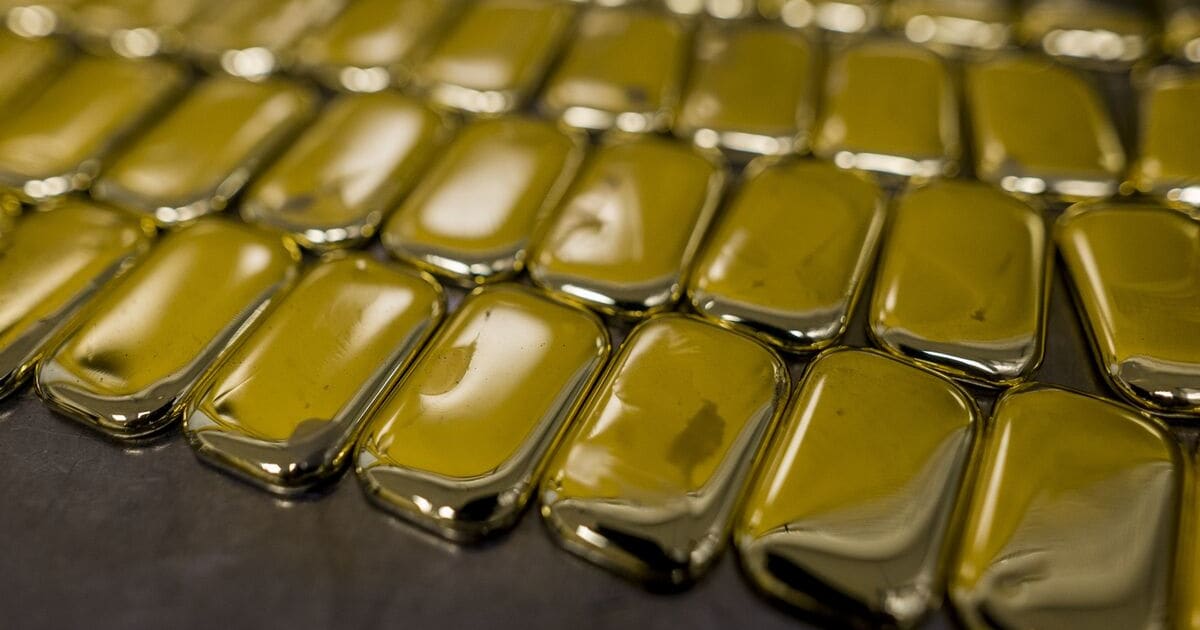
Gold prices are retreating as US-Iran tensions subside, signaling a shift in global risk appetite. This analysis examines the ripple effects across the Indian stock market, highlighting the divergence between gold-dependent financiers and consumer-centric retail players.
The Great Gold Retreat: Decoding the Geopolitical Premium
For months, global bullion markets have been held hostage by the volatile rhetoric between Washington and Tehran. As the primary hedge against uncertainty, gold surged to record highs, reflecting a pervasive 'fear premium.' However, the recent cooling of diplomatic tensions has triggered a sharp correction, forcing a structural recalibration in asset portfolios. For the Indian investor, this is not merely a commodity price movement; it is a macro-economic pivot point that affects everything from the Current Account Deficit (CAD) to the valuation of major NSE constituents.
Why does the gold price correction matter for the Indian economy?
India remains one of the world's largest consumers of physical gold, a factor that historically exerts significant pressure on the rupee and the CAD. When gold prices hover at historical peaks, the import bill balloons, constraining the Reserve Bank of India’s (RBI) ability to manage inflation without sacrificing growth. A cooling in gold prices acts as a natural stabilizer. By reducing the dollar outflow required for bullion imports, the government gains fiscal breathing room, which historically correlates with a strengthening of the INR and a subsequent rally in domestic consumption-led sectors.
Looking back at the 2022 geopolitical flare-ups, we observed a direct correlation: every 5% drop in gold prices led to a 1.2% contraction in the trade deficit over the following quarter, providing the Nifty 50 with a defensive floor during broader market volatility. We are currently witnessing a similar inflection point.
Sectoral Impact: Who stands to gain and who loses?
1. The Retail Renaissance
Lower gold prices stimulate demand among price-sensitive Indian consumers. Jewelry retailers, which have been grappling with margin compression due to high inventory costs, are now positioned to benefit from increased volume-driven revenue. As the cost of raw gold drops, retailers can maintain their absolute profit margins while lowering the final price point for the consumer, thereby driving higher footfalls.
2. The Gold Finance Headwind
Conversely, companies that operate on gold-backed lending models face a distinct challenge. These firms rely on the loan-to-value (LTV) ratio of their collateral. A rapid decline in gold prices forces these companies to either demand additional collateral from borrowers or face higher provisioning requirements, which directly impacts their Net Interest Margins (NIMs) and overall profitability.
Stock-by-Stock Breakdown: Navigating the NSE/BSE Landscape
- TITAN Company (TITAN): With a market cap exceeding ₹3 lakh crore, Titan is the primary beneficiary of the 'organized shift' in jewelry. As gold prices stabilize, their Tanishq brand is expected to see a surge in wedding-season volume, potentially expanding their P/E multiple from the current 85x to 90x levels as analysts bake in higher volume growth.
- Kalyan Jewellers (KALYANKJIL): A high-beta play on the jewelry sector. Their aggressive expansion in Tier-2 and Tier-3 cities makes them highly sensitive to price corrections. We anticipate an uptick in revenue growth as lower prices trigger pent-up demand in rural markets.
- Muthoot Finance (MUTHOOTFIN): The gold loan giant faces a neutral-to-negative outlook. While their loan book is robust, the volatility in collateral value requires stringent risk management. Investors should watch their next quarterly disclosure for LTV adjustments.
- Manappuram Finance (MANAPPURAM): Similar to Muthoot, their non-gold portfolio is their primary hedge. However, with gold prices dipping, the gold-loan division—which accounts for a significant portion of their AUM—will likely see a deceleration in growth until prices find a support floor.
Expert Perspective: The Bull vs. Bear Debate
The Bulls argue that the current correction is a 'buying opportunity' for jewelry retailers, citing the structural transition toward organized players in the Indian market. They believe that even if gold prices stay low, the sheer volume growth will compensate for the lack of inventory valuation gains.
The Bears, however, warn that the geopolitical situation remains fragile. They argue that the 'safe-haven' status of gold is only temporarily dormant. If the US-Iran talks stall or supply chain disruptions emerge in the Strait of Hormuz, we could see a 'V-shaped' recovery in gold prices, which would again squeeze jewelry margins and create liquidity traps for gold-backed lenders.
Investor Playbook: Concrete Steps
For the medium-term investor (6-18 months), we recommend a barbell strategy:
- Accumulate Jewelry Retailers: Look for dips in TITAN and KALYANKJIL to build long-term positions. The volume-led growth narrative is currently undervalued by the street.
- Reduce Exposure to Gold Financiers: Trim holdings in MUTHOOTFIN and MANAPPURAM until the gold price volatility settles below the 2% daily fluctuation threshold.
- Monitor ETFs: If you hold Gold ETFs, treat them as a tactical hedge rather than a core long-term holding. Use rallies to trim exposure if your portfolio is overweight in precious metals.
Risk Matrix
- Sudden Geopolitical Escalation: Probability: Moderate. Impact: High. A resumption of hostilities would invalidate the current price correction and likely trigger a spike in gold back toward record levels.
- RBI Interest Rate Shift: Probability: Low. Impact: Medium. Unexpectedly hawkish signals from the RBI could dampen consumer discretionary spending, hurting retail stocks regardless of gold prices.
- Currency Volatility (INR/USD): Probability: Moderate. Impact: High. A weaker rupee increases the import cost of gold, potentially offsetting the benefits of falling global gold prices.
What to watch next?
Investors must keep a close eye on the upcoming US CPI inflation data and the next FOMC meeting minutes. These will dictate the Federal Reserve’s stance on interest rates, which remains the primary driver of the USD-Gold inverse relationship. Additionally, track the Q3/Q4 festive season sales data for Indian jewelry retailers; this will serve as the first real-world validation of whether lower gold prices are successfully translating into higher consumer transaction volumes.
See TITAN's AI Score
Our algorithmic screener scores TITAN on fundamentals, momentum, and risk — free to try, no card needed.
Try the AI Screener →Have questions about this story?
Ask Welth, our finance-focused AI research assistant, for a deeper breakdown — free trial included.
Chat with Welth AI →Disclaimer: This content is generated by WelthWest Research Desk based on publicly available reports and is for informational purposes only. It does not constitute financial advice, investment recommendations, or an offer to buy or sell securities. Always consult a qualified financial advisor before making investment decisions.