Key Takeaway
Goldman Sachs' hawkish shift signals a higher probability of further Fed tightening, portending a stronger USD and potential FII outflows from India. Investors must brace for increased volatility, re-evaluate growth stock exposure, and consider defensive plays amidst rising global cost of capital.
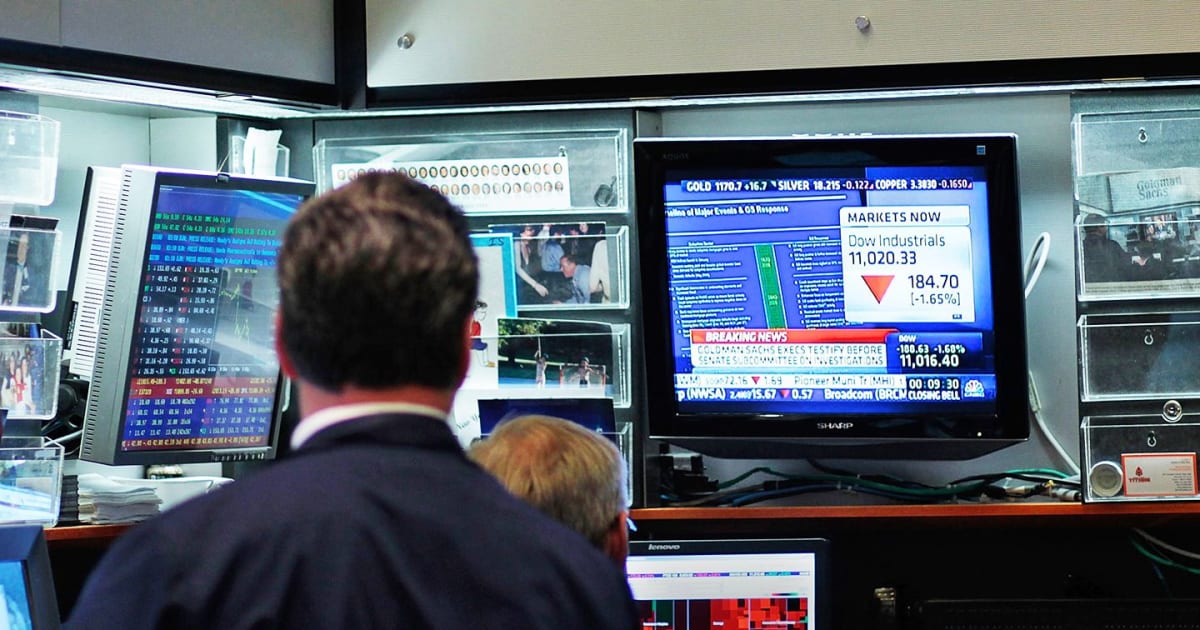
A significant shift from Goldman Sachs now predicts an October Fed rate hike, fundamentally altering the global monetary policy landscape. This deep dive unpacks the 'why now' and 'what next' for Indian investors, dissecting the intricate links between US monetary policy, FII flows, and specific sector performance on the NSE and BSE. Prepare for a comprehensive analysis that will redefine your investment strategy.
Goldman Sachs' Hawkish Pivot: Unpacking the October Fed Hike Forecast and Its Ripple Effect on India
The financial world is abuzz following a pivotal forecast from Goldman Sachs, one of Wall Street's most influential investment banks. Shifting from its prior stance, Goldman Sachs now anticipates an October Fed rate hike. This isn't merely a tweak in economic projections; it represents a significant hawkish recalibration that carries profound implications for global capital markets, with a particularly sharp focus on emerging economies like India.
Why does this matter now? The Federal Reserve's monetary policy dictates the global cost of capital. A rate hike by the US central bank fundamentally alters the risk-reward calculus for investors worldwide. When US interest rates rise, the US Dollar typically strengthens, making dollar-denominated assets more attractive. This dynamic often triggers a 'risk-off' sentiment, prompting Foreign Institutional Investors (FIIs) to pull capital from emerging markets, including India, in search of safer, higher-yielding US assets. For the Indian stock market, which has historically relied on FII inflows for significant upward momentum, this forecast signals a potential headwind that cannot be ignored.
Deep Market Impact Analysis: Navigating the Indian Equity Landscape
The immediate consequence of a strengthened US Dollar and rising US interest rates is a double whammy for the Indian market. Firstly, the increased attractiveness of US Treasuries can divert FII capital. Historically, periods of aggressive Fed tightening, such as 2022, saw substantial FII outflows from India. For instance, in 2022, FIIs net sold over $28 billion from Indian equities, contributing to a Nifty 50 correction of over 15% from its peak. While the current environment differs, the underlying principle of capital reallocation remains potent.
Secondly, a stronger dollar puts depreciatory pressure on the Indian Rupee (INR). A weaker Rupee makes imports more expensive, potentially fueling domestic inflation, and increases the cost of servicing foreign currency debt for Indian companies. While a weaker Rupee can boost export-oriented sectors, the overall impact on the broader economy and corporate earnings can be challenging.
Sector-level Breakdown: Who Wins, Who Loses?
- Losers:
- Interest-rate sensitive sectors: Companies in Real Estate, Auto, and Capital Goods sectors, which often rely on consumer loans or project financing, could face headwinds if the Reserve Bank of India (RBI) is compelled to follow the Fed's lead. Higher borrowing costs directly impact demand and profitability. For instance, the Real Estate sector, represented by the Nifty Realty index, saw a significant correction in 2022 when interest rates rose.
- Growth stocks and FII-dependent sectors: High-growth companies, particularly those in nascent industries or with high P/E ratios, tend to underperform in rising rate environments. Their future earnings are discounted more aggressively, and investors prioritize value over growth. Sectors heavily reliant on FII funding for liquidity and valuation support will also feel the pinch.
- Indian IT Sector (INFY, TCS): While a depreciating Rupee generally benefits IT exporters by increasing their Rupee revenues from dollar contracts, a global economic slowdown stemming from higher rates could lead to reduced client spending and project deferrals in key markets like the US and Europe. This demand-side shock could potentially outweigh the currency benefit. Consider Infosys (NSE: INFY) and Tata Consultancy Services (NSE: TCS), bellwethers of the Indian IT industry, which derive a significant portion of their revenue from North America.
- Winners (or less impacted):
- US Dollar: This is the direct beneficiary of the Fed's hawkish stance, strengthening against a basket of currencies, including the INR.
- Gold: As a traditional safe-haven asset, gold tends to perform well during periods of economic uncertainty and market volatility, offering a hedge against currency depreciation and equity market downturns.
- Indian Exporters with USD Revenue (non-IT): Companies with significant dollar-denominated export revenues, outside of the potentially impacted IT sector, could see improved Rupee realizations, boosting their top line.
Stock-by-Stock Breakdown: Pinpointing Vulnerabilities and Resilience
Understanding the broader sector impact is crucial, but a granular look at specific stocks provides actionable insights for investors navigating this evolving landscape.
- Infosys (NSE: INFY) & TCS (NSE: TCS): These IT giants, with market capitalizations exceeding $70 billion and $150 billion respectively, are particularly sensitive. While a weaker Rupee (e.g., INR moving from 82 to 84 against the USD) typically boosts their Rupee-denominated revenue, an aggressive Fed tightening could slow global economic growth, leading clients to defer or cut IT spending. This demand-side pressure, especially in their key North American market, could offset currency benefits. Investors should monitor new deal wins and management commentary on client budgets. Peer companies like Wipro (NSE: WIPRO) and HCLTech (NSE: HCLTECH) face similar dynamics.
- Reliance Industries (NSE: RELIANCE): India's largest company by market cap (over $200 billion) is a conglomerate with diverse interests in refining, petrochemicals, retail, and telecom (Jio). While its energy segment benefits from a weaker Rupee for its export-oriented products, its consumer-facing businesses (Jio and Retail) could feel the pinch of reduced consumer spending if inflation rises and interest rates climb domestically. Furthermore, Reliance's significant capital expenditure plans could face higher borrowing costs, impacting future profitability. The stock's sheer weight in indices means its performance heavily influences overall market sentiment.
- HDFC Bank (NSE: HDFCBANK) & ICICI Bank (NSE: ICICIBANK): As leading private sector banks, their fortunes are intricately linked to interest rate cycles. If the RBI follows the Fed with rate hikes, it could increase their Net Interest Margins (NIMs) initially. However, prolonged high rates can lead to higher Non-Performing Assets (NPAs) as borrowers struggle to repay loans, particularly in sensitive sectors like Real Estate and MSME. Furthermore, FII outflows can impact their valuation, given their significant FII holdings. Both banks boast robust loan books and strong asset quality, but a sustained hawkish cycle presents a challenge. Other banking peers like Axis Bank (NSE: AXISBANK) and Kotak Mahindra Bank (NSE: KOTAKBANK) share similar exposures.
Expert Perspective: Bulls vs. Bears on India's Resilience
The Goldman Sachs forecast has predictably polarized expert opinions on India's economic resilience.
Bearish Argument: Proponents of a bearish outlook emphasize the historical correlation between Fed tightening cycles and FII outflows from emerging markets. They argue that India, despite its domestic consumption story, cannot entirely decouple from global capital flows. Rising global interest rates increase the cost of capital for Indian corporates, potentially slowing investment and impacting growth. Furthermore, a significantly weaker Rupee could exacerbate imported inflation, forcing the RBI to hike rates defensively, stifling domestic demand. They point to the Nifty's relatively high valuations (e.g., Nifty 50 P/E ratio often above 20x) as vulnerable to de-rating in a higher-rate environment.
Bullish Argument: Conversely, the bullish camp highlights India's robust domestic demand, strong corporate earnings growth, and ongoing government reforms as key differentiators. They argue that India's economy is less export-dependent than many other Asian peers, providing a buffer against global slowdowns. They also believe the RBI has sufficient foreign exchange reserves (over $600 billion) to manage Rupee volatility effectively. Furthermore, they contend that any FII outflows might be partially offset by resilient Domestic Institutional Investor (DII) buying, which has been a consistent support for the market. They might also point to the long-term structural growth story of India, which remains intact despite short-term headwinds.
The truth likely lies somewhere in the middle. While India possesses strong domestic fundamentals, it is not immune to global financial contagion. The key will be the pace and magnitude of both Fed and potentially RBI rate actions.
Actionable Investor Playbook: Strategies for a Hawkish Environment
In light of Goldman Sachs' revised forecast, investors must adopt a proactive and defensive posture. This is not a time for complacency but for strategic portfolio rebalancing.
- Reduce Exposure to Rate-Sensitive & High-Growth Stocks: Consider trimming positions in sectors like Real Estate, Auto, and companies with high P/E ratios and significant future growth expectations. These are typically the first to suffer from rising discount rates.
- Increase Allocation to Defensive Sectors: Look towards sectors with stable earnings, strong balance sheets, and inelastic demand. Pharmaceuticals, FMCG (Fast-Moving Consumer Goods), and select utilities could offer relative stability.
- Consider US Dollar Exposure: While direct currency trading carries risk, investors can indirectly gain USD exposure through US-focused ETFs or funds if they believe the Rupee will significantly depreciate.
- Allocate to Gold: Gold remains a classic hedge against inflation and market uncertainty. Consider an allocation of 5-10% of your portfolio to gold ETFs or physical gold.
- Focus on Quality & Value: In uncertain times, companies with strong fundamentals, low debt, consistent cash flows, and reasonable valuations tend to outperform. Look for market leaders with competitive moats.
- Staggered Entry/Exit Points: Avoid lump-sum investments. Instead, use a Systematic Investment Plan (SIP) or staggered buying approach to average out your purchase price, especially during periods of high volatility. For existing holdings, consider partial profit booking on rallies to de-risk.
- Time Horizon: For long-term investors (5+ years), market corrections induced by such global events can present opportunities to accumulate quality stocks at lower valuations. Short-term traders, however, must be agile and respect stop-losses.
Risk Matrix: Assessing Potential Headwinds for Indian Equities
The path ahead is fraught with several identifiable risks, each carrying a different probability and potential impact.
- Faster-than-Expected Fed Rate Hike Cycle (Probability: Medium-High, Impact: High): The primary risk is that the Fed embarks on a more aggressive tightening path than currently anticipated, potentially involving larger hikes or more frequent increases. This would accelerate capital outflows from emerging markets, including India, leading to a sharper Rupee depreciation and a more significant correction in Indian equities.
- Global Economic Slowdown/Recession (Probability: Medium, Impact: High): An overly hawkish Fed could tip major economies, particularly the US and Europe, into a recession. This would severely impact global demand for goods and services, directly affecting Indian exporters (including IT services) and potentially leading to job losses and reduced consumer spending domestically.
- Persistent Domestic Inflation & RBI Action (Probability: Medium, Impact: Medium): If the Rupee depreciates significantly and global commodity prices remain elevated, India could face persistent inflationary pressures. This might compel the RBI to follow the Fed with aggressive rate hikes, potentially stifling domestic credit growth and economic activity.
- Geopolitical Escalation (Probability: Low-Medium, Impact: High): While not directly tied to the Fed's forecast, any major geopolitical event (e.g., renewed conflict, energy supply disruptions) could amplify market uncertainty, leading to further 'risk-off' sentiment and capital flight, exacerbating the impact of rising rates.
What to Watch Next: Catalysts and Data Points for Indian Investors
The narrative around global interest rates and its impact on India will continue to evolve rapidly. Savvy investors must closely monitor several key catalysts and data releases:
- US CPI & PCE Inflation Data: The Consumer Price Index (CPI) and Personal Consumption Expenditures (PCE) reports from the US will be critical. Any signs of persistent inflation could solidify the Fed's hawkish stance.
- FOMC Meeting Minutes & Speeches: The minutes from Federal Open Market Committee (FOMC) meetings and speeches by Fed officials will offer insights into their thinking and future policy direction.
- RBI Monetary Policy Committee (MPC) Meetings: The RBI's policy decisions and forward guidance will be crucial for domestic interest rates and liquidity conditions.
- FII & DII Flow Data: Daily and monthly FII and DII investment data will provide a real-time pulse on capital flows into and out of the Indian market. Significant and sustained outflows would signal mounting pressure.
- Corporate Earnings Reports: Upcoming quarterly earnings reports, especially from IT, banking, and interest-rate-sensitive sectors, will offer granular insights into how companies are navigating the current environment. Pay close attention to management commentary on future outlook and guidance.
- Global PMI Data: Purchasing Managers' Index (PMI) data from major economies will indicate the health of global manufacturing and services sectors, providing clues about potential demand for Indian exports.
Goldman Sachs' latest forecast is a clarion call for vigilance. While the Indian growth story remains compelling long-term, the short-to-medium term demands a cautious, data-driven approach. By understanding the intricate connections between global monetary policy and domestic market dynamics, investors can position their portfolios to navigate the impending volatility and emerge stronger.
See Infosys (INFY)'s AI Score
Our algorithmic screener scores Infosys (INFY) on fundamentals, momentum, and risk — free to try, no card needed.
Try the AI Screener →Have questions about this story?
Ask Welth, our finance-focused AI research assistant, for a deeper breakdown — free trial included.
Chat with Welth AI →Disclaimer: This content is generated by WelthWest Research Desk based on publicly available reports and is for informational purposes only. It does not constitute financial advice, investment recommendations, or an offer to buy or sell securities. Always consult a qualified financial advisor before making investment decisions.